
This article will take approximately 27 minutes to read. Don't have the time right now? No worries. Email the ad-free version of the article to yourself and read it later!
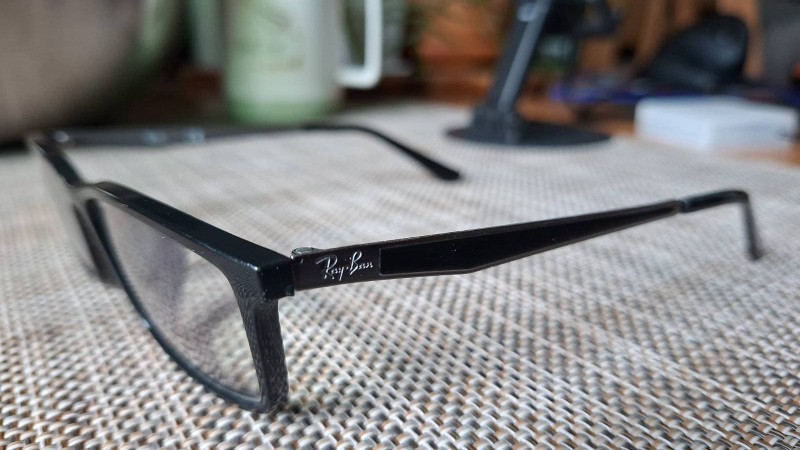
I recently had to buy a new pair of Ray-Ban eyeglasses in Bangkok, and I have to say much has changed since I bought my first set in 2015.
First, you have a lot more choices for eyeglass shops than 10 years ago. Of course there are top Thailand brands such as KT Optic, Better Vision, and Top Charoen. But even international shops like Japan’s Owndays are becoming more popular in Bangkok.
Second, the lenses for eyeglasses have come a long way in terms of technology, so much so that I had a hard time deciding which to buy.
But as with most health-related matters in Bangkok, I was blown away with the experience and service I got as I hunted for and bought a new pair of eyeglasses.
In this guide, you’ll find out everything you need to know about getting eyeglasses in Bangkok, from which stores to visit to how much you can expect to pay.
Key Takeaways
- Bangkok has far more eyeglass options than it did 10 years ago, from homegrown chains like Top Charoen and KT Optic to Japanese newcomers like Owndays, and the competition is good news for your wallet
- Skip the hospital eye center unless you have complex vision issues. The free eye exams at reputable chains use modern equipment and are usually more than good enough
- Lens upgrades add up fast, so only pay for what you actually need. I skipped anti-reflective coating and went with computer lenses and UV protection, which suited my lifestyle perfectly
- If you want designer frames like Ray-Ban, Bangkok is still 30% to 40% cheaper than the United States, just make sure you buy from a reputable shop and get a certificate of authenticity
- Most mid-range eyeglasses with decent lenses will run you THB3,000 to THB8,000, which is where I usually shop and where I think most people will find the sweet spot
- Simple prescriptions can often be done the same day, but budget three to five days if you need progressive or complex lenses
- Buy your glasses from a chain and they’ll adjust and tighten your frames for free, forever. That alone is worth factoring into your decision
- If you have kids who need glasses, buy two pairs at once and get flexible frames with spring hinges. Trust me on this one
Types of Eyeglasses Available
While upgrading to a new pair of Ray-Ban glasses, I found that shops in Bangkok offer a lot of options. You’ll find everything from basic reading glasses to high-end progressive lenses.
The most common types include standard prescription glasses, which is what most people need, me included. I work on a laptop for many hours every day, and over the years I’ve noticed that the quality of my vision has been deteriorating.
Tip: Even while working on a laptop with glasses it’ll still benefit your eyes to follow the 20-20-20 rule. Take a break every 20 minutes and look at something 20 feet away from you for 20 seconds.
I do what I could to protect my eye health, such as wearing sunglasses when outside, taking breaks from my laptop, following the 20–20–20 rule, and even eating my fair share of goji berries. But, in the end, I still need glasses.
Then there are progressive or multifocal lenses for those who need help with both distance and reading. As you’ll soon find out, though, I didn’t like these lenses for a few reasons.
Lenses
Knowing your lens options can save you money or get you better quality lenses, depending on what matters to you. Because I work on a laptop for a good portion of the day, I chose to get lenses designed for working on computers with some added UV protection. But you can generally get any of the add-ons below.
- Single vision lenses: Single vision lenses are the simplest and cheapest, starting around THB500 to THB1,500 for basic quality. One correction, whether for distance or reading.
- Progressive lenses: Progressive lenses are what you need if you’re presbyopic. They’re more expensive. Expect to pay THB3,000 to THB15,000 depending on the brand (Hoya, Essilor, or Zeiss being the premium options. But they eliminate the need for separate reading glasses.
- High-index lenses: High-index lenses are thinner and lighter, which matters if you have a strong prescription. Without them, your glasses can look like the bottoms ofCoke bottles. So spend the extra THB1,000 to THB2,000 here if your prescription is over ±3.00.
- Anti-reflective coating: You might want anti-reflective coating for an additional THB500 to THB2,000. It cuts glare and makes your glasses nearly invisible in photos. Plus, it helps with night driving. For my use, I didn’t need it, so I skipped this option.
- UV protection: should be standard, but confirm this. Thailand’s sun is no joke. Most decent lenses include this, but budget lenses might charge an extra THB300 to THB500.
- Blue light filtering lenses: Blue light filtering is heavily marketed here for typically another THB500 to THB1,500. If you spend a lot of time on screens, especially at night, I’d get this add-on. That said, I bought a separate pair of no-name blue light filtering glasses for THB500 from the local market. Keep in mind though that blue light filtering lenses do change the color of what you’re looking at. So if you do graphic design, photo or video editing, or anything else that requires color sensitivity, maybe you should skip these lenses.
- Polarized lenses: Polarized lenses are fantastic for sunglasses if you’re driving or near water. This will add another THB1,500 to THB4,000 for quality brands like Ray-Ban or Oakley lenses. They cut reflected glare dramatically though.
I was going to switch to progressive after my friend raved about them, but the learning curve turned me off and they gave me a slight headache during my eye exam. Plus the THB42,000 price tag scared me away.
Matter of fact, when the lady quoted me the price, I think she cured my eye vision immediately. I could suddenly see everything crystal clear. Jokes aside, I decided to visit more shops until I came across glasses in my price range.
Frames
Choosing the right frames is a little different than choosing the right lenses. With frames, you have to think about style, durability, and budget. Bangkok offers everything from budget-friendly local brands to high-end designer frames and everything in between.
I’ve always used Ray-Ban’s because I like their style and the frames are durable. I put my first pair through the ringer for almost 10 years, dropping them, stepping on them, and even crushing them when I laid down. When they were younger, my daughters even turned and twisted them until the frames were bent. After a slight adjustment, they were like new. The only reason I bought new Ray–Ban frames was because my old lenses were so scratched up that they were foggy to look through.
That said, here are some of the frames that I came across during my buying process in Bangkok.
- Plastic frames: Plastic frames are the most affordable option, starting around THB500 to THB2,000. They come in lots of colors and styles, making them popular with the younger generation. The downside is they can break more easily, especially the cheaper ones. If you’re hard on your glasses, spend a bit more for better quality plastic.
- Metal frames: Metal frames run from THB1,500 to THB5,000 and offer a classic look that works in professional settings. They’re generally more durable than plastic and can be adjusted more easily. The main issue is they can cause skin irritation if you’re allergic to certain metals like nickel.
- Titanium frames: Titanium frames are my personal favorite despite the higher cost of THB3,000 to THB8,000. They’re incredibly lightweight, flexible, and nearly indestructible. Thailand produces great titanium frames without the luxury brand markup. If you wear glasses all day, the comfort is worth every baht. But if you want to go with a name brand instead, you can do that too.
- Acetate frames: Acetate frames sit in the THB2,000 to THB6,000 range and offer the best of both worlds. They are colorful like plastic but more durable. They’re made from plant-based materials and feel more premium than regular plastic. Many designer brands use acetate, so you’re getting quality even in non-branded versions.
- Designer brand frames: Designer brand frames from Ray-Ban, Oakley, Prada, or Tom Ford will set you back THB8,000 to THB30,000 and up. Bangkok’s prices are still 30 percent to 40 percent cheaper than Western countries, but you’re paying for the name. Make sure you’re buying from reputable shops to avoid counterfeits, especially with popular brands like Ray-Ban. When I bought my eyeglasses with Ray-Ban frames, I got a certificate of authenticity.
- Local Thai brand frames: Local Thai brand frames offer incredible value at THB1,500 to THB4,000. Many are made with the same materials and quality as international brands but without the markup. Don’t dismiss these just because you haven’t heard the brand name. I know people who’ve had Thai-made titanium frames outlast designer frames.
- Spring hinge frames: Spring hinge frames add THB300 to THB800 to any frame type but are worth it if you frequently take your glasses on and off. The hinges flex outward, making them more durable and comfortable. This is especially important for kids’ glasses or if you tend to fall asleep wearing yours.
Where to Get Eyeglasses in Bangkok
You’ve got three main options when buying glasses in Bangkok: chains, independent opticians, and hospital eye centers.
Since 2014, I’ve been to all three, and in the end I believe reputable eyeglass chains offer the best value for the money. First, there is usually never a wait at these shops. You go right in, get an eye exam, and pick out your frames and lenses. Second, they have set standards no matter which chain you visit. Top Charoen in one area of Bangkok will be the same as a Top Charoen in another area.
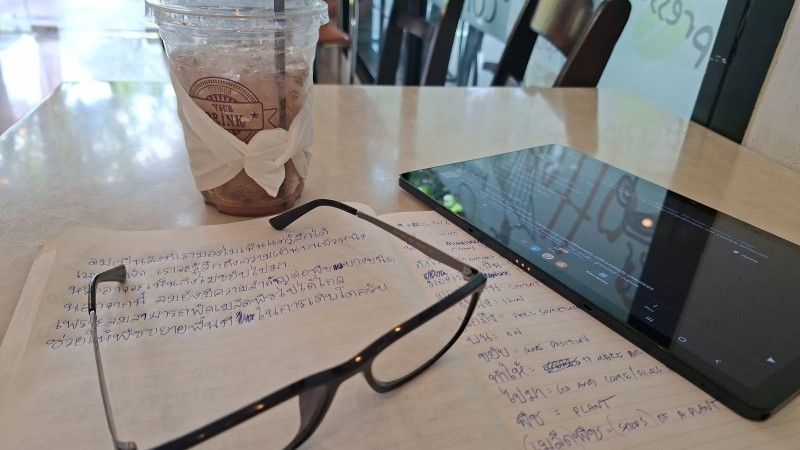
This can’t be said about independent opticians. Their standards all vary slightly. And if you buy a pair of glasses from one, and it later closes down, you’ll have to pay to have them serviced at another location. If you buy your glasses in Bangkok from a chain, you can always take them back to get serviced at no cost. The shop I went to always tightened my frames for me at no cost.

As for hospitals, you usually have to make an appointment or wait in long queues. This is what happened to me when I went to a private hospital for an initial eye exam. I spent half a day waiting for the exam and results, when I could’ve been in and out of a shop in just one hour.
Chains
Eyeglasses chains are everywhere, on every floor of every mall. They’re convenient, usually have English-speaking staff, and offer quality eyeglasses. The downside is that you pay for the convenience and the mall rent in the price of your eyeglasses.
Budget-friendly tip: If you want a free eye exam, just walk into any eyeglass chain in Bangkok. Staff are usually more than happy to provide a free basic vision checkup using the most modern equipment available.
Some of these shops include:
- Top Charoen Optical
- Better Vision
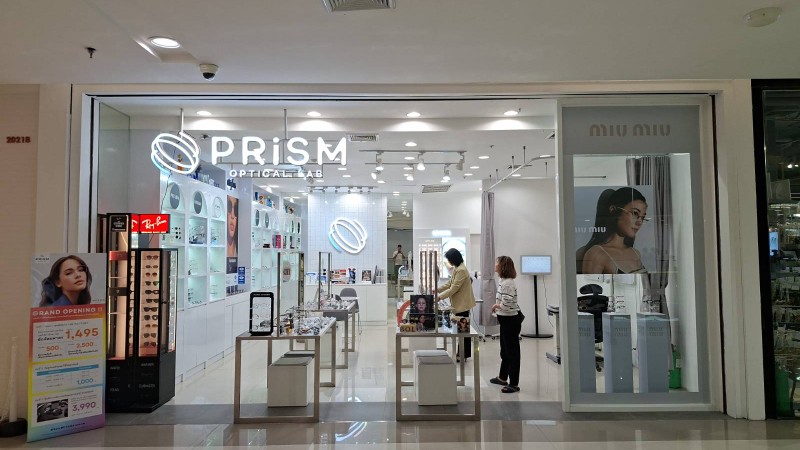
- Prism Optical Lab
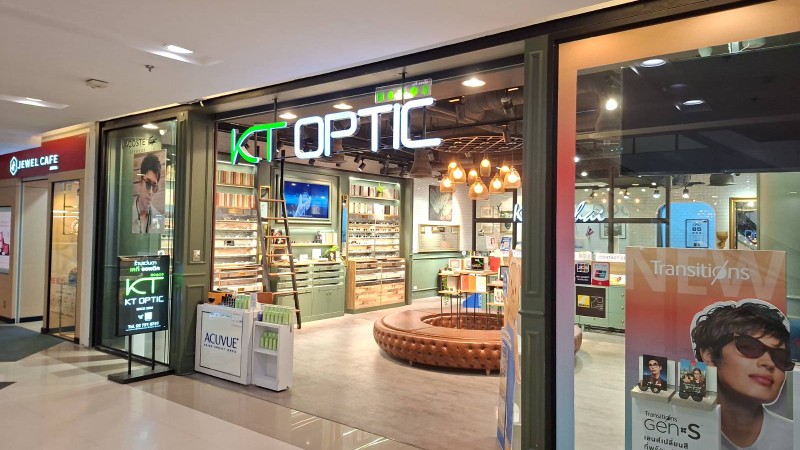
- KT Optic
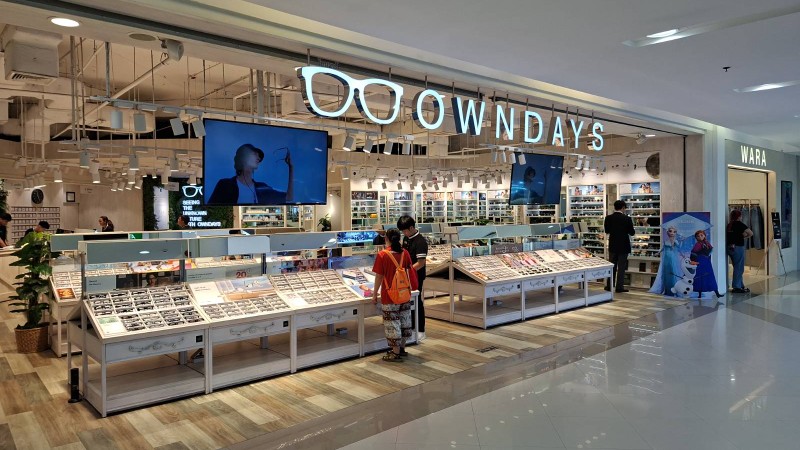
- Owndays
Independent Opticians
Independent opticians are where you can sometimes find better deals, but you need to know where to look. I’ve found some fantastic shops along Sukhumvit Road where the quality matches the chains but the prices are 20 percent to 30 percent lower. Keep in mind that some of these independent shops hire staff who aren’t so fluent in English. Here are some:
- Netr Optic
- Opticland
- Look
There are some downsides to using independent opticians. Some of the lesser established ones can be more expensive, but the quality of frames and lenses won’t be drastically better than those at chains.
Hospitals
Hospital eye centers are your best bet if you have complex vision issues or want a thorough eye exam. I take an eye exam every year when I do my annual health checkup, usually at Thainakarin Hospital. Most private hospitals in Bangkok have excellent optical departments, just expect to pay premium prices. Here are few regarded ones in the expat community:
- Bumrungrad Hospital – Eye Center
- Bangkok Hospital – Ophthalmology Center
- Samitivej Hospital – Eye Center
- BNH Hospital – Eye Department
- Phyathai 2 Hospital – Eye Center
The exams at these hospitals are more comprehensive. They’ll dilate your pupils, check your retinal health, screen for glaucoma, and basically give you a full eye health assessment. This is valuable if you’re over 40 or have family history of eye problems.
The optical departments in these hospitals offer quality frames and lenses as well, but expect to pay 20 percent to 40 percent more than at optical chains. You’re paying for the cost of a using a private hospital and the well-trained doctors.
Using hospitals for eye exams and eyeglasses might not be the best option for your budget though. I know one person who went to a private hospital to get frames and progressive lenses that cost THB26,000. She wasn’t happy with the way the glasses fit, as they never sat correctly on the bridge of her nose. She tried to ask the hospital to fix her glasses, but they wouldn’t do it.
It’s also worth noting that you can get eyeglasses at chains for more less half the price of costs at private hospitals. Another person I know spent THB12,000 at a hospital, only to get eyeglasses that were just as good for THB5,000 a few years later at Owndays.
Local Thai Markets
Thai markets sell more than fruit and vegetables. In fact, they sometimes have kiosks that sell eyeglasses. We have a local market here on Lasalle Road and a man usually shows up a few days a week with outdated eye exam equipment and glasses for general everyday use, like reading books or using the phone. I am not sure if he’s a certified optician, but it seems to me he does good business with the older generation of Thais.
Many of Thailand’s aging population get their glasses from markets because they’re more affordable than hospitals and chains. Keep in mind though that you won’t be able to get customized glasses or special lenses from these kiosks. Basically, you get what they have on hand.
As for costs, you’ll spend a few hundred Thai Baht on a pair of eyeglasses from the market. But because the quality isn’t so great, I wouldn’t recommend going this route.
Top Optical Chains in Bangkok
While searching for the right eyeglasses, I tried many different shops around Bangkok. Here are three shops I found that offer the best customer service, widest selection of eyeglasses, and largest range of prices.
- Top Charoen Optical: Thailand’s biggest chain. You’ll see them everywhere. Top Charoen just partnered with the French luxury brand EssilorLuxottica, which means their range of eye wear will expand. The four-story superstore on Sukhumvit near Nana BTS is well-regarded among expats, although I have never been there. But some of the smaller franchise locations in Bangkok’s malls are just as good.
- KT Optic: Not as flashy as the big chains, but that’s part of their appeal. They offer progressives with all the coatings for about THB2,000 cheaper than Top Charoen. The shop itself is small and modest, but they are in nearly every mall in Bangkok.
- Owndays: A Japanese chain that’s become popular here. They offer budget-friendly yet stylish frames, and basic lenses can often be done the same day. Last time I went, they quoted me a pair of eyeglasses with standard lenses for THB6,000. The staff speaks decent English, and they don’t try to upsell you.
For something more upscale, Paris Miki and Standard Optical cater to the premium market with designer frames and custom lens options. For my needs, I think a mid-tier frames and lenses do the job, so I wouldn’t go out of my way to buy some flashy glasses just for the brand name.
Best Locations for Eyeglasses
If you live in the Sukhumvit area, you’re spoiled for choice. Terminal 21 has several eyeglasses shops on different floors. EmQuartier and Emporium are more upscale if that’s your preference. I personally like Seacon Square in Srinagarindra Road because it’s closer to where I live.
The Siam area is another hotspot. Siam Paragon, CentralWorld, and MBK all have multiple options. MBK is worth mentioning. It’s older and less flashy, but you can find some great deals there. Just be prepared to bargain a bit, and always make sure the brand you’re buying is real and not a knock-off.
Cost of Eyeglasses in Bangkok
The cost of eyeglasses in Bangkok varies because you have to factor in a few different things into the price. First is the quality of the frames and second is the type of lenses. What follows is just a general guideline.
- Basic: for basic frames with standard single-vision lenses, you’re looking at THB1,500 to THB3,000.
- Mid-range: glasses with better frames and upgraded lenses run THB3,000 to THB8,000. This is the sweet spot where I usually look. In fact, my Ray-Ban eyeglasses with standard prescription lenses where THB7,000.
- Premium: frames with high-index lenses and all the coatings cost THB8,000 to THB30,000 or more. Still cheaper than in the West, but they’re not bargains.
- Progressive: these lenses add another THB3,000 to THB15,000 to the overall cost depending on the brand and quality of lenses. My friend’s pair of progressives with Hoya lenses cost about THB12,000 in total, which would have been triple that in the States.
Eye exams are typically free if you go to one of the shops at the mall. The more expensive exams at the hospital tend to be more thorough. But honestly, the free ones at reputable chains are usually enough. In fact, let’s get into what you can expect at an eye exam in Bangkok.
The Eye Examination Process
I chose to have my eye exam done at Prism Optical Lab for no other reason than it was empty at the time. That said, I have noticed all eyeglass shops offer the same basic free eye exam.
I found that the equipment is the most modern available. So you can rest assure knowing you’re getting accurate diagnostics.
The exam usually takes 15 to 30 minutes. They’ll test your vision with those letter charts (with the English alphabet), check your eye pressure, and use an autorefractor to get a baseline reading.
At the better shops, they’ll also check your current glasses, ask about your lifestyle and whether you use computers a lot or drive at night, and recommend lenses based on your needs.
So, bring your current prescription if you have it. While they’ll do a full exam anyway, having your previous numbers helps them understand how your vision has changed. That said, I’ve also just walked in without my glasses and did an exam just fine.
How to Get Eyeglasses: Step-by-Step
When it comes to getting eyeglasses in Bangkok, you can either select your frames and lenses first and then get an eye exam or get the exam first and pick your glasses afterward. That said, this is just a rough guide on each step of the process.
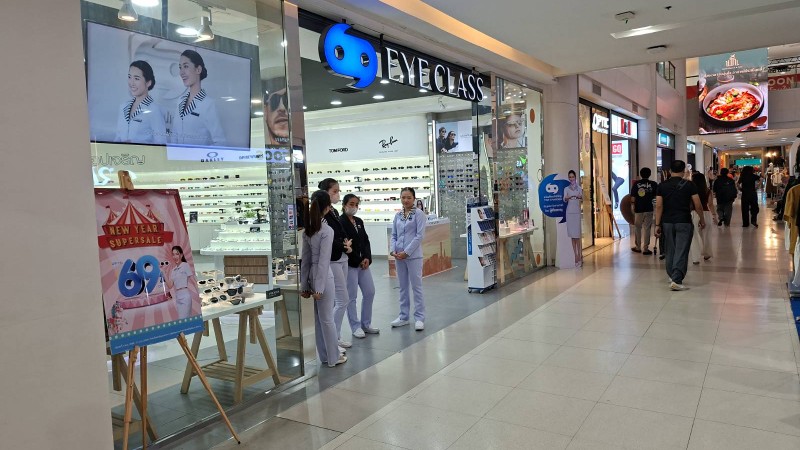
- Walk in: I’ve I’ve found that most shops accept walk-ins. When you arrive, you can browse the shop’s selection of lenses and frames to get an idea of styles and prices before moving on to getting your lenses.
- Get an eye exam: Most eyeglass shops offer free eye exams. Once they test your vision, you can then talk about which kind of lenses you think would be right for your situation.
- Picks your lenses: After the exam they’ll help you select lenses. This is where you need to pay attention. They’ll offer various upgrades: anti-reflective coating, UV protection, blue light filtering, thinner lenses if you have a strong prescription.
- Choose your frames: Once you’ve picked lenses comes the fun part, choosing frames. Try on everything. Ask for opinions. Thai staff tend to be helpful but not pushy, which I appreciate. They also have a real good knack for fashion and can tell you which frames look best on your face.
- Get a quote: After you’re done choosing lenses and frames, get a firm quote before you commit to buying them. Some shops have been known to add extras without clearly explaining the cost.
- Pay for the eyeglasses: When you pay, they’ll give you a pickup date. For simple prescriptions, this might be same-day or next-day. Progressive lenses or complex prescriptions typically take three to five days. Rush service is sometimes available for an extra fee.
It took me just a few hours to go from exam to picking up my lenses, although I didn’t get any fancy add-ons. I just wanted my glasses for reading and working on the computer.
How Long Does it Take to Get Eyeglasses in Bangkok?
This depends on what kind of glasses you get.
Same-day service is possible for basic single-vision lenses with standard coatings. Some shops like Owndays specialize in this. They keep common prescriptions in stock and can cut lenses to fit your frames in an hour or two.
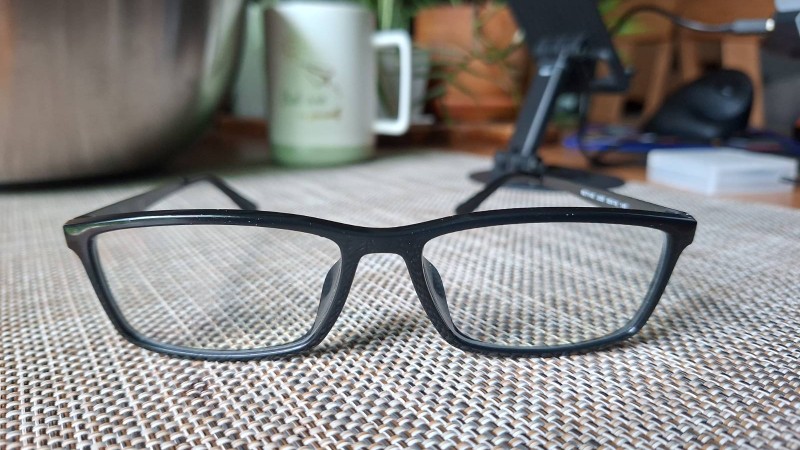
That said, standard processing for most prescriptions takes one to three days. Complex prescriptions like high cylinder corrections, prism, or specialty progressive lenses can take five to seven days. If you’re only in Bangkok briefly, plan accordingly.
Rush service exists but costs extra and isn’t always available.
Health Insurance and Medical Coverage
Health insurance coverage for eye care in Thailand isn’t very popular, although a few of the more premier plans might offer you coverage as an add-on. With Cigna Global, for instance, you might get THB10,000 to THB15,000 in coverage.
If your insurance does cover you for eye care, get all the receipts. Make sure it includes the breakdown of frame cost, lens cost, and exam fee separately. Some insurance companies need this level of detail for claims.
Kids’ Eyeglasses
I’ve got two kids I’m raising in Bangkok, and at one point, I thought my older one needed glasses. I took her to the eyeglasses shop and they did a thorough exam, all for free, and it turned out her vision was fine. She was just sensitive to light.
Needless to say, she didn’t need glasses. But if you have children who do, Bangkok has you covered.
Prepare for mishaps: Buy two pairs of glasses at once for your kids. If they lose or break them, having a backup pair saves everyone stress.
The major chains all have children’s sections with durable frames designed to withstand the abuse that kids dish out. But I’d recommend getting flexible frames with spring hinges. They’ll last longer, saving you money on replacements.
Owndays and Better Vision both have good kids’ selections. Top Charoen does too, though again, quality varies by location.
Repairs and Adjustments
This is one area where Bangkok really has the advantage. Many small, one-person run eyeglasses repair shops along main roads still service eyeglasses. This will save you money as opposed to going to a larger chain to have your glasses serviced.
Keep in mind though, most optical shops offer free adjustments forever if you buy the glasses from them. I’ve found this is standard practice in Thailand with things like eyeglasses and even watches.
The cost of frame repairs depends on what’s broken. Simple fixes like replacing nose pads or tightening screws are usually free or THB50 to THB100. More complex repairs like soldering broken frames or replacing hinges might cost THB200 to THB500.
Lens replacement is straightforward if you kept your frames. Just bring them in with your prescription, and they’ll fit new lenses. This is much cheaper than buying a complete new pair.

Warranty coverage varies by shop. Most offer at least a year on frames. Some high-end places offer lifetime warranties on frame adjustments and minor repairs. But get this in writing when you buy your glasses.
Special Needs Eyewear
Aside from standard eyeglasses, Bangkok eyeglass shops also offer various specialty options.
- Eyeglass shops can make prescription lenses for sports goggles for basketball, soccer, or racquet sports.
- Prescription swimming goggles are harder to find but not impossible to get. Your best bet is asking at the larger chains or hospital optical departments.
- Computer glasses with specific focal lengths optimized for screen distance are becoming more popular in Bangkok. Given how much time we all spend staring at monitors, these make sense. The focal length is shorter than standard reading glasses but longer than regular reading distance.
- Night driving glasses with anti-glare coatings are available, but I’m not sure how effective they really are. What definitely helps is getting anti-reflective coating on your regular glasses.
If you need low-vision aids for severe eye issues, it’s best to go through a private hospital, where you can get a proper exam.
Now, on to You
Buying eyeglasses in Bangkok is one of those tasks that you really don’t want to do but becomes a critical part of your life in Thailand.
Because of that, you don’t want to spend too many days browsing all the available shops, trying on all the frames, and picking from a myriad of lenses.
So use this guide as a starting point. Do most of your research beforehand. Then dedicate just one day to visiting a few eyeglasses shops and asking for prices. Once you find a shop that offers prices in your budget, take a free eye exam.
After that, you’ll be one step closer to seeing Bangkok as you once did.