Costa Rica’s healthcare is high quality and far cheaper than the US, but figuring out the mandatory CAJA system versus private cover is the confusing part. This guide explains what CAJA includes, when you need extra insurance, and how to choose between local INS and international plans.
Health insurance in Costa Rica can feel overwhelming when the whole system works differently from back home. You know you need coverage, but is the mandatory CAJA public insurance enough, or do you need private cover too?
This guide covers what CAJA gives you and when you’ll need extra insurance. It also walks through how to apply for each type of coverage and how to choose between local INS policies and international plans, even if your Spanish isn’t fluent.
Contents
- Key Takeaways
- Overview of Healthcare in Costa Rica
- Health Insurance in Costa Rica Options
- Caja Costarricense de Seguro Social
- Private Health Insurance
- Local Health Insurance vs International Health Insurance
- Choosing the Best Health Insurance Plans
- Application
- Additional Benefits of Health Insurance
- Can I Use Medicare?
- Does US Health Insurance Work in Costa Rica?
- Other Options
- Which Insurance Should I Get?
- Sources Cited
Key Takeaways
- Costa Rica’s universal public system, CAJA, covers residents well and is mandatory, but comes with long waits and mostly Spanish-only service.
- Many expats pair CAJA with private coverage: local INS policies or international plans for faster access to top private hospitals.
- Top private hospitals (CIMA, Clinica Biblica, La Catolica) are JCI-accredited and cluster in San Jose.
- Healthcare costs 2 to 3 times less than in the US for comparable treatment.
- International plans add portability and English service; local INS is cheaper but Costa Rica-focused. There are also hospital “discount plans”.
- Rural clinics handle basics and refer serious cases to city hospitals, so factor coverage and possible evacuation into your choice.
Important Medical and Financial Disclaimer: This ExpatDen guide provides general information about your health insurance options in Costa Rica and should not be considered medical, legal, or financial advice. Before making any insurance or healthcare decisions, consult with licensed healthcare professionals, certified health insurance brokers, and review official government requirements.
Insurance regulations and requirements may change. Always verify current information with official Costa Rican authorities and insurance providers.
Overview of Healthcare in Costa Rica
Costa Rica has a really good healthcare system. The Costa Rican Social Security Fund (Caja Costarricense de Seguro Social), the country’s universal healthcare system, serves over 95 percent of the population as of 2025. The Ministry of Health (Ministerio de Salud) oversees healthcare regulations and policies throughout the country.
Healthcare is also high-quality and affordable. According to the World Health Organization’s most recent World Health Report, Costa Rica’s system has consistently ranked among the top performers in Latin America, though global rankings vary each year. Its overall efficiency is even better than the United States.
You can go to many hospitals in Costa Rica and expect good treatment from qualified doctors in modern facilities. Most of them are in San Jose, the capital.
The top three, Hospital CIMA, Hospital Clinica Biblica, and Hospital Clinica La Catolica, are all in San Jose. They hold international accreditation from organizations such as Joint Commission International (JCI), which means they meet global healthcare quality standards.

Good to Know: Clinics and hospitals in rural areas might not be able to perform complicated procedures. They usually stabilize your condition and send you to a bigger hospital in a city.
Doctors in Costa Rica can generally speak English, but not all hospital staff can. If you can’t speak Spanish, a hospital visit can be a challenge, especially at a public hospital. Many people also complain about how hard it is to make an appointment, which can take several phone calls and long waits.
The good news is the price. Healthcare can cost 2-3 times less in Costa Rica than in the United States, and you can expect similar treatment.
Important Safety Considerations
The U.S. State Department recommends that U.S. citizens get sufficient health insurance coverage before moving to Costa Rica. The CDC also advises that you review vaccination requirements and health precautions for Costa Rica.
Heads Up: In a medical emergency, contact local emergency services (911) immediately. For serious conditions that need specialized care, you may have to be evacuated to another country.
Health Insurance in Costa Rica Options
You have a few options for health insurance in Costa Rica:
- Public health insurance, or CAJA
- International Insurance
- Local health insurance, popularly known as INS
- Travel insurance
Costa Rica also has a unique system called a “discount plan”, where you get a discount at certain hospitals. It isn’t health insurance.
Caja Costarricense de Seguro Social
Caja Costarricense de Seguro Social, or CAJA, is public health insurance in Costa Rica. It’s considered one of the best public health insurance systems in Latin America.
CAJA gives you free medical treatment, including coverage for pre-existing conditions, medication, and even dental and vision.

With CAJA, you can go to local clinics, public hospitals, or Los Equipos Básicos de Atención Integral en Salud (EBAIS), small clinics that focus on checkups and preventative care. Treatment is covered in full as long as a doctor deems it necessary, and medications are free if they’re on the official drug list.
Good to Know: People call CAJA by different names: the national health insurance system, CCSS, social security, and public health insurance.
CAJA is especially popular for retirees in Costa Rica who can’t afford private health insurance.
Who Can Apply for CAJA?
Residents of Costa Rica and work permit holders are required by law to apply for CAJA. Once you get your temporary or permanent resident card, you must register for CAJA right away.
Heads Up: You must keep paying for CAJA, or you won’t be able to renew your resident card.
If you’re self-employed in Costa Rica, you can apply too, under what’s called “asegurado voluntario”, or voluntary insurance.
Application
To apply, go to a Caja Costarricense de Seguro Social office. It’s officially the CCSS office, but many people call it the CAJA office. If you’re employed, your employer handles it on your behalf.
How Much Do You Need to Pay?
CCSS premiums depend on your declared income and residency status.
According to CCSS, SEM (health and maternity) contributions range from 9.25 percent to 12.25 percent of declared income, depending on the category of contributor. IVM (disability, old age, and death) contributions are set at specific percentages based on visa type and employment status.
The only way to know your exact premium is to be interviewed by CAJA staff during the application. Staff reportedly calculate premiums in different ways, so two people declaring the same income might pay different amounts. Tell them your financial situation, with proof, and they’ll come up with a premium they think suits it.
Premiums can change, and proof of CAJA payment is required when you apply for or renew your residency. That’s why you hear about people paying wildly different amounts: a retiree may pay less than US$200 a month, while an investor might pay more than US$700.
Heads Up: Premiums are due every month. If you fail to pay six times, your public insurance is blocked until the remaining balance is paid in full, with interest.
Coverage
CAJA gives you full coverage at public hospitals. Doctor’s fees, hospital fees, surgery fees, and so on are all included.
Medication is free too, but CAJA seems to stock only a few medicines per condition. If the one you need isn’t on the official drug list, you pay out of pocket.
Good to Know: CAJA covers pre-existing conditions. That’s one of its best features, since you can’t easily find this coverage with private health insurance unless you have a special arrangement with them.
Put simply, for whatever illness you have, CAJA will pay your medical expenses in full, most of the time.
Limitations
CAJA is a good public system. If you don’t have much income, you get full health coverage at relatively low premiums. But it has real limitations, and because of them many people buy private insurance and only use CAJA when it’s absolutely necessary.
Hit or Miss Service
CAJA only lets you use the public clinics (EBAIS) and public hospitals in your area. If that place can’t treat you, they refer you to another hospital. In a rural area, finding the right clinic can be a challenge, and you may be limited to small clinics whose doctors and facilities aren’t as good as those in the city.
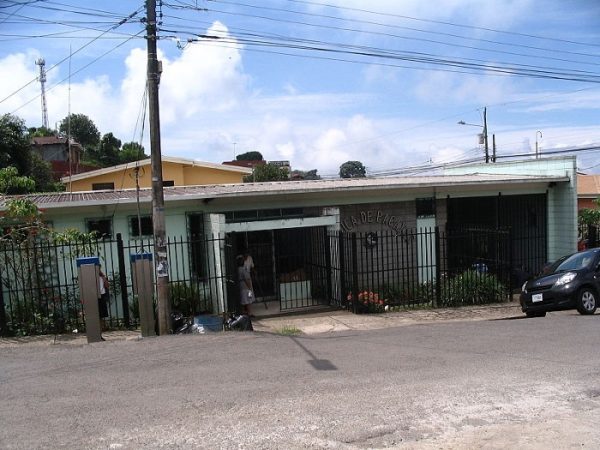
Facilities and doctor expertise also vary between hospitals. You can’t choose your own doctor, so you might be stuck with a location and doctor that aren’t the best for your condition.
If you aren’t sure about the clinics and hospitals in your area, go and check them out yourself, then decide whether you want to be treated there.
CAJA has also been overwhelmed for many years, which has lowered the quality of treatment.
Waiting Period
The system is overwhelmed, so waits are very long. You need to be at your local hospital early in the morning and wait several hours to see a doctor. A simple doctor’s visit can take at least half a day, and surgery can mean waiting many months.
Even if you’re diagnosed with a very aggressive cancer that needs immediate treatment, you may wait many months for all the scans and treatment. That isn’t an option, so in the end you still have to pay for everything out of pocket.
Slow Service
Healthcare in Costa Rica is good, and some US doctors even say it’s better than in the US. The big problem is slow service. Don’t expect anything to run on time. Adjust your mindset, relax, and wait your turn.
Your appointment might be postponed, or you might wait several hours to see your doctor even though you arrived right on time. For something serious that needs urgent treatment, CAJA might not be a good idea.
A user named ExpatDave posted on this forum saying that his friend died because of the slow service:
“This happened to a friend of mine just a few months ago; yes, he actually died due to the horrid treatment he received from the CAJA hospital. By the time he was sent by ambulance to CIMA, a very respectable hospital, it was too late.”
Long Application Process
After you move to Costa Rica, you might not be able to get CAJA until you have residency status, and most people can’t get it during their first year. During that time, you should be self-insured or have private health insurance.
Private Health Insurance
Because of CAJA’s limitations, many people, locals and expats alike, buy private health insurance as extra coverage. Their reasons include:
- They want the best possible treatment and a doctor and hospital of their own choice, not just the ones in their area.
- They want immediate treatment without waiting months or years for surgery and serious diseases. More waiting means more suffering and risk.
- They don’t want to spend more than half a day at the hospital for a simple doctor’s visit. With health insurance, they can go to a private hospital and skip the lines.
- They want to keep the same plan when moving to a new country, since changing plans means no coverage for pre-existing conditions.
- They want a doctor who speaks English fluently.
- They don’t want to deal with CAJA, which can be confusing, especially if you don’t speak Spanish.
Private insurance isn’t for everyone, though:
- It doesn’t cover pre-existing conditions. If you already have an illness like cancer before you apply, you won’t be covered for it.
- Premiums can be expensive, especially if you’re over 60.
In Costa Rica, private insurance comes in two kinds: international health insurance and local health insurance.
Local Health Insurance vs International Health Insurance
International plans win on coverage and portability. Local plans win on price and easy claims.
- Coverage Limit: International health insurance typically offers higher limits than local insurance, usually starting at US$1,000,000 per year, while local insurance typically has a US$200,000 limit.
- Coverage Area: International insurance covers you both inside and outside Costa Rica, and you can keep the same plan if you move out of the country.
- Overall Coverage: International coverage is generally more comprehensive than local. You can expect your treatment costs to be fully covered as long as they fall within your plan.
- Options: There are more than 20 international health insurance providers for expats in Costa Rica.
- Convenience: If you don’t speak Spanish, dealing with a local insurer can be tough, since not all their staff speak English. International insurers always offer English support.
- Claims: Making a claim in Costa Rica is typically easier with local insurance. With international insurance, unless you contact the insurer first, you might need to pay out of pocket and then file a claim.
- Cost: Local insurance is generally cheaper because it covers less. If you are over 60, though, international insurance might be more cost-effective.
In Practice: Because of all this, expats in Costa Rica who buy private health insurance usually go with an international plan.
International Health Insurance
There are various international health insurance choices for expats in Costa Rica. Each provider usually has multiple plans with different coverage amounts, deductibles, and co-pay options.

Our Pick: Cigna Healthcare is a popular option among expats in Costa Rica. It’s not the cheapest, but its plans are comprehensive and should cover everything you need.
With Cigna, the starting coverage for cancer and major illnesses is US$1,000,000, which is sufficient for expats in Costa Rica. Its plans are flexible and customizable, so you can choose coverage based on your needs. You can find out more from our Cigna Healthcare review.
GeoBlue has a solid plan for US citizens. It comes with US coverage, which other providers don’t usually offer unless you upgrade.
If you want a budget plan with acceptable coverage, check out IMG. All of its plans come with OPD coverage and medical evacuation, and it has a wide range of deductibles.
Our expat health insurance comparison lists the best plans for expats in Costa Rica.
Local Health Insurance
Local health insurance in Costa Rica mostly comes from Instituto Nacional de Seguros, or INS for short. It is a state-owned insurer that offers private health insurance plans to ticos and expats alike.

INS is known for budget plans that let you use private medical services in Costa Rica. There are two: a regional plan with Latin America coverage and a global plan with worldwide coverage. Local insurance tends to be cheaper than international, but it covers less.
Heads Up: For everything except surgery fees, you pay 20% of your medical expenses yourself, including medications, doctor’s visits, hospital fees, and checkups. There’s also an age limit of 70 years old.
Like international insurance, INS doesn’t cover your pre-existing conditions. It’s known for low premiums, but it’s reportedly getting more expensive, with steep rate increases as you get older.
A 62-year-old expat reported being quoted US$2,550 a year for the regional plan. International health insurance with 10 times more coverage charged him US$2,085 a year with a US$5,000 deductible, or US$3,500 a year with co-pays.
Local insurance is only available if you live in Costa Rica. If you move to a new country, you need a new plan, and you won’t be covered for certain illnesses you may develop during the year.
Insurance Regulation and Oversight
Private insurance in Costa Rica is regulated by the Superintendencia General de Seguros (SUGESE), which oversees insurers’ operations and consumer protection.
International providers must comply with specific regulations when operating in Costa Rica. If you ever need to complain about an insurance issue, you’d file it with SUGESE.

Weighing an international plan? Carsten Creutzburg is an independent insurance broker with more than 25 years of experience advising expats. Tell him where you live and what you need, and he’ll send you up to three quotes from insurers such as Cigna Global, William Russell, IMG and Now Health. His advice is free. Get free quotes from Carsten (Sponsored)
Choosing the Best Health Insurance Plans
When you pick a private plan, premiums shouldn’t necessarily be your first priority. Ask yourself:
- Is the coverage suitable for your needs?
- Is it easy to make a claim?
- Will the insurance company refuse to pay if you contract a serious disease?
- Is the insurance company reliable?
- Are there any additional services provided by the insurance provider?
Coverage
Health insurance usually covers:
- Hospital expenses
- Doctor’s fees
- Surgical fees
- Hospital rooms
- Medication
- ICU
- Medical evacuation (varies between providers)
Depending on your plan and provider, international health insurance may cap what it pays for certain things, such as:
- Scans
- Rehabilitation
- Accident and emergency room treatment
- Home nursing
- Alternative treatment (eg. Chinese medicine and acupuncture)
Good to Know: These caps usually aren’t a problem in Costa Rica. Cigna Healthcare, for example, has a US$10,000 limit on CT scans, which is more than enough even at Clinica Biblica, the leading private hospital in Costa Rica, which charges around US$1,100 for the scan.
Medical Evacuation
Medical evacuation is one of the highest medical expenses in Costa Rica. Major hospitals are mostly in San José, so if you need to get there from a remote area, this coverage can be a lifesaver.
Tip: Make sure your health insurance plan includes medical evacuation coverage. We highly recommend it when you live in Costa Rica.
Optional Coverage
Optional coverage varies between providers. The main option is outpatient treatment, and if you plan to get treatment in Costa Rica, paying for outpatient care out of pocket can be more affordable.
Good to Know: Dental cover (when visiting a dentist) and vision cover cost extra unless it’s an emergency. If you accidentally break a tooth, the insurance company will pay for it. For a root canal on a decayed tooth, it won’t pay unless you buy dental coverage.
Exclusion
Some conditions might be excluded from coverage. The biggest exclusion in private health insurance is pre-existing conditions. If you have an ongoing condition before getting insurance, you probably won’t be covered for it, and that usually includes things like diabetes, cancer, and asthma.
Providers define pre-existing conditions differently. If you haven’t had symptoms for at least three years, some may say it’s no longer a pre-existing condition and pay if symptoms reappear in the future. Others may list it as pre-existing forever.

Heads Up: Pick a suitable provider from the get-go and stick with it. If you develop an illness while your health insurance is active, the insurance company keeps paying for it. If you change providers later, that illness might be considered pre-existing and excluded, or they may increase your premium to cover it.
Other exclusions are risky activities such as extreme sports, alcohol, drugs, disasters, wars, and STDs. You can find out more about health insurance exclusions here.
Waiting Period
Some conditions, including pregnancy, might not be covered right after you buy a plan. You have to wait a while first.
COVID-19 is a good example. It may come with a 15-day waiting period, which means you won’t be covered for it until 15 days after you get your insurance. Waiting periods differ between providers and diseases, and some providers have no waiting period for COVID-19 at all.
Prior Authorization
For non-urgent treatment that costs a lot, such as surgery, you might need to contact your insurer first. They’ll tell you which hospitals you can go to and coordinate with them on your behalf.
We haven’t heard of cases being rejected at this stage, and it’s commonly required by private health insurers everywhere. It also saves you from working out where to go and what to do next, which can be hard in Costa Rica’s bureaucratic system.
Heads Up: If you don’t contact your insurer in advance, it might not reimburse you.
Co-Pay and Deductible
Co-pays and deductibles are a good way to lower your premiums. The higher the co-pay or the deductible, the lower your premium will be.
A co-pay is basically a flat fee you pay every time you make a claim. A deductible is the amount you pay before your insurance starts paying. If your deductible is US$2,000, you pay the first US$2,000 out of pocket and the insurer pays the rest during that coverage period, as long as it’s under the coverage limits.
In Practice: To keep premiums down, many expats in Costa Rica choose an international plan with a deductible. They want insurance mainly to protect themselves against expensive diseases, and for a common illness they just pay for it themselves.
Premiums
Premiums are what you pay for your health insurance per year, quarter, or month. The amount differs from person to person. Besides the provider, plan, co-pay, and deductible, age is another important factor: the older you are, the higher your premium will be.
Application
Applying for private health insurance is straightforward. Once you’ve chosen your plan and options, you answer a long questionnaire about your health and medical history.
Heads Up: Answer the questionnaire as accurately as possible and don’t lie. Otherwise, the insurer can cancel your plan outright without paying your claims.
Broker or Insurance Company?
There’s no difference in plan or price between buying health insurance through a broker and buying from the insurance company directly. The main difference is that a broker lets you compare plans from several providers at once, which you can’t do by contacting one insurer.

There are a lot of insurance brokers for expats in Costa Rica. One of them is International Citizens Insurance. They have a lot of international health insurance plans for expats, and they can give you advice and find a plan that suits your needs.
Additional Benefits of Health Insurance
Many people don’t want health insurance because they don’t want to pay the premiums, which can be expensive, especially for retirees. They feel like they’re throwing money away without getting anything in return.
Still, there’s another group of people that always keeps health insurance, and in a country like Costa Rica the benefits are real.
Financial Control
The first benefit is control over your healthcare costs. You know how much you’ll pay for medical expenses each month, and if something serious happens, it won’t break the bank.
For common illnesses, you can pay out of pocket in Costa Rica. It’s affordable and much cheaper than in many countries, including the United States. Expect to pay around US$80 to US$120 per visit to a specialist at a private hospital.
Heads Up: Costs can quickly add up for more serious treatment. An overnight stay at the hospital for a serious case can cost US$5,000, and that doesn’t include the medical examination, the doctor’s fee, and hospital expenses.
Better Treatment, Especially in an Emergency Situation
The law requires all hospitals and clinics to accept everyone in an emergency, but “emergency” usually means “life or death”. If you’re not in a life or death situation, the hospital might not treat you until you pay a security deposit in cash or by credit card.
Based on many expats’ experience with emergency treatment in Costa Rica, the “emergency” treatment is free and available to everyone, but it is slow and not great.
Someone cut his finger accidentally and was bleeding badly, so he went to a public hospital. He waited a long time until someone showed up just to wrap his finger, and he had to pay US$85 for that. Since it wasn’t a life or death situation, it wasn’t free.
Heads Up: If you pay for treatment yourself without insurance, hospitals in Costa Rica usually ask for a security deposit first. Depending on the case, it can run from a few hundred dollars to over US$7,000, and it’s returned after your medical expenses have been deducted.
Early Detection of Serious Illness
The last main benefit is that you worry less about the cost, so you’re more likely to see a doctor when something is wrong and catch major illnesses early. Without health insurance, we often don’t go to the doctor right away. Instead, we hope we’ll get better without wasting time and money.

Sometimes, though, that sickness turns into something serious. With health insurance, we can visit a premium private hospital right away without a second thought. That gives the doctor the chance to detect health problems before they develop, and without early detection, recovery takes much longer and costs more.
Can I Use Medicare?
If you hold national insurance like Medicare for US citizens, you can’t use it in Costa Rica. To use it, you need to fly back to your home country.
That’s an option, but not a good one for emergencies. Air medical service is also very expensive, so you probably don’t want to pay for it out of pocket.
Medicare, VA Benefits and TRICARE for US Retirees
The VA Foreign Medical Program and TRICARE For Life can pay for care in Costa Rica, within limits. Original Medicare only pays outside the US in three narrow situations, all tied to being in or passing through the US, so living here isn’t one of them.
- Medicare and Medigap: Medicare drug plans can’t cover medicine you buy outside the US either. Most Medigap plans (including C, D, F, G, M and N) add foreign travel emergency cover: 80% of billed charges for emergency care after a US$250 yearly deductible, up to US$50,000 over your lifetime. It only applies to emergencies that start in the first 60 days of a trip, so it won’t help once you live here.
- VA Foreign Medical Program (FMP): the VA pays for medically necessary care abroad only if it’s for a VA-rated service-connected condition, a condition the VA decides makes that disability worse, or care during its Veteran Readiness and Employment program. You can see any licensed provider in Costa Rica. Download your FMP benefits letter from your VA.gov account, which lists your covered conditions, and give it to the provider so they can file the claim. If they won’t, you can file it yourself. The FMP office has a toll-free number in Costa Rica: 0800-013-0759.
- TRICARE For Life: TRICARE-eligible military retirees with Medicare Part A and Part B are covered worldwide, with no enrollment fee. In Costa Rica, TRICARE pays first and you pay TRICARE’s yearly deductible and cost-shares. You must keep Medicare Part B to stay eligible, even though Medicare pays nothing here, and its premiums still apply. It doesn’t cover your family members.
Heads Up: None of these replaces CAJA. As a resident you still have to join CAJA and keep paying, or you can’t renew your residency card. FMP covers a narrow set of conditions, so everything else falls to CAJA or a private plan.
We’d treat VA and TRICARE as a top-up: CAJA as the base, plus private insurance if you want quicker access to private hospitals.
Does US Health Insurance Work in Costa Rica?
Health insurance from the US mostly only works in the US, and that includes Medicaid and Medicare. The exception is a plan that comes with international health coverage.
Some expat plans, such as GeoBlue, cover your treatment in the US. You can’t get one while you’re living in the US, though. It only pays when you’re there on a temporary visit.
Other Options
Besides public and private health insurance, you have a few other options.
Travel Insurance
Travel insurance includes health coverage plus travel-related cover such as lost baggage, flight delays, and theft. You can’t expect it to be as comprehensive as regular health insurance, though. Generally it has these limitations:
- It only covers health problems that happen while traveling, such as accidents, common colds, and diarrhea. It won’t cover cancer, diabetes, or any other chronic disease you may have.
- The longest coverage period you can get is around 6 to 9 months.
- The number of times you can see a doctor and still be covered is limited.
- For serious cases, they might fly you home and hand you over to your local insurance in your home country.
- You usually have to pay for treatment first and claim later.
Good to Know: Travel insurance can work for your first few months in Costa Rica, while you’re still deciding which insurance to get. After that, get a normal health insurance plan.
SafetyWings is a popular option. It’s affordable, but all of its plans come with a US$250 deductible.
Discount Plan
A discount plan is like a hospital membership card. You pay an annual membership fee and get a discount when visiting that hospital and the other clinics in its network.

MediSmart, provided by Hospital Metropolitan, is a good example. It gives you a 40%-80% discount on literally every medical service from Hospital Metropolitan and its affiliates. The price and discount depend on your age: the older you are, the more it costs, and you might get a lower discount as well.
Discount plans are in theory available to everyone, but because of the payment options they can end up limited to residents. Sometimes bank account direct debit is the only payment method, and only a resident can open a bank account in Costa Rica.
Discount plans also have some limitations:
- You can only get a discount at certain hospitals.
- Depending on the hospital, a specialist might not always be available. In some cases, you can only see general practitioners, and you can’t choose your own doctor.
- Appointments are a chore. You might need to make several phone calls or wait a very long time, and some receptionists can’t speak English.
Before You Go: Visit a hospital near where you live and find out whether it has a discount plan. Make sure that hospital and its network offer good treatment, good service, and modern facilities, since you’ll be with them for at least a year.
Which Insurance Should I Get?
There’s no definite answer. It depends on your lifestyle, the treatment you expect to need, and your budget. Here’s how the options line up:
- CAJA (public): if you don’t mind waiting and are okay with visiting public medical facilities in Costa Rica.
- Local insurance: if you’re on a tight budget, want some access to private medical facilities, and only plan to get treatment in Costa Rica. You can also use a mix of local insurance and CAJA.
- International insurance: if you mainly want private hospitals, comprehensive health coverage, international coverage, and a plan that stays with you wherever you go.
Our Pick: If you go international, we recommend Cigna Healthcare.
Disclaimer
Please note that we do not work in the insurance industry and are not insurance brokers. The article is written based on research and input from experts in this industry. While we try our best to make it as accurate and as in-depth as possible, mistakes may still happen. You should double-check the information with your insurance provider before buying any health insurance plan.
Sources Cited
- Caja Costarricense de Seguro Social (CCSS): the contribution rules for the Seguro de Enfermedad y Maternidad, set out in the Reglamento del Seguro de Salud.
- Medicare.gov, Medicare Coverage Outside the United States: the three situations Medicare pays abroad, no drug coverage abroad, Medigap foreign travel emergency cover (80%, US$250 deductible, US$50,000 lifetime, first 60 days of a trip).
- VA.gov, Foreign Medical Program: service-connected eligibility, any licensed provider, FMP benefits letter and claims, Costa Rica toll-free number.
- TRICARE, TRICARE For Life: worldwide coverage, TRICARE pays first overseas with deductible and cost-shares, Medicare Part B required, no family coverage.