
This article will take approximately 26 minutes to read. Don't have the time right now? No worries. Email the ad-free version of the article to yourself and read it later!
Mexican pharmacies stock most medications at a fraction of U.S. prices, and prescriptions are required only for antibiotics and controlled substances. Here is what you need to know before buying.
Mexico is the world’s 15th largest consumer of pharmaceutical drugs. Drugstores, almost as ubiquitous as Oxxos (Mexico’s equivalent to 7-11), allow the purchase of most medications without an official prescription.
About 400 laboratories in the country manufacture pharmaceuticals, with 20 of the world’s top 25 pharmaceutical companies maintaining a local manufacturing presence. The U.S. is Mexico’s largest supplier of foreign-made medications, exporting approximately US$875 million per year in pharmaceuticals.
If you plan to live or spend extended time in Mexico, understanding how Mexican drugstores operate can be beneficial when you feel under the weather. Here are some basic tips and insights on dealing with drugstores in Mexico.
In addition to buying pills, you can also use Air Doctor to book an appointment with an English-speaking doctor, either online or at a nearby clinic. It’s a great option if you want to talk to a real doctor before taking any medication or need a prescription tailored to your condition.
Key Takeaways
- Most medications in Mexico, including chronic-disease drugs like insulin, metformin, and statins, are available without a prescription and cost 50 to 80 percent less than in the U.S.
- Antibiotics and controlled substances (opioids, benzodiazepines, stimulants) legally require a Mexican prescription, and enforcement has tightened in recent years.
- Over 90 percent of medications sold in Mexico are generics that must pass COFEPRIS bioequivalence testing before going on sale.
- The most reliable pharmacies are nationwide chains such as Farmacias del Ahorro, Farmacias Similares, Farmacias Guadalajara, and Farmacia San Pablo, plus in-store pharmacies at Walmart and Costco.
- Walk-in clinics attached to pharmacy buildings can issue Mexican prescriptions for a small fee, making it straightforward to obtain antibiotics or other regulated medications legally.
- When returning to the U.S., you must declare medications at customs; bringing a controlled substance purchased in Mexico across the border is prohibited regardless of documentation.
- Online pharmacies such as Prixz, Farmasmart, and the digital stores of major chains offer home delivery throughout Mexico, with prescription verification handled via app or WhatsApp.
How Drugstores in Mexico Operate
Drugstores are an important part of the healthcare system in Mexico.
Mexican drugstore practices vary widely, with some adhering to strict corporate rules requiring comprehensive documentation for every sale, while others may dispense almost any medication with a persuasive request and sufficient cash.
There are two main types of drugstores in Mexico: smaller, independently owned ones and larger drugstore franchises.
Smaller Drugstores
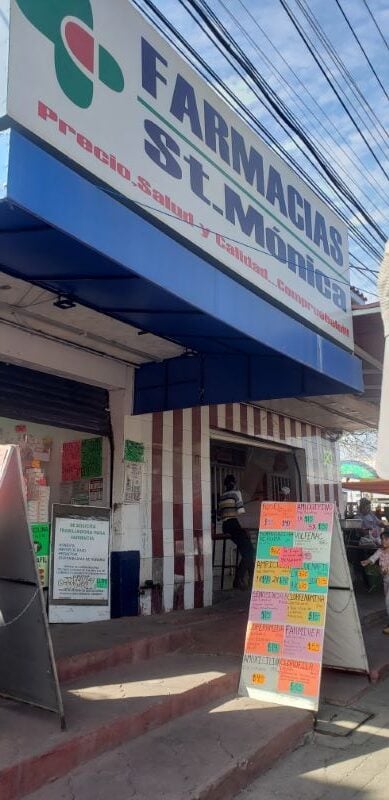
Smaller drugstores, often opened by wealthy individuals and sometimes run as a family business, are commonly found interspersed with other small businesses in commercial areas. Their prices are usually slightly higher than those in larger chains.
Drugstore Franchises
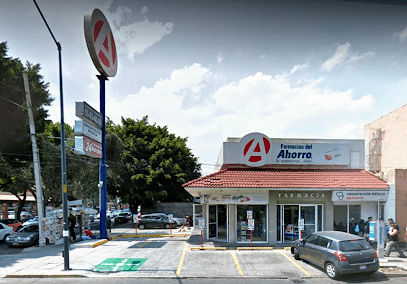
Drugstore franchises are typically large and prominent. They are often located in malls, on busy street corners, or in residential areas as standalone buildings.
Legal Regulations on Drugstores in Mexico
Legal regulations only require drugstores selling controlled substances to have a Mexico’s biological and pharmaceutical chemistry graduate (QFB)on site for a few hours each week.
About a third of Mexico’s drugstores employ a full-time QFB. These certified professionals must complete a five-year degree program and pass COFEPRIS certification exams covering pharmacology, drug interactions, and Mexican pharmaceutical law.
QFBs must also be on hand when medications that are classified as controlled substances are given to customers. They also manage the storage of temperature-sensitive medications.
According to Mexico’s Ministry of Health, pharmacy license requirements vary by state, but all pharmacies must keep updated inventories of controlled substances they carry and report them to COFEPRIS quarterly.

Safety Guidelines for Buying Medications in Mexico
The Centers for Disease Control and Prevention (CDC) flags a handful of real risks when you buy medication abroad: counterfeit drugs, substandard manufacturing, and products the FDA has never approved. Its advice is blunt, bring enough of your own prescription medication from home to cover the whole trip.
The U.S. Embassy in Mexico has gone further, issuing health alerts about contaminated and counterfeit medications turning up in some pharmacies, mainly the ones near border areas that cater to tourists. A fake pill can carry the wrong dose or an outright dangerous substance.
Whichever pharmacy you use, run through these checks before you buy:
- Check for COFEPRIS registration: legitimate pharmacies display their registration number where you can see it.
- Inspect the packaging: real Mexican medications come with tamper-proof seals and clear labeling.
- Skip anything poorly labeled: every legal medication shows an expiration date, batch number, and manufacturer.
- Be wary of a price that’s too good: if one pharmacy is far cheaper than the rest, the pills may be counterfeit.
- Ask a professional first: talk to a doctor or pharmacist before trying a new medication. If you lack coverage, see our tips for getting medical treatment in Mexico without insurance.
The FDA adds a warning of its own: bringing unapproved drugs back into the U.S. carries real health risks, since they’ve never gone through the safety and efficacy testing that U.S.-approved medications must pass.
Mexico Vs. US Prices
You can save a lot of money when buying prescriptions in Mexico as opposed to the U.S., a welcome factor given the overall cost of living in Mexico. Here are typical costs as of 2026:
Diabetes Medications:
- Insulin (generic): approximately MXN 440 to 700 (US$25 to US$40) in Mexico vs. US$250 to US$300 in the U.S.
- Metformin: approximately MXN 210 (US$12) in Mexico vs. US$85 in the U.S.
Cardiovascular Medications:
- Lisinopril (30 tablets): approximately MXN 140 (US$8) in Mexico vs. US$45 in the U.S.
- Atorvastatin: approximately MXN 260 (US$15) in Mexico vs. US$120 in the U.S.
Because chronic-disease medications are one of the biggest recurring costs for older expats, many retirees factor pharmacy savings into their broader search for health insurance for retirees in Mexico that also covers ongoing prescriptions.
Other Common Medications:
- Generic Viagra (sildenafil): approximately MXN 35 to 70 (US$2 to US$4) per pill in Mexico vs. US$70 in the U.S.
- Omeprazole: approximately MXN 105 (US$6) in Mexico vs. US$35 in the U.S.
- Tramadol: approximately MXN 175 (US$10) in Mexico vs. US$60 in the U.S.
Peso figures above use an August 2026 rate of roughly MXN 17.5 to US$1; the peso has strengthened from the MXN 18 to 19 range seen earlier in the year.
Keep in mind that prices vary between pharmacies, and tourist locations near borders often charge 20 to 30 percent more than local pharmacies. The most significant savings typically come from chronic medications that you’d purchase regularly, where the price difference can save hundreds or thousands of dollars every year.
If you carry private coverage, check with your insurer first: pharmacy costs are handled differently across insurance companies in Mexico, and some private plans only reimburse medications bought against a full Mexican prescription.
Do You Need a Prescription?
In most of Mexico, prescriptions are strictly enforced only for antibiotics and controlled narcotics known to cause dependencies, such as opioids and some sleep and anti-anxiety medications.
The prescription must also be stamped and kept on file by the pharmacy, and while antibiotics do not require the separate control book that narcotics and psychotropics do, a doctor’s prescription is still mandatory to buy them legally.
If you encounter a drugstore willing to sell addictive pharmaceuticals, like Oxycodone, Percocet, Xanax, Ativan, etc., without a prescription, you should approach both the store and the drugs with a healthy dose of skepticism. It’s technically required to show a prescription when purchasing antibiotics, even for common antibiotics such as amoxicillin.
However, some smaller drugstores may still sell them over the counter.
There are also many medications requiring prescriptions in other countries that Mexico doesn’t regulate heavily, including:
- Pain relief medications like Tramadol
- SSRIs and other antidepressants such as Wellbutrin and Celexa
- High blood pressure medications like Atenolol and Lisinopril
- Cholesterol-reducing medications like Simvastatin
- Insulin and other diabetes medications
- Digestive medications like Omeprazole
- Medications that treat erectile dysfunction, such as Viagra
- Birth control pills
- Corticosteroids like Prednisone
- Anti-parasitic medications like Ivermectin
Of course, vitamins, supplements, and other generally over-the-counter medications are readily available without paperwork at any Mexican drugstore.
For prescription medications classified as controlled substances, Mexican law states that you must submit specific documents:
- Your full name and address
- Prescribing physician’s COFEPRIS registration number
- Diagnosis code
- Exact medication strength and quantity,
All of this info must be written on anti-fraud security paper. Pharmacies must keep these records for five years and make them available for inspection.
How to Get a Prescription in Mexico
If you need to refill a medication for which you have a prescription from another country, you can bring your foreign prescription or empty pill bottle to a doctor in Mexico. They will review it and write you a valid Mexican prescription for a small fee.
If you don’t have a foreign prescription or pill bottle, it’s easy to arrange a medical consultation with a general practitioner or specialist (including through IMSS if you are enrolled) to have your case reviewed and the right medication prescribed. You can also explain your problem to the medical professional in the walk-in clinic attached to a drugstore, and they will typically issue you a prescription that you can fill in the store.
This method is effective for obtaining antibiotics but less so for acquiring opioids and other addictive pharmaceuticals. Controlled substances like these are difficult to obtain in Mexico, and you can usually only purchase them legally with a prescription from an authorized doctor at a licensed drugstore linked to a private hospital.
If you want to find more about this topic, check out our exclusive article on How to Buy a Prescription Drug from Mexico.
Telemedicine: Getting a Valid Prescription Without Visiting a Pharmacy Clinic
As of January 15, 2026, Mexico updated its Ley General de Salud to formally recognize telemedicine, so a video call with a doctor now carries the same weight as an in-person visit. Apps like Doctoralia make it simple: book a video consult with a COFEPRIS-registered doctor, and if you need one, you come away with a valid electronic prescription.
There’s some fine print, but nothing complicated. The prescription has to be signed with the doctor’s e.firma (their official digital signature), and it’s cross-checked in pharmacy systems so the same script can’t be filled twice. Any participating pharmacy can fill it, including the apps for the big chains.
This isn’t the same as texting a doctor on WhatsApp. A casual chat doesn’t create the clinical paperwork behind the scenes, so pharmacies aren’t obligated to honor anything that comes out of it. Telemedicine also won’t get you a Group I narcotic; those still require the special barcode prescription form. It works best for antibiotics, renewing a chronic medication, or Group III psychotropics like benzodiazepines.
So if you’re renewing a regular prescription or need antibiotics for something routine, a video consult is a solid shortcut. No waiting at a walk-in clinic, no leaving your apartment. Price-wise you’re usually looking at about the same as an in-person consultorio visit, sometimes less.
Brand-Name or Generic Medicine?
According to Mexico’s Secretary of Economy Tatiana Clouthier, over 90% of all medications sold in the country are generic. The widespread availability of non-branded medicine helps ensure low-income and rural communities can afford the treatments they need.
Since 2010, all generic medications sold legally in Mexico must undergo rigorous bioequivalence testing.
As a result, the popular generic drugstore franchise Farmacias Similares invested millions of dollars to test their entire lineup, with other manufacturers quickly following suit.
Today, Mexico’s Federal Committee for Protection from Sanitary Risks (COFEPRIS), responsible for overseeing compliance with medical laws, certifies that most generic medications have received bioequivalence approval for quality and dosage, differing only in minor aspects such as shape, color, and packaging.
In 2022, the Mexican government amended its General Health Law to require that all medical prescriptions, marketing, and other references use the generic name when referring to a medication, rather than a specific brand name.
This practice, endorsed by the World Health Organization (WHO), makes most local medications much more affordable than their equivalents in the U.S. However, imported pharmaceuticals are often slightly more expensive than in the U.S.
Good to know: Medications in Mexico are typically prepackaged in neat little boxes, with pills individually sealed in blister packs instead of in plastic bottles.
The Fentanyl-Laced Counterfeit Pill Problem at Tourist Pharmacies
The U.S. State Department has warned that pills sold as OxyContin, Percocet, Xanax, or Adderall at some pharmacies in Mexico have tested positive for fentanyl, methamphetamine, or heroin instead of what’s on the label. That’s a different, more serious risk than an expired or slightly substandard generic. A single counterfeit pill can carry a lethal dose of fentanyl.
A UCLA-led study tested this directly at 40 pharmacies across four cities in northern Mexico. Sixty-eight percent sold at least one controlled substance without asking for a prescription. Of 45 pills the researchers bought and lab-tested, 8 sold as oxycodone actually contained fentanyl, 3 more contained heroin, and 9 sold as Adderall contained methamphetamine instead.
The pattern clusters at small, non-chain pharmacies in border towns and resort strips such as Playa del Carmen and Tulum, especially ones advertising in English or pushing “no prescription needed” to tourists. It’s not typical of the nationwide chains covered elsewhere in this guide.
Never buy loose, unlabeled pills; stick to sealed, properly packaged medication from a COFEPRIS-registered pharmacy. Treat any pharmacy offering Xanax, Percocet, or similar controlled drugs over the counter as a red flag, not a convenience. And if you genuinely need an opioid or benzodiazepine prescription, get it through the consultorio system at a major chain, not a street-front pharmacy near a border crossing or cruise port.
How to Find a Trustworthy Drugstore in Mexico
In general, the most trustworthy Mexican drugstores are the nationwide franchises, as they are the most highly regulated and supervised.
You can usually trust the pharmacy sections in large department stores like Walmart and Costco.
If you want a local recommendation, you can ask any independent general practitioner in town which drugstores they consider reliable.
You can also ask your health insurance provider.
Try to avoid tourist-oriented drugstores that push popular American pharmaceuticals like Viagra and Vicodin with blatant English marketing.
Here are a few of the most trustworthy drugstores in Mexico:

- Farmacias del Ahorro, established in 1991, now operates close to 2,000 locations across Mexico, with roughly 200 more openings planned in 2026.
- Farmacias Benavides remains part of Walgreens Boots Alliance’s Mexico portfolio, but WBA itself went private on August 28, 2025, after being acquired by Sycamore Partners and delisted from Nasdaq. The ’global reliability’ now traces back to a private equity-owned parent rather than a publicly traded multinational.
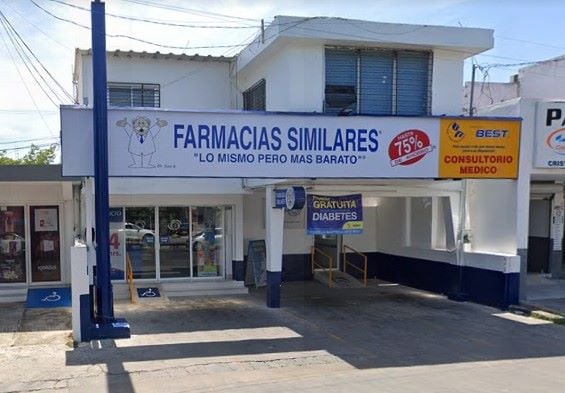
- Farmacias Similares has expanded well beyond Mexico and Chile, adding Colombia (2024), the United States (2025), and Japan (2026). Store-count figures vary by source (roughly 4,500 to 9,600 depending on whether affiliated clinics are counted), so treat any single total as approximate. It offers a 25% discount on all items every Monday.
- Farmacias Guadalajara, also known as Super Farmacia, now has more than 2,700 SuperFarmacia locations in over 480 cities across all 32 Mexican states, and still offers around-the-clock home delivery.
- Farmacia San Pablo has grown to more than 600 branches nationwide, well beyond Mexico City, Queretaro, and Puebla, and remains family-owned by the Perez Fayad family.
You’ll find similar pricing in most of the above drugstores, with the exception of Farmacias del Ahorro and Farmacias Similares.
Farmacias del Ahorro sells a line of generic medications that are cheaper than the brand-name drugs found in most other franchises, and the generics sold by Farmacias Similares are known for being the most affordable drugs available.
The Best Online Drugstores in Mexico
Some trustworthy physical drugstores also have strong online presences, while some of Mexico’s best digital drugstores are exclusively online. Major online shopping platforms in Mexico, including Amazon and Mercado Libre, also carry medications from licensed pharmacy partners.
Here are a few of Mexico’s most reliable online drugstores:
Prixz is known as Mexico’s largest online-only drugstore franchise. It has expanded its online presence through partnerships with online retailers like Amazon, Mercado Libre, and Cornershop, as well as delivery apps like Rappi.
Its AI-based compliance feature allows you to scan and verify your prescription, enabling Prixz to deliver most prescribed medications to your doorstep. Required information includes the prescribing doctor’s name, institution of origin, specialty, and identification number, as well as the drug’s name, dosage, and formula. Prescriptions for antibiotics require a digital signature, while other controlled medications have stricter signature requirements.
In addition to Prixz, there are many reputable online drug stores in Mexico including:
- Farmasmart offers over 15,000 medical products online in nearly 20 categories, including antivirals, cardiovascular medications, and contraceptives. You can enter your shipping details for home deliveries or pick up your products at a nearby physical location.
- Farmacias del Ahorro’s online presence includes a rewards system called “Monedero del Ahorro” that gives you in-store credit every time you buy a participating product on its app or website.
- Farmacias Similares’ online store provides home deliveries for most medications in its generic lineup. It also partners with Amazon and Mercado Libre, offering exclusive online deals on certain presentations and flavors of its medications.
- Farmacias Benavides offers free shipping for orders placed on its website. You can also order medications from Benavides using popular delivery apps like UberEats and Rappi for quicker home deliveries.
- Farmacia San Pablo has a mobile app for an online purchase.
Walk-in Clinic within Drugstores
In Mexico, there are no specific laws about who can open or own a drugstore. However, laws do prohibit physicians from practicing or prescribing inside one.
To circumvent these laws, many drugstores form arrangements with nearby clinics or individual practices to refer patients. Numerous drugstores also feature a walk-in clinic in a small, attached building on the same property, with a distinctly separate entrance.
These clinics can assess your condition and prescribe necessary medications inexpensively, despite any potential conflicts of interest. Consultations at the pharmacy-adjacent consultorio are free at Farmacias del Ahorro, and run roughly MXN 70 to 85 (about US$4 to US$5, higher on Sundays, holidays, and nights) at Farmacias Similares and Benavides.
Good to know: Most clerks at Mexican drugstores lack significant clinical expertise, though they typically have access to comprehensive prescription drug manuals like the Physician’s Desk Reference. Some clerks are very knowledgeable and offer reliable recommendations, while others may not differentiate between aspirin and acetaminophen.
Want cover for more than a pharmacy visit? Cigna Global covers expats in more than 200 countries and territories, with a network of over 2.4 million hospitals and health professionals. Customer service runs 24/7, and a quote takes about 2 minutes. Get a free Cigna quote (Sponsored)
Can You Bring Medications Back into the U.S.?
If you have any prescription medications with you while crossing back into the U.S., you’ll need to declare them at customs.
This also applies to medications that are controlled in the U.S. but not in Mexico. If a border agent finds an undeclared controlled medication in your luggage, they may confiscate it.
Here are a few more rules to be aware of when returning to the U.S. with medications purchased in Mexico:
- Prescribed medications must be in their original labeled containers.
- Bring your prescription or a note from your physician stating that you need the medications while traveling and are using them under your doctor’s supervision.
- Bring only a reasonable amount for personal use.
- If you have a medication that is legal in Mexico but hasn’t been approved by the U.S. Food & Drug Administration (FDA), you won’t be allowed to bring it into the U.S. unless you adhere to these guidelines:
- The medication must treat a serious condition for which no other effective treatment is available.
- It must not pose an unreasonable risk.
- You cannot bring more than a three-month supply.
- You must provide a written statement affirming it’s for your personal use only.
- You must also provide the name and address of the U.S. physician overseeing your treatment or evidence that the medication will be used to continue a treatment begun overseas.
How Much Medication Can You Actually Bring Back Across the Border?
CBP works off a simple rule of thumb for ordinary prescription medication: a 90-day supply per drug, per traveler, for your own use. Bring it in the original, labeled container, and carry the prescription or a signed note from your doctor. If the name on the bottle isn’t yours, expect questions.
Controlled substances get treated differently, and a Mexican prescription doesn’t carry the same weight at the border. Without a prescription from a U.S.-licensed, DEA-registered doctor, you’re capped at 50 dosage units combined, across all controlled medications, and only in the original container. With a valid U.S. prescription, that 50-unit cap goes away, but the drug still has to match what’s on the prescription.
Drugs that fall under this stricter rule include:
- Opioids and opioid-containing painkillers: tramadol, codeine, hydrocodone, oxycodone.
- Benzodiazepines: alprazolam (Xanax), clonazepam, diazepam, lorazepam.
- Prescription stimulants: methylphenidate, amphetamine salts (Adderall).
- Anything on the DEA’s Schedule I list. That doesn’t cross the border at all, no matter what a pharmacy in Mexico sold you.
Declare what you’re carrying at the primary inspection point even if you’re not asked directly, and keep everything in its original packaging. CBP officers decide case by case, and pills in commercial quantities, without matching paperwork, or on the controlled list get seized on the spot, regardless of how legally you bought them.
Now, on to You
Drugstores in Mexico can be a good way to find essential medications at a lower cost, as long as you understand how to find reliable providers and avoid tourist traps.
You can purchase most legal drugs without a prescription, but if you genuinely need antibiotics or other controlled substances, prescriptions are easy to obtain from most local physicians and clinics.
Most medications sold in Mexico are generic alternatives to popular brand-name drugs, and you’ll generally receive comparable quality while spending much less than you would in the U.S. If you plan to bring medications purchased in Mexico back to the U.S., make sure you understand and comply with the relevant U.S. regulations to avoid confiscations and other consequences.
Frequently Asked Questions
Do I need a prescription to buy medicine at a Mexican pharmacy?
Most over-the-counter and even many chronic-disease medications do not require one. Antibiotics and controlled substances such as opioids, benzodiazepines, and stimulants do, under a rule COFEPRIS has enforced since 2010. Enforcement has gotten stricter at major chains in 2025 and 2026, so do not count on buying antibiotics without a prescription at a franchise location.
Which Mexican pharmacy chains are the most reliable?
The nationwide franchises, Farmacias del Ahorro, Farmacias Guadalajara, Farmacias Similares, Farmacias Benavides, and Farmacia San Pablo, are the most heavily regulated and the safest default choice. Pharmacy counters inside Walmart and Costco are also reliable.
How much can I save buying medication in Mexico instead of the US?
Savings of 50 to 80 percent are common on chronic-disease medications like insulin, metformin, and statins. A 30-tablet course of atorvastatin, for example, runs around US$15 in Mexico versus roughly US$120 in the US.
Can I see a doctor at a Mexican pharmacy?
Yes. Most pharmacy franchises operate an attached walk-in clinic, or consultorio, staffed by a licensed physician who can examine you and write a valid Mexican prescription. Consultations are free at Farmacias del Ahorro and cost roughly MXN 70 to 85, about US$4 to US$5, at Farmacias Similares and Benavides.
Can I order prescription medication online in Mexico?
Yes. Prixz, Farmasmart, and the apps run by Farmacias del Ahorro, Similares, Benavides, and San Pablo all deliver, and Amazon and Mercado Libre carry medications through licensed pharmacy partners. Prescription orders require a photo or scan of the prescription plus the prescribing doctor’s information.
Can I bring medication I bought in Mexico back into the US?
You must declare it at customs, keep it in the original labeled container, and carry the prescription or a doctor’s note. Controlled substances purchased in Mexico, even ones sold legally there, can be confiscated if they are restricted in the US, regardless of paperwork.
Are Mexican pharmacies open 24 hours?
Many locations of Farmacias Guadalajara and Farmacias del Ahorro operate around the clock or close to it in larger cities, and several chains offer 24-hour home delivery. Smaller independent pharmacies typically keep shorter hours.
Sources Cited
- COFEPRIS – Guia de Buenas Practicas Sanitarias en Farmacias (gob.mx) – Official federal guide confirming the antibiotic-prescription rule and controlled-substance handling requirements for Mexican pharmacies.
- Secretaria de Salud – Transicion del Insabi a IMSS-Bienestar (gob.mx) – Official confirmation that INSABI was dissolved in May 2023 and replaced by IMSS-Bienestar, relevant if the linked insabi-free-health-care-mexico article is later refreshed.
- Farmacias Guadalajara – store locator – Chain's own branch-count and coverage data used to refresh the outdated 1,700-branch figure.
- Bolsa Mexicana de Valores (BMV) filing – Benavides / WBA transaction notice – Official securities filing confirming Farmacias Benavides remains inside Walgreens Boots Alliance's portfolio after the Sycamore Partners deal closed.
- SEC Form 8-K – Sycamore Partners completes acquisition of Walgreens Boots Alliance – Primary filing confirming WBA went private on August 28, 2025, the basis for the Benavides ownership-framing correction.
- Farmacias Similares – official store – Confirms the chain's own product pricing and generic lineup referenced in the article.


 Deutsch:
 Français:
 Español: