This article will take approximately 22 minutes to read. Don't have the time right now? No worries. Email the ad-free version of the article to yourself and read it later!
Playa del Carmen is the most walkable city on the Riviera Maya and the most crowded. Here’s what retiring there costs in 2026, which neighborhoods suit retirees, and the two problems the brochures leave out.
Playa del Carmen is a Caribbean beach town that turned into a city in about thirty years. It sits an hour south of Cancún, and it has grown fast enough that the good parts and the rough edges arrived together.
You get walkable streets, three private hospitals, and an airport with direct flights home. You also get heat from March to October, a record year for sargassum seaweed, and a side of town where the power keeps going out.
Here is everything you need to know about retiring in Playa del Carmen, including where to live, what healthcare you can expect, how to get around, what it costs, and whether somewhere quieter would suit you better.
Contents
- Key Takeaways
- Location
- Weather
- Sargassum
- Food
- Housing and Neighborhoods
- Buying Property and Handling Paperwork Locally
- Healthcare
- Activities
- Utilities and Power Outages
- Transportation
- Safety
- How Much Do I Need to Retire in Playa del Carmen?
- Should I Retire in Playa del Carmen?
- Frequently Asked Questions
- How big is the foreign community in Playa del Carmen?
- Do I need to speak Spanish to retire in Playa del Carmen?
- When is sargassum season in Playa del Carmen?
- Do I need a car in Playa del Carmen?
- Do residents pay the Quintana Roo tourist tax?
- Is Playa del Carmen safe for retirees?
- Which is better for retirement, Playa del Carmen or Mérida?
- Sources Cited
Key Takeaways
- Playa del Carmen anchors the Solidaridad municipality, which counted 333,800 residents at Mexico’s 2020 census.
- Rentals listed in September 2026 ran from MXN6,000 to MXN33,000 a month, with a median around MXN12,500 (about US$727). Where you live matters far more than how big the place is.
- A temporary residency visa asks for about MXN79,771 a month in income, which is more than most retirees here actually spend.
- Three private hospitals serve the city. For anything complicated, you go to Cancún or Mérida.
- 2026 is on track to be the worst sargassum year on record, with 50,000 to 60,000 tonnes forecast for Playa alone.
- The Tren Maya restarted its Cancún run in August 2026, so the airport is about 50 minutes away.
- Parts of the northwest side have had repeated power cuts since March 2026, a few of them close to 24 hours.

Location
Playa del Carmen sits on the Caribbean coast of Quintana Roo, about 65 km (40 miles) south of Cancún and 65 km (40 miles) north of Tulum. Cozumel is a 30-minute ferry ride straight offshore.
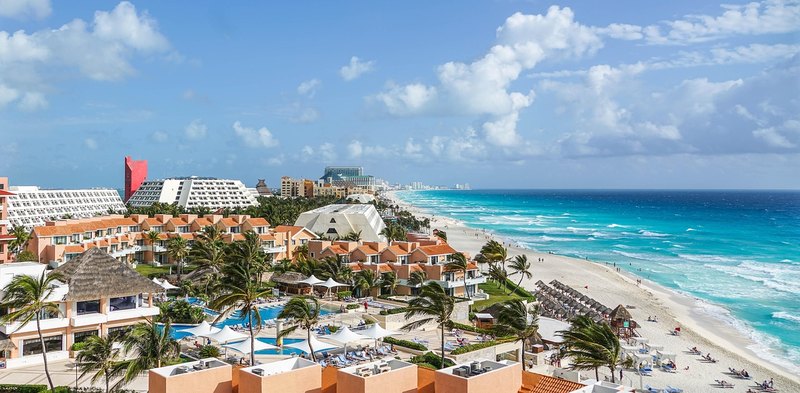
The city is the seat of the Solidaridad municipality, which had 333,800 residents at the 2020 census. Almost all of them live here in Playa.
The best thing about the place, if you are retiring, is the grid. Streets run in numbered blocks parallel to the beach, so an address tells you exactly how far you will walk to the water.
That makes most of the central zone genuinely walkable. Cancún’s hotel strip and Tulum’s long roadside sprawl are not.
Against its neighbors, Playa lands in the middle. Cancún is bigger and cheaper once you move inland, and Tulum costs more and sits further from a hospital.
If you are still choosing a spot on this coast, our guides to retiring in Cozumel and retiring in Mérida cover the two places most retirees compare it with.
Weather
Playa is hot and humid for most of the year. The pleasant stretch runs from November to February, when daytime temperatures sit around 28°C (82°F) and the humidity eases.
From March onward it gets heavy. Expat forums are full of residents who love the city and still say the heat keeps them indoors for much of the day.
That is the honest sticking point for retirees. Several long-term residents describe November to February as excellent and the rest of the year as too uncomfortable to enjoy.
Hurricane season runs from June to the end of November, and Quintana Roo sits in the path. You watch the forecasts from August to October, keep water and cash at home, and ask any building you are considering how it handled the last direct hit.
Good to Know: Air conditioning is not optional here, and the bill surprises people. Residents near the beach report electricity running into the hundreds of US dollars a month when the AC runs constantly, while people a few streets inland pay a fraction of that.
Sargassum
Sargassum is a brown seaweed that drifts in from the Atlantic, piles up on the sand, and rots. The seaweed is harmless. The smell is what you have to live with.
2026 has been the worst season since the problem started in 2011. Up to 130,000 tonnes are forecast to reach Quintana Roo’s beaches, and 50,000 to 60,000 tonnes of that is expected in Playa alone. (Verified September 2026.)
The city doubled its offshore barriers to five kilometers (three miles) to keep it off the main beaches, and crews clear the busiest stretches every morning.
It still reaches further inland than newcomers expect. Residents report smelling it well past 10th Avenue on bad days, and one who left in mid-2026 had been living four blocks back from the beach.

A few things worth knowing before you commit to an address:
- Timing: The seaweed arrives from roughly April to October, and May to July is usually the worst of it.
- Location: Beachfront rent buys you the smell along with the view in those months. West of the highway, you will never notice it.
- Day to day: It shifts with the wind, so a bad week can be followed by a clear one.
- Before you sign: If the beach is the reason you are moving, visit in June rather than February.
Food
Eating here divides along one street. Fifth Avenue is the tourist promenade, and it is priced for tourists, so most residents save it for when friends visit.
The everyday shopping happens on 30th Avenue, where the supermarkets are, and at the markets and taquerías east of the highway.
You will find Chedraui, Walmart, Mega, and Soriana in town, with a Sam’s Club and Costco nearby. Fruit and vegetables are much cheaper at the mercados.
Imported groceries cost noticeably more than they do at home. If you cook most nights, your food bill here will be a fraction of what it is in the US or Canada.
Read more: How to Save Money on Food and Groceries in Mexico
Housing and Neighborhoods
Rentals listed in Playa del Carmen in September 2026 ran from MXN6,000 to MXN33,000 a month, with a median near MXN12,500, or about US$727. (Verified September 2026.)
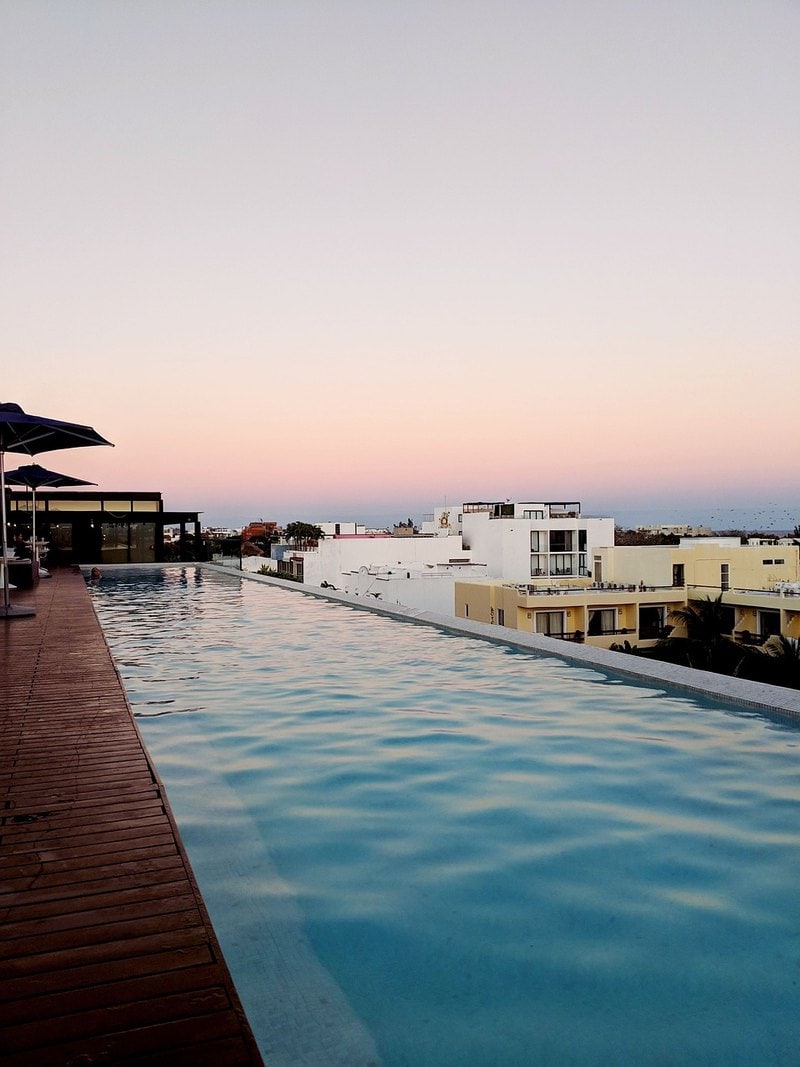
Location explains nearly all of that gap. Residents draw the line at Highway 307: east of it you are in beach territory and paying for it, west of it you are in residential Playa.
Centro and Quinta Avenida
The central grid between 1st and 10th Avenue puts the beach, the ferry, and the restaurants on foot. It is also the noisiest part of town, and blocks near Quinta get bar noise until late.
If you want the location without the racket, residents point newcomers north of Constituyentes, which is Calle 18. The buildings there are newer and the streets much calmer.
Coco Beach
Coco Beach runs from about Calle 38 to 44, east of Fifth Avenue. Long-term residents name it more often than anywhere else as the sweet spot, close enough to walk to the beach and Quinta but far enough to sleep at night.
It is also the most expensive area in the city for electricity, so budget generously for air conditioning.
Playacar
Playacar is the gated, golf-course side of town, just south of the ferry terminal. It is quiet, secure, and manicured, and it is the closest thing Playa has to a purpose-built retiree enclave.
Almost everyone there drives or keeps a golf cart. The supermarket is a long walk in that heat.
Across the Highway
West of Highway 307 is where the rent drops and most working residents live. Selvanova, La Joya, and the developments around Centro Maya offer gated complexes with pools for a fraction of beachfront prices.
Sargassum never reaches this far in. You will want a car, though, and these are the neighborhoods the power cuts hit hardest.
Good to Know
Long leases are normal here, whatever you may have heard about the city’s churn. Residents report keeping the same apartment for four years and more, with rent rising about 3 percent a year.
The ones who get pushed out are usually renting from an owner who wants the place back for the short-term market each high season.
Before you sign anything, do these four things:
- Ask for a six-month trial: A building’s real problems only show up once you live there, from termites to an owner who has not paid the HOA fees, which means no pool and no gym.
- Be careful with Facebook listings: Deposit scams are common enough that residents recognize the same apartments being advertised week after week. Use an agent and sign somewhere official.
- Check that the HOA fees are paid: If your landlord is behind, you lose access to the amenities you are renting for.
- Ask to see a recent electricity bill: It is the quickest way to find out what the air conditioning really costs in that unit.
Read more:
Buying Property and Handling Paperwork Locally
Playa sits inside Mexico’s restricted zone, the strip within 50 km (31 miles) of the coast where foreigners cannot hold land directly. You buy through a bank trust called a fideicomiso, or through a Mexican company.
The bank holds the title and you hold every right that matters, including the right to sell the place or leave it to your children. You pay the bank an annual fee for it.
Most purchases here are condos, so the building’s finances matter as much as the apartment. Ask for the HOA accounts, the reserve fund, and the history of special assessments before you commit.
If you plan to rent the place out while you are away, Quintana Roo requires you to register with the state tourism registry, RETUR-Q. Airbnb and the other platforms have been enforcing it since late 2025, and unregistered listings come down.
Tip: Hire your own lawyer and your own notary, never the ones the seller or the agency recommends. It is the most consistent advice in the Mexican property forums, and it matters twice as much in a market marketed this hard to foreigners.
Read more:
- How to Buy Property in Mexico
- What to Keep in Mind Before Buying a Property in Mexico
- How to Avoid Timeshare Scams in Mexico
Healthcare
Playa del Carmen has three private hospitals with 24-hour emergency rooms, which is more than most Mexican cities this size. For routine care and most emergencies, you are well covered.
Private Hospitals
Hospiten Riviera Maya on Avenida Balamcanché and Costamed are the two names residents mention most. Amerimed is the third, and it works largely with foreign patients.
Prices are a fraction of what you would pay in the US. Private hospitals in tourist areas also have a reputation for billing foreigners hard, so confirm what your insurance covers before a procedure rather than after.
Public Hospitals
Public care runs through IMSS, which you can join voluntarily once you have residency, and through the state general hospital. Both cost little or nothing to use.
Both are also busy, with long waits for anything that is not urgent. Most foreign retirees here keep IMSS as a backstop and pay privately for day-to-day care.
Complex Care
For anything serious, you travel. Cancún is an hour north and has the bigger hospitals and more specialists, and Mérida is the regional center for complex treatment.
If you are moving here with an ongoing condition, plan on making that drive regularly, and let it influence which side of town you settle in.
Read more:
- IMSS Health Insurance for Expats
- Health Insurance for Retirees in Mexico
- A List of Affordable Private Hospitals in Mexico
Activities
Almost everything here revolves around the water. You have the beach, the cenotes inland, and some of the best diving in the hemisphere half an hour away on Cozumel.
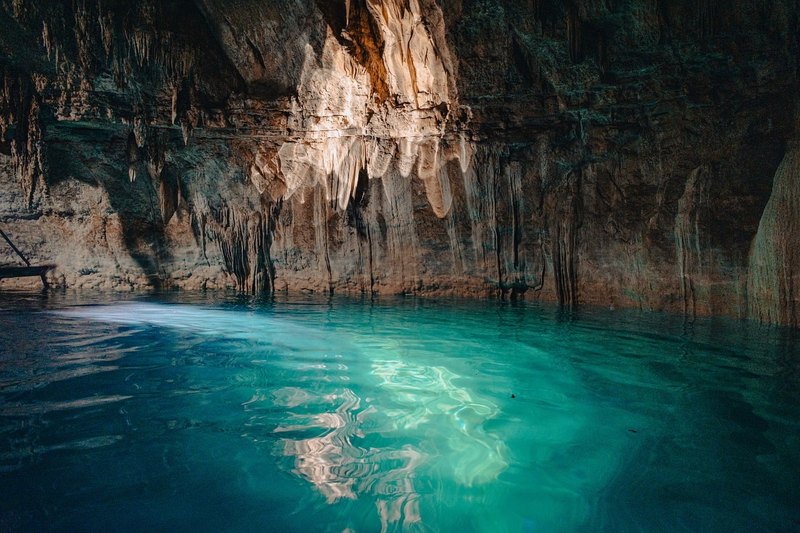
Playacar has an 18-hole golf course. The city has a long-running Spanish school scene, and the social calendar runs on Facebook groups and weekly meetups that are easy to walk into.
Residents will also tell you the city thins out once the vacation feeling wears off. The entertainment is built for people who are here for a week, and the heat closes down outdoor plans for much of the year.
Your visiting friends will want to do the same cenote trip you did in your first month, over and over. The retirees who settle happily here tend to have a sport, a class, or volunteer work holding their week together.
Utilities and Power Outages
The northwest side of Playa has a power problem. Residents there logged more than 20 outages between March and August 2026, a few of them close to 24 hours, and several reported appliances damaged by the repeated cuts. (Verified September 2026.)
Misión de las Flores, Paseos de Sisal, Villas del Sol, Selvanova, Real Ibiza, and Ejido Norte are the neighborhoods that keep coming up.

CFE, the national utility, says much of it comes from work to redistribute load on a grid that the city has outgrown, and the state has announced new substations. The outages were still in the news in September 2026, so treat it as an open problem.
When you look at a place, ask whether the building has a generator, whether your home office or medical equipment can survive half a day without power, and how often that street has gone dark this year. Neighbors will tell you straight.
Internet, on the other hand, is one of the city’s strengths, with fiber in most central and gated areas. Drinking water comes in delivered garrafones, as it does everywhere in Mexico.
Read more: Internet Providers in Mexico
Transportation
You can live in central Playa without a car, and plenty of retirees do. From Playacar up to about Calle 52, east of the highway, everything is walkable or a cheap taxi ride.
North of that, inside Playacar, and anywhere west of the highway, you will want a car.
Colectivo
Colectivos are shared vans that run up and down Highway 307 all day between Playa, Tulum, and Cancún. They are the cheapest way along the coast and the way most locals travel.
Bus
ADO runs the intercity coaches from the terminals on Quinta and 20th Avenue. You can get to Cancún, the airport, Tulum, Mérida, and most of the Yucatán, and the buses are comfortable and reliable.
Taxi
Taxis are everywhere, they are not metered, and the local union is powerful, so agree on the fare before you get in. Ride-hailing apps are legal in the state now, but drivers still face pressure from the taxi union and coverage in Playa is patchier than in Cancún.
Tren Maya
The Tren Maya restarted its Cancún to Playa del Carmen run in August 2026. There are four services a day, two in each direction, and the trip takes about 50 minutes.
Fares depend on who you are. Quintana Roo residents pay MXN99, other Mexicans pay MXN148, and foreign visitors pay MXN197 in tourist class. A connector bus costing MXN55 links the station to Cancún airport, and to Playacar and the hotel zone at this end.
Ferry
Winjet and Ultramar both run the Cozumel ferry from the pier in the middle of town, and the crossing takes about 30 minutes. An adult ticket was MXN335 one way in September 2026, and both companies sell cheaper local plans if you cross often.
Airport
Cancún International is the airport you will actually use, an hour north by car or coach, with direct flights all over the US, Canada, and Europe. Tulum’s airport is about 76 km (47 miles) south and mostly serves domestic routes.
Read more: How to Easily Get Around in Mexico
Safety
The US State Department rates Quintana Roo Level 2, which means exercise increased caution. That is the same rating much of Western Europe carries. (Verified September 2026.)
There are no travel restrictions on US government staff in the state, though they are told to be careful after dark in the downtown areas of Cancún, Tulum, and Playa del Carmen.
Day to day, the crime that touches residents is petty: bike theft, break-ins, and phones snatched off tables. The advice you hear in the forums is mostly about money.
- Check your bills: Padded restaurant totals happen often enough that residents make a habit of reading them.
- Be careful where you use cards: Many residents use cards only at the big supermarkets and pay cash at gas stations.
- Expect the touts: Timeshare and excursion sellers are persistent and will not take the first no, even inside Walmart.
- Never pay a roadside fine: Police sometimes stop foreigners over invented traffic violations. Ask for a written ticket instead.
Tip: The serious violence in this region runs between groups that have nothing to do with residents or tourists, and it comes in waves. What that means for you is simple: the nightlife strip in the small hours is a different proposition from the rest of the city.
Read more:
How Much Do I Need to Retire in Playa del Carmen?
Immigration will ask you for more than the city costs. A temporary residency visa on the income route wants about MXN79,771 a month, or roughly US$4,640. (Verified September 2026.)
If you qualify on savings instead, consulates look for an average balance of around MXN1.34 million, about US$78,000, held for a year. The exact figures move every February and vary a little between consulates.
Our guide to Mexico’s 2026 residency income requirements covers the paperwork, and the retirement visa guide walks you through the application.
What you actually spend comes down to rent and electricity more than anything else.
| Item | Typical range | Notes |
|---|---|---|
| Rent, west of Highway 307 | MXN6,000 to MXN10,000 (US$349 to US$582) | Gated complexes with pools; you will need a car |
| Rent, central Playa | MXN12,000 to MXN20,000 (US$698 to US$1,163) | Walk to the beach and Quinta; noisy near Fifth Avenue |
| Rent, Coco Beach and Playacar | MXN20,000 to MXN33,000 (US$1,163 to US$1,920) | The top of the September 2026 listings |
| Electricity | Varies enormously | Modest inland; hundreds of US dollars near the beach with constant AC |
| Cozumel ferry | MXN335 one way, MXN645 return | Adult fare; cheaper resident plans available |
| Tren Maya to Cancún | MXN99 to MXN197 per trip | MXN99 once you have a Quintana Roo address |
| VISITAX | MXN285, residents exempt | The state tourist tax; your residency card exempts you |
Those rent figures come from 42 listings live in September 2026, converted at MXN17.19 to the dollar. For the wider picture, see our guides to the cost of living in Mexico and the cost of retiring in Mexico.
Should I Retire in Playa del Carmen?
Playa suits you if you want a walkable beach city with a big foreign community, quick flights home, and good private healthcare, and you are honest with yourself about heat and noise.
If you picture a quiet retirement built around a garden and a colonial old town, Mérida does that better. If you want a slower pace for less money, so does Cozumel.
Pros
- You can walk: Few Mexican beach towns let you live centrally without a car.
- Healthcare: Three private hospitals in town, and Cancún an hour away.
- Flights: Cancún International reaches most of North America and much of Europe directly.
- Community: A large, long-established foreign population, so you can build a social life without much Spanish.
- Getting around: Colectivos, ADO coaches, the Cozumel ferry, and now the train.
Cons
- The heat: Lovely from November to February, punishing for much of the rest of the year.
- Sargassum: 2026 is the worst season on record, and living near the beach means living with the smell.
- Power cuts: More than 20 in six months on the northwest side.
- Tourist prices: Fifth Avenue costs what tourists will pay, and the sales pressure never really stops.
- Noise: The central blocks are loud late, and quiet costs more.
If the beach is the reason you are moving, come in June and stay a couple of weeks. Walk the street you are considering at 11pm.
Both of the city’s real problems are seasonal and very local, so a week in Playacar in February will tell you almost nothing about living here.
Frequently Asked Questions
How big is the foreign community in Playa del Carmen?
Large and unusually mixed. Americans and Canadians lead, with big Argentine, Colombian, Italian, and Spanish communities, and English is widely spoken in the central zone.
Do I need to speak Spanish to retire in Playa del Carmen?
No, and that is a real advantage over smaller Mexican cities. You will still want basic Spanish for landlords, utilities, immigration offices, and any doctor outside the private hospitals.
When is sargassum season in Playa del Carmen?
Roughly April to October, with May to July usually the heaviest. 2026 is forecast to be the worst year since the problem began in 2011.
Do I need a car in Playa del Carmen?
Not in the central grid east of the highway, which runs from Playacar to about Calle 52. Inside Playacar, out to the north, or west of Highway 307, you will want one.
Do residents pay the Quintana Roo tourist tax?
No. VISITAX costs MXN285 per foreign visitor per stay, and your residency card exempts you.
Is Playa del Carmen safe for retirees?
The US State Department rates Quintana Roo Level 2, exercise increased caution. Residents worry about petty theft, scams, and the occasional shakedown rather than violent crime, with the nightlife strip late at night the main exception.
Which is better for retirement, Playa del Carmen or Mérida?
Mérida is safer, cheaper, has more culture, and gets no sargassum, but it is inland and brutal in summer. Playa gives you the Caribbean, a walkable grid, and faster flights home.
Sources Cited
- H. Ayuntamiento de Playa del Carmen (Solidaridad municipality): population of 333,800 at the 2020 census.
- INEGI, Comunicado de Prensa 1/26: the 2026 UMA value of MXN117.31 per day, which sets the residency thresholds.
- Consulado General de México en Houston, temporary residency requirements: the monthly income and savings tests for temporary residency.
- U.S. Embassy and Consulates in Mexico, Quintana Roo travel advisory update: the Level 2 rating and the after-dark guidance naming Playa del Carmen.
- Excélsior: the 130,000-tonne sargassum forecast for Quintana Roo in 2026.
- El Heraldo de México Quintana Roo: the 50,000 to 60,000 tonne projection for Playa del Carmen and the extension of the offshore barriers.
- El Heraldo de México Quintana Roo: more than 20 power cuts since March 2026, the affected neighborhoods, and CFE’s explanation.
- La Jornada Maya: the August 2026 restart of the Cancún route, four daily services split two per direction, and the connector service.
- Infobae: the Tren Maya fare tiers and the MXN55 connector price.
- Winjet Fast Ferry: Playa del Carmen to Cozumel fares.
- Hospiten Riviera Maya and Hospital Costamed Playa del Carmen: hospital locations and 24-hour emergency services.
- Forbes México: the court ruling allowing ride-hailing apps to operate in Quintana Roo.






 Español:
 Français:
 Deutsch: