This article will take approximately 30 minutes to read. Don't have the time right now? No worries. Email the ad-free version of the article to yourself and read it later!
Whether you’re relocating for work, retirement, or adventure, finding suitable accommodation in Thailand is an essential step in your new journey.
If you’re a digital nomad, you might want to consider short-term rentals like serviced apartments or guesthouses. These let you explore different regions while keeping things flexible.
On the other hand, if you value spaciousness and privacy, renting a townhouse or house in the suburbs might be more your style.
This guide covers the different types of accommodation in Thailand so you can choose the best one for your needs.
Contents
Quick Comparison of Accommodation Types in Thailand
Before choosing where to stay in Thailand, it helps to understand the main differences between each accommodation type. Here’s a quick comparison to help you decide which option fits your budget and lifestyle.
| Type | Typical Price | Main Advantages | Things to Keep in Mind |
|---|---|---|---|
| Hotels | THB 1,000 to THB 15,000+ per night | Easy to book, good locations, housekeeping, restaurants, pools, and gyms | Expensive long-term unless you negotiate a discount |
| Hostels | From THB 500 per night | Cheap, flexible, good for meeting people | Less privacy and shared facilities |
| Guesthouses | THB 600 to THB 800+ per night | Affordable, local feel, often family-run | Fewer facilities than hotels |
| Homestays | THB 500 to THB 2,000+ per night | Meals may be included, good for local experiences | Simple facilities, usually outside major cities |
| Serviced Apartments | THB 1,000 to THB 1,500+ per night | Fully furnished, utilities and housekeeping often included | Some lack hotel-style facilities |
| Apartments | THB 6,000 to THB 20,000+ per month | More affordable for long-term stays | Utilities separate, no housekeeping |
| Condos | THB 10,000 to THB 40,000+ per month | Modern buildings, good amenities, often near transit | Smaller space, higher prices in prime areas |
| Townhouses | THB 8,000 to THB 25,000+ per month | More space than condos, often three bedrooms | Older units may lack privacy or security |
| Houses | THB 18,000 to THB 200,000 per month | Large space, parking, outdoor areas | Usually farther from the city center |
| Villas | THB 4,000 to THB 50,000+ per night, or THB 50,000+ per month | Resort-style living, private pools, large spaces | Expensive in beach destinations |
Hotels
Thailand offers a wide range of hotels, from budget-friendly options to international chains. Bangkok, Chiang Mai, and Phuket have the largest selections, while smaller towns tend to have boutique options.
Prices for five-star hotels start at around THB 4,000 per night and can go up to THB 15,000 or more for top-tier properties. These hotels typically offer pools, spas, gyms, restaurants, and rooftop bars. Most are in downtown areas, though some are near rivers or beaches.
Three-star and boutique hotels cost between THB 1,000 and THB 2,000 per night. Prices vary depending on location, season, and amenities.
If you stay for more than two weeks in a hotel, consider booking directly with the property. You can often negotiate long-term discounts or extras like breakfast and laundry.
Hostels
Although hostels are often associated with backpackers, they are affordable and flexible, making them a good option for people transitioning between rentals or still figuring out their long-term plans.
Hostels are found in almost every major neighborhood in Bangkok and Chiang Mai, and they’re a good way to get to know an area before committing to something longer-term.
Hostels with basic amenities, communal kitchens, and laundry facilities start from around THB 500 per night for a shared dorm. Private rooms usually cost about double.
Guesthouses
Guesthouses are usually small, family-run accommodations scattered throughout Thailand. They function like informal two-star hotels but with fewer rooms. Most start from around THB 600 to THB 800 per night.
On the islands, guesthouses are typically bungalow-style. Many include breakfast, bicycle rentals, and a common area.
Homestays
Homestays in Thailand let you stay in or near a local family’s home, giving you a direct look at local culture and daily life.
The setup is simple but comfortable, and meals are usually included. Homestays are most common in rural villages close to natural environments.
Prices vary depending on location and what’s included, generally ranging from THB 500 to THB 2,000 per night or more. Homestays that include meals and activities like cooking classes or tours cost more. Read reviews carefully before booking.
Serviced Apartments
Serviced apartments are practical for both short- and long-term stays, especially if you don’t want to bring or buy a lot of furniture and equipment.
They are fully furnished and come equipped with everything from kitchen appliances to washing machines to bed linen.

They offer more space than traditional hotels along with more flexibility and privacy. The trade-off is that some serviced apartments don’t have gyms, business centers, or restaurants.
Most require a minimum stay of one week. Housekeeping, maintenance, and utilities are usually included in the daily rate, or covered by a monthly fee for longer stays.
In Bangkok and Chiang Mai, serviced apartments start from around THB 1,000 to THB 1,500 per night, with lower nightly rates for longer stays.
Find Out More:
- A Guide to Finding the Best Serviced Apartment in Bangkok
- A Guide to Finding a Short-Term Rental in Bangkok
Apartments
For a long-term stay, a standard apartment is usually more cost-effective than a serviced one.
Apartments in Thailand are typically in low- to mid-rise buildings and are rented for six months or longer.
Basic appliances like a stove and refrigerator are usually provided, though furnishings tend to be more generic. Most mid-range apartments include a pool, gym, and laundry room.
Unlike serviced apartments, standard apartments don’t include housekeeping. Utilities are also your responsibility.
In Bangkok, a decent one-bedroom apartment with basic facilities costs THB 10,000 to THB 20,000 per month. Prices rise in prime areas like Sukhumvit, Thonglor, and Sathorn.
If you look outside Bangkok, you’ll find more affordable options. Cities with a lower cost of living like Chiang Mai and Pattaya have one-bedroom units starting from around THB 6,000 per month.
Find Out More:
Condos
Condos are popular with young professionals, singles, and couples committing to at least a year in Thailand. They range from studios to five-bedroom penthouses, though most are studios or one- and two-bedroom units.
Most units range from 22 to 50 square meters. They are usually in central areas near metro stations and come with modern designs and good amenities.
In Bangkok, rental prices for one- or two-bedroom condos range from THB 15,000 to THB 40,000 per month, typically on a one-year lease. Many new condos offer extras like library rooms, onsens, rooftop gardens, pools, and gyms.
In Chiang Mai, condo rentals start from around THB 10,000 per month. Mid- to high-end condos in Pattaya and Phuket are priced similarly to Bangkok.
Some key condo developers in Thailand include Ananda, Noble Development, Pruksa, and Supalai.
Townhouses
Townhouses offer a good balance between space and city living. They typically have two floors and three bedrooms, with an average size of around 200 square meters — significantly more space than a condo or apartment.
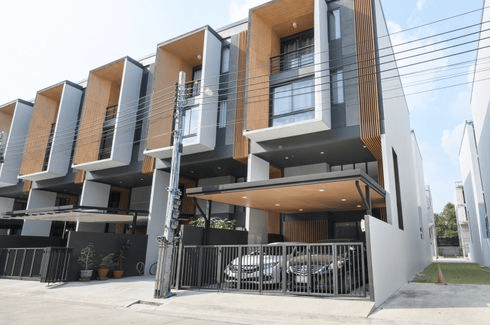
Modern townhouses are in the suburbs of Bangkok within gated communities known as moo baan. Downtown Bangkok also has townhouses, but they tend to be older and offer less privacy and security.
Older townhouses start from around THB 8,000 per month, while modern ones start from around THB 25,000.
Houses
Thailand has a wide variety of houses in terms of size and style. Finding one in the city center can be difficult.
Most housing developments are in gated communities at least 20 minutes from the center, and they typically come with garages and outdoor space.
Monthly rent for a furnished four-bedroom house in Bangkok and its suburbs ranges from THB 18,000 to THB 200,000, depending on location and condition. Long-term leases of a year or more are usually required.
There are also housing developments geared toward expats, such as Nichada Thani near Bangkok and Laguna Phuket. These tend to be pricier but are close to supermarkets, restaurants, and international schools.
Houses in Pattaya or Hua Hin often cost 30 to 50 percent less than those in Bangkok. Houses in Phuket or Koh Samui can sometimes be more expensive than Bangkok, depending on proximity to the beach.
The process of renting a home is slightly different from other accommodation types. We recommend reading our guide to renting a house in Thailand for details.
Villas
Villas are a good fit for those who don’t need to commute to an office daily. They offer resort-style living with generous space, multiple bedrooms, private pools, and landscaped gardens. Most come furnished and are managed for prompt maintenance and support.
Popular villa locations include Phuket, Koh Samui, and Krabi, as well as Pattaya, Hua Hin, and Khao Yai. Villas are available for both short- and long-term leases.
Nightly rental rates range from THB 4,000 to THB 50,000 or more, with Phuket properties on the higher end. Monthly rates in Phuket start from around THB 50,000 for a modest two- to three-bedroom villa, though pool villas can be significantly higher.
Find Out More:
Buying Property
Purchasing a condo is the most straightforward way for expats to buy property in Thailand. Foreigners can own freehold condo units in their name as long as the foreign quota — 49 percent of total units — hasn’t been reached. The remaining 51 percent must be Thai-owned under the Condominium Act B.E. 1979.
Foreigners cannot own land, houses, townhouses, or villas outright. Options like co-ownership with a Thai citizen or leasehold purchases are possible, but it’s best to consult a property lawyer before proceeding.
Find Out More:
Finding Accommodations
There are many ways to find accommodation in Thailand. For short-term stays, you can look online and offline. For long-term stays, working with a real estate agent is usually more efficient.
Online
To book a hotel, hostel, guesthouse, or serviced apartment, use Booking or Agoda. Booking directly with luxury hotels via their own websites can sometimes get you a better deal.
Airbnb is another option, but Thai law requires a minimum stay of 30 days, so it’s mainly useful for longer-term arrangements.
For long-term accommodation, check online property marketplaces such as DDProperty, DotProperty, HipFlat, and Living Insider. These platforms let you browse prices, photos, and agent contact details.
Facebook groups are also worth checking. Groups like Buy/Sell/Rent Bangkok and Bangkok Apartment for Sell and Rent regularly post listings and welcome questions.
Offline
You can also find property through offline channels:
- Look for billboards and print advertisements promoting condo projects and housing developments.
- Visit property exhibitions and trade fairs showcasing accommodation options.
- Walk or drive through the neighborhoods you’re interested in and speak directly to property managers.
- Ask friends or colleagues for recommendations.
Real Estate Agents
You should work with a real estate agent if you plan to rent long-term or buy property in Thailand. They handle language barriers, paperwork, and can help you find options that match your requirements.
In Bangkok, using a real estate agent typically costs you nothing. They receive a commission of 3 to 5 percent per sale from the property owner. You can find agents through online property marketplaces or by visiting property management companies.

If you need help finding a real estate agent in Thailand, we can connect you with one. Simply fill out this form to get started.
Learn More:
Essential Guides on Accommodation in Thailand
 An In-Depth Guide to Renting an Apartment in Bangkok 2026-04-26 This guide to renting in Bangkok was written to help you cut that two week-long search down to two days.… ... Read more
 Buying a Condo in Thailand: A Step by Step Guide in 2026 2026-04-19 A complete step-by-step guide to purchasing a condo in Thailand, covering the process, costs, taxes, and key things to watch… ... Read more
 Real Estate Agents in Bangkok: How to Find the Best One 2026-02-12 Save time and money by working with a vetted real estate agent. ... Read more
 The Complete Guide to Renting in Chiang Mai 2026-02-26 Everything you must know to secure a house or condo in the northern province. ... Read more
 The Complete Guide to Renting in Phuket 2026-02-26 How to find the most suitable place on the island for your taste and budget. ... Read more
 Home Internet in Thailand: Provider, Package, and Cost in 2026 2026-05-13 Learn how to set up home Internet in Thailand, including the best providers, package prices, contract terms, and documents expats… ... Read more
Latest Guides on Accommodation in Thailand
-
 An Introduction to Property Tax in Thailand 2026-05-20 Property ownership in Thailand comes with several tax obligations, from transfer fees and withholding tax to annual land and building…
 -
 Buying Property in Hua Hin: What You Need to Know Before You Invest 2026-05-18 A practical guide to buying property in Hua Hin: what foreigners can legally own, property types, prices, the best areas,…
 -
 Secret Methods to Get More than 10% Discount on Buying a Condo in Thailand 2026-05-17 Buying a condo in Thailand can cost less than the asking price if you know which strategies to use. This…
 -
 How to Easily Find Short Term Leases in Thailand within a Day 2026-05-14 Let's take a look at how to find short-term rentals in Thailand.
 - Home Internet in Thailand: Provider, Package, and Cost in 2026 2026-05-14 Learn how to set up home Internet in Thailand, including the best providers, package prices, contract terms, and documents expats…
-
 Insider Methods to Increase the Security of Your Houses 2026-05-11 Townhouses in Bangkok can offer good deals in terms of space and “feeling of home” you get for your money.…
 -
 What is the Best Way to Find a Condo in Thailand? 2026-05-11 There are many different ways to find a condo, and depending on whether or not you are in Thailand. Here's…
 -
 Related Fees You Should Know When Renting a Condo in Thailand 2026-05-11 Price isn’t the only expense you should consider when it comes to renting a condo in Thailand. There are many…
 -
 Common Mistakes While Renting a Place in Thailand 2026-05-11 This article is going to talk about mistakes expats like us tend to make while renting a place in Thailand.
 -
 Where to Easily Find Maids and Handypersons 2026-05-11 Finding good maids and handy persons in Thailand can be more challenging than you think. Fortunately, there’s a way that…
 -
 Should I Buy a Condo Under a Foreigner or Thai Name? 2026-05-11 One big decision which many Thai-foreign couples need to decide on is whose name the condo should be registered under.
 - An In-Depth Guide to Renting an Apartment in Bangkok 2026-04-27 This guide to renting in Bangkok was written to help you cut that two week-long search down to two days.…
- Buying a Condo in Thailand: A Step by Step Guide in 2026 2026-04-20 A complete step-by-step guide to purchasing a condo in Thailand, covering the process, costs, taxes, and key things to watch…
-
 A Guide to Finding the Best Serviced Apartment in Bangkok 2026-03-12 This article will take approximately 15 minutes to read. Don't have the time right now? No worries. Email the ad-free…
 -
 A Guide to Finding a Short-Term Rental in Bangkok 2026-03-11 From Airbnbs to hotels to condos -- this guide covers them all.
 - The Complete Guide to Renting in Phuket 2026-02-26 How to find the most suitable place on the island for your taste and budget.
- The Complete Guide to Renting in Chiang Mai 2026-03-02 Everything you must know to secure a house or condo in the northern province.
-
 The Complete Guide to Renting a Villa in Phuket 2026-02-25 Find your dream rental on Thailand's most pristine island.
 - Real Estate Agents in Bangkok: How to Find the Best One 2026-02-12 Save time and money by working with a vetted real estate agent.
-
 Renting a House in Thailand? Read This Before Signing That Lease 2026-02-12 How to find the right home for you and your family.
 -
 Condos for Sale in Bangkok: A Complete Buying Guide 2026-02-01 How to find and purchase a unit to live in or rent out in the Thai capital.
 -
 The Easy Way to Start Renting an Apartment in Thailand 2026-01-28 Is there anything more exciting when moving abroad than finding your first apartment and signing the lease? It’s the moment…
 -
 Recommended Apartment Rental Sites 2026-01-28 There are many real estate rental sites available in Thailand. These websites should be the first place you look while…
 -
 How to Negotiate Your Rent Down by 40% 2026-01-29 Negotiating can get you a discount of 8% to 40% from the quoted rental price or a free first month…
 -
 Civil and Commercial Code You Should Know When Renting in Thailand 2026-01-29 A law in Thailand said that the business of renting residential properties becomes a contract-controlled business. This means you have…
 -
 Condo Developments: Which Ones to Rent and Which Ones to Avoid 2026-01-29 While there are independent condo builders out there, the majority of condos are built and run by several key players…
 -
 What to Check Before Signing a Rental Contract 2026-01-28 Since landlords in Thailand are not keen on the Thai legal system, you should be careful before signing a rental…
 -
 How to Buy a Used Condo that’s 30% Cheaper than Market Price 2026-01-29 If you’re looking to buy a used condo or other property, there’s a way to easily land a deal that’s…
 -
 Tips on Dealing with Real Estate Agents 2026-01-28 It’s not a bad idea to use an agent. Many condo owners don’t want to deal with renting out their…
 -
 Underrated Neighborhoods in Phuket 2026-01-28 Although it’s one of the most popular tourist destinations and the second smallest province in Thailand, you can still find…
 -
 Detailed Breakdown of Popular Locations for Expats in Thailand 2026-01-29 Deciding where to live is one of the first things that expats need to do when planning to move to…
 -
 How to Find Accommodations that Allow Pets in Thailand 2026-01-28 Are you wanting to get a pet? Do you already have one? Finding a place to rent that allows pets…
 -
 Hidden Fees When Buying a Condo in Thailand 2026-01-29 When purchasing a condo, both new and used, there are five hidden expenses you need to agree to with a…
 -
 How to Get 100% of Your Rental Security Deposit Back 2026-01-29 This is one of the 100+ exclusive pieces of content created for our Premium subscribers. To read and unlock all…
 - Underrated Neighborhoods in Chiang Mai 2026-01-28 Chiang Mai is the second biggest province in Thailand and covers many different geological areas. Whether you’d like to be…
-
 Underrated Neighborhoods in Bangkok 2026-01-28 When looking for a place to rent in Bangkok, you’ll want a condo in a convenient location. A convenient location…
 -
 How to Find Amazing Rental Deals 2026-01-28 Although real estate searches have moved online, the best deals might not be found on a website, especially when searching…
 -
 Case Study: Steve’s Experience with Buying a Condo on Sukhumvit Road 2021-12-30 This article will take approximately 8 minutes to read. Don't have the time right now? No worries. Email the ad-free…

 Deutsch:
 ไทย:
ไทย: Français:
 Português:
 Português:
 Español:
 Español:
 中文 (中国):
 Русский:
 Nederlands:
 العربية:
 Italiano: