Hua Hin might look like a sleepy beach town at first glance, but living here long term has shown me a different story.
If you had told me at the start of 2020 that my husband and I would still be in Hua Hin six years later, I wouldn’t have believed you. At first glance, it was hard to see it as anything but a sleepy beach town, and I honestly wondered whether we’d ever find a sense of community or build a meaningful life here.
Since those uncertain first months, however, we’ve grown deep roots. We’ve successfully traded the urban grind for regular visits to the beach, balancing remote work with a slower pace of life. And while the urge to flee to the big city still strikes about once a month, a quick 48-hour stint in Bangkok is usually enough to remind us why we prefer the quiet.
Hua Hin has also made considerable strides in recent years. New businesses are popping up weekly, and expats and travellers continue arriving alongside the new development. But as a long-term resident, I’ve noticed visitors often miss the magic if they don’t look past the surface-level stereotypes. To truly love Hua Hin, you have to look through a wider lens and seek out its deeper charms—beyond the “retirement destination” label. You might even find yourself charmed into staying longer than you expected, eventually putting down your own roots on the Royal Coast.
Whether you’re here for the weekend or considering a permanent move, here are 23 things you might not know about Hua Hin.
"*" indicates required fields
Disclaimer: This article may include links to products or services offered by ExpatDen's partners, which give us commissions when you click on them. Although this may influence how they appear in the text, we only recommend solutions that we would use in your situation. Read more in our Advertising Disclosure.
Contents
- 1. Hua Hin Is Quieter Than Most Popular Beach Destinations (In Good and Bad Ways)
- 2. Hua Hin Extends Beyond the Central Strip
- 3. Overall Living Costs Are Lower Than Bangkok or Phuket
- 4. You Get the Perks of Coastal Living Without Being Far From a Big City
- 5. Healthcare Is a Big Plus Here
- 6. Golf Is Serious Business in Hua Hin
- 7. Sauna Culture Is Surprisingly Popular
- 8. You Don’t Need a Car — But Life Is Easier With One
- 9. Short-Term Rentals Can Be Tricky
- 10. Night Markets Act as Social Hubs
- 11. The Rainy Season Is Milder Here
- 12. Despite Its Reputation, Hua Hin Isn’t Just for Retirees
- 13. The Area Is Internationally Known for Kite Surfing
- 14. Keep an Eye Out for the Hua Hin Eye
- 15. Hua Hin Works Surprisingly Well for Families
- 16. Nightlife Exists — But It Winds Down Early
- 17. Yes, There’s an Airport, but No Ferry to Pattaya
- 18. Facebook Groups Are Essential but Enter Carefully
- 19. Seeing Horses on the Beach (or Highway) Is Normal
- 20. You’ll Quickly Get Used to the Best Seafood and Fruit of Your Life
- 21. Blueport and Market Village Will Become Part of Your Routine
- 22. Tide Times Matter for Beach Walks
- 23. The Train Is One of the Best Ways to Explore Hua Hin
- Now, Onto You
- Frequently Asked Questions
(And How It’s Costing Them)
Most expats throw money away, get lost in red tape, and miss the local hacks that make life easier and cheaper. ExpatDen Premium gives you the secrets seasoned expats use to save, earn, and thrive beyond the basics, saving you thousands and opening doors you didn’t even know existed.
Here’s what’s inside:
- Housing Hacks: Slash your rent by 40% or more - because the locals are laughing at what you’re paying.
- Banking Mastery: Stop wasting on fees and get top exchange rates. Why give your money away?
- Healthcare for Local Prices: Quality treatment without the expat price tag.
- Visa and Legal Shortcuts: No more bureaucratic nightmares. Get the visa and residency secrets that others pay their lawyer dearly for.
- Deep Discounts: Find the savings locals rely on for groceries, dining, and more.
If you’re serious about making Thailand work for you, join ExpatDen Premium and make Thailand work for you.
1. Hua Hin Is Quieter Than Most Popular Beach Destinations (In Good and Bad Ways)
Compared to the pumping energy of Phuket, Pattaya, or even islands like Koh Samui, Hua Hin is notably low-key. For the long-term expat community, this stillness is the primary draw. Many are retirees seeking a slower pace of life, while others prioritize outdoor pursuits over the bar scene—and a few, it seems, are simply looking for a place to disappear.
That same tranquility can feel stifling if you crave a constant buzz or a thriving nightlife, though. The town can feel especially sleepy midweek or during low season between May and October. Establishments often close by midnight, and while late-night spots exist, there are evenings when the entire town seems to collectively stay home. It’s a peaceful life, but one that requires you to create your own rhythm.
2. Hua Hin Extends Beyond the Central Strip
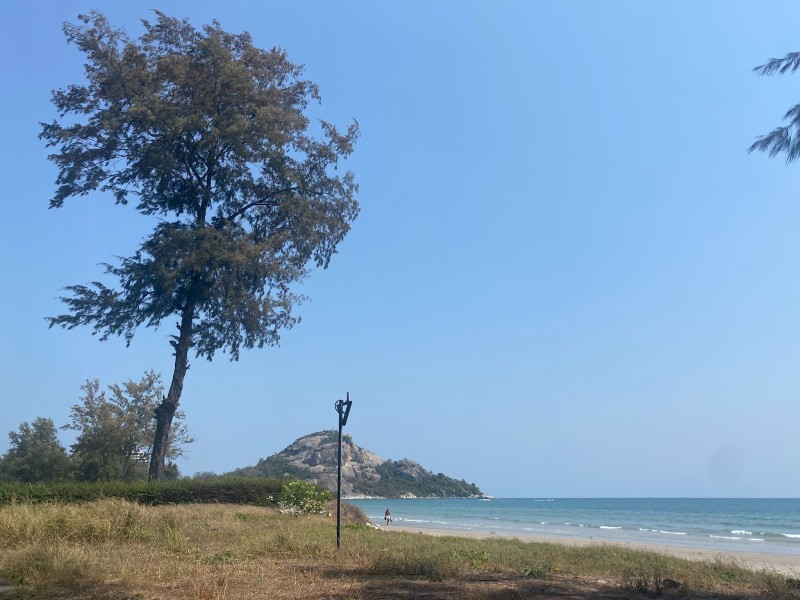
While the heart of Hua Hin is a narrow strip stretched along the Royal Coast road, the greater Hua Hin area actually spans inland to the hills of Hin Lek Fai and Black Mountain, farther south along the coast to Pranburi, and north to Cha-Am.
Most expats settle along the sois surrounding the city’s central area, along the coast between Hua Hin and Khao Takiab beaches. Here, in the city’s most energetic corridor, you’ll find luxury resorts like the Marriott, Hilton, and the Standard, as well as shopping options like Blueport and Market Village malls and Villa Market for imported groceries. Sois 88, 94, and 102 pack in many of the top dining and entertainment options in Hua Hin, while Soi Bintabaht and Poonsuk Road offer more of a go-go and sports bar scene.
Outside the center of town:
- 15 minutes from the city center, Hin Lek Fai offers a fast-developing mountainous escape with attractions of its own like T Rex Sports Club, Hua Hin Artists Village, and Daddy Deli.
- Further inland, about 30 minutes from the city center, the area around Black Mountain Golf Course is especially popular with families whose kids attend Hua Hin International School.
- 20 minutes south of the city center, the Khao Tao area is centered around a peaceful royal reservoir. Best Western Carapace has popped up here recently, sitting just across from the award-winning eatery S. Ken’s, and it’s just a short drive to Sai Noi Beach, where you’ll find Turtle Bay Resort and Kiss Cafe.
- Another 20 minutes south sits Pranburi and Pak Nam Pran. Especially popular with kiteboarders, resorts like the Aleenta and the Wyndham are great for a scenic weekend retreat.
- Even farther south, you’ll find the Sam Roi Yot area, which has become world-renowned for its national park and for the Phraya Nakhon Cave that houses the iconic royal pavilion.
- 15 minutes to the north, the Bo Fai area is home to the Hua Hin Airport and is seeing rapid beachfront development. Visitors come here for resorts like Mövenpick Asara and Anatara, eateries like Laciana By the Sea, and bulk groceries at Makro Food Service.
- Farther north, the separate city of Cha-Am offers an even quieter and more affordable alternative just 30 minutes from Hua Hin center, with some local tourist draws of its own, like Swiss Sheep Farm and Camel Republic Park.
Come and check out each area before deciding which is right for you. You can have a very different experience depending on the neighborhood you choose.
3. Overall Living Costs Are Lower Than Bangkok or Phuket
Compared to larger metropolitan areas, Hua Hin offers lower rent for more spacious living, while the city’s compact layout keeps transportation costs to a minimum. While Western groceries and imported spirits remain priced at a premium, budget-friendly local markets like Chat Chai are plentiful. Dining out is also notably more affordable—even for international cuisine—as are daily services like laundry, housekeeping, and massage. For a beach destination, the cost of living is impressively affordable.
To give you a better idea of what a monthly budget looks like for two people living in a two-bedroom pool villa near Khao Takiab, here is a realistic breakdown.
Housing & Utilities: Our rent is 35,000 THB, with utilities averaging 5,000 THB (depending on how much we run the air conditioning).
Transportation: After a one-time investment of 50,000 THB for a scooter, we spend about 1,500 THB monthly on gas and maintenance. Local taxi trips within the city add another 2,000 THB, and trips to Bangkok are about 2,000 THB each way.
Groceries: We rely on the local fresh market, where 1,000 THB covers our weekly needs for fruit, vegetables, and meat. We do spend more on imported items and delivery meals, but those luxury costs fluctuate month to month.
Fixed Yearly Costs: When amortized, our health insurance and visa costs break down to about 10,000 THB per person, per month.
Our total monthly spending comes to around 100,000 THB for the two of us, roughly $3,000 USD, covering everything comfortably.
Find out more: What Does A THB50,000 (US$1,350) Monthly Budget Get You in Hua Hin?
4. You Get the Perks of Coastal Living Without Being Far From a Big City
One of Hua Hin’s biggest advantages is its location just 200 km down the coast from Bangkok.
You get sea breezes and coastal sunsets without ever being more than a few hours’ drive from the conveniences of the big city. While Bangkokians escape to Hua Hin for the weekend, you might find yourself taking frequent trips in the other direction. Whether it’s to catch an international flight, see a concert, or simply do some shopping, it’s nice to have the big city so close at hand.
Transportation options to and from Bangkok include the train, which takes you directly from city to city in around four hours, or one of the many buses that depart from several terminals around town nearly every hour.
You can also hire a private taxi for around THB2,000 each way, which is what we tend to do for convenience. If just one of us is traveling to the airport, the bus is a cheaper option at around THB450 each way and goes directly to Survarnabhumi.
5. Healthcare Is a Big Plus Here
There are multiple high-quality private hospitals and clinics with English-speaking staff and modern facilities in Hua Hin. Popular options include Bangkok Hospital, Sao Paulo Hospital, and BeWell Clinics. While these hospitals and clinics can cover the vast majority of healthcare needs, they often also have relationships with hospitals in Bangkok if more complex needs arise.
Costs are a fraction of what you’d pay in Western countries, and many expats—especially families and retirees—choose Hua Hin specifically for the level of care available.
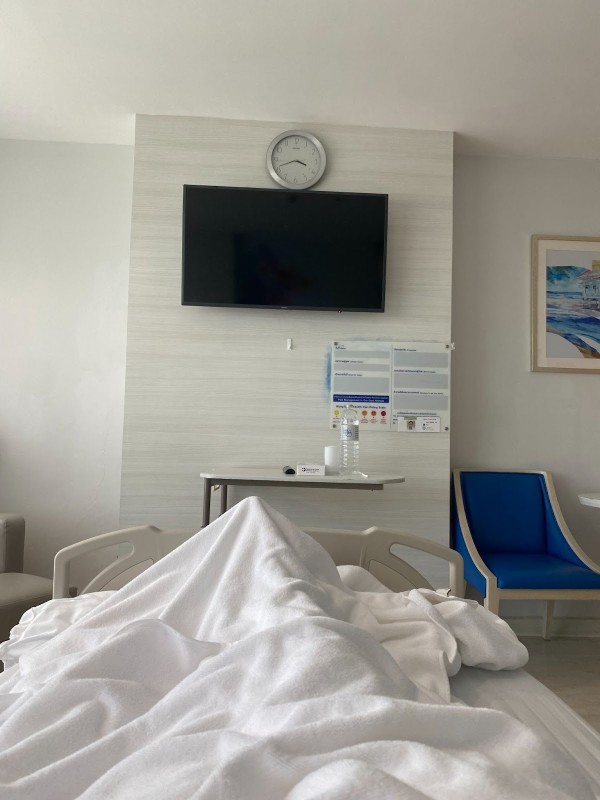
Bangkok Hospital has been especially convenient for me when I’ve needed to visit a specialist or get testing done. They’ve even been able to bill my insurance provider, Pacific Prime, directly, saving me the hassle of reimbursement.
6. Golf Is Serious Business in Hua Hin
Hua Hin has earned its reputation as Thailand’s premier golf capital with good reason. The region boasts nine world-class courses, several of which consistently rank among the top ten in Thailand. While Black Mountain and Pineapple Valley regularly receive international accolades, the historic Royal Hua Hin (also known as “The Railway”) holds the distinction of being Thailand’s first 18-hole course.
It’s definitely worth visiting while you’re here, and most clubs welcome non-members. During the high season between December and March, be sure to book in advance to lock in the spot you want.

While we’re not golfers, we’ve enjoyed going to the beautiful Pineapple Valley clubhouse for brunch and taking a few shots on the driving range.
7. Sauna Culture Is Surprisingly Popular
Whether it’s driven by the thousands of Scandinavian expats who call the city home or by weary Muay Thai fighters seeking post-training recovery, Hua Hin is evolving into an unexpected spa destination. Despite the tropical climate, the city offers a surprising abundance of Finnish-style saunas, steam rooms, and ice baths.
Local favorites include the Jintana Herb Sauna, found at its original Soi 102 location, its scenic beach location on Khao Takiab, and its third branch in Cha-Am. The Cottage Retreat in Bo Fai, Hua Hin Onsen & Spa in the city center, and House of KOON in Khao Tao also offer popular spa retreats.
My personal favorite is Jintana’s Soi 102 location. Not only do they have an ever-growing variety of saunas and cold pools to choose from, but they also offer some of the best massage in town—and there’s a restaurant/cafe on site, so you can stay all day and be served coconuts as you shvitz.
8. You Don’t Need a Car — But Life Is Easier With One
While the Hua Hin city center is compact and accessible via songthaews, taxis, or motorbikes, these options come with limitations. Songthaews stick to the main thoroughfare, taxis can be inconsistent in a smaller town like Hua Hin, and motorbikes carry inherent safety risks with limited range.
Renting or buying a car unlocks the full potential of the region, giving you the freedom to explore beyond the central strip and keeping your experience from being confined to a few predictable routes. Locals recommend Easy Car Rental Hua Hin and Ausa Car Rental.
Because we live near the center of town, we decided that hiring a car and driver occasionally made more sense than owning. That means we often rely on taxis—especially after dark—and hire a car when we need to go to another city like Bangkok or Pattaya.
Related articles:
9. Short-Term Rentals Can Be Tricky
While Hua Hin is a popular vacation destination, securing a short-term home base can be surprisingly difficult. Most apartments prioritize one-year leases, and for those that do offer monthly terms, expect to pay a 30% premium on rent and a multi-month deposit upfront. During high season, even those higher-priced short-term rentals can get snapped up quickly and vanish from the market entirely.
Keep an eye on Facebook Marketplace for current availability in the area. We found our Hua Hin rental on Facebook Marketplace and met many agents this way who were happy to show us a variety of places in their portfolio.
10. Night Markets Act as Social Hubs
Tamarind and Cicada markets are some of the most popular spots in town. Within walking distance of one another, they’re open only on the weekends and feature a wide variety of food and shopping vendors, plus live music and entertainment.
We find ourselves at one or both of these markets most weekends in Hua Hin. We tend to go for dinner first at Tamarind and enjoy the live music over a coconut ice cream, then wander over to Cicada to shop the stalls and browse the art.
Running through the center of town on Soi 72, you’ll find the popular Hua Hin night market. Every night from 6 pm, the street is shut down so visitors can freely stroll, shop, and snack. We like to have dinner at one of the many excellent restaurants along the soi, including Indian Masala and Lung Ja Seafood, before shopping the market stalls for everything from sweet treats to home decor.
11. The Rainy Season Is Milder Here
While much of Thailand experiences heavy monsoonal rains from roughly July to October, Hua Hin enjoys a geographical advantage that protects it from the worst of the rainy season. Tucked between the Gulf of Thailand and mountain ranges toward the Myanmar border, Hua Hin’s microclimate is significantly sunnier and milder compared to many other parts of Thailand, especially areas like Phuket or islands farther south along the Andaman Sea.
This might not sound like a big deal, but experiencing flooded streets in Phuket—and the unbearable humidity when it’s not raining—can change your mind. While places like Phuket can have long stretches of monsoon weather, Hua Hin tends to deal more with sporadic flash flooding and remains more tolerable year-round.
12. Despite Its Reputation, Hua Hin Isn’t Just for Retirees
While the rumors are true that Hua Hin is one of the top global destinations for retirees seeking a sun-drenched, slower pace of life, it’s also true the town is undergoing a quiet but significant demographic shift. No longer just a sanctuary for the silver-haired, it’s becoming popular with young families, digital nomads, and long-term travelers looking for something a little different. Even entrepreneurs are increasingly drawn to its unique blend of coastal calm and urban offerings.
Bar Tigre and Blush are two of our newer favorite restaurant options that turn into nightlife destinations after hours for the under-60 crowd. There are also some great hole-in-the-wall spots that cater to a younger crowd with live DJs. Check out Irie Tings, Club Hua Hin, Molly’s Bar, and Thaiger Lily.
It might still feel like retirees run the town on the surface, but look a little closer and you’ll find a growing community of creators and professionals redefining what it means to live and work in Hua Hin.

13. The Area Is Internationally Known for Kite Surfing
Hua Hin and neighboring Pranburi are world-renowned kitesurfing destinations, celebrated for their long stretches of shoreline and consistent conditions. During the kitesurfing season from December through April, peaking in March, the seascape transforms into a vibrant display of kites as international riders flock to the region.
The local scene is even home to Olympic-level talent, with a homegrown rider competing in the 2024 Games. Whether you head to Hua Hin Beach or scenic Pak Nam Pran to the south, you can watch the action from shore—or take flight yourself with a lesson from KBA Kiteboarding, with convenient locations at both spots.
14. Keep an Eye Out for the Hua Hin Eye
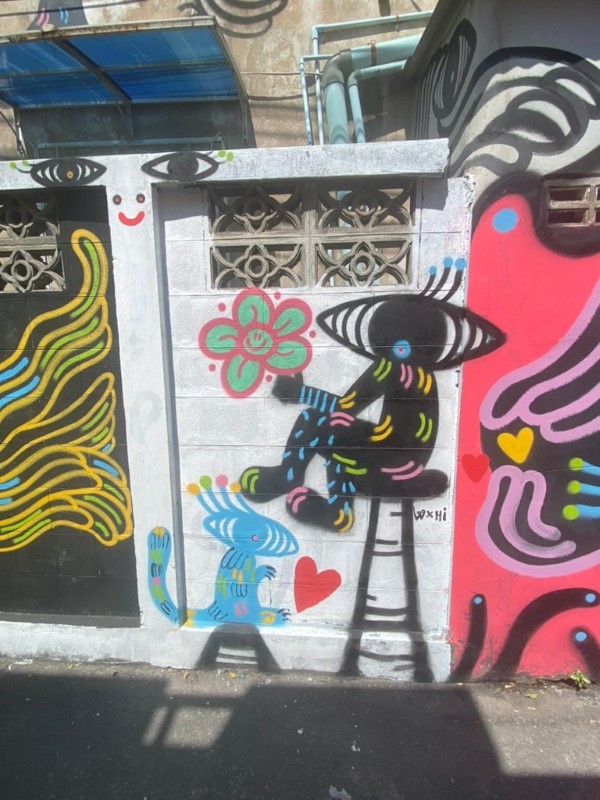
Hua Hin has its own Banksy, and you’re likely to start noticing his work all over town if you spend any time here. But unlike Banksy, the identity of our graffiti artist is well known. Khun Joe has left his notorious eyes seemingly everywhere in the city. While he once tried to remain anonymous, he’s now opened his studio to visitors, where his partner, Khun Bow, runs a small coffee shop and gallery.
To visit, find the Hisea Hotel just off Soi 55. His studio is down the narrow alley next to the hotel. You’ll see his artwork hanging as signage and lining the alleyway.
Originally from Bangkok, Khun Joe has found a generally welcoming reception in Hua Hin, a place he has called home for over 17 years. But occasionally, he’s gotten heat for where he chooses to paint, culminating in him being forced to remove work where building owners hadn’t previously granted permission. Residents are polarized on the issue. Some feel his art goes too far, while others have even formed Facebook groups to defend him.
I personally love seeing his work around town and am always surprised by his creativity and innovation. A group of our friends has even gotten an eye tattoo to symbolize their time in Hua Hin. It’s iconic!
15. Hua Hin Works Surprisingly Well for Families
With its blend of modern infrastructure and a coastal pace of life, Hua Hin is a city where safety feels like a given, healthcare is top-tier, and the great outdoors serves as the primary playground. What’s not to love for families?
Hua Hin also delivers on education with several reputable international institutions: Hua Hin International School (HHIS) near Black Mountain, The BECC (British Educational Children’s Centre) near the city center for early education and primary school, and Stamford International University in Cha-Am for higher education.
Beyond education, Hua Hin offers an appealing climate and landscape for families, something that’s increasingly hard to find in major metropolises. An active, outdoor lifestyle is encouraged, and instead of being stuck in grueling city traffic, families can be found riding bikes through quiet neighborhoods or going for a swim at one of the many local beaches. There are two large local waterparks, Vana Nava Water Jungle and Black Mountain Water Park, for families looking for something a bit more thrilling.
Our friends with families love to gather at beaches around Hua Hin. Pranburi Beach and Suan Son Beach Pradhipat are among my favorites and are also popular with Thai and expat groups who know about these gems. Many set up small BBQs and bring their own beverages, pets, and kids. It’s a lovely way to take in the sunset and enjoy the sabai sabai life in a family-friendly environment.
16. Nightlife Exists — But It Winds Down Early
There are bars, live music, and late dinners, but don’t expect full moon parties that go until sunrise. Most places wind down by midnight, and even late-night spots tend to close before 2 am. Some people love this; others struggle. But like it or not, you’re likely to find yourself enjoying earlier mornings and fewer late nights.
I’ve found the slower pace of life healing after many years in a big city. I spend a lot of time outdoors and don’t go out nearly as often as I used to. I enjoy morning yoga classes and going to the beach rather than fancy dinners or late nights. It takes some getting used to, and you do have to find your people so you’re not totally isolated—but once you settle in, it’s hard to imagine anything else.
17. Yes, There’s an Airport, but No Ferry to Pattaya
Hua Hin has an airport, and there’s always talk of adding flights, but for now, there are just two flights back and forth to Chiang Mai per week.
And despite persistent rumors, there’s no ferry to Pattaya. If it was ever there, it was pre-COVID—and if you dare to ask about its existence in a Facebook group, be prepared to be labeled a newbie and hit with a wave of not-so-cordial corrections from the seasoned (and often senior) expats who have heard the question a thousand times.
18. Facebook Groups Are Essential but Enter Carefully
Speaking of Facebook groups, it’s worth warning newcomers that while these groups are invaluable for information on property rentals, events, and local recommendations, you’re likely to run into a particularly grumpy type of long-term expat. These trolls seem to feel they own the area and make it their personal mission to gatekeep the city.
If you can stand it, use the groups anyway—and know it’s not personal.
19. Seeing Horses on the Beach (or Highway) Is Normal
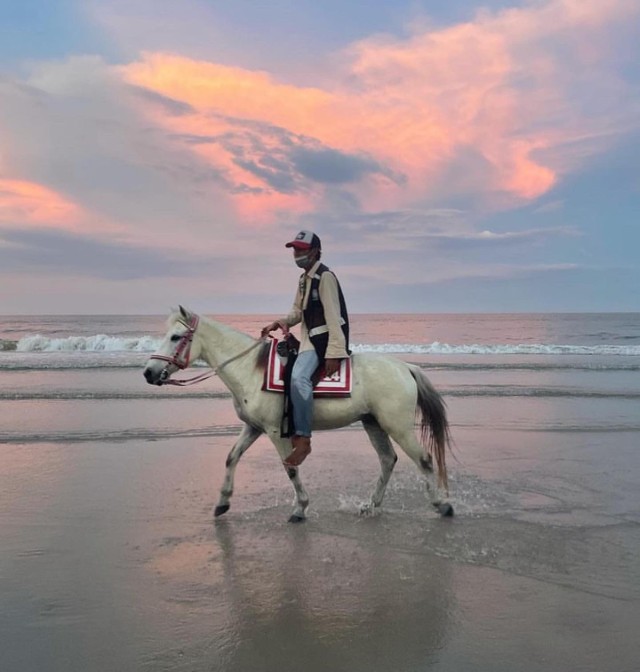
Horses are part of Hua Hin’s identity, and you’ll see them available for rides along the beaches in the center of town. There are even several horse crossings over the highway to move them safely to and from the beaches. At first, it can feel a little surreal, but that’s Hua Hin.
20. You’ll Quickly Get Used to the Best Seafood and Fruit of Your Life
Hua Hin is a coastal fishing town where fresh seafood is caught daily and widely available at markets around the city. Khao Takiab Pier market is a seafood-only market, open every morning, offering everything from blue crabs to tiger prawns to squid and sea bass (depending on the season, of course).
Many celebrated local restaurants lean heavily on the catch of the day, including Let’s Sea, renowned for a fine-dining take on traditional flavors, and Aowtakiab Seafood, for a more authentic atmosphere, where the seafood is the star of the show.
We keep coming back to Chaolay Seafood for its super-fresh seafood and ocean views. Big Fish at the Marriott is beautiful for an upscale night out.
Fancy the freshest fruit you’ve ever had? Farther inland, lush rolling valleys surround Hua Hin, providing a fertile landscape for pineapple plantations and other tropical fruit orchards—meaning you get access to excellent fruit all year round.
Chat Chai market early in the morning is a great place to see what fruit and vegetables are in season. Look for the coconut lady who will make fresh coconut milk to order, right then and there.
21. Blueport and Market Village Will Become Part of Your Routine
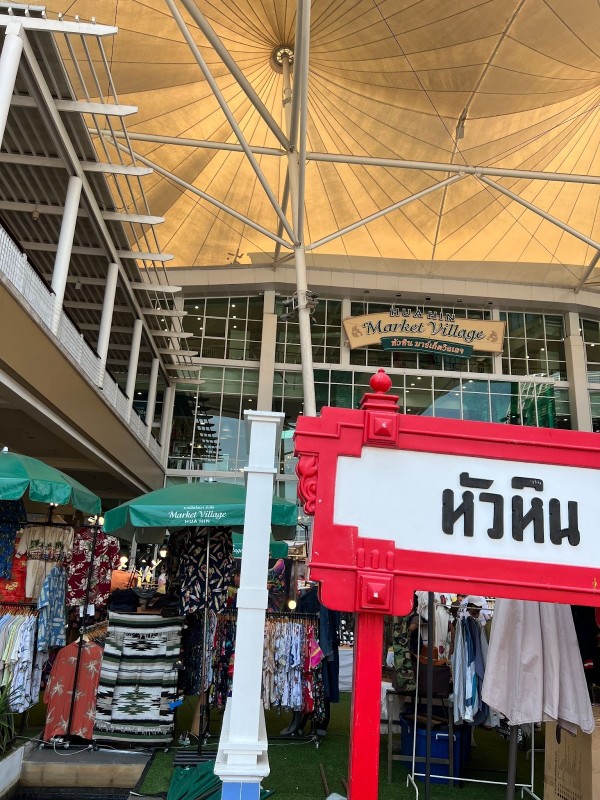
While a mall might not sound like the most glamorous destination, it’s hard to imagine Hua Hin without Blueport and Market Village. These two landmarks serve as the city’s primary social and commercial hubs, where you can catch a movie, restock your pantry with imported goods, drop off a laptop for repair, or even visit a high-end medical clinic—all under one roof.
Because of their central location and convenience, you’ll probably find yourself there more often than you expect. They also make great meeting points no matter where you live in the city. They’re not as big as most malls in Bangkok, but you’ll find essentials like Uniqlo and H&M, plus grocery stores Tesco and Big C that carry imported products.
22. Tide Times Matter for Beach Walks
Hua Hin’s beaches change dramatically with the tides. Low tide means long stretches of beach with plenty of room to walk, while high tide can shrink the beach to almost nothing. I’ve been a victim of this more than once, leaving me stranded and scrambling for higher ground after sitting comfortably on the beach just an hour earlier.
Check tidetime.org or another tide clock to be sure you’ll have enough beach to enjoy before you go. Times change daily, so it’s worth checking every time.
23. The Train Is One of the Best Ways to Explore Hua Hin
Hua Hin has a long history of rail travel. The iconic, original Hua Hin Railway Station was constructed in 1910 and rebuilt in 1926 to its current appearance. A popular tourist attraction and photo op, the station is built in a Victorian style and is one of the most beautiful in Thailand. Look for the Sanam Chandra Palace Royal Pavilion beside the platform and pay homage to Hua Hin’s long history as a royal retreat, as it was once used as a waiting room by royalty returning from visits to Klai Kangwon Palace in Hua Hin.

To catch a train, though, you’ll head just down the road to Hua Hin Railway Station. It’s bustling and brand-new (completed in 2023), with dozens of trains running daily along the Southern Line, including a four-hour train to Bangkok that runs regularly, or trains south to Surat Thani in around six hours with nine daily departures.
There are generally three ticket classes available, ranging from 144 THB for a third-class seat with a fan to 1,118 THB one way for a first-class seat with air conditioning.
There is a ticket counter at the train station, but it’s best to buy tickets online in advance to avoid disappointment and long rides on uncomfortable third-class seats. 12Go.com is a popular choice for booking.
Now, Onto You
Hua Hin doesn’t try to impress you. And yes, there are plenty of gatekeepers who will actively try to keep newcomers from “taking over” the hidden gem that is Hua Hin. It doesn’t scream for attention, and it’s best revealed slowly over time.
For the right person—and for us—that’s exactly why it works. It’s a slow burn that can end up sticking with you a lot longer than you ever expected.
Frequently Asked Questions
Is Hua Hin a good place to live long term?
It can be, especially if you want a quieter pace of life, easy beach access, and a town that’s comfortable rather than flashy. But if you need constant nightlife or a “big city” buzz, you may find it sleepy at times.
Do you need a car in Hua Hin?
You don’t need one if you’re staying near the center and can rely on songthaews, taxis, or motorbikes. But if you want to explore beyond the central strip or make regular trips out of town, a car (or hiring one) makes life noticeably easier.
Is Hua Hin only for retirees?
No. While retirees are a big part of the community, Hua Hin increasingly attracts young families, digital nomads, and long-term travelers—especially those looking for a calmer base with modern conveniences.
What’s the rainy season like in Hua Hin?
It tends to be milder than many other parts of Thailand. While Hua Hin can still deal with sporadic flash flooding, it’s generally sunnier and more tolerable compared to places that experience longer stretches of monsoon weather.
How’s healthcare in Hua Hin?
It’s one of the big positives. There are many high-quality hospitals and clinics with English-speaking staff, and they often coordinate with hospitals in Bangkok if more complex care is needed.