This article will take approximately 24 minutes to read. Don't have the time right now? No worries. Email the ad-free version of the article to yourself and read it later!
I’ve spent more than a decade living and traveling around Mexico’s coasts and inland cities. In this guide, I’m sharing the places where I’ve personally felt safest as an expat, plus what to look for in any city if safety is your top priority.
When I moved to Mexico over ten years ago, I fell in love with the country’s people and culture. I’ve lived on the Pacific Coast, the Caribbean Coast, and near the Gulf of Mexico.
I’ve spent extended time in several inland cities, meeting other expats and locals, and experiencing the cultural differences from coastline to coastline.
It seems like whenever I speak with another expat, safety always comes up. Safety in Mexico is often distorted by the media, or by a bad experience someone shares on social media.
My family and friends outside the country still ask me if Mexico is safe. I always reply the same: I feel safe in Mexico and wherever I’ve traveled within the country.
I’ve been asked several times which cities in Mexico are safer for expats. To answer that, I put together a list of cities I’ve spent significant time in. Some of these places I’ve lived in, and the others I’ve visited more than three times.
I’m always on the lookout for new adventures. For me, safety is a big part of what makes an adventure enjoyable, or a place worth calling home.
So, I’ve decided to share what I consider the safest cities in Mexico for expats.
Disclaimer: This article may include links to products or services offered by ExpatDen's partners, which give us commissions when you click on them. Although this may influence how they appear in the text, we only recommend solutions that we would use in your situation. Read more in our Advertising Disclosure.
Contents
- Key Takeaways
- Looking at the Big Picture
- Looking Past the Statistical Studies
- How Do I Come Up with This List?
- Pacific Coast: Puerto Vallarta
- Caribbean Sea: Cozumel
- Interior Mexico: San Miguel de Allende
- The Yucatan Peninsula/Gulf of Mexico: Merida
- Lake Chapala: Ajijic
- What Makes These Cities in Mexico Safer for Expats
- Bonus Picks from Me
- Now, On to You
- Frequently Asked Questions

Key Takeaways
- Mexico can look dangerous in national-level headlines and reports, but safety changes a lot from one state to the next, and even from one neighborhood to the next.
- I built this list from places I’ve lived in or returned to repeatedly, plus conversations with locals and longtime expats who know the day-to-day reality.
- The places that felt safest to me tend to share a few basics: stable local economies, established expat communities, and visible policing in tourist and residential areas.
- Even in the safest cities, petty crime can still happen, so where you live, how you move around at night, and simple awareness still matter.
- If safety is your top priority, focus less on Mexico as a whole and more on choosing the right city, then choosing the right neighborhood inside that city.
Looking at the Big Picture
No matter what study I look at or which government sites I check, from the United States or Canada, Mexico is often portrayed as a violent, crime-ridden country. The media would have you believe the cartels control everything.
Organizations such as the World Justice Project and the Global Peace Index can paint a bleak picture of safety for people living in Mexico. But these statistical studies rely on countrywide data.
They also tend to emphasize cartel-related activity in states where groups fight over control of drug smuggling and human trafficking.
I drilled down further, and the Mexico Peace Index from Vision of Humanity offers state-by-state detail. I also learned that Mexico’s National Institute of Statistics and Geography (INEGI) tracks crime data, and private companies like El Cri monitor Mexico’s judicial systems for up-to-date information.
On paper, Mexico doesn’t always look attractive because of the level of crime reported across the country.
That said, I understand why people worry that Mexico isn’t safe. In fact, I agree, in some areas. Mexico is a big country. Some places are dangerous, and others are very safe.
Looking Past the Statistical Studies
When I first moved to Mexico, I didn’t think much about safety. And I didn’t look at safety statistics, partly because they weren’t as widely available back then.
I was living in Puerto Vallarta, and life felt relaxed. After moving from Puerto Vallarta to Playa del Carmen and Cozumel, life still felt laid-back and uneventful.
Living in, and visiting, these locations, I noticed a dedicated police presence geared toward protecting tourists and expats. Patrols were common. Police walked the streets, followed regular beats, and were generally friendly, unless someone was breaking the law.
How Do I Come Up with This List?
I used a variety of tools to gather information on the safest cities in Mexico for expats. I took time to interview longtime friends, looked at crime data from Numbeo, and reviewed economic data from Mexico’s Secretary of Economics via Data Mexico.
The biggest factor for me, though, was firsthand experience and local connections. I’ve lived in Mexico for decades. I’ve lived in, or visited, cities throughout the country many times, and I understand the day-to-day nuances of staying safe here.
In general, I’ve found these four things matter most for expats who want to feel safe in Mexico:
- A thriving economy: A strong local economy and high employment can help stabilize crime, while offering more opportunities for people who live there.
- Visible expat communities: New expats can find advice and support, and expat-heavy areas tend to be safer.
- Dedicated police forces: Especially those geared toward preventing crimes against tourists and expats.
- Local knowledge: I speak with locals while writing articles like this.
I also chose cities from different parts of Mexico. It’s a large country, after all, so if you’re drawn to a particular region, you’ll already have a safe city to consider.
Pacific Coast: Puerto Vallarta
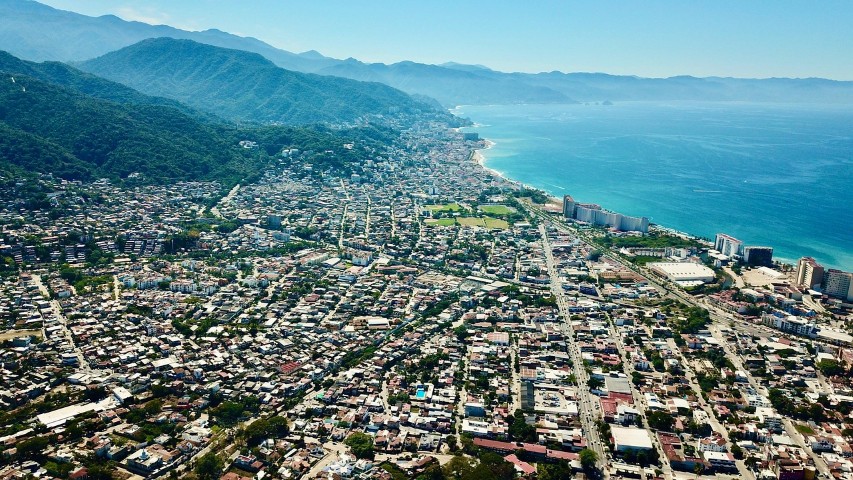
The beachside community of Puerto Vallarta is home to over 15,000 full-time expats, with that number swelling to over 45,000 during the height of tourist season.
I’ve been to Puerto Vallarta many times and never felt out of place. I found the community to be safe, supportive, and well-rounded for expats.
Safety in Puerto Vallarta
I lived in Puerto Vallarta for a total of three years over a five-year period. I think Puerto Vallarta has done a great job keeping up with the infrastructure needed to support tourism safely, without losing the charm of a beach town.

Infrastructure and public safety
For example:
- There are streetlights in many parts of the city.
- The city has installed 24/7 surveillance cameras in heavily trafficked tourist areas and along the Malecón.
- Beaches have lifeguards most of the time.
There is also a strong presence of police officers in many parts of Puerto Vallarta. I regularly saw private security at grocery stores, shopping malls, and near banks.
Economy and expat involvement
The local economy is strong because of tourism, which helps stabilize the area. I found that many expats get involved in town meetings and infrastructure projects, and some bring new businesses that help keep the economy moving forward.
The city’s crime rate toward expats felt lower to me than in other Mexican cities with large expat populations.
Getting around
When it came to transportation, I mostly used public transit and found it safe.
- There are many pedestrian crossings throughout the city, and people actually use them.
- Bus stops and buses are rarely overcrowded.
Of course, bribery can be an issue. But in my opinion, it isn’t a major safety concern for expats.
Safe Neighborhoods in Puerto Vallarta
I lived in Olas Altas, also known as Emiliano Zapata, just outside Zona Romántica, and found everything within a safe five- to ten-minute walk.
I found several neighborhoods that tend to feel safer for expats, including:
- Zona Romántica (the Romantic Zone)
- Gringo Gulch
- Marina Vallarta
There are plenty of gated communities in the Conchas Chinas area, too.
Areas to Avoid in Puerto Vallarta
I don’t recommend renting in or visiting Ixtapa, El Coapinole, or Pitillal. These neighborhoods have a higher rate of burglaries and street assaults.
Related article: How to Retire in Puerto Vallarta
Caribbean Sea: Cozumel
Cozumel is a haven for scuba divers, many of whom are American citizens who chose not to return to the USA. Cozumel also has a strong expat business community that can make the transition from the USA to Mexico easier.
Today, the island has roughly 90,000 residents year-round, with approximately 2,500 expats living in Cozumel. In the winter, the expat population often doubles to around 5,000.
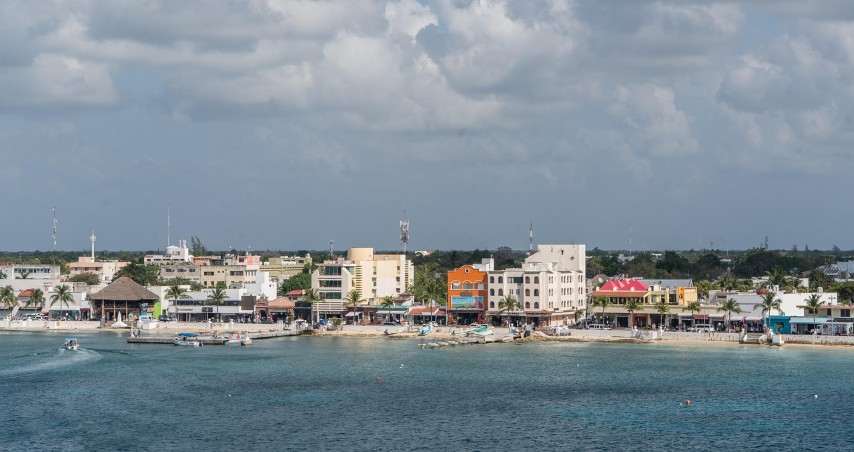
Safety in Cozumel
Over the two years I lived in Cozumel, I didn’t run into any safety issues. The city felt so safe that locals would park scooters unattended without extra locks, and bicycles without chains.
Withdrawing money from an ATM also felt safe. Many ATMs are in well-lit plazas, and some only allow one person inside at a time. I used my debit card for plenty of purchases in Cozumel and never had problems.
Strong expat and government presence
I also noticed that the expat community was tight-knit and engaged with local government.
During the day, police were more visible when cruise-ship tourists arrived. Officers were often stationed on streets, corners, and other high-traffic areas when ships docked.
There’s also a large federal presence on the island, with military and naval bases. Soldiers were more visible during major events like Carnival and the Ironman race.
Crime levels
Cozumel has a tourist-based economy built around scuba diving, water activities, and a substantial cruise business. Crime against expats and tourists felt low. When I lived there, I rarely heard about crime at all.
Looking at the data, crime has increased in recent years, but it still feels like a safe city overall.
Transportation and walking
Transportation was easy for me. I used public transportation and taxis without issues. Taxis are required to show their rate sheet upon request, so you can confirm the price. Still, it’s smart to agree on the fare before you get in.
It also felt safe to walk around Cozumel. Roads are well paved with fewer cobblestone streets, which makes walking easier. Downtown felt safe during the day and at night.
That said, I used more judgment in the evenings on outlying streets and along the Malecón.
Safe Neighborhoods in Cozumel
I lived downtown near the ferry terminal to Playa del Carmen, and I found both my apartment and the neighborhood to be safe.
I also have expat friends who live in other neighborhoods that feel safe for expats, including:
- Corpus Christi for larger homes (but you’ll need a vehicle)
- Adolfo Mateos, as an alternative that’s still close to downtown
Also, Cozumel has larger hacienda-style homes with pools and big gardens. Some of these properties are farther from the city, though, so you’ll likely need your own vehicle.
Areas to Avoid in Cozumel
There are a few areas I tend to avoid in Cozumel, especially at night:
- San Miguel 1 and 2, which have higher rates of home break-ins, assault, and robbery
- 10 de Abril and Emiliano Zapata, due to pickpocketing issues
I also stayed away from the ferry terminal to Playa del Carmen in the evening. There tends to be an uptick in petty crime during Carnival in February, and I avoided poorly lit streets during that time.
Related article: How to Retire in Cozumel
Interior Mexico: San Miguel de Allende
San Miguel de Allende is a UNESCO World Heritage Site city that isn’t just a great place to live, it’s also a safe city with a large expat community. The expat community here tends to help newcomers who are trying to make the move to Mexico.
The climate in San Miguel de Allende is also mild throughout the year, which helps draw more expats into the area.
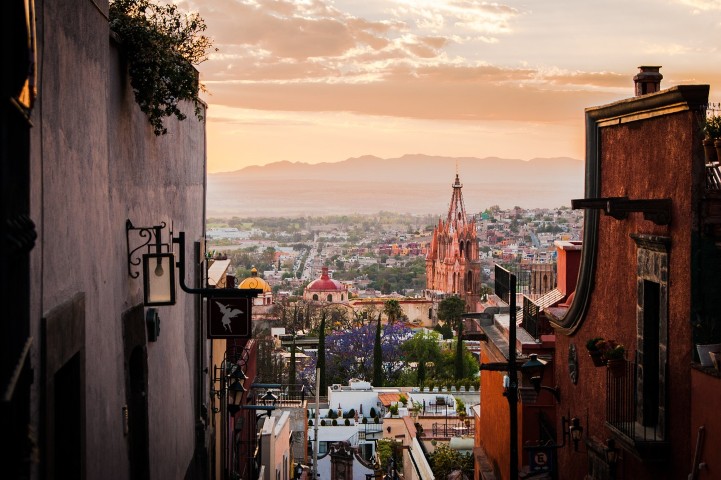
Safety in San Miguel de Allende
I’ve visited San Miguel de Allende several times over the last ten years. On paper, it might not look as safe as other cities on this list, but based on my observations, and conversations with friends who live there, it still felt like a safe city.
For example:
- The historic center is a pedestrian-only zone with well-lit streets and wide walkways.
- The area around Ignacio Ramírez Market felt safe day and night, with food vendors out in the evenings and deliveries monitored by security.
- The parks in the center of town were always busy. People often left belongings unattended while chasing kids across the plaza.
- Many residents have installed security cameras, created neighborhood watch groups, and built more gated communities to accommodate the ongoing influx of expats.
- Walking didn’t feel crowded, and I didn’t feel the constant need to guard against petty theft.
There’s also a thriving expat community in San Miguel de Allende, and it stays active with local government.

The one thing I don’t love about San Miguel de Allende is the walking. It can be tough, especially for retirees, because the streets are cobblestone and often uneven.
Safe Neighborhoods in San Miguel de Allende
There are many neighborhoods that feel safe for expats in San Miguel de Allende.
- Near the Ignacio Ramírez Market. This is where I stayed last time, about a 10-minute walk from downtown.
- Downtown, where you’ll find 16th– and 17th-century hacienda-style homes with gardens
San Antonio is a favorite for expats who want a neighborly Mexican vibe, and the hillside of Los Arcos offers modern homes mixed with older colonial architecture (you’ll likely need a vehicle).
Areas to Avoid in San Miguel de Allende
I avoided walking on streets outside the central area, especially those that were poorly lit.
Locals and expats also told me to avoid these neighborhoods:
- Las Cuevitas
- Olimpo
- San Rafael
- Ejido de Tirado
I took their advice and didn’t go into those areas. Also, Celaya, about 35 miles away, was described to me as dangerous for anyone, not just expats, so I didn’t visit.
Related article: How to Retire in San Miguel de Allende
The Yucatan Peninsula/Gulf of Mexico: Merida
Mexico’s fourth-largest city, Merida, has an international feel similar to Mexico City, Guadalajara, or Monterrey. The big difference is that Merida has far less crime, pollution, and congestion.
Even though Merida has over one million residents, it still has a relatively small, but growing, expat community of about 7,000 people.
That smaller expat presence shouldn’t be alarming. The community grows year after year as more people discover this “hidden gem” on the Yucatan Peninsula.
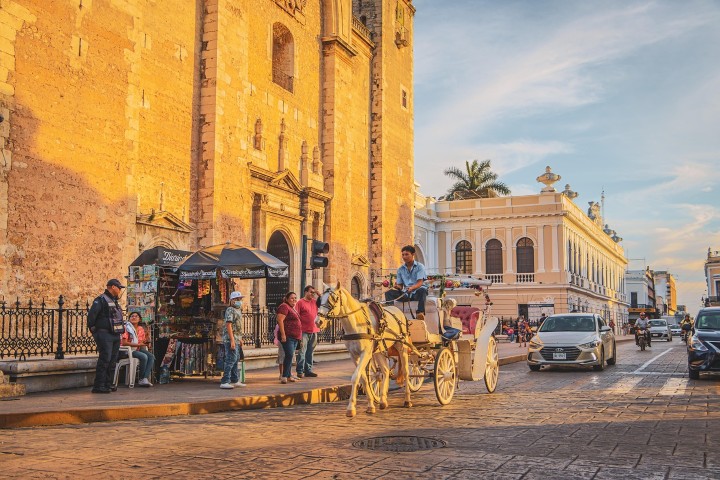
Safety in Merida
Merida consistently ranks as the safest city in Mexico year after year. One thing I noticed is the strength of Mayan cultural roots among residents. The community feels tight here, and that contributes to a strong sense of safety.
Downtown is lively, with plenty of people out walking. I saw people eating on outdoor patios, at restaurants and street stalls, who would sometimes leave belongings at their table when heading to the restroom.
I also noticed ongoing improvements in safety in Merida. For example:
- There’s more security around the Tren Maya station.
- Police patrols are common throughout the city, especially in less desirable areas and industrial zones tied to international businesses.
Merida also has a multilingual business community, with companies from Germany, France, and different Asian countries. These businesses work with government officials to improve safety, and private security is common in shopping areas.
Merida has low unemployment and a growing economy. New infrastructure projects have helped the city plan thoughtfully, and it continues to grow with different industries, including tourism connected to the Tren Maya.
Safe Neighborhoods in Merida
There are many safe neighborhoods in Merida, including:
- Downtown
- García Ginerés (just outside downtown, with beautiful architecture)
- Cholul, with newer housing options closer to strip malls and shopping centers (think suburbs)
- Benito Juárez Norte, with a variety of affordable housing options and about a 10-minute drive to downtown
Areas to Avoid in Merida
Below are areas you should keep your distance from:
- Emiliano Zapata Sur
- Cinco Colonias
- San Antonio Xluch II, which locals told me has ongoing problems
I also stayed away from Kanasín, a southeastern suburb, which has a high volume of incident reports filed with local police.
Related article: How to Retire in Merida
Lake Chapala: Ajijic
The Lake Chapala area includes three places:
- Ajijic
- Chapala
- San Antonio Tlayacapan
From the small community of Ajijic, the area is known for its Mexican culture and is currently listed as a Pueblo Mágico by the Mexican government.
The biggest concentration of expats around Lake Chapala is in Ajijic, just west of Chapala. The expat population fluctuates from around 7,000 in the summer to about 20,000 in the winter.
The large expat community is also known for being helpful to first-time expats relocating to Mexico.
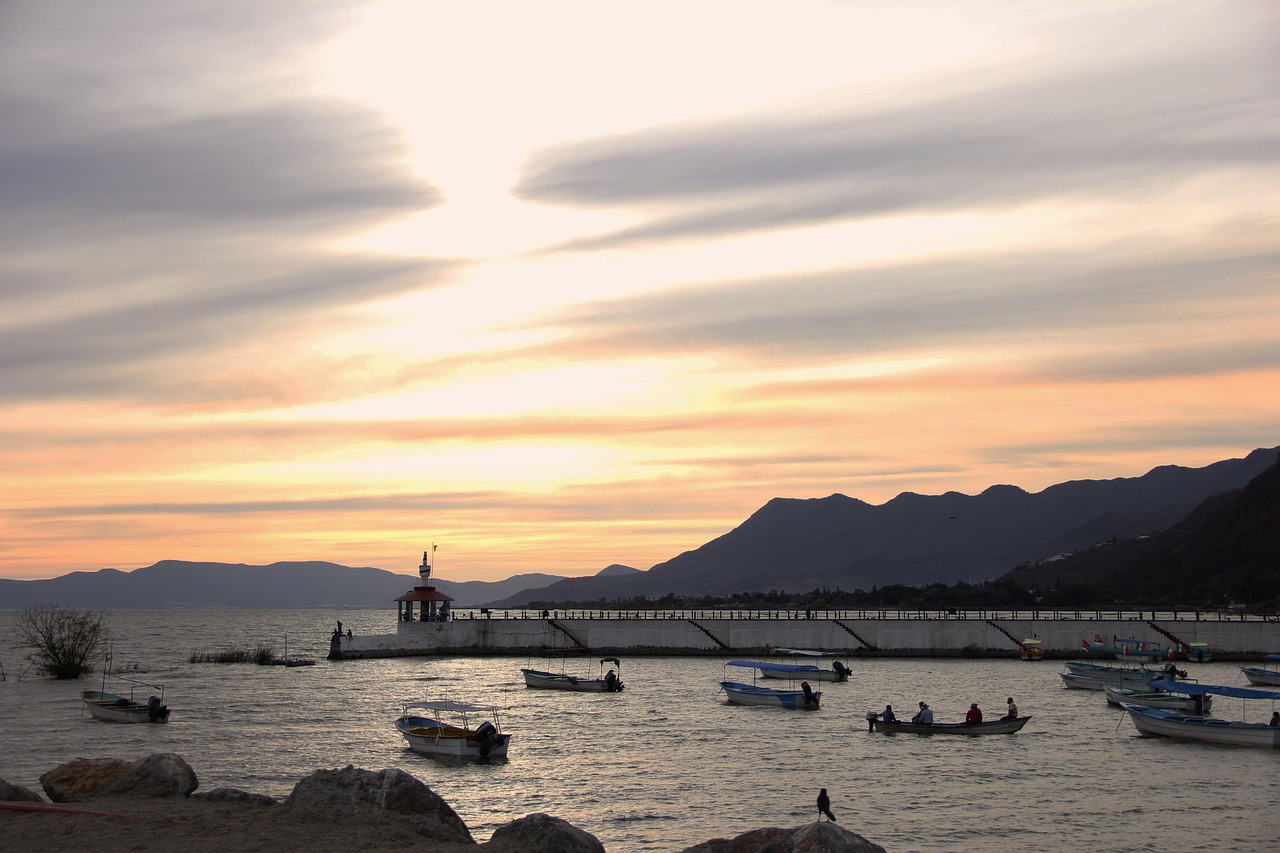
Safety in Lake Chapala: Ajijic
Ajijic has one of the largest expat communities in Mexico, and there’s a high level of cooperation between expats and local government around safety. Most people I met here were happy, helpful, and full of advice to help you settle in safely.
On top of that, the overall crime rate in the Lake Chapala area has increased very little over the years. For me, Ajijic is one of the safer places for expats in Mexico.
- Streets are well lit.
- People are social and enjoy picnics along the lake.
- There’s a noticeable police presence throughout the area.
- Many police officers and security guards can speak English (which is fairly rare in Mexico).
There’s one safety challenge, though: walking on cobblestone streets can be tricky. They can get very slippery when wet, and it’s easy to twist an ankle.
Safe Neighborhoods in Ajijic
There are several safe neighborhoods in the area, including:
- Downtown. (I usually stayed on the west side. It’s convenient, with street artists, restaurants, entertainment, and art galleries all within easy, well-lit walking distance.)
- La Floresta, a gated community designed by a renowned architect, with spacious homes in a 16th– to 17th-century style
- Las Salvias, with great views of Lake Chapala and cobblestone streets (vehicle needed)
Areas to Avoid in Ajijic
Ajijic and the Lake Chapala area didn’t have any specific neighborhoods that I felt I needed to avoid.
That said, locals often told me to avoid areas to the south and southwest of Ajijic, along the Colima and Jalisco borders, including Tuxcueca and Zacoalco de Torres.
I kept my distance from traveling in those areas.
Related article: How to Retire in Lake Chapala
What Makes These Cities in Mexico Safer for Expats
Cities in Mexico where expats live are often considered safer. Expats who live in Mexico usually learn where to go, and where not to go, within their comfort zone, much like I do in the United States.
There are many reasons these cities feel safer for expats. Most of them share two things in common:
- a long-standing expat community
- a strong economy with a high employment rate
Of course, petty crime, robbery, and even occasional assault can happen anywhere, even in a safe city. But most of the time, these incidents are reported, and municipal police investigate.
In general, most expats don’t choose to live in areas where cartels are heavily concentrated and in conflict with each other.
Bonus Picks from Me
There are other places that aren’t as popular with expats yet, but they can be great, and safe, options to live in.
Interior: Santiago de Queretaro
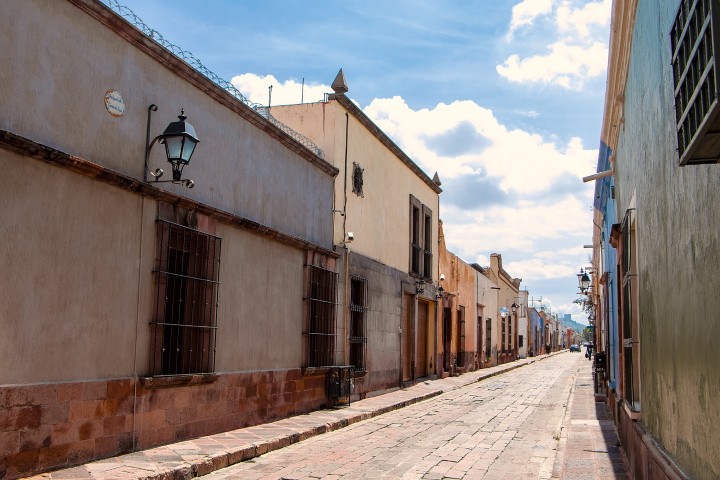
I lived in Santiago de Querétaro for a month and felt safe there. The city also has a strong police presence in parks, on foot patrols, and in vehicles.
I stayed in the historic downtown area and could walk to five different parks within 10 minutes. No matter what time of day or night I walked, everything around me felt safe.
Pros
- Crime is very low toward both expats and locals.
- An unspoiled gem for expats looking for an authentic Mexican lifestyle, paired with American-style amenities.
- A very affordable urban city with a robust economy focused on fabrication and technology.
Cons
- A smaller expat community. San Miguel de Allende is a two-hour bus trip, and Mexico City is five hours away.
- Traffic and congestion around the city.
- Fluent, conversational Spanish is necessary.
- Very few English-speaking medical professionals.
Safe Neighborhoods for Expats: Juriquilla, Zibatá, and Álamos.
Neighborhoods to Avoid: Santa María Magdalena, La Loma, and La Pradera.
South Pacific Coast: Huatulco
When I visited Huatulco, Oaxaca, I stayed with a Canadian expat family in Sector K who had lived there for eight years. I was surprised by how laid-back the town felt during the low tourist season (May through November).
Huatulco has more Canadian expats than American expats living there year-round. When I spoke with them, I picked up a different, but still very positive, sense of safety.

The area is quite different from other parts of Mexico. Land distribution is based on community shareholders, which creates opportunities for indigenous families who have lived in the area for generations.
I noticed plenty of police, both in vehicles and on foot, which helps with crime prevention. I also saw security guards in shopping areas, near ATMs, and around tourist spots.
Driving felt pleasant, and I felt safe driving around town and nearby areas. Walking also felt fine, with no safety issues. The town center was well lit, which always helps.
Pros
- A laid-back beach lifestyle.
- American-style amenities.
- Lower crime.
- A large Canadian expat population.
Cons
- A higher level of Spanish is needed.
- Fewer English-speaking doctors are available in Huatulco.
- A car is necessary.
- Seasonal flights from major airlines during the summer months.
Safe Neighborhoods in Huatulco: Conejos, Santa Cruz, Sector H, Sector K, and Sector U.
Neighborhoods to Avoid: I didn’t notice any specific neighborhoods in Huatulco that you need to avoid for safety.
Now, On to You
Now you have a clearer picture of safety, whether you’re visiting or relocating to one of the safest cities in Mexico for expats.
Mexico is a big country, and my observations about safety in each city are based on real conversations with expats who live in these areas.
I believe there are plenty of safe cities, towns, pueblos, and rural areas for expats in Mexico. But those places often require stronger Spanish skills and a greater awareness of your surroundings.
Now it’s time to hone your Spanish so when you make the transition, you’re ready.
Frequently Asked Questions
Is Mexico safe for expats?
Based on my experience, Mexico can be very safe for expats, especially in the right cities and neighborhoods. Safety varies by area, and Mexico is large enough that you’ll find both dangerous places and very safe ones.
What do the safest cities for expats in Mexico have in common?
In my experience, the safest cities for expats usually share a few things: a strong economy, an established expat community, visible policing in tourist and residential areas, and access to local knowledge about which neighborhoods to choose.
Do “safe” cities in Mexico still have crime?
Yes. Even in safe cities, petty crime and occasional robbery can happen. The difference is that these places tend to have more stability, stronger community awareness, and more visible enforcement, especially in areas where expats and tourists spend time.
How did you choose the cities in this list?
I chose cities I’ve lived in or visited repeatedly. I also used a mix of sources, like Numbeo and Data Mexico, but the most important factor for me was firsthand experience and conversations with local residents and longtime expats.