This article will take approximately 27 minutes to read. Don't have the time right now? No worries. Email the ad-free version of the article to yourself and read it later!
For years, digital nomads in Asia operated in a legal gray area. Long before official digital nomad visas existed, they were already living in countries like Thailand, Indonesia, Vietnam, the Philippines, and Malaysia because of the low cost of living, reliable infrastructure, and established nomad communities.
The issue was that there was no visa specifically designed for them. Most relied on tourist visas, which were not intended for remote work. As a result, every border run came with uncertainty about possible entry denial. Working from a co-working space could raise questions, and tax obligations were often unclear.
In recent years, however, more Asian countries have introduced official digital nomad or remote work visas that allow remote workers to stay legally.
That said, requirements vary widely. Some countries, such as Japan, South Korea, and the UAE, are better suited to employed remote workers because they require proof of an employment contract. Others, such as Thailand, Malaysia, and Taiwan, are more flexible and accept freelancers or self-employed remote workers.
Disclaimer: This article may include links to products or services offered by ExpatDen's partners, which give us commissions when you click on them. Although this may influence how they appear in the text, we only recommend solutions that we would use in your situation. Read more in our Advertising Disclosure.
Contents
Key Differences Across Asian Digital Nomad Visas
Here’s a quick set of good-to-know facts:
- Visa Durations: Visa durations range from 6 months (Japan and Taiwan initial stay) to up to 10 years in total (Kyrgyzstan).
- Income Requirements: Minimum income requirements vary widely, from no formal income requirement (Kyrgyzstan) to around US$70,000 per year (Japan and South Korea).
- Health Insurance: All Asian digital nomad visa programs require valid health insurance covering the duration of stay.
- Tax: In Asia, most digital nomad visas do NOT automatically exempt you from tax. In many cases, staying more than 183 days triggers worldwide income taxation
- Internet Quality: Internet quality across Asia is generally strong, with South Korea, Japan, Taiwan, the UAE, and major cities in Thailand and Malaysia offering some of the fastest and most reliable internet globally.
- Healthcare: Japan, South Korea, Taiwan, Thailand, Malaysia, and the United Arab Emirates are generally regarded as having the strongest healthcare systems among Asian countries offering a digital nomad visa.
- Upcoming Visa: The Philippines is working on introducing a digital nomad visa. We will include it in the list once it is officially released. Read our guide to the Philippines digital nomad visa to find out more.
Best Digital Nomad Visas in Asia
Here’s a list of the best digital nomad visas in Asia based on different scenarios in our opinion.
Best for high-income remote employees
- Japan
- South Korea
- UAE (Dubai)
Best for freelancers and self-employed
- Thailand
- Malaysia
- Taiwan
Best low-income threshold options
- Kyrgyzstan (no income threshold)
- Thailand (no income requirement. You must have at least THB 500,000 (~US$16,000) in your bank account)
- Sri Lanka (US$2,000 per month)
- Malaysia (US$24,000 per year for tech professionals)
- Taiwan (US$20,000 per year for applicants aged 20 to 29)
Best for long-term stays
- Kyrgyzstan (up to 10-year extensions)
- Indonesia (up to 6 years)
- Thailand (up to 5 years validity)
Best for tax efficiency
- UAE (Dubai)
- Kazakhstan
- Kyrgyzstan
Digital Nomad Visa in Asia Comparison Table
The table below lists all Asian countries that offer a digital nomad visa, along with their requirements. It also shows whether you may become a tax resident, how digital nomad visa holders are generally taxed, and whether it is possible to open a local bank account.
| Country | Visa Name | Duration | Income Requirements | Tax Resident | Pay Local Tax? | Bank Account? |
|---|---|---|---|---|---|---|
| Indonesia | E33G Temporary Resident Visa | 1 year, renewable up to 6 years | US$60,000 per year; foreign employment contract | 183 days/year | Worldwide income is subject to 35% after you become a tax resident | Yes |
| Japan | Digital Nomad Visa | 6 months, non-renewable | JPY 10,000,000 per year (~US$70,000); eligible nationality | No | No | No |
| Kazakhstan | Neo Nomad Visa | 1 year + 1 year extension (max 2 years) | US$3,000 per month; insurance; invitation letter unless exempt | 183 days/year | Worldwide income is subject to 10% after you become a tax resident | Yes |
| Kyrgyzstan | Digital Nomad Visa (DN) | 6 months. Then, 1 year extension (up to 10 years) | No minimum income; ICT-related profession; foreign remote work | 183 days/year | Worldwide income is subject to 10% after you become a tax resident. | Yes |
| Malaysia | DE Rantau Nomad Pass | 3–12 months, extendable up to 24 months | US$24,000 (tech) or US$60,000 (non-tech) per year | 182 days/year | Worldwide income can be subject to tax of up to 28% after becoming a tax resident. | Unlikely |
| South Korea | F-1-D Workation Visa | 1 year + 1 year extension (max 2 years) | Twice Korean GNI per capita of the previous year (~US$70,000 per year); foreign employment | 183 days/year | Worldwide income can be subject to tax of up to 42% after becoming a tax resident. | Yes |
| Sri Lanka | Digital Nomad Visa | 1 year, renewable | US$2,000 per month | 183 days/year | Only applies to income earned in Sri Lanka. | Yes |
| Taiwan | Digital Nomad Visitor Visa | Up to 180 days | US$20,000–40,000 depending on age; visa-exempt nationality | 183 days/year | Worldwide income can be subject to tax at up to 40% or at a 20% flat rate after becoming a tax resident. | Yes, but the process can be challenging. |
| Thailand | Destination Thailand Visa (DTV) | 180 days + 180-day extension, valid up to 5 years | THB 500,000 savings (~US$16,000); proof of remote work | 180 days/year | Not necessary unless you bring your worldwide income to Thailand. Double taxation agreement applied. | Unlikely |
| Türkiye | Digital Nomad Visa | Up to 1 year | US$3,000 per month; degree; age 21–55; eligible nationality | 183 days/year | Worldwide income can be subject to tax of up to 40% after becoming a tax resident. | Yes |
| United Arab Emirates (Dubai) | Virtual Work Visa | 1 year | US$3,500 per month; foreign employment contract | 183 days/year | 0% after becoming a tax resident. | Yes |
Indonesia
While Indonesia, especially Bali, is one of the world’s most popular digital nomad destinations, its current visa options aren’t very flexible. The Remote Worker Visa (E33G) requires an employment contract with a company based outside Indonesia.
The visa is aimed at remote workers and comes with two main income requirements:
- You must have a contract with a company outside of Indonesia
- You must show financial proof of an annual income of US$60,000
The visa is valid for one year. And you can open a bank account with it.
Tax in Indonesia depends on your tax status. If you are there for less than 183 days in a year, you are considered a non-tax resident and do not need to pay tax on your worldwide income in Indonesia.
On the other hand, if you stay for more than 183 days in a year, you must report your worldwide income and will be subject to tax rates of up to 35%. However, if you have already paid tax on that income in another country, you may be able to claim it as a tax credit under a Double Taxation Agreement to reduce your Indonesian tax liability.
It is also worth noting that the Indonesia Remote Worker Visa is not suited to budget nomads due to its relatively high-income requirement compared to other countries in Asia.
Official Source: Indonesia Remote Worker Visa (E33G)

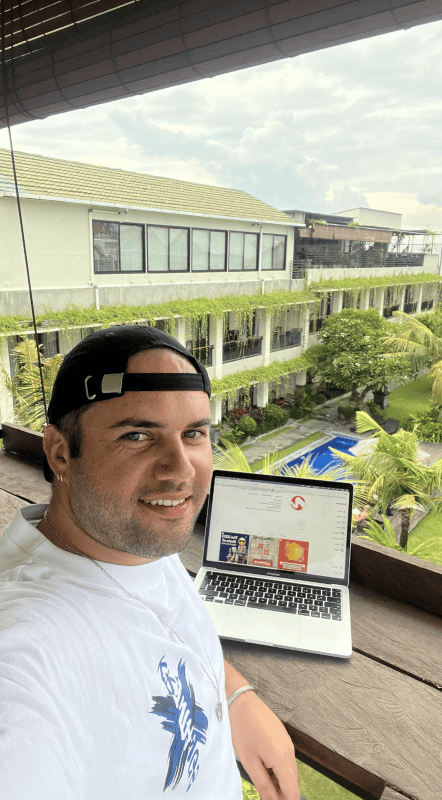
In my opinion, Bali is one of the best places to be a digital nomad, live, and work.
First of all, life here is incredibly easy. You don’t have to think about what to wear, what to eat, where to work, or where to socialize—everything, absolutely everything, is very easy here.
Erdem Sentunali from NomadVibe.
Japan
Japan’s digital nomad visa has the highest income requirement in Asia and also allows the shortest stay in the country at just 6 months, with no option to renew.
There are two main requirements:
- You must have an annual income of at least JPY 10,000,000 per year (about US$70,000)
- You must be a citizen of one of the eligible nationalities listed on the official site, such as the USA, UK, or Germany
You cannot open a bank account in Japan with a digital nomad visa. Since the stay is limited to 6 months, you cannot become a tax resident and do not need to pay income tax in Japan.
Also, since Japan’s digital nomad visa only gives you a 6-month stay, it might not be that interesting if you are from a country like the USA, UK, Germany, and many EU countries where you can already stay in Japan for 90 days visa-free (and possibly extend it to a 6-month stay).
That said, it’s still an option if you want to make sure you can stay in Japan for 6 months as a remote worker (since extending a stay from a visa exemption isn’t always guaranteed), if you need a legit remote work visa status, or if you are from a country that can’t stay in Japan visa-free for that long.
Official Source: Japan Digital Nomad Visa – Ministry of Foreign Affairs

Kazakhstan
Kazakhstan offers the Neo Nomad Visa (B12-1) for digital nomads who want to work remotely while living in the country. However, it is not easy to get for several reasons:
- The income requirement quite high in Asia, which is at least US$3,000 per month
- There are many required documents. For example, you need to have your tax returns and criminal record apostilled. Unless you are from one of the 48 nationalities listed on the official site, you also need an invitation letter.
- The whole process can be complicated. For example, you may not be able to get an appointment with a Kazakhstan consulate or embassy easily, and it can take several weeks for your application to be approved.
Anyway, a good thing is that it is possible to stay in Kazakhstan for up to 2 years. Initially, the visa allows a 1-year stay. After that, you can extend it for another year.
When it comes to tax, your worldwide income is subject to a 10% tax (which is quite low) if you become a tax resident by staying in Kazakhstan for more than 183 days per year.
Kazakhstan, especially Almaty, is quite a hidden gem and not widely known among nomads. The country has a low cost of living, and you can live comfortably on around US$1,000 per month. The overall infrastructure is good, with many interesting places to explore. However, English is not widely spoken.
You can also apply for e-Residency and open an online bank account easily through the Official Kazakhstan e-Residency website.
Official Source: Embassy of the Republic of Kazakhstan

Kazakhstan is actually a very friendly city for digital nomads. There are plenty of great cafés where remote workers set up for the day, although coworking spaces aren’t as widespread as in more established nomad hubs. The city is surprisingly green, with tree-lined streets throughout.
You can also find inexpensive, home-style meals at stolovayas, local canteens that are popular with residents. On top of that, Kazakhstan is a real paradise for adventure travelers.
Fabrio and Ryan from THE FABRYK
Kyrgyzstan
Kyrgyzstan offers a digital nomad visa (DN type visa) to citizens of 61 countries, including the USA, UK, Japan, and Germany.
While there is no minimum income requirement, the visa is currently mainly available for IT professionals.
It is possible to stay in Kyrgyzstan for up to 10 years (an initial 6-month stay, followed by annual extensions for up to 10 years).
You are subject to a flat 10% tax on your worldwide income if you become a tax resident by staying in Kyrgyzstan for more than 183 days per calendar year. You also receive a PIN (personal identification number) automatically without needing to visit a government agency.
The visa can be applied for online through the e-Visa portal. However, you may need an invitation letter from an organization in Kyrgyzstan to apply, which makes the process less straightforward. It is not the easiest visa to obtain, but it is possible.
Also, the flat 10% tax rate is quite interesting, as it is among the lowest in Asia.
Official Source: Kyrgyzstan DCS E-Visa Portal
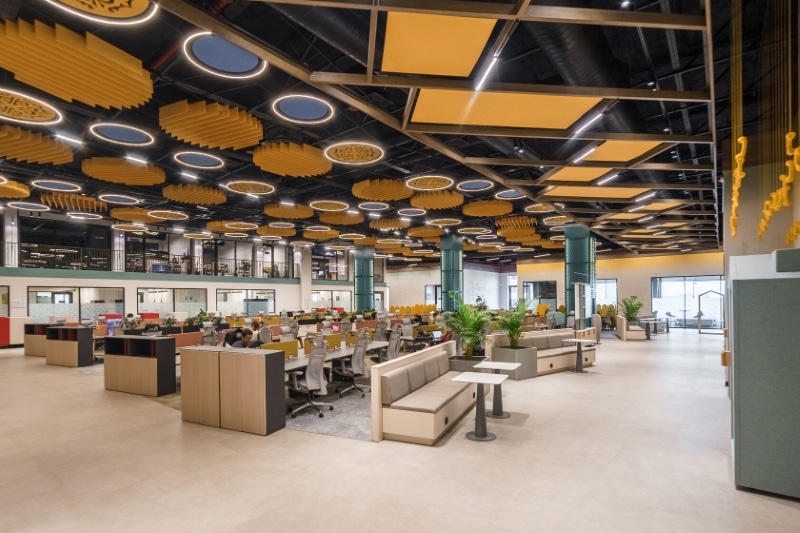

My one tip is to use Bishkek as your base for work, then get out and explore the rest of the country (Kyrgyzstan). It’s absolutely stunning. Just be aware that travel times and distances between cities can be vast.
Daniel Seymour from Dan Around the World
Malaysia
Malaysia has a digital nomad visa called the DE Rantau Nomad Pass. It is available to both digital nomads and remote workers. The visa initially allows you to stay in Malaysia for 3 to 12 months.
After that, you can renew it for up to 12 months, giving you a maximum stay of 24 months in the country.
To get the visa, you need to show proof of work, which includes active contracts with a minimum duration of 3 months, as well as meeting the following income requirements.
- US$24,000/year for tech workers
- US$60,000/year for non-tech workers
You can also bring your parents, spouse, and children with the visa.
Tax in Malaysia can be complicated because the country uses a territorial tax system, and many nomads misunderstand how it works.
If you stay in Malaysia for fewer than 60 days and you’re doing remote work for a foreign employer, you generally don’t need to pay tax in Malaysia on that income.
However, Malaysian-sourced income may be subject to Malaysian tax, depending on your tax status:
- If you stay in Malaysia for fewer than 182 days in a year, you are a non-tax resident and taxed at a flat rate of 30%.
- If you stay for 182 days or more, you are a tax resident and taxed at progressive rates of up to 30%.
Malaysian-sourced income generally includes income from work performed in Malaysia, even if the employer, contract, and payment are overseas. For example, if you work remotely for a UK company while physically in Malaysia, the income is considered Malaysian-sourced, even if payment and transactions occur outside Malaysia.
Foreign-sourced income exemption: On the other hand, Malaysia has a foreign-sourced income exemption running until end of 2026 for a tax resident. if you earned money while working outside Malaysia, you can transfer it into a Malaysian bank account without worrying about Malaysian tax on it.
As you can see, tax in Malaysia can be complex, and many people misunderstand the difference between Malaysian-sourced income and foreign-sourced income. I recommend speaking with a tax advisor or contacting the Inland Revenue Board of Malaysia (LHDN) for clarification.
Official Source: DE Rantau Nomad Pass Official Guideline

South Korea
South Korea offers a workation visa, which is mainly for business owners or remote workers. The visa allows you to stay in South Korea for a maximum of 2 years (initially 1 year, with the option to extend for another year).
However, the requirements are quite high:
- Your income needs to be at least twice the South Korea GNI per capita, which is around US$70,000 per year.
- You need to have worked in the same industry for at least one year.
- You need to be either a business owner with a business abroad or a remote worker with an employment contract.
With the visa, it is possible to bring your family.
If you are a tax resident in South Korea by staying here for more than 183 days per year, your worldwide income is subject to South Korean tax, with a progressive rate of up to 42%. Double taxation rules apply.
If you are a non-tax resident, only income earned in South Korea is taxed.
While the income requirement may seem high, you generally need at least that amount to live comfortably in South Korea anyway. The country has a higher cost of living than many other countries in Asia.
The good news is that the visa is reportedly quite easy to obtain, with a straightforward process.
Official Source: South Korea Workation Visa

Sri Lanka
Sri Lanka is the latest country to release a digital nomad visa, launched in February 2026. The visa allows you to live in Sri Lanka for one year. After that, you can renew it annually.
There are two main requirements:
- You must be a remote worker, freelancer, or business owner working for a company outside of Sri Lanka.
- Your minimum income must be at least US$2,000 per month.
Sri Lanka also allows you to bring your spouse and children with you.
You can become a tax resident in Sri Lanka after staying for more than 183 days per year. Your foreign-earned income is not subject to tax in Sri Lanka.
Please note that this visa is new. The official source also states that you need a “recommendation from the Ministry of Digital Economy,” but it is still unclear what this means. There may also be changes to the tax rules. We will update the article once more information becomes available.
Official source: Sri Lanka Department of Immigration and Emigration

Taiwan
The digital nomad visa in Taiwan only gives you a maximum stay of 180 days in the country, with the main requirements being:
- You need to come from a country with a visa-exemption agreement with Taiwan
- You need to be able to show your work contract. Freelancer contracts are fine.
- You need to have one of the following proofs:
- Having a digital nomad visa issued by another country OR
- Having a minimum income of at least US$20,000 per year during the last two years if you are between 20 and 29 years old OR
- Having a minimum income of at least US$40,000 per year if you are older than 30 years old
The whole process is quite streamlined, and you can do it online through the official website.
Taxation rules in Taiwan are quite unique because it uses a territorial tax system, similar to Malaysia.
- If you stay for less than 90 days per year, you don’t need to pay tax in Taiwan on your worldwide income.
- If you stay for more than 90 days but less than 183 days per year, your income is subject to an 18% flat rate. You need to declare and pay it before you leave Taiwan.
- If you stay in Taiwan for more than 183 days per year, you are considered a tax resident. Your personal income tax is subject to a progressive tax rate of up to 40%.*
*It’s possible to pay a flat personal income tax rate of 20% if your foreign-sourced income is over TWD 1,000,000 and your basic income is over TWD 7,500,000.
Personally, I think Taiwan is an underrated destination for digital nomads. The country has infrastructure similar to Japan, but you can easily find affordable food like in Thailand, although the cost of living is slightly higher.
Official Source: Taiwan Digital Nomad Visitor Visa
Thailand
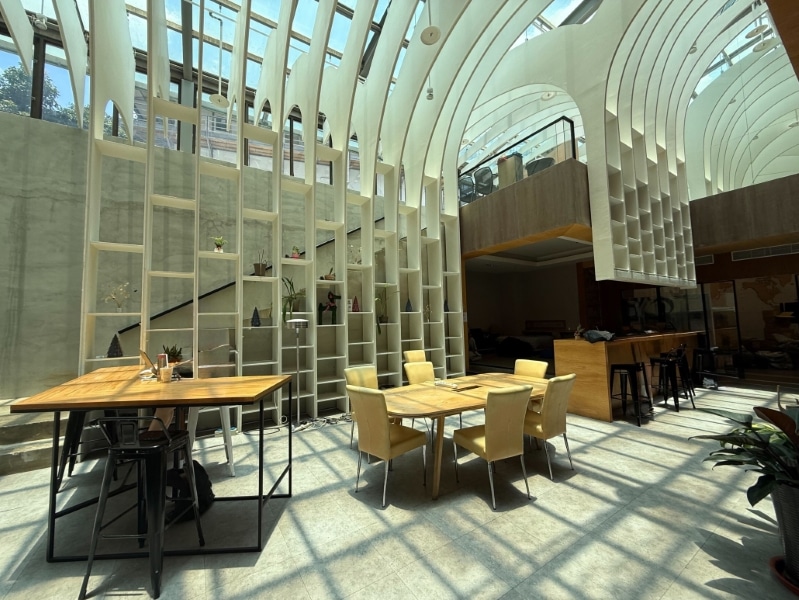
The digital nomad visa in Thailand, known as the Destination Thailand Visa or DTV visa, is among the easiest digital nomad visas to obtain in Asia. In addition, it allows you to stay in Thailand for up to 5 years, which is one of the longest durations in Asia.
To apply for the DTV visa, there are two main requirements:
- You need to have at least THB 500,000 (around US$16,000) in your bank account.
You need to fulfil one of the following requirements:- Proof of remote work, such as an employment contract, OR
- Proof of work as a digital nomad, such as a portfolio or freelance contracts, OR
- A letter of acceptance from a Muay Thai gym, cooking class, or hospital for medical treatment under the “soft power” option.
You can also bring your children or spouse with you.
Since the visa requirements are relatively low, some retirees in Thailand choose this visa instead of a Thailand retirement visa.
You can become a Thai tax resident by staying in the country for more than 180 days per year. Your worldwide income is subject to a progressive tax rate of up to 35% only if you bring that income into Thailand. Double taxation agreements apply.
The main disadvantage of the DTV visa is that you are unlikely to be able to open a bank account with it.
Read our guide to the Destination Thailand Visa to find out more.
Official Source: Official Website of Thailand Electronic Visa
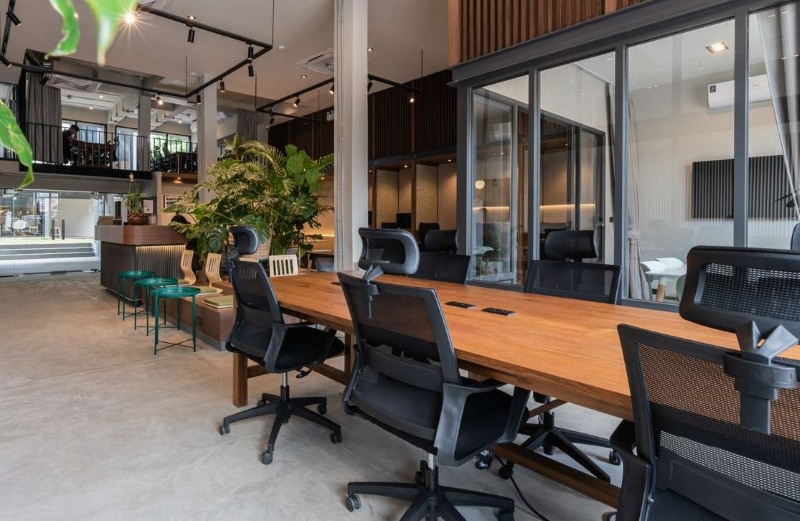

When I came here over a decade ago, there was significant friction with visas. The DTV is what I wish I had. It gives you the runway to be intentional about your long-term setup. Make sure to take advantage of it.
Scott Pressimone, Founder of Fractiond
Türkiye
Türkiye has a digital nomad visa, though no official source confirms its duration. Third-party sites report it allows stays of up to one year with possible renewal. However, this is unverified.
The requirements are also quite strict compared to other countries in Asia:
- You must come from an eligible nationality listed on the official website. Most eligible countries are in the EU and North America.
- You must be between 21 and 55 years old.
- You must have a bachelor’s degree.
- You must have an employment contract or freelance agreements with companies outside of Türkiye.
- Your monthly income must be at least US$3,000.
In practice, most digital nomads in Türkiye still simply use the standard tourist visa.
When it comes to tax, in general, if you stay in Türkiye for fewer than 183 days per year, you do not need to pay tax on your foreign-sourced income.
On the other hand, if you stay longer than that, you become a Türkiye tax resident, and your worldwide income is subject to tax at a rate of up to 40%. Double taxation agreements apply.
Please note that Türkiye has become much more expensive over the past few years due to inflation, so it is no longer a budget destination. In addition, because of unclear regulations, not many nomads apply for a digital nomad visa there. Instead, most rely on visa exemptions, stay for a few months, and then move on to another country.
Official Source: Digital Nomad Go Türkiye

UAE (Dubai)
Dubai has a virtual work visa that initially allows a 60-day stay in the country. After that, you can extend it to give you a one-year stay.
The visa is mainly for remote workers. Here’s what you need:
- At least a one-year contract with a company outside Dubai that allows remote work
- A minimum salary of US$3,500
The visa also allows you to bring your spouse and children.
One of the great advantages of Dubai’s virtual work visa is that you can obtain UAE tax resident status after staying for more than 183 days per year. In addition, salaries and dividends for individuals are not taxed in Dubai.
So, this is a country you should consider if you want to minimize your taxes.
However, you should check with your home country first if you plan to structure your tax strategy around Dubai. Some countries accept a UAE tax residence certificate easily, while others do not.
Also, due to recent bombings in Dubai, there may be changes to the digital nomad visa and the country’s overall entry requirements.
Official Source: Dubai Virtual Work Visa


It’s impressive how Dubai has built a lifestyle that feels completely safe and free from any sense of threat or unease. Then there’s the luxury and the sheer scale of everything. What also stood out to me was how even very wealthy and powerful people follow the rules, and the strong respect people show for each other and personal boundaries.
Digital nomads should definitely give Dubai a chance, even if it’s just for a week.
Erdem Sentunali from NomadVibe.
What to Do Next
This article gives you a quick summary of the countries in Asia with a digital nomad visa. If you are planning to apply for any one of them, your next step would be to check the official website of each country to see what documents you need and start gathering them. You can also check out digital nomad groups in each country to see their experiences. Just keep in mind that people may have different experiences and need different documents when applying, since each embassy or consulate may require different ones.
While it can be a hassle to get a digital nomad visa, in my opinion, it’s much better than keep extending a tourist visa. At the very least, you are no longer in a grey area.
Tax Disclaimer
Please note that the tax information provided is only a summary. Tax rules can be complex and may vary depending on your individual situation.
Also, becoming a tax resident in your destination country does not automatically remove your tax obligations in your home country. U.S. citizens, for example, are taxed on worldwide income regardless of residence. Always check double taxation agreements on both sides before relocating.
We also advise you to consult a tax advisor to ensure you are tax compliant.
*The information is accurate as of March 3, 2026.