This article will take approximately 15 minutes to read. Don't have the time right now? No worries. Email the ad-free version of the article to yourself and read it later!
Vietnam quietly rolled out a new pre-arrival system in 2026, and a separate health-declaration rule sits on standby behind it. Here’s what actually applies to you and what doesn’t.
Search “Vietnam arrival form” and you’ll run into two different names: the Pre-Arrival Information (PAI) system and a health declaration tied to Decree 165/2026/ND-CP. People lump them together online, but they’re not the same thing, and they don’t work the same way.
The PAI system is real and it’s live. The health declaration, on the other hand, mostly just sits there on standby, switched on only when Vietnam’s health ministry decides a specific disease risk calls for it. Mixing the two up is exactly how travelers end up on a scam site, paying for a form that’s either free or not needed at all.
Disclaimer: This guide is based on official sources current as of September 2026. Both the PAI system and Decree 165/2026 are still rolling out, so we’ll update this article as coverage expands to more airports or the rules change.
Contents
- Key Takeaways
- What Is Vietnam's Pre-Arrival Information System
- Why Vietnam Introduced Pre-Arrival Screening
- Who Needs to File the PAI Form
- How to Submit the Pre-Arrival Information Form
- Vietnam's Border Health Declaration Under Decree 165/2026/ND-CP
- What Happens at Passport Control on Arrival
- Common Mistakes and Pitfalls
- Frequently Asked Questions
- Is the PAI form mandatory yet, or still optional?
- Do I need to file both the PAI form and a health declaration?
- Does the PAI system apply if I'm landing at Noi Bai, Da Nang, or another airport?
- Is tokhaiyte.vn the official health declaration site?
- What if I don't have a smartphone at the airport?
- Does filing the PAI form replace my e-visa or visa exemption paperwork?
- Final Advice
- Sources Cited
Key Takeaways
- Vietnam’s Pre-Arrival Information (PAI) system started as a pilot at Tan Son Nhat Airport on April 15, 2026, and has since spread to Noi Bai, Da Nang, Cam Ranh, and Phu Quoc.
- It’s still optional, but about 70% of foreign arrivals filed one anyway during the pilot.
- File online up to three days before you land and you’ll get a QR code to show at passport control.
- Separately, Decree 165/2026/ND-CP created a border health declaration, but it’s conditional, not something you’ll need to file every time.
- It only gets switched on for specific disease risks, and right now, it’s not active for general travelers.
- Both forms are free on the real government sites. If a site asks you to pay for either one, close the tab.
What Is Vietnam’s Pre-Arrival Information System
Think of it as an online arrival card. Instead of filling one out by hand at the immigration counter, you fill it in on your phone or computer before you fly, and you get a QR code to show when you land instead of a piece of paper.
Vietnam first tried this out at Tan Son Nhat International Airport starting April 15, 2026. It wasn’t required, but about 70% of foreign arrivals filed one anyway during the trial. (Verified September 2026.)
It’s since spread to four more airports: Noi Bai in Hanoi, Da Nang, Cam Ranh (the one near Nha Trang), and Phu Quoc. (Verified September 2026.) It’s still optional at all five.
Why Vietnam Introduced Pre-Arrival Screening
The pitch is faster lines. When you file your details ahead of time, an immigration officer isn’t squinting at your handwriting while a queue backs up behind you. Fewer mistakes at the counter, less time standing around.
This was always meant to spread past one airport. Vietnam said from day one it planned to roll the system out to other international airports, and it’s since done exactly that, while also looking into something similar for travelers crossing by land. Tan Son Nhat was the test run, not the endgame.
Good to Know: There’s still no confirmed timeline for land border crossings to get their own version of this, and airports outside the current five aren’t covered yet. Don’t assume it applies to your entry point until you’ve checked.
Who Needs to File the PAI Form
Pretty much everyone. If you’re a foreign national flying into one of the covered airports, the rules don’t carve out exceptions by nationality. That covers a short tourist trip, a digital nomad visa, or just coming home from a weekend away while living in Vietnam long-term.
The covered airports are:
- Tan Son Nhat International Airport (Ho Chi Minh City)
- Noi Bai International Airport (Hanoi)
- Da Nang International Airport
- Cam Ranh International Airport (serving Nha Trang)
- Phu Quoc International Airport
Same goes if you’re on a retirement visa or any other long-stay permit. If you fly out regularly for visa runs or to see family, you’ll need to file the PAI form on every single re-entry through one of these airports, no different from a first-time tourist.
One thing to get straight: the PAI form has nothing to do with your visa. It doesn’t replace your e-visa, your visa exemption, or whatever paperwork you already deal with when you extend a Vietnam visa. It’s just an extra step that runs alongside all that, not instead of it.
How to Submit the Pre-Arrival Information Form
Filing takes a few minutes once you’ve got your travel details in front of you. Here’s what to have ready and how it goes.
What You’ll Need
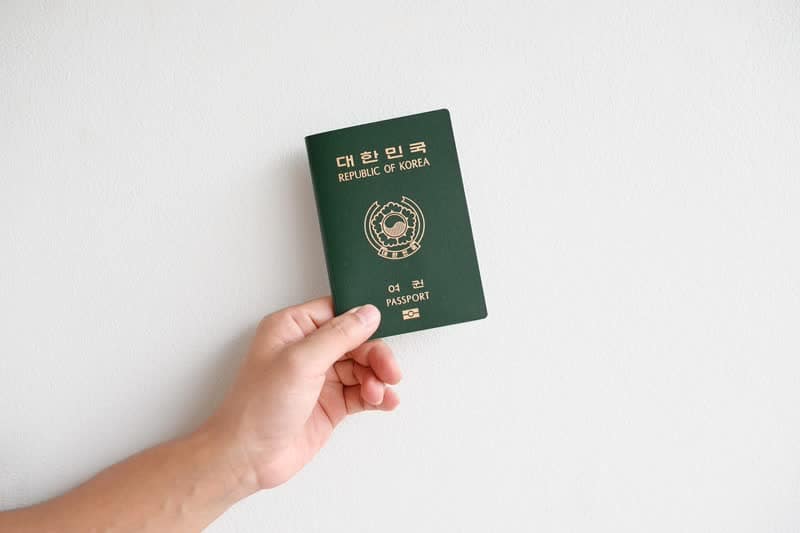
- Your passport, with the number, nationality, and expiration date handy
- Your flight number and booking reference (PNR) exactly as they appear on your ticket, since a typo here is the most common reason declarations get rejected
- The address you’re staying at in Vietnam for at least your first night
- An email address you actually check, for your confirmation
The portal runs in Vietnamese, English, Chinese, French, and a few other languages, so you’re not stuck reading it in a language you don’t know.
Step-by-Step Filing Process
Tip: File within three days of landing, not sooner. The system runs on a 72-hour window, and submitting earlier than that isn’t supported yet.
- Go to prearrival.immigration.gov.vn, the only official portal, within three days of your arrival
- Pick your language
- Enter your passport details
- Add your flight number, arrival date, and where you’re staying
- Add your email for the confirmation
- Double-check everything before you hit submit. There’s no easy edit function once it’s in
- Save the QR code you get, either as a screenshot or a printout
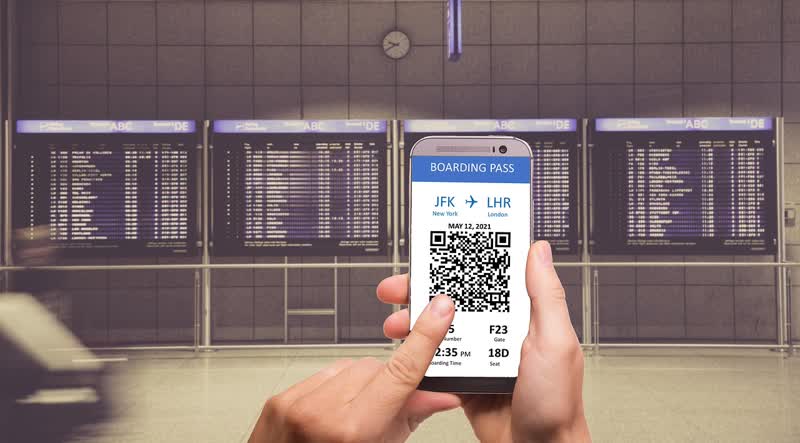
Save the QR code to your phone or print it out before you go. Don’t plan on digging through your email for it while you’re standing in the immigration line.
Cost
Filing through the official channel costs nothing. There’s no government fee anywhere in this process.

Important: Vietnamese authorities have caught fake websites impersonating the PAI system specifically to grab applicants’ credit card details, not just overcharge them. Only prearrival.immigration.gov.vn is official. Nothing else is safe to use.
Vietnam’s Border Health Declaration Under Decree 165/2026/ND-CP
Vietnam issued Decree 165/2026/ND-CP, effective July 1, 2026, giving itself the legal power to require health declarations at the border. When this first made headlines back in May 2026, it sounded like everyone entering, exiting, or transiting the country would need one. That’s not how it’s actually playing out.
Vietnam’s own consulate guidance, published after the decree kicked in, says plainly that the health declaration is “not mandatory or regularly applicable to all persons entering, exiting, or transiting at all times.” The health ministry decides when it applies, and to whom, one disease at a time.
When the Health Declaration Actually Applies
The health ministry flips this on for specific disease risks, not as something every traveler deals with by default. As of the latest official guidance, there’s no active, across-the-board health declaration requirement for general arrivals into Vietnam.
Basically, this means you don’t need to file it unless specifically ask for it.
That could change fast if a new disease risk shows up, and that’s really the whole point of setting it up this way. Vietnam wanted the legal groundwork ready before it needed it, instead of scrambling to write emergency rules mid-outbreak.
Some of the early coverage didn’t help. A tax and compliance alert published around the decree’s effective date described it in much broader terms, which is a big part of why the confusion stuck around. The health ministry’s own clarification, which came later, is the more current word on how this actually works.
How to Submit It If Required
If the health ministry does activate this for a disease risk that affects your trip, you’ll have a seven-day window before entering, exiting, or transiting to get it done. You can file it electronically or on paper, and the form comes in both Vietnamese and English.
Important: The health ministry has said outright that it doesn’t use tokhaiyte.vn for health declarations, even though that domain circulates online like it’s official. If you ever need to file one, make sure you’re on a real government site first, not just whatever came up in your search results.
What Happens at Passport Control on Arrival
Filed your PAI form at Tan Son Nhat, Noi Bai, Da Nang, Cam Ranh, or Phu Quoc? Show your QR code to the officer instead of handing over a paper card. They scan or check it against your passport, then stamp you through, same motion as any passport check, just without the handwritten form.
If you didn’t file ahead of time, you’re not turned away. The system is still optional everywhere it’s active, so the regular immigration process still handles you fine without a QR code. You’ll just join the ordinary line instead of whatever faster lane, if there is one, exists for PAI filers.
Landing anywhere else? None of this applies yet. You’ll go through immigration exactly the way you would have before the PAI system existed.
Common Mistakes and Pitfalls
The biggest mistake by far is trusting the wrong website. Vietnamese authorities have called out fake sites built to copy the PAI system just to steal credit card details, and separately confirmed that tokhaiyte.vn has nothing to do with the real health declaration. Neither form charges a fee on the actual government site, so if something asks you to pay, that’s your red flag.
The second issue isn’t fraud, it’s just typos. Of the 161,596 PAI declarations filed during the Tan Son Nhat pilot, roughly 42,000 didn’t go through, mostly because of mistakes with flight numbers and booking references. (Verified September 2026.) Copy those details straight from your airline confirmation instead of typing them from memory.
In the expat forums, the advice tracks the official guidance almost exactly: the health declaration isn’t something most travelers need to worry about right now, and if someone online tells you otherwise while also asking for money, that’s a red flag, not a source.
- Using a lookalike site instead of the real one. Stick to prearrival.immigration.gov.vn. Fake copies exist to steal your card details, not just to overcharge you.
- Mistyping your flight number or booking reference. The single biggest cause of rejected declarations. Copy it straight from your airline confirmation.
- Assuming the health declaration is always active. It’s conditional. Check current health ministry guidance rather than trusting an old article or a forum post.
- Filing the PAI form too early. Stick to the three-day window. Filing sooner isn’t supported yet.
- Thinking PAI still only covers Tan Son Nhat. It doesn’t anymore. Noi Bai, Da Nang, Cam Ranh, and Phu Quoc are all in now too.
Frequently Asked Questions
Is the PAI form mandatory yet, or still optional?
Still optional. Vietnam piloted it at Tan Son Nhat starting April 15, 2026, and about 70% of arriving foreigners filed one voluntarily during the pilot, but nothing forces you to.
Do I need to file both the PAI form and a health declaration?
Usually not. The PAI form is the general pre-arrival step at Tan Son Nhat, Noi Bai, Da Nang, Cam Ranh, and Phu Quoc. The health declaration only comes into play once the health ministry activates it for a specific disease risk, which isn’t the current situation.
Does the PAI system apply if I’m landing at Noi Bai, Da Nang, or another airport?
Yes, if it’s Noi Bai, Da Nang, Cam Ranh, or Phu Quoc. All four joined Tan Son Nhat in the rollout. Any other airport isn’t covered yet.
Is tokhaiyte.vn the official health declaration site?
No. Vietnam’s health ministry has said directly that it doesn’t use tokhaiyte.vn, even though the name floats around online like it’s legit.
What if I don’t have a smartphone at the airport?
You’re fine. The PAI system is optional everywhere it’s active, so showing up without one filed doesn’t stop you from entering through the regular process. A printed confirmation works too if you filed from a computer beforehand.
Does filing the PAI form replace my e-visa or visa exemption paperwork?
No. It’s a separate pre-arrival step with nothing to do with your visa status. You’ll still handle your e-visa, visa exemption, or any process to extend your visa exactly like you did before the PAI system showed up.
Final Advice
None of this needs to complicate your trip. Keep it to three things:
- File the PAI form through the real government channel if you’re flying into Tan Son Nhat, Noi Bai, Da Nang, Cam Ranh, or Phu Quoc, ideally within three days of landing
- Don’t pay anyone for either form. Both are free through the real government sites
- Only worry about the health declaration if the health ministry itself says it’s active, not because a blog post says so
Safe travels.
Sources Cited
- Vietnam Ministry of Public Security, Immigration Department: Immigration Department Launches Pre-Arrival Information System, confirms the April 15, 2026 pilot launch, filing window, adoption figures, official portal address, and fraud warning
- Embassy of India in Hanoi: Implementation of Pre-Arrival Information (PAI) System by Vietnam Immigration, confirms expansion to Noi Bai, Da Nang, Cam Ranh, and Phu Quoc
- Embassy of the Republic of Singapore in Hanoi: Pre-Arrival Declaration for Foreign Travellers Entering Vietnam, corroborates the five-airport coverage and voluntary status
- Consulate General of Vietnam: Ministry of Health Provides Information on Health Declaration Regulations for Exit and Entry from July 1, 2026, confirms Decree 165/2026/ND-CP is conditional and that tokhaiyte.vn is not an official channel
- EY: Vietnam Announces Mandatory Health Declaration Requirement at Border Checkpoints Effective 1 July 2026, cited for the decree’s initial announcement context







'/%3E%3Cpath%20fill='%23b2b2b2'%20d='M241%20382q0%2016%2017%2026%2017%2011%2042%2011t42-11q16-11%2017-26V269H241'/%3E%3Cpath%20fill='%239f7e00'%20d='M241%20379q0%2014%208%2023%209%209%2021%209%2014%200%2021-9%209-9%209-23V269h-59'/%3E%3Cpath%20d='M241%20339v-70h59v110q0%2014-9%2023l-6%205v-68h-15v72q-8%200-14-4v-68zm59%2040c0%2022%2015%2032%2029%2032%2021%200%2030-18%2030-32v-40h-59'/%3E%3Cpath%20fill='%239f7e00'%20d='M266%20277v5h2v12h-3v-5h2v-5h-9v5h2v5h-4v9h3v18h-5v10h34v-10h-5v-18h3v-9h-4v-5h2v-5h-9v5h2v5h-3v-12h2v-5zm42%20101q0%2010%206%2017%206%206%2015%207%2010-1%2016-7%206-7%206-17v-29h-43'/%3E%3Ccircle%20fill='%230044ad'%20cx='329.5'%20cy='372'%20r='6'/%3E%3Cellipse%20fill='%230044ad'%20cx='300'%20cy='340'%20rx='16'%20ry='21'/%3E%3C/svg%3E) Español:
Español: Français:
 Deutsch: