
This article will take approximately 23 minutes to read. Don't have the time right now? No worries. Email the ad-free version of the article to yourself and read it later!
Most visitors can’t extend a Vietnam e-visa or a 45-day visa-free stay. They get more time by leaving and coming back. Here’s what actually works, what it costs, and what happens if you overstay.
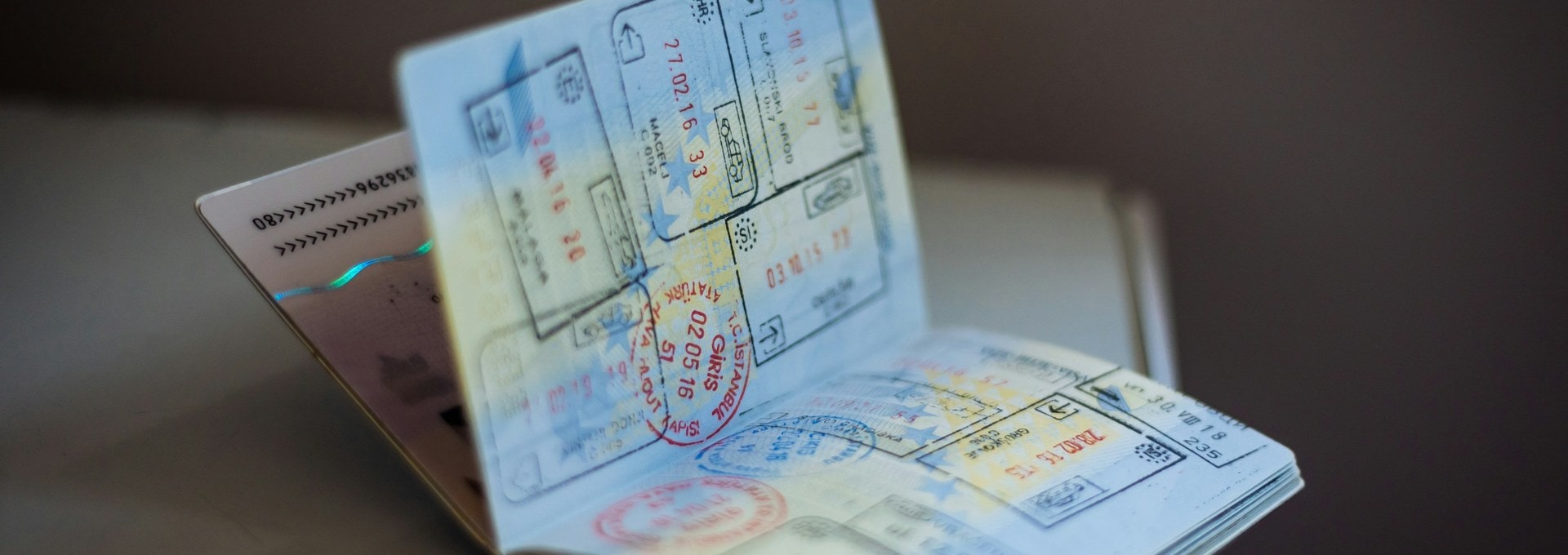
Your Vietnam stay ends on the date stamped in your passport, and that date comes straight from your visa. That’s why “extending” in Vietnam rarely means what people hope. There’s no counter where a tourist can walk up, pay a fee and walk away with another month.
Most people get more time with a new e-visa and a quick trip out of the country, and a sponsored stay extension suits a smaller group. This guide walks through both: who each one works for, what it costs, how long it takes, and the fines if you get the dates wrong.
Disclaimer: This article may include links to products or services offered by ExpatDen's partners, which give us commissions when you click on them. Although this may influence how they appear in the text, we only recommend solutions that we would use in your situation. Read more in our Advertising Disclosure.
Key Takeaways
- A Vietnam e-visa can’t be extended from inside the country.
- To stay longer on an e-visa, apply online for a new one (US$25 single entry, US$50 multiple entry), then leave Vietnam and come back in on it.
- Visitors on the 45-day visa-free stay, or on a tourist visa from an embassy, can ask for a stay extension, but only through a Vietnamese sponsor.
- The official stay-extension fee is US$10. Immigration takes up to 5 working days to decide, and agents charge their own fee on top.
- There’s no longer a waiting period between visa-free visits, so a quick exit and re-entry resets your 45 days.
- Overstay fines rose in December 2025 and now run from VND500,000 for a few days to VND40 million (about US$1,520) for a year or more, with deportation possible from 16 days.
Can You Extend Your Stay in Vietnam?
Tourists in Vietnam can only extend their stay with a Vietnamese sponsor, and 90-day e-visa holders can’t extend at all. Vietnam’s immigration law sets your permitted stay equal to your visa’s validity. When the e-visa ends, your stay ends with it. (Verified September 2026.)
People searching for an “extension” usually end up with one of these:
- A sponsored stay extension: a Vietnamese company, tour operator or family member asks immigration to add time to your current stay. This works for visa-free visitors and embassy tourist visas, not e-visas.
- A new visa and a quick exit: you apply online for a fresh e-visa, leave the country, and come back in on the new one. Most tourists and long-stayers do this.
Staying a few extra months as a tourist is normal, and plenty of people string several e-visas together. For a longer plan, the long-stay options for retirees and the remote-worker visa situation are covered in separate guides.
Do You Actually Need One?
You only need more time in Vietnam if you’ll still be in the country after the date immigration stamped in your passport. If your trip ends before that date, you don’t need an extension or a new visa.
You need more time if:
- You came in visa-free for 45 days and want to stay longer.
- You’re on an e-visa and your plans now run past its end date.
- Something outside your control, such as an illness or a cancelled flight, will keep you here past your date.
You don’t need one if:
- You’ll leave Vietnam before the date in your passport.
- You’re already planning a side trip to Cambodia, Laos or Thailand. Come back in on a new e-visa or a fresh 45-day visa-free stay instead.
- You’re moving to Vietnam to work or retire. That calls for a long-term visa or residence card, not a tourist extension.
To find your date, look at the entry stamp in your passport, not the return date on your flight booking. On an e-visa it’s the “valid until” date. Visa-free visitors get 45 days from the day they arrived.

How to Get More Time
How you get more time in Vietnam depends on how you came in. E-visa holders apply for a new e-visa and leave, while visa-free visitors and embassy tourist-visa holders can use a sponsor for a stay extension. Find your route below and skip the other one.
If You’re on an E-Visa: Get a New One
A Vietnam e-visa can’t be extended, so e-visa holders apply online for a fresh e-visa and re-enter on it. The e-visa is already the longest tourist option, at up to 90 days, single or multiple entry. There’s no in-country renewal for tourists. (Verified September 2026.)
The only in-country switch the law allows for e-visa holders is to a work visa, for someone who already has a work permit (or a work-permit exemption). If you’re not starting a job here, it doesn’t apply.
What It Costs
A new Vietnam e-visa costs US$25 for single entry or US$50 for multiple entry, whether it runs 30 days or the full 90. These rates are in the fee schedule that took effect on 1 April 2026. (Verified September 2026.)
Pick the full 90 days, since it costs the same. Pay for multiple entry if there’s any chance you’ll pop over to Cambodia or Thailand during the stay.
Step by Step
Getting a new e-visa takes about a week of planning:
- Apply early: submit on the official portal at evisa.gov.vn at least a week before your current stay ends. Set the start date to the day you’ll come back in.
- Print the approval: any copy shop can do it. Carry the printout and keep a copy on your phone.
- Pick a checkpoint that accepts e-visas: 13 airports are on the list, including Hanoi, Ho Chi Minh City, Da Nang, Cam Ranh (Nha Trang) and Phu Quoc, along with main land crossings such as Moc Bai, Lao Bao and Cau Treo.
- Leave and come back: exit on your old visa, clear immigration in the neighbouring country, then re-enter Vietnam on the new e-visa.
You don’t need an agent for this. In the expat forums, a long-time member put it bluntly: “You don’t need a visa agent to purchase your e-visa online.” Agents mostly earn their fee when something is urgent or has gone wrong.
How Long It Takes
The Vietnam Immigration Department has 3 working days to decide an e-visa application once the form and fee are in. Weekends and Vietnamese public holidays don’t count, and the week around Tet (Lunar New Year) is slow. (Verified September 2026.)
Tip: Leave at least a week’s buffer before your current stay ends. A rejected application means reapplying and paying again, because the fee isn’t refunded.
If You’re Visa-Free or on an Embassy Visa: Extend Your Stay
Visitors on Vietnam’s 45-day visa-free stay, and tourists holding a visa issued by a Vietnamese embassy, can apply for a stay extension, but only through a Vietnamese sponsor. The law says visa-free visitors “may be considered” for a visa or an extension. In practice that means someone in Vietnam files the paperwork for you. (Verified September 2026.)

Vietnam’s two main 45-day visa-free lists cover 24 countries:
- Any purpose of visit, until 14 March 2028: the UK, Germany, France, Italy, Spain, Denmark, Sweden, Norway, Finland, Russia, Japan and South Korea.
- Tourism only, until 14 August 2028: Belgium, Bulgaria, Croatia, the Czech Republic, Hungary, Luxembourg, the Netherlands, Poland, Romania, Slovakia, Slovenia and Switzerland.
Visa-free visitors also have an easier option than an extension. Since July 2020 there’s been no required gap between visa-free visits, so leaving and coming straight back gives you a fresh 45 days.
Who Can Get One
A Vietnam stay extension has to be filed by a sponsor, and only these can sponsor you:
- A Vietnamese organisation: a company or licensed travel company already registered with the Immigration Department. Visa agents use a travel company for this.
- A Vietnamese family member: a Vietnamese citizen who is your parent, spouse or child, with documents proving the relationship.
A friend, a landlord or a boyfriend or girlfriend can’t sponsor you. Showing up alone rarely works either. In the expat forums, the consistent report is that officers turn tourists away at the counter and tell them to do a border run.
What It Costs
The official Vietnam stay-extension fee is US$10 per extension, payable in US dollars or dong. If you use an agent, their service fee comes on top. (Verified September 2026.)
| Item | Cost | Notes |
|---|---|---|
| Stay extension (government fee) | US$10 per extension | Not refunded if refused |
| Agent or sponsor service fee | Quoted per case | Varies with the length of the extension and how fast you need it; get an all-in price in writing |
| New single-entry e-visa (for comparison) | US$25 | Up to 90 days |
| New multiple-entry e-visa (for comparison) | US$50 | Up to 90 days |
What You’ll Need
A Vietnam stay extension application needs these documents:
- Your passport: the original, which immigration keeps while it decides. Ideally it should have at least six months left on it.
- Form NA5: the official application form for a visa or stay extension, signed by you and stamped or signed by your sponsor.
- Proof your stay is registered: hotels and landlords must register every foreign guest with the local police. You need that registration on record.
- Sponsor documents: the company’s papers, or proof of your family relationship if a relative is sponsoring you.
Step by Step
Start a stay extension at least 10 days before your current stay ends:
- Line up a sponsor: a family member, or an agent who works through a registered travel company.
- Check your stay registration: ask your hotel or landlord to confirm they’ve registered you with the police. Get it done before you apply.
- Submit the application: your sponsor files the NA5 form and your passport at an immigration office. The Immigration Department has offices in Hanoi, Ho Chi Minh City and Da Nang, and provincial police run their own immigration offices.
- Wait up to 5 working days: that’s the legal deadline for a decision.
- Pay and collect: pay the US$10 fee when you pick up your passport, then check the new date on the extension stamp before you walk away.
DIY or Use a Visa Service
Most tourists who get a stay extension in Vietnam use a visa service, because the service supplies the sponsor. Without a Vietnamese spouse, parent or child, you have no way to file it yourself.
Whether an agent is worth paying comes down to who can sponsor you:
- Do it yourself: only if a Vietnamese relative is sponsoring you and can go to the immigration office with you. You’ll pay just the US$10.
- Use a visa service: if you’re visa-free or on an embassy tourist visa with no family sponsor, if you’re short on time, or if something has gone wrong, such as a stay that’s already close to expiring.
A good service tells you up front whether your case qualifies, quotes one all-in price, and says how long it’ll hold your passport. Walk away from any agent that promises an e-visa “extension” (that doesn’t exist) or asks you to pay through a website dressed up as a government portal.
Good to Know: If you’d rather hand the paperwork to someone else, our recommended visa service can check whether you qualify for an extension and quote an all-in price before you pay anything.
After You Get It
Once your new e-visa is used or your extension is stamped, your deadline is the new date in your passport. Photograph that page and set a reminder a week before it.
If you move, the new hotel or landlord has to register you with the local police again, and that record matters next time you apply. For longer stays, get health insurance sorted too. Travel policies bought for a two-week trip often don’t stretch to a second or third e-visa.
Extension vs Visa Run
For most visitors a visa run (leaving Vietnam and coming back on a new e-visa or a fresh visa-free stay) is cheaper and more predictable than a stay extension. An extension makes sense when you can’t easily travel, such as when you’re recovering from an illness, staying with family, or can’t afford to spend a day crossing a border.
| Stay extension | Visa run | |
|---|---|---|
| Who can use it | Visa-free visitors and embassy tourist-visa holders with a Vietnamese sponsor | Anyone, including e-visa holders |
| Government cost | US$10 plus any agent fee | US$25 or US$50 e-visa (US$0 for a fresh visa-free stay) plus travel |
| Time | Up to 5 working days without your passport | 3 working days for the e-visa, then a day trip or short flight |
| Main risk | No sponsor, or refused with the fee lost | E-visa delayed, or crossing at a checkpoint that doesn’t accept it |
Vietnam doesn’t publish a cap on how many e-visas you can hold back to back. Still, a passport full of consecutive tourist entries can draw questions at the counter, so a real long-term plan beats an endless loop.
Moc Bai to Cambodia
Moc Bai, about two to three hours by road from Ho Chi Minh City, is the most-used land crossing for visa runs from the south, and it accepts Vietnam e-visas. On the Cambodian side you cross at Bavet and pay for a Cambodian visa, so check the current fee on Cambodia’s official e-visa site before you go.
Forum reports are consistent. It’s a long, hot day, and some travellers describe being asked for unofficial “fees” on the Cambodian side.
Crossing Into Laos
Lao Bao (near Hue and Dong Ha) and Cau Treo (inland from Vinh) both accept Vietnam e-visas and suit people based in central Vietnam. They’re remote. Getting there is most of the effort, so they make more sense if you’re planning a few days in Laos anyway.
Flying Out
A budget flight to Bangkok, Kuala Lumpur or Singapore is the easiest visa run, and expats who can afford it usually prefer it to a land border. The big airports in Hanoi, Ho Chi Minh City and Da Nang all accept e-visas, and many nationalities can enter Thailand, Malaysia or Singapore without a visa, so you only deal with one set of paperwork.
Good to Know: Since 15 April 2026, anyone flying into Ho Chi Minh City’s Tan Son Nhat airport on a visa has to fill in an online declaration before arrival and show its QR code at immigration. Do it before you board the flight back. (Verified September 2026.)
Turn it into a proper weekend away and the cost compares well with an agent’s extension fee. If you’re working out how long you can afford to stay, our cost of living in Vietnam guide breaks down monthly budgets.
What Happens If You Overstay
Overstaying in Vietnam is fined on a sliding scale that starts at VND500,000 to VND2 million (about US$19 to US$76) for under 16 days and reaches VND40 million (about US$1,520) for a year or more. The higher rates took effect on 15 December 2025, roughly doubling the old maximum. (Verified September 2026.)
| Overstay | Fine |
|---|---|
| Under 16 days | VND500,000 to VND2,000,000 (about US$19 to US$76) |
| 16 to under 30 days | VND5,000,000 to VND10,000,000 (about US$190 to US$380) |
| 30 to under 60 days | VND10,000,000 to VND15,000,000 (up to about US$570) |
| 60 to under 90 days | VND15,000,000 to VND20,000,000 (up to about US$760) |
| 90 to under 180 days | VND20,000,000 to VND25,000,000 (up to about US$950) |
| 180 days to under 1 year | VND25,000,000 to VND30,000,000 (up to about US$1,140) |
| 1 year or more | VND30,000,000 to VND40,000,000 (up to about US$1,520) |
Money isn’t the only problem. Overstay 16 days or more and deportation is on the table. Even a short overstay goes on your immigration record, and Hanoi’s immigration office has warned that deliberate overstays can affect future entry.
For a day or two over, forum posters describe paying the fine at the airport immigration desk before departure. Budget extra time at the airport for it, because it’s slower than a normal exit.
Common Mistakes
Most visa trouble in Vietnam comes from the paperwork around the visa, not the visa itself. In the expat forums the same few problems come up again and again.
Paying a Lookalike Website
Search “Vietnam e-visa” and the first results are often private sites with government-style names, charging several times the real fee. The official portal is evisa.gov.vn. If a site calls itself the “immigration department” but isn’t on a .gov.vn address, it’s a middleman.
Showing Up at Immigration Without a Sponsor
A stay extension is filed by the sponsor, not the traveller. Tourists who queue up alone with their passport usually get turned away and told to leave the country, which wastes a day they could have spent on an e-visa application.
Crossing at a Checkpoint That Doesn’t Accept E-Visas
Only listed international checkpoints accept e-visas. That covers 13 airports and the main land crossings, but not every small local border post or a newly opened airport. Check your crossing against the list before you book the bus.
Your Stay Was Never Registered
Hotels register foreign guests automatically. Homestays and private landlords sometimes don’t. Your registration is part of an extension application, and hosts who skip it can be fined, so ask whoever you’re staying with to confirm it’s been done.
Leaving It to the Last Week
Three working days for an e-visa and five for an extension leave no room for a public holiday, a typo or a request for more information. Start 10 days out. The overstay fines above cost far more than a bit of planning.
Buying Single Entry When You’ll Pop Out and Back
A single-entry e-visa ends the moment you leave Vietnam, even if weeks remain on it. If a side trip to Cambodia, Laos or Thailand is even a possibility, the extra US$25 for multiple entry is cheap insurance.
FAQ
Can I extend my Vietnam visa at the airport?
No. Vietnam doesn’t offer extensions at airports or border posts, and there’s no visa on arrival for tourists. All tourist e-visas are applied for online in advance.
Can I apply for my next e-visa while I’m still in Vietnam?
Yes. People routinely apply online from inside Vietnam, then use the new e-visa when they come back in after their exit. The new e-visa only starts working when you enter on it, so you still have to leave the country.
How many times can I do a visa run?
Vietnam doesn’t publish a limit on back-to-back e-visas or visa-free entries. Officers can still refuse entry to anyone, so if you’re effectively living here, a proper long-term arrangement is safer than relying on runs indefinitely.
Do I have to wait before re-entering visa-free?
No. The old rule requiring a 30-day gap between visa-free visits was dropped in July 2020. You can leave and re-enter straight away and get a new 45 days, as long as your passport has at least six months left.
Can my Vietnamese partner sponsor my extension?
Only if you’re married. A Vietnamese spouse, parent or child can sponsor you with proof of the relationship. A boyfriend or girlfriend can’t.
What if I’m sick and can’t leave?
Talk to a visa service or your hospital’s international desk as soon as you know you’ll run past your date. A documented medical reason is exactly the kind of case where a sponsored extension is worth arranging, and doing it before the deadline keeps you clear of overstay fines. Our guide to hospitals in Vietnam lists the international facilities.
Is the fee refunded if my application is refused?
No. Vietnam doesn’t refund visa or stay-extension fees for foreigners when an application is refused, so get the details right the first time.
Final Advice
Staying longer in Vietnam is easy once you stop hunting for an extension that doesn’t exist:
- On an e-visa: apply for the next one a week early, choose 90 days and multiple entry, then fly or cross out.
- Visa-free: a quick exit resets your 45 days, and a sponsored extension is there if you can’t travel.
- Using an agent: get one all-in price in writing, and never pay through a lookalike government site.
- Your deadline: it’s the date in your passport. Even a few days over now costs up to VND2 million.
Read more: Moving to Vietnam

Sources Cited
- Law 47/2014/QH13 on foreigners’ entry, exit and residence: stay extensions go through the inviting or sponsoring party, with a 5-working-day decision period (Article 35).
- Law 51/2019/QH14 amending the foreigners’ entry law: stay equals visa validity, 30-day stay on DL visas over 30 days, 3-working-day e-visa processing, e-visa-to-work-visa switch, removal of the 30-day visa-free gap (in force 1 July 2020).
- Law 23/2023/QH15 (Government of Vietnam portal): e-visas up to 90 days single or multiple entry, 45-day visa-free stays that “may be considered” for a visa or extension, and stay-registration duties for accommodation.
- Government Resolution 44/NQ-CP (2025): 45-day visa-free stays for 12 countries, 15 March 2025 to 14 March 2028.
- Government Resolution 229/NQ-CP (2025): 45-day tourism visa-free stays for 12 more European countries, 15 August 2025 to 14 August 2028.
- Government Resolution 127/NQ-CP (2023): international checkpoints that accept e-visas, including Moc Bai, Lao Bao and Cau Treo.
- Tay Ninh Provincial Police on Circular 28/2026/TT-BTC: US$25 single-entry and US$50 multiple-entry visa fees, US$10 stay extension, no refunds for foreigners, in force 1 April 2026.
- An Giang Provincial Police on Decree 282/2025/ND-CP: overstay fine tiers from under 16 days to 1 year or more.
- Vietnam News: Decree 282 in force 15 December 2025, US$ equivalents, deportation from 16 days, Hanoi immigration warning.
- VietNamNet: online pre-arrival declaration and QR code for visa holders entering via Tan Son Nhat from 15 April 2026.
- Ministry of Public Security Q&A on stay extensions: NA5 form and passport, sponsor must be a registered organisation or a Vietnamese parent, spouse or child.