This article will take approximately 17 minutes to read. Don't have the time right now? No worries. Email the ad-free version of the article to yourself and read it later!
After 10+ years living in Mexico, I share the real reasons why some people choose not to move there, from language barriers and utilities to healthcare, crime, and daily life challenges.
After living happily in Mexico for over ten years, I understand that Mexico isn’t for everyone. Sure, you might’ve had a great vacation at an all-inclusive resort, but living in Mexico isn’t for the faint of heart.
Much like in countries around the world, I entered an unknown zone of comfort. I learned how to exist by adapting to a new way of life. Not everyone can adapt to something that seems foreign to them.
I’ve lived in several cities in Mexico, ranging from Puerto Vallarta to Playa del Carmen to Cozumel to a small town in Veracruz.
Each area of Mexico I’ve lived in has had its own unique difficulties to adjust to. Sometimes I found adjusting to them easy, and other times adjusting was challenging for me.
During my time here, I’ve talked with numerous Americans who found out the hard way that living in Mexico is different.
I think it’s important that you know what other people, including myself, found troubling about moving to Mexico.
I decided to make a list of items that I’ve found to be challenging for most Americans during their relocation. Many of these items might be deal breakers for you and crush your dream of moving to Mexico.
So, let’s look at the reasons Americans don’t move to Mexico.
Disclaimer: This article may include links to products or services offered by ExpatDen's partners, which give us commissions when you click on them. Although this may influence how they appear in the text, we only recommend solutions that we would use in your situation. Read more in our Advertising Disclosure.
Contents

Key Takeaways
- Foreign language barrier: English is spoken sporadically throughout the country
- Hard to adjust to a slower lifestyle and culture
- Limitations of basic utilities: electricity and internet outages are common
- Water problems: drinking water is contaminated and water shortages occur regularly
- Personal hygiene: no adequate plumbing for toilet paper and limited public restrooms
- Problematic pollution: pollution is widespread, including sewage, air quality, and trash
- Constant noise: Mexico is not a quiet country
- Crime: high levels of crime in urban areas and the presence of organized crime cartels
- Corruption: bribery is common with government officials, judges, and police officers
- Natural disasters: hurricanes and earthquakes happen frequently
- Building codes: in most areas of the country, there are no building regulations
- Healthcare: public healthcare is underfinanced and private insurance is expensive
- Strange diseases: dengue fever and dysentery are common in many parts of the country
- Not pedestrian-friendly: sidewalk space is limited, forcing people to walk in the street
Foreign Language Barrier
When I moved to Mexico, I could only speak five or six words of Spanish. I never took Spanish in school or thought about learning Spanish or a foreign language my entire life.
Well, that changed rapidly when I moved to Mexico. Most Americans, like me, struggle with foreign languages, and Spanish is no different.
Even living in predominantly expat communities, I struggled until I learned enough to get into trouble. Then I learned more by immersing myself in the language, which some people can handle, and others cannot.
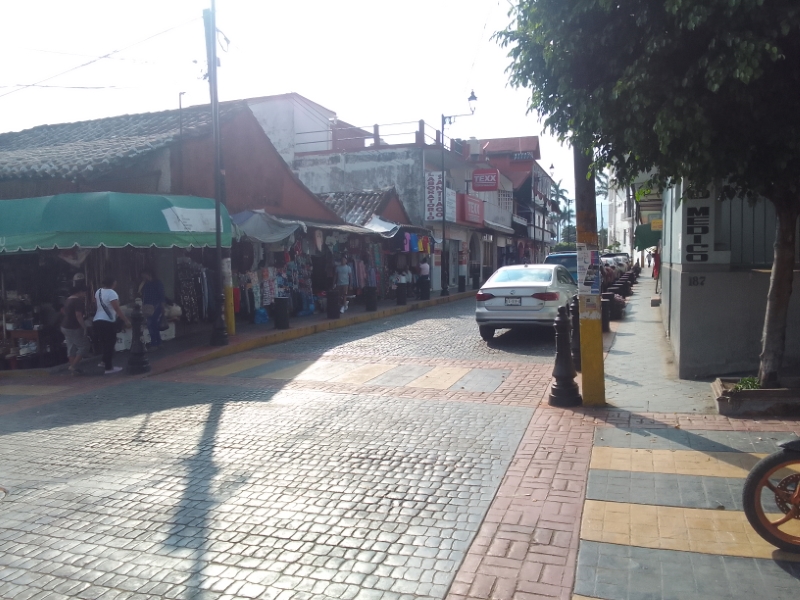
At first, the language barrier was my biggest problem during my transition as an American moving to Mexico who didn’t speak Spanish. Not speaking Spanish hindered trips to the grocery store, taking a taxi or public transportation, and ordering food in a restaurant.
Making appointments with a doctor, a dentist, and a government agency was frustrating for me because I didn’t understand the language.
Many Americans shy away from moving to Mexico because of the language barrier. Many Americans relocate and leave after not adjusting to the language barrier.
I choose to adapt to the language barrier as best as I can. My Spanish isn’t perfect, but I survive by trying to practice every day, no matter what type of situation I find myself dealing with.
Related article: Moving to Mexico from the USA: A Complete Guide for American Expats
Difficulties Adjusting to a Slower Pace of Life
Mexico has a slower pace of life. The term culture of mañana is prevalent everywhere in Mexico. Simply explained, the culture of mañana means sometime today, tomorrow, or never.
It takes time to get used to a new culture, especially when it differs greatly from what you were taught growing up and in your working and personal lives.
Many Americans believe that Mexicans aren’t punctual. Well, I’ve found that to be false. Mexicans are punctual when it comes to work and getting their kids to school on time.

Think of it as an appointment with your cable provider in the United States. The provider gives you a time window, but never an exact time. In Mexico, it’s similar; they will show up, and usually within the time frame agreed upon.
As for Mexicans being late to gatherings, it’s a sure thing that no one will be there at the exact time. But how many of us have family members or friends who are always late for gatherings?
I learned to think about the culture of mañana like coffee; you don’t drink the first cup until the pot is finished brewing. Sometimes waiting isn’t a bad thing.
Problems with Basic Utilities
Regardless of where I lived in Mexico, I experienced electrical outages. Sometimes outages were caused by storms or earthquakes, while other times they were caused by outdated equipment or inadequate infrastructure.
High-speed internet was a challenge to find. Not every city or town has high-speed internet. Even cities like Playa del Carmen and Puerto Vallarta have pockets of neighborhoods without high-speed internet.
Basic infrastructure, ranging from roads to electricity to internet (high-speed or dial-up), varies from place to place, city to city, and sometimes neighborhood to neighborhood, much like the United States.
I’ve learned to adjust my lifestyle to accommodate infrastructure problems.
Water Problems
One of the most glaring problems in Mexico is drinking water. Most Americans take drinking water from their faucet for granted. I’ve had a hard time finding drinkable water flowing from my faucet in Mexico. I’ve learned to adapt to bottled water, and I get it delivered to my house.
Sure, you can install a water purification system in your house or apartment, but maintenance then becomes a problem. Not all water purification systems have readily available replacement filters at local hardware stores.
Bigger cities, like Mexico City and Guadalajara, have water restrictions. These restrictions can include watering plants and gardens, washing your car, and even bathing.
There are water problems everywhere in the world. Mexico is no different. It was up to me to change my habits. I learned to take showers at different times and conserve my water usage.
Personal Hygiene
I learned right away that hygiene and pollution differ from one city in Mexico to another.
One thing that never changed was throwing my used toilet paper into a trash can. The plumbing in Mexico, and in most countries around the world, cannot handle toilet paper.
After a few days, I got accustomed to using a trash can. Don’t think you can outsmart your plumbing.
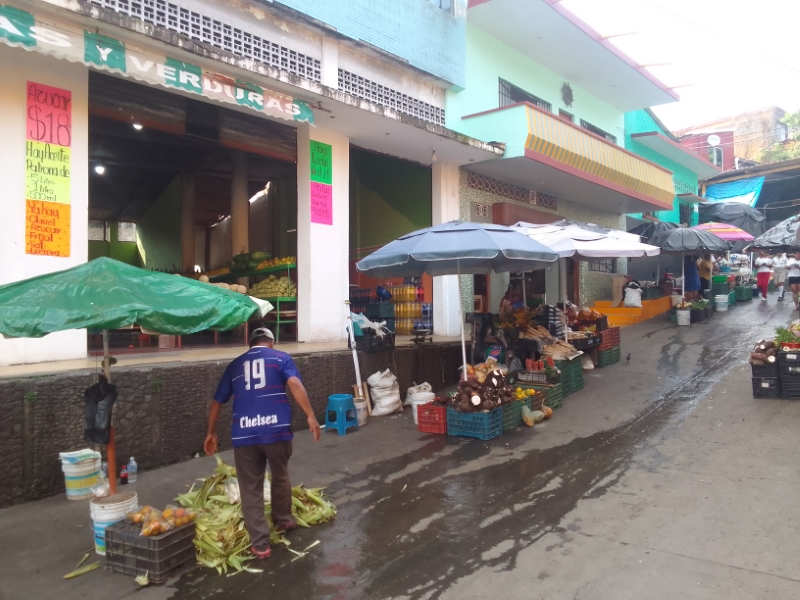
There are no public bathrooms in Mexico.
I travel by bus quite a bit, and finding a bathroom outside the bus terminal can be challenging. Expect to pay at the terminal or outside on the street.
I take a small roll of toilet paper in my backpack or purse for convenience and emergencies.
Pollution Issues
Pollution is everywhere. I’ve seen some startling sights, from open water and sewage lines in city streets to people burning plastic bottles, and littered streets with clogged drainage areas full of trash.
In bigger cities, the smell of garbage and sewage permeates the air. I first noticed this when getting off the plane in Mexico City for the first time. I noticed similar smells while visiting New York City and Washington, D.C., as well.
Car exhaust is troublesome in larger cities and smaller communities at times. There are no requirements for car emissions. If your car runs and smokes, no one says anything.
Depending on where you come from in the United States, these conditions might not be much different.
On the bright side, Mexico is taking measures to lessen or eliminate pollution problems.
People aren’t throwing their trash everywhere anymore. Waterways are getting cleaned up. Trash pickup in neighborhoods is frequent, if not daily.
Larger cities have implemented driving restrictions during high-pollution periods. New infrastructure projects have helped with water and sewage problems.
Constant Noise
Noise is everywhere in Mexico, and it was hard for me to adjust to the different sounds throughout the day and night.
I’ve lived in areas with nightclubs down the street, blaring music until 4 a.m., and in neighborhoods with loud house parties until the early morning hours.
Fireworks are big in Mexico. Not just fireworks with colorful designs in the night sky. Mexicans love their pop-bottle rockets and firecrackers.
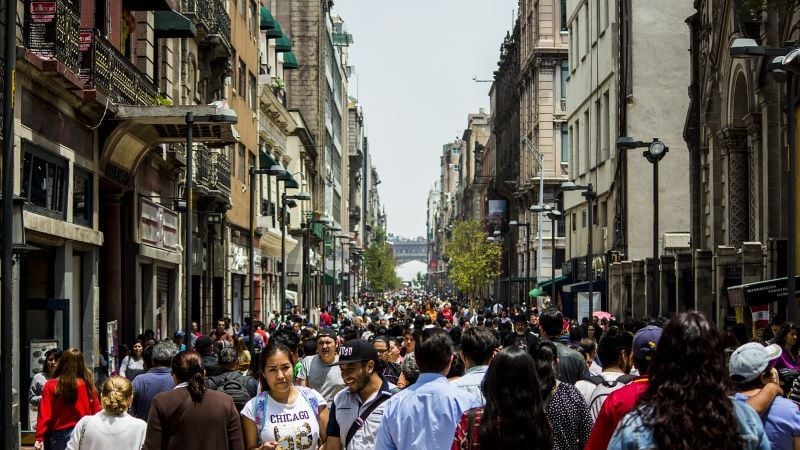
I hear loud booms at any time throughout the day or night, especially around holidays. In Mexico, there are many holidays associated with Catholic saints.
Vendors traveling the streets hawking their goods are accompanied by loud music or someone shouting. They sell everything on the street, including purified bottled water, gas for cooking, food items, furniture, and household items.
Of all the noises in Mexico, I adjusted quickly to this one.
I enjoy being able to buy fresh fruits, vegetables, bread, pastries, gas, and purified bottled water in front of my house or along the street. I know the vendor is only trying to make a living.
Ultimately, if you cannot handle or adjust to loud noises, then Mexico is not for you.
Crime
Many Americans don’t move to Mexico because of their perception of crime and safety.
Crime in Mexico is no different from crime in other countries. However, there is a stigma associated with crimes committed by cartels in Mexico.
Most Americans, about 99.9%, don’t live where cartels operate or where they might be fighting against each other.
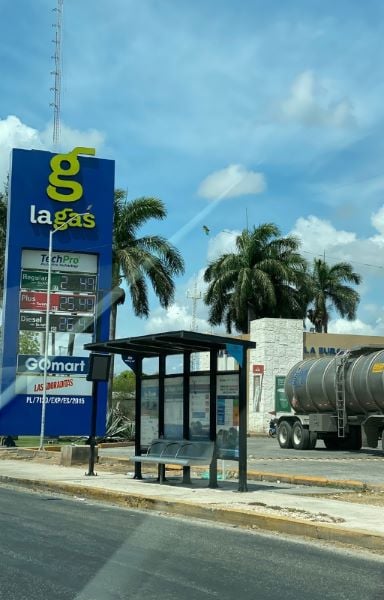
Cartels do exist around me, but I don’t expect them to open a shooting gallery on the street in front of my house.
Crime exists in Mexico. It’s up to me to be smart about where I am and my situation. I’m guided by common sense. If an area looks sketchy, I don’t enter. I avoid flaunting personal items or wealth. I keep an eye on my surroundings.
I’ve never had a problem with being robbed, assaulted, or threatened in any way.
Read my safety guide to find out more.
Paperwork
I’ve found that paperwork in Mexico is ongoing. Mexicans love their triplicate forms.

Whether I was looking to have internet, cable, or phone service installed at my home, the paperwork was challenging. When I opened a bank account and applied for electricity, I found myself swamped with triplicate forms.
I generally dislike paperwork, and in Mexico, I can expect to bring triplicate copies of all necessary documents.
At first, I found the paperwork difficult, mainly because it’s in Spanish. Over the years, as my Spanish improved, the paperwork became easier, but I still don’t understand the triplicate copy idea.
For Americans who don’t speak Spanish, paperwork is a problem.
Natural Disasters in Mexico
I’ve experienced all types of natural disasters in Mexico, ranging from hurricanes to local flooding to earthquakes.
Earthquakes occur every day. Most of the time, I don’t notice them. Occasionally, there might be a stronger tremor that gets my attention.
It’s true that over the last hundred years, there have been devastating earthquakes that caused property damage and killed hundreds of people in Mexico.
Mexico is susceptible to hurricanes and tropical storms. Heavy rains and strong winds cause flooding in all four regions of Mexico. Even larger cities like Guadalajara and Mexico City can experience flooding that causes damage and chaos.
In the United States, natural disasters happen all the time. One month it’s a hurricane, the next month there are flash floods or tornadoes, and Americans expect a tremor or two every month in California.
On the positive side, no country controls the weather. Mexico is no different from the United States, and Mother Nature doesn’t play favorites.
If you’re worried about natural disasters, do your homework and plan accordingly.
No Standardized Building Codes
Another reason some Americans choose not to move to Mexico is concerns about construction safety.
There are no standardized building codes in Mexico. You won’t find a GFI outlet in your kitchen or bathroom.
Carbon monoxide detectors are not required, leading to deaths from people trying to stay warm during the winter.
Newer buildings in Mexico City have different building codes for earthquakes. But with widespread corruption among various government officials, including building inspectors, nothing is guaranteed.
For the most part, I’ve found solidly constructed homes and buildings in Mexico. I don’t tend to worry about GFI outlets or carbon monoxide detectors because of the homes I’ve lived in over the years.
Health Problems
I’m generally pretty healthy, so healthcare didn’t factor into my initial decision to move to Mexico.
There are public hospitals and clinics run by the government, but they are not free. The Instituto Mexicano de Seguridad Social (IMSS) is responsible for the public healthcare system.
For someone with many healthcare issues, Mexico’s public healthcare system can become a nightmare. Medications may be limited, treatments can be delayed, and if you need surgery, you are probably going on a waitlist.
Private healthcare is cheaper for healthy individuals than in the United States. For individuals with healthcare problems, most of Mexico’s private insurers don’t cover pre-existing conditions.
In rural areas, healthcare systems are sporadic and often outdated. On the other hand, there are fewer private hospitals in rural areas, making healthcare a greater challenge.
Paying out of pocket can reduce your costs, but if you’re generally not a healthy person, Mexico isn’t a solution for you.
Related articles:
- Health Insurance in Mexico for Expats: What You Need to Know
- The Complete Guide to Mexico’s Healthcare System for Expats
- Health Insurance for Retirees in Mexico: Complete Guide to Costs, Options, and Tips
Strange Diseases
Mexico has a variety of climates, ranging from highland to tropical, and plenty of standing water during the rainy season, which creates perfect breeding conditions for mosquitoes.
You’ll find dengue fever throughout Mexico, whether you’re in Mexico City, Lake Chapala, or Puerto Vallarta.
Although very few people die from dengue fever, I know from firsthand experience how miserable it can be, with muscle pain, a high fever, severe headaches, and loss of appetite.
Dysentery is common in Mexico. Poor sanitary conditions can exist because of improper food storage, sewage problems, airborne germs, and personal hygiene issues. Dysentery can lead to dehydration, weight loss, body pain, and severe headaches.
I’ve experienced food poisoning and dysentery in several countries, including the United States. It’s no fun, but it can happen anywhere in the world, not just in Mexico.
Now, on to You
Now you have a better idea of what to expect in worst-case scenarios for an American moving to Mexico.
The reasons I’ve found why Americans don’t move to Mexico can be petty or deal breakers for expats expecting to find all the comforts of home.
There are specific areas in all cities that are better suited for Americans to enjoy a pleasant lifestyle. Do your homework, visit, and live there for a while before moving to your city of choice.
I know Mexico is like any country in the world; it has problems. The country’s problems are easily offset by the incredible people.
Mexico has a rich culture. It’s up to you to know your limits and how much culture shock your mind and body can handle.
I think the positive reasons outweigh the negative reasons for an American moving to Mexico. Take your time, enjoy the culture, and immerse yourself in a new way of life.
If not, then take my advice and stay home.






 Español:
  ไทย:
ไทย: