
This article will take approximately 23 minutes to read. Don't have the time right now? No worries. Email the ad-free version of the article to yourself and read it later!
Da Nang offers beachfront living, fast fiber internet, and a comfortable month under US$1,200, which is why it made Forbes’ top digital-nomad cities for 2026. Here is an honest look at the costs, neighborhoods, food, rainy season, and visa reality.
Da Nang gives you a rare combination: a beachfront apartment, fiber internet fast enough to run video calls without a second thought, and a comfortable month that can land under US$1,200. That mix is why Forbes named it one of the world’s top eight cities for digital nomads in 2026, one of only two in Asia alongside Chiang Mai.
But there is a real downside I want to be honest about from the start. Da Nang is getting busier and more expensive every year, the rainy season is harsher than most guides admit, and Vietnam still has no retirement or digital-nomad visa to anchor a long stay.
This guide walks through what living here actually costs and feels like, so you can decide whether the trade is worth it for you.
Disclaimer: This article may include links to products or services offered by ExpatDen's partners, which give us commissions when you click on them. Although this may influence how they appear in the text, we only recommend solutions that we would use in your situation. Read more in our Advertising Disclosure.
Key Takeaways
- Da Nang is one of Asia’s best-value bases: a comfortable single month runs US$1,000 to US$1,500, and careful nomads manage on US$700 to US$1,300.
- Home fiber is fast and cheap, roughly US$7 to US$20 a month, with city Wi-Fi averaging around 132 Mbps and a deep coworking scene.
- Rent varies more by rental platform than by neighborhood: local listings can be half the price of foreigner-facing sites.
- The rainy season in October and November brings typhoons, flooding, and mold, and many expats leave for the worst of it.
- Vietnam has no retirement or digital-nomad visa in 2026, so long stays mean the 90-day e-visa plus periodic border runs.
- Private hospitals like Vinmec and Family Hospital handle routine care well, but complex cases still mean traveling to a bigger city.
- The food is a genuine reason to move here, with excellent local meals from US$1.50 to US$3.
Why Da Nang
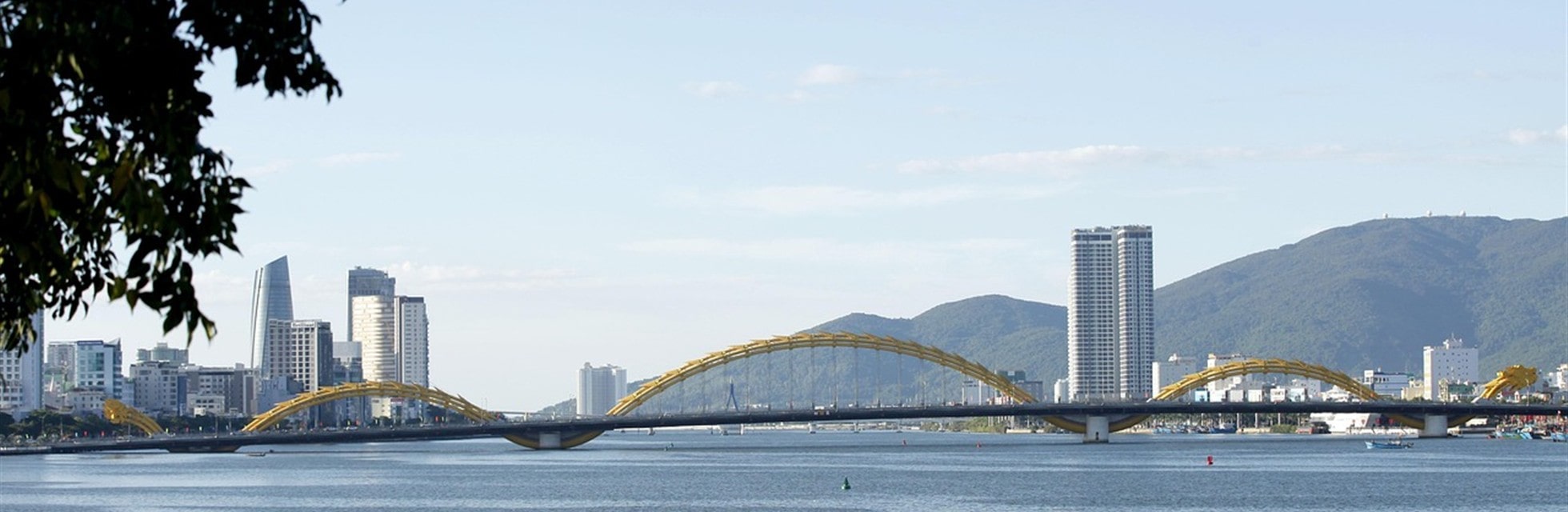
Central Vietnam is becoming one of the most popular regions in Vietnam for both tourists and expats. The biggest city here is Da Nang, a mid-sized city of just over a million people with a long sweep of beach on one side and green mountains on the other. It is the country’s third-largest city, but it never feels like Ho Chi Minh City or Hanoi. The traffic is calmer, the air is cleaner, and you can go from your desk to the sand in ten minutes.
The draw for most expats comes down to value. Da Nang is meaningfully cheaper than Ho Chi Minh City, cheaper than Bangkok, and cheaper than Bali, while offering a walkable expat core, a good coworking scene, and a beach that would cost a fortune anywhere else in the region. For retirees, it is calm and manageable. For remote workers, the internet and the cafe density make it one of the easiest places in Asia to be productive.
It suits two groups especially well:
- Retirees: warm weather, low costs, and decent private hospitals without the crowds of a big capital.
- Digital nomads: fast internet, cheap rent, and a ready-made community without paying Chiang Mai or Bali prices.
If you are still weighing the country as a whole, our guide on moving to Vietnam covers the wider picture.
Neighborhoods
Where you land in Da Nang shapes your daily life more than almost any other decision. Two areas draw the bulk of expats, and a couple of quieter alternatives are worth knowing about.
My Khe
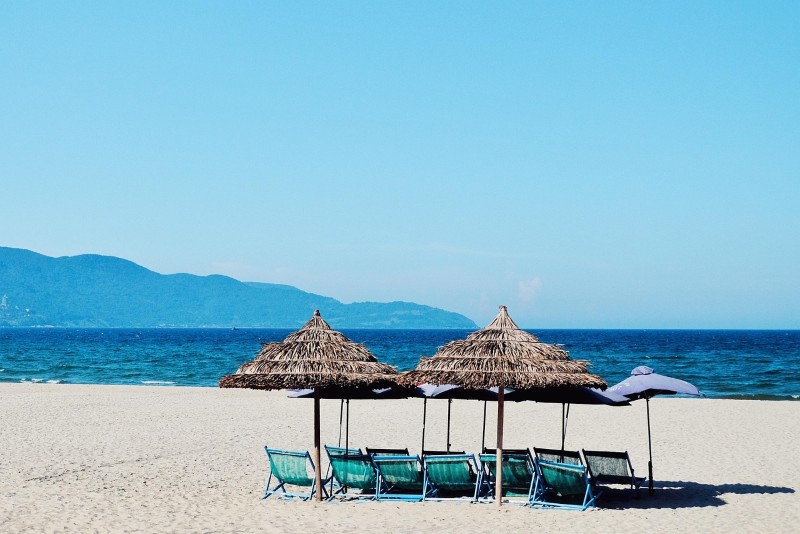
My Khe is the beach itself, the long strip of sand that made Da Nang famous. Living here means beachfront and near-beachfront apartments, easy morning swims, and a short walk to seafood restaurants and cafes. It is convenient and central, and it is where a lot of newcomers start.
The trade-off is that My Khe is where tourism concentrates, so it can get noisy at night. During the rainy season the waves get dangerous and the beach empties out, and in peak months the area fills with short-stay visitors. It is a great base, but it is not a quiet residential retreat.
Good to know: choose your apartment carefully.
An Thuong
An Thuong is the expat and nomad heart of the city, a compact, walkable grid a couple of blocks back from the beach. This is where the coworking spaces, the Western cafes, the international restaurants, and most of the short-term rentals cluster. If you want community and convenience from day one, this is the obvious choice.
It comes at a cost. An Thuong has become noticeably busier and pricier since 2025, and expats there report constant construction noise, backpacker crowds, and the occasional late-night karaoke. Rents have climbed fast as more people discover the area. You are paying for walkability and community, and you will feel the buzz around you.
Quieter Alternatives
For a quieter alternative, you can check out:
- Son Tra, on the peninsula toward the mountains, is calm and quiet.
- Khue My, just south of An Thuong, is a local neighborhood that is quieter and cheaper while remaining a short motorbike ride from everything.
Many long-term expats move to these areas after their first year. They are quieter but also farther from the beach.
Cost of Living
How much do you actually need to live comfortably in Da Nang?
- For most single expats, US$1,000 to US$1,500 a month covers a good life
- A couple should budget US$1,500 to US$2,500 depending on how much Western comfort they want.
- If you are on a budget, it’s possible to live here on around US$810 a month, but you need to live more like a local.
The single biggest factor in your budget is not the neighborhood. It is whether you rent on a local platform or a foreigner-facing one. The same furnished one-bedroom in the beach areas can be listed at roughly double the local price on English-language sites. A 45-square-meter one-bedroom that goes for around US$300 to US$340 on Vietnamese platforms can appear at over US$700 on the sites built for foreigners.
Tip: Learn a few Vietnamese phrases, use local rental groups on Facebook and Zalo, and view apartments in person before signing. The gap between the local and foreigner price will move your budget more than any other single choice you make here.
Here is what the main line items look like in 2026:

- Studio apartment, city center: US$150 to US$300 per month
- One-bedroom apartment: US$250 to US$450 per month on local platforms
- Utilities (electricity, water, garbage): US$50 to US$80 per month, higher in summer when the air conditioning runs
- Home fiber internet: US$10 to US$20 per month
- Groceries: around US$200 per month
- Motorbike rental: US$40 to US$60 per month
- Health insurance: US$50 to US$150 per month depending on age and coverage
Electricity is the line item that surprises people. Da Nang summers are hot, and running the air conditioning around the clock can push your power bill well past the low end of that range. For a fuller breakdown across the country, see our guide to the cost of living in Vietnam.
Registering Your Address in Da Nang
Foreigners have to be declared to the local police as temporary residents. Hotels and other accommodation providers do this for their guests, and Vietnam’s immigration portal has an online service for the declaration. (Verified October 2026.)
So ask your landlord how it’s handled before you sign a lease. For any stay longer than a few weeks, you want it sorted from day one, and you’ll want to keep a copy of the confirmation.
Food
If you love to eat, Da Nang alone is a reason to move here. Central Vietnamese cooking is distinct from the food you get in Hanoi or Ho Chi Minh City, and the city’s signature dishes are cheap enough to eat out every day without thinking about it.

The dish to know first is mi quang, flat rice noodles in a small amount of turmeric-tinted broth, topped with pork, shrimp, or chicken, plenty of herbs, and a shard of crispy rice cracker. A proper bowl costs around US$1 to US$2. Then there is banh xeo, a sizzling rice-flour crepe with pork, shrimp, and bean sprouts, folded and dipped in a peanut-based sauce. Both are everywhere, and both are best from a busy local spot rather than a tourist restaurant.
Being on the coast, Da Nang does seafood exceptionally well. At the beachfront places you pick from live tanks and pay by weight: clams in lemongrass broth, crab in tamarind, oysters grilled with spring onion and peanuts. It is fresh, informal, and a fraction of what you would pay for the same meal in Bangkok or Singapore.
For the cheapest and most authentic eating, head to the markets. Han Market and Con Market both have food courts where a bowl of mi quang or a plate of banh xeo costs a couple of dollars. A typical meal at a local eatery runs US$1.50 to US$3, which is why so many expats here simply stop cooking.
Good to know: You can get overcharged easily if you eat at a tourist spot by the beach. A good way to find good seafood without getting ripped off is to ask a local community for advice.
Internet and Remote Work
Da Nang is also good for remote workers. You can find good Wi-Fi throughout the city, and there are many great cafes with great coffee here. On top of that, the coworking scene is deep for a city this size. A few of the established spaces:
- Enouvo Space: dedicated desks from around US$8 per day
- Toong: monthly plans in the US$80 to US$120 range depending on the desk type
- Beat Space: Wi-Fi that consistently tests in the 150 to 200 Mbps range
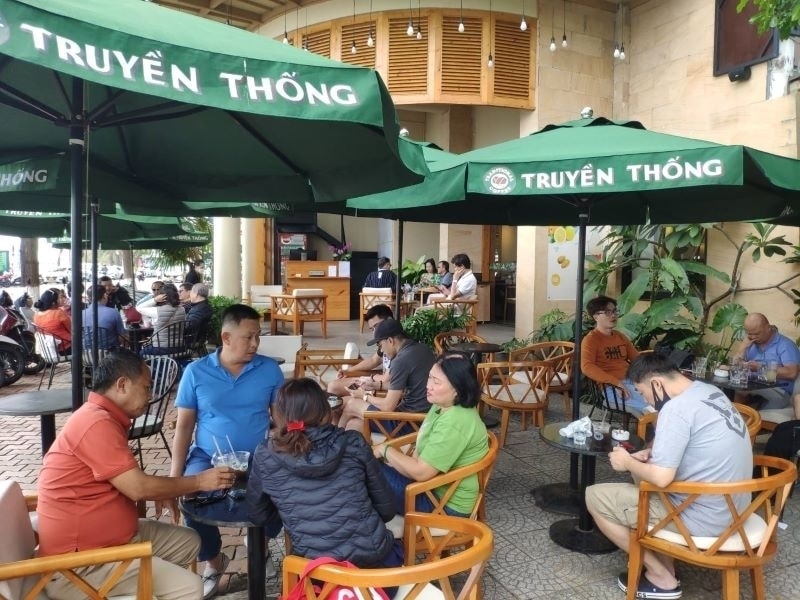
Cafe culture fills the gaps. An Thuong is packed with work-friendly cafes, and some post fast connections. One well-known cafe was clocked above 500 Mbps. The one caveat worth knowing is that Vietnam’s undersea cables have a history of periodic faults that slow international traffic, so a lot of remote workers here keep a VPN running to stabilize connections and reach blocked sites.
Our guide to the best VPN for Vietnam covers the options.
Getting Around
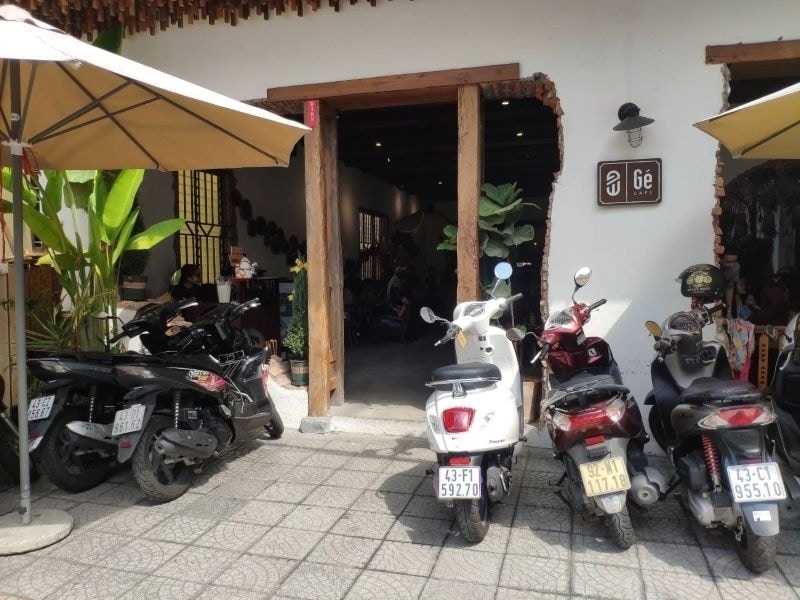
Da Nang is built for two wheels. A monthly motorbike rental runs US$40 to US$60, and for most expats it is the default way to get around. The city is flatter and calmer than Hanoi or Ho Chi Minh City, which makes it a more forgiving place to learn if you have never ridden before, though the traffic still demands respect.
If you would rather not ride, Grab covers the city cheaply for both cars and motorbike taxis, and the beach strip from An Thuong through My Khe is walkable in a way few Asian cities manage. Da Nang International Airport sits right inside the city, a ten-minute drive from most expat areas, with direct flights across Vietnam and to regional hubs.
That central airport is a genuine quality-of-life perk when you need to do a visa run or take a weekend away.
Healthcare
Da Nang’s private healthcare has improved sharply, and for routine and mid-level care you are in good hands. The main options expats rely on:
- Vinmec Da Nang International Hospital: the top private facility, JCI-accredited and opened in 2017, with staff who speak English, Japanese, Korean, Russian, and French
- Family Hospital (Da Nang Family Medical Practice): a well-regarded 250-bed private hospital popular with foreigners
- Hoan My Da Nang: respected and more affordable than Vinmec, with strong cardiology, orthopedics, and women’s health departments
The limit is that for complex or specialized treatment, many expats still travel to Ho Chi Minh City or across to Bangkok, where the top international hospitals handle the hardest cases. For everyday medicine, Da Nang is fine. For something serious, keep a plan B in mind. Our overview of hospitals in Vietnam goes deeper on what each facility handles.
Good to Know: Private care here is affordable by Western standards but not free, and a bad accident can run into real money. Sort out proper health insurance before you arrive rather than gambling on cash payments.
International Schools
Da Nang is a smaller education market than the big cities, with a handful of international schools rather than dozens, but the quality is solid and the price is a fraction of what you would pay elsewhere in Vietnam. The two main options are APU American International School, which runs a US-licensed K-12 program taught in English, and Singapore International School @ Da Nang in the Phu My An area, which offers a pathway from pre-nursery through to A Levels.
Tuition typically runs US$8,200 to US$10,000 a year, with APU’s upper grades reaching higher. That is 40 to 60 percent less than comparable schools in Ho Chi Minh City. Families also report shorter waitlists and less academic pressure than the big-city schools. For a family watching the budget, Da Nang’s combination of lower fees and lower cost of living is one of its biggest advantages.
Rainy Season
Every guide mentions Da Nang’s weather in passing. I want to give it a proper section, because the rainy season is the single thing most likely to make or break your first year here, and it is worse than most guides suggest.
From roughly September through December, and at its worst in October and November, Da Nang gets very heavy rain. These two months are the wettest of the year, with rainfall that regularly tops 600mm a month. Typhoons blow in off the East Sea, downpours can run for three to five days straight, and low-lying streets in the city center flood for a few hours at a time. My Khe’s waves climb to two or three meters, which shuts down swimming entirely, and flights can be delayed twelve to twenty-four hours when a storm alert hits.
The historical peak window for major typhoons is mid-October, roughly the 8th to the 22nd. If you can arrange your travel around it, avoid committing to anything critical in that stretch.
The daily-life problem that catches expats off guard is mold. During the wet months, humidity gets into everything, and apartments without good ventilation or a dehumidifier grow mold on walls, clothes, and shoes. When you view a place, ask about airflow and check for signs of damp, because a cheap apartment that molds every October is not a bargain.
Tip: Many long-term expats simply leave Da Nang for the worst of the rainy season, decamping to Ho Chi Minh City, Chiang Mai, or somewhere dry for six weeks. If your visa situation allows it, planning an annual escape around late October is the sanest way to handle the weather. Or if you want to live in a city with good weather all year round, check out Da Lat.
Visas
This is the real downside, and it is a big one. Vietnam has no retirement visa and no dedicated digital-nomad visa as of 2026. If you are picturing a straightforward long-stay permit like Thailand’s retirement visa, it does not exist here yet.
What most long-stayers actually use is the 90-day multiple-entry e-visa, which costs US$50 and is applied for entirely online through the official government portal. It lets you leave to a neighboring country and return without reapplying, so the common pattern for retirees and nomads is to cycle the e-visa with periodic border runs. It works, but it means you are never fully settled, and immigration rules can shift.
A few other routes exist but fit narrow cases:
- Temporary Residence Card (TRC): valid for one to five years, but it generally requires a work permit or a Vietnamese family connection, not remote income
- UD1 tech-talent visa: a five-year visa launching July 1, 2026, but aimed at PhD researchers, senior corporate executives, and major investors, not ordinary remote workers
- Golden Visa: a ten-year visa that has been proposed but remains without legislation or an application process, so treat it as a possibility, not a plan
For most people reading this, the practical answer for the next year or two is the e-visa plus border runs. Know this before you commit. Our detailed guide on the Vietnam retirement visa situation explains the current options in full, and if long-term certainty matters most to you, it is worth reading before you commit.
Do You Need a Visa for Da Nang?
It depends on your passport. UK, German, French, Japanese and South Korean passports get 45 days visa-free. Most other passports, including US, Canadian and Australian ones, need a visa, usually the e-visa. (Verified October 2026.)
- 45 days, any purpose: Germany, France, Italy, Spain, the UK, Russia, Japan, South Korea, Denmark, Sweden, Norway and Finland. This runs until 14 March 2028.
- 45 days, tourism only: Belgium, Bulgaria, Croatia, the Czech Republic, Hungary, Luxembourg, the Netherlands, Poland, Romania, Slovakia, Slovenia and Switzerland. This runs from 15 August 2025 to 14 August 2028.
- E-visa: up to 90 days, single or multiple entry, applied for online through the official portal.
| Option | Stay | Cost |
| Visa exemption (24 passports) | 45 days from entry | Free |
| E-visa, single entry | Up to 90 days | US$25 |
| E-visa, multiple entry | Up to 90 days | US$50 |
| Temporary residence permit | Depends on the permit | US$145 to US$165, depending on duration |
| Extending a temporary residence permit | Per extension | US$10 |
Don’t count on the exemption for a long stay. It ends at 45 days, and you must still meet Vietnam’s normal entry rules, including a passport valid for at least six months. If you plan to stay longer, apply for the e-visa before you fly.
Pros and Cons
Here are the main pros and cons.
Pros
- Low cost of living, especially if you rent like a local
- Fast, cheap fiber internet and a real coworking scene
- A walkable beach city with clean air and calm traffic by Vietnamese standards
- Excellent, affordable food
- Solid private hospitals for routine care
- Cheaper international schools than the big cities
- A central airport that makes travel and visa runs easy
Cons
- No retirement or digital-nomad visa, so long stays mean border runs
- A brutal rainy season with flooding, typhoons, and mold
- Rising prices and crowds, especially in An Thuong since 2025
- Construction noise in the popular expat areas
- Complex medical cases still mean traveling to a bigger city
- A language barrier outside the tourist core
The community mood reflects this split. Expats consistently praise the value, the food, and the beach, while grumbling about rising rents, the noise of constant construction, and the wet-season mold. A common refrain in expat groups is that at a budget of US$1,400 to US$2,000 a month Da Nang is excellent, but the days of it being dirt cheap are ending as more people arrive.
Who Should Move to Da Nang?
For digital nomads, Da Nang is close to ideal. The internet, the cafes, the coworking spaces, the cost, and the beach add up to one of the best-value bases in Asia, and the loose visa situation is manageable if you are already used to moving every few months. If you can leave during the worst of the rainy season, the downsides mostly disappear.
For retirees, the answer is more nuanced. The cost, the healthcare, and the lifestyle are genuinely attractive, but the lack of a retirement visa is a real obstacle if you want to settle permanently in one place. If you are comfortable running the e-visa and border-run cycle, or you are treating Da Nang as a base for a few years rather than forever, it works well. If you need the certainty of a long-term visa, Thailand or another country with a formal retirement route may suit you better. Our guide to the best places to retire in Vietnam puts Da Nang in context with the alternatives.
Frequently Asked Questions
Is Da Nang safe for expats?
Yes. Da Nang is one of the safer cities in Southeast Asia, with low violent crime and a relaxed feel. The main risks are road accidents and opportunistic bag-snatching, the same as anywhere in the region. Our guide on whether Da Nang is safe covers the details.
Is English widely spoken?
In the tourist and expat core around An Thuong and My Khe, you will get by in English. Outside those areas it drops off quickly, and learning some basic Vietnamese makes daily life far smoother. It also helps you access local prices for rent and services.
What is the best time to move to Da Nang?
Aim to arrive between February and August, when the weather is dry and warm. Landing right before the October rains is the worst possible start, since you will be apartment-hunting in a flood.
Can I retire in Da Nang long-term?
You can live there long-term, but not on a dedicated retirement visa, because Vietnam does not offer one. Most retirees use the 90-day e-visa with border runs. If permanent, settled residency is essential to you, factor that limitation in carefully.
Should I use cash or card?
Cash still rules for markets, street food, and small shops, though cards and QR payments are increasingly accepted in supermarkets and larger restaurants. Set up a low-fee way to move money before you arrive; our guide on how to transfer money to Vietnam walks through the cheapest options.
How much is the Vietnam e-visa?
US$25 for a single-entry e-visa and US$50 for a multiple-entry one, both valid for up to 90 days. Vietnam’s fee schedule took effect on 1 April 2026. (Verified October 2026.)
Is the 45-day visa exemption for tourism only?
It depends on your passport. For Germany, France, Italy, Spain, the UK, Russia, Japan, South Korea, Denmark, Sweden, Norway and Finland, the exemption applies whatever the purpose of your trip. For the 12 countries added in August 2025, including the Netherlands, Poland and Switzerland, it covers tourism only. (Verified October 2026.)
How much does a Vietnam temporary residence permit cost?
Between US$145 and US$165, depending on how long the permit runs. Each extension costs US$10. You generally still need a work permit or a Vietnamese family connection to qualify. (Verified October 2026.)
Do children pay the same visa fee?
Children under 14 pay a flat US$25 visa fee, whatever the visa’s validity. (Verified October 2026.)
Sources Cited
- Vietnam National Portal, new immigration fee schedule (Circular 28/2026/TT-BTC): e-visa fees, temporary residence permit fees, children under 14.
- Vietnam National Portal, Resolution 44/NQ-CP visa exemption: 45-day exemption for 12 countries until 14 March 2028.
- Vietnam National Portal, Resolution 229/NQ-CP visa exemption: 45-day tourism exemption for 12 further countries, 15 August 2025 to 14 August 2028.
- Vietnam Immigration Department portal: online temporary residence declaration service and e-visa portal domains.