This article will take approximately 28 minutes to read. Don't have the time right now? No worries. Email the ad-free version of the article to yourself and read it later!
Real experiences of a Thai person relocating to Split, Croatia, covering cost of living, jobs, housing, culture, and things you should know before deciding to move.
I’m a Thai who decided to move and live in the city of Split, Croatia—a coastal city that many might not recognize, with almost no reviews to read before coming. Though I haven’t been here long, living there has introduced me to new experiences.
The simplicity and pace of life are radically different from Bangkok. Every day there’s something to learn, and many things that I wish Thais could experience themselves because it’s confusing, fun, and impressive all at the same time.
In this article, I want to share real experiences for Thais thinking of relocating or particularly interested in Split. I’ve compiled everything I’ve encountered, from the city’s changes with the seasons to the uniquely charming Dalmatian culture, the good, the challenges, and what you should know before moving here. I’ve summarized them into 22 key takeaways to help you see life in Split as clearly as possible before deciding. Let’s see what’s there!
Disclaimer: This article may include links to products or services offered by ExpatDen's partners, which give us commissions when you click on them. Although this may influence how they appear in the text, we only recommend solutions that we would use in your situation. Read more in our Advertising Disclosure.
Contents
- Key takeaways
- The people, culture, and spirit of Croatians.
- 1. Football is the breath and rhythm of life (The Football Frenzy)
- 2. Sunday: A Day for Family and Religion
- 3. End quickly, no dragging—it’s an unusual but effective way to resolve conflicts.
- 4. The Charm of "Fjaka" - The Culture of Taking Things Slow
- 5. Don’t rely too much on English, learn a bit of Croatian.
- Economy, Finance, and Employment
- Housing, Environment, and Transportation
- 10. Frequent moving is a normal thing for people in Split.
- 11. Split has sunshine and clear weather almost all year round, but winter brings raging storms.
- 12. A city with two sides: between 'Party Split' and 'Relaxing Split'
- 13. Public transportation is adequate, but having a car is necessary if you live far away.
- Food, Coffee, and Healthcare
- Safety and Outdoor Activities
- In summary, there's really nothing to fear if you're ready to go out and live your life.
Key takeaways
- Split is a coastal city with a slow, simple pace of life, with the fjaka culture at its heart.
- Football, family, and religion are the pillars of the local society. Understanding this helps in easier adaptation.
- The cost of living has significantly risen after switching to the Euro, especially rent and essentials in tourist areas.
- Most jobs are seasonal, tied to tourism, requiring careful financial planning, particularly during the quiet winter months.
- Housing can be unstable in the summer, with many moving frequently as owners opt for short-term rentals.
- Knowing basic Croatian makes life easier and helps in connecting more with the locals.
- The public healthcare and bureaucratic systems tend to be slow. Having private insurance and preparing documents in advance can reduce stress.
- The city is very safe, perfect for an outdoor lifestyle, allowing for walks, swimming, and sea activities year-round.
The people, culture, and spirit of Croatians.
1. Football is the breath and rhythm of life (The Football Frenzy)
If you thought Thais were crazy about football, try meeting Croatians first… Here, football isn’t just a sport, it’s a ‘religion’ and a source of ethnic pride—it’s the one thing that truly brings people together. No matter how much they might have fought before, today they’ll sit together, laughing, drinking beer, and passionately cheering for the game.
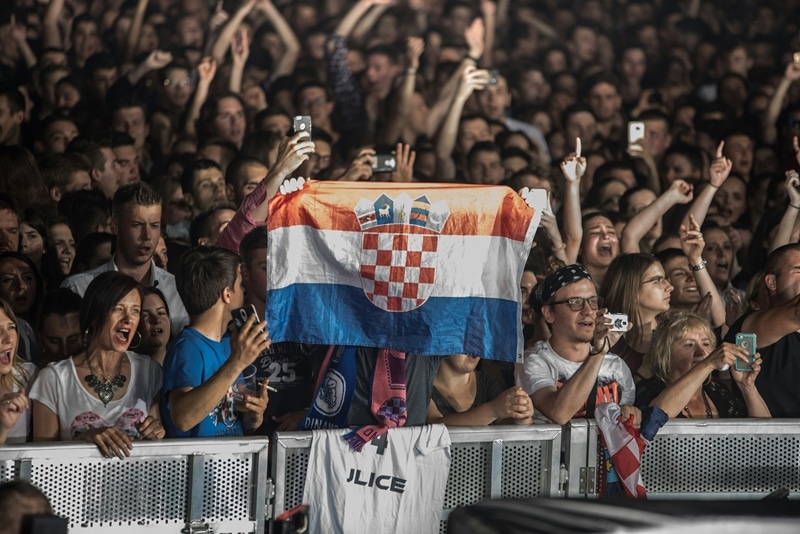
If there’s a significant football match, especially if it’s the team Hajduk Split the whole city of Split becomes eerily quiet like a ghost town. The streets are empty, and beaches that were once crowded are now deserted because everyone is gathered around screens at home or at bars with large TVs to cheer together. Even if I’m not watching, I’ll know the outcome because if they win, fireworks and car horns echo across the sky, followed by parties booming throughout the city until late. But if they lose, the landlord will shoo his friends home and sit sulking in the garden all day long.
2. Sunday: A Day for Family and Religion
Croatians place a lot of importance on family, especially every Sunday, which is like a religious day. Everyone goes to church together in the morning, cooks and eats at home in the afternoon, and this is the only day I don’t see the aunt, the wife of the house owner, carrying cloth bags out shopping in the morning. Instead, she stays home to prepare a big meal for the grandchildren who will visit in the evening.
Because Sunday is a sacred and true day of rest, most stores are closed or open only for a few hours in the morning so everyone can spend time with family. And every Sunday, the uncle, the house owner, brings me some Croatian local dishes to try, like pizza, roasted chicken, stewed beef organs, and roasted pig. It might not sound like authentic local food, but they are meals commonly eaten here.
3. End quickly, no dragging—it’s an unusual but effective way to resolve conflicts.
This might not be the usual way for easygoing Thai folks like us, but for Croatians, it’s quite normal. When they have a disagreement or a falling out, the quickest resolution is to get into the ring and settle it with a fight. It helps end things swiftly. I’m not sure if Croatians in other regions are like this, but most of the people I’ve met in Split tend to be this way.
However, fighting isn’t always about violence. Sometimes, it’s just that they can’t reach an agreement, and neither side wants to back down. A fistfight acts as a way to decide the winner. Once it’s over, they can spend the evening watching soccer, having a beer, and chatting like nothing happened.
4. The Charm of “Fjaka” – The Culture of Taking Things Slow
If you’re here for the first time, you might feel that life’s pretty slow-paced here. Cashiers take their time, buses are leisurely, and folks around seem to walk at a relaxed pace. But really, it’s the Dalmatian living philosophy called “Fjaka,” which translates to “the joy of doing things slowly” or “the art of doing nothing at all.” It’s about being with yourself and the nature around you. Of course, moving from the hustle and bustle of Bangkok to the laid-back city of Split is quite different. However, this lifestyle gradually grows on you, making you feel more in touch with yourself, allowing you to breathe and find genuine tranquility.
5. Don’t rely too much on English, learn a bit of Croatian.
In the city of Split, while most shops and services have staff that can communicate in English, I’ve found that knowing some Croatian makes life much easier when you’re in the local community or villages outside the city. It also helps neighbors warm up to you more quickly. Picking up a few simple words daily is fun since locals are often eager to teach you new phrases in a friendly manner.
At first, I only used English. Whenever I encountered the cashier lady at the nearby supermarket, I often felt she was grumpy and aloof, not speaking at all, which made me secretly think she didn’t like me. But once I started greeting her with simple words like “Dobar dan” or “Hvala,” everything changed. She smiled more, talked to me more, even though she spoke in a language I sometimes understood and sometimes didn’t. She would teach me to count numbers and tell me names of delicious local foods. These little moments made me realize that language truly is the key to the hearts of the Croatian people.
Economy, Finance, and Employment
6. The skyrocketing cost of living after switching to the “euro”
What those thinking of moving to Croatia must know is that reviews and information before 2023 might make you think living in Split is “very cheap” compared to other parts of Europe. I was once misled by this too. The current situation update is that the cost of living has completely changed. Since Croatia switched to the euro at the beginning of 2023, the cost of living has skyrocketed. Even the locals in Split are complaining en masse. Many families who have rented in Split for a long time have had to move out because they can’t afford the skyrocketing rent.
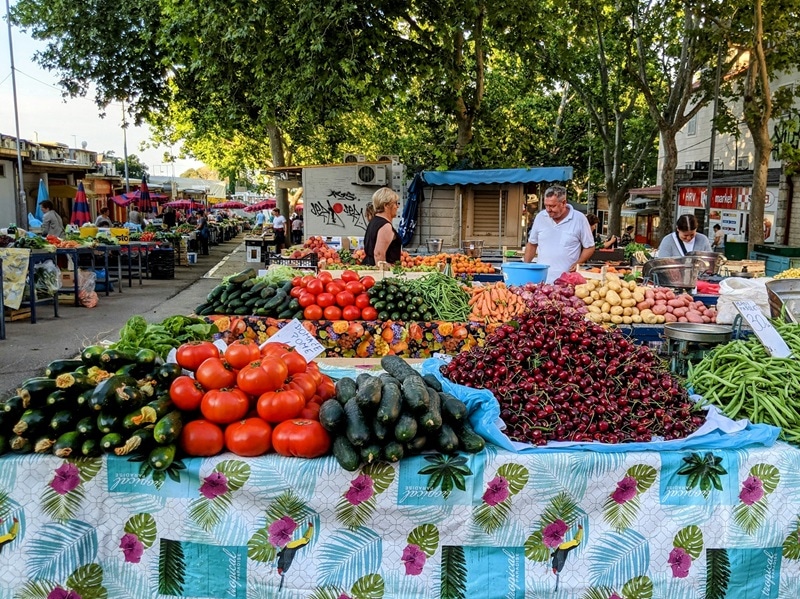
Meanwhile, the prices of food, goods, and real estate subtly rose due to tourism pressure and currency changes, but the minimum wage barely moved. This caused a noticeable mismatch between income and expenses. Currently, the cost of living in Split is as high as in major Western European cities, even though the average local income isn’t comparable. It makes me feel like living in Bangkok versus Split, Croatia, isn’t much different—just the ambiance is distinct.
Check out more about the cost of living in Croatia at Cost of Living in Croatia: How Much Do You Need Per Month in 2025?
7. The Issue of Youth Migration (Brain Drain)
It’s rare to walk into a supermarket or restaurant and only see young staff. Children here often work part-time, but most of the staff are retirees or older adults who take care of things. In Split city, you might see some younger faces, but they’re rarely Croatian. Most are Bosnians who moved for work because Bosnia has almost no jobs, and the pay in Croatia is better. Meanwhile, young Croatians are moving to places like Germany or Austria for better job opportunities and higher wages.
So, if you’ve readevery article I’ve writtenabout Croatia, you might notice I rarely mention peers of the same age. It’s mainly talks about the older generations because in my daily life, I hardly meet young Croatians.
8. There are seasonal jobs in tourism here, which means meeting new people, but it can get lonely in winter.
Here, work is mainly seasonal depending on tourism, especially in service sectors like hotels, restaurants, bars, or tour companies, as Split heavily relies on tourism. During the summer, there’s so much work that it can barely be finished, while also being fun and allowing you to meet new people from around the world. The atmosphere is lively every single day. But once winter hits, the city quiets down as if someone flipped a switch, and you can instantly feel the change in life’s pace.
The upside is this type of work suits many Thai people who want to work for a period and then take time off to travel, similar to the European lifestyle of working hard in the summer and taking real breaks in the winter. However, careful planning is needed for managing savings, as most of the income comes during the summer. If not well-managed, you might not have enough to last until the next tourist season.

9. Grocery prices skyrocket the closer you get to tourist areas.
In Split, the closer you are to tourist zones, the more grocery prices skyrocket without holding back. Basic items like vegetables, fruits, milk, eggs, or even bread can double in price just because they’re near the ‘Riva’ or in the old town. Especially small convenience stores in alleys tend to be much pricier compared to big supermarkets, something even locals complain about regularly.
For me, at first, I was confused why buying drinking water at a nearby store was only a few euros, but once you walked into the tourist zone, the price nearly doubled. It felt like a different country in just a few hundred meters. Sunscreen prices soared almost tenfold in every zone, even near residential areas, leading to a trend where Croatians stock up on sunscreen in the winter because even the wealthiest don’t want to buy it in the summer.
Housing, Environment, and Transportation
10. Frequent moving is a normal thing for people in Split.
After staying for a while, I realized that it’s not just us expats who have to move often, even the locals in Split face the same issue because the city has a ‘housing war’ going on between them and Airbnb During the summer, almost every apartment owner chooses to rent out on a daily basis to tourists because the income is significantly better. This means needing to move belongings out during April-May to stay in the city.
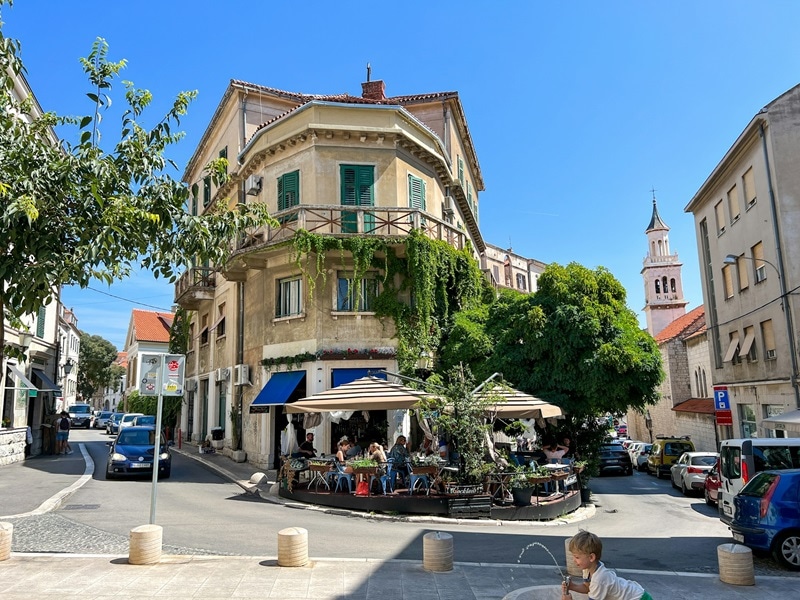
I’ve experienced this same situation. At first, I thought finding a long-term rental wouldn’t be difficult, but once I arrived, I understood that “winter” is the Golden Time for house hunting because some owners still offer long-term leases. However, in reality, I ended up moving every three months. You could say that as soon as I settled in, I had to start looking for the next place before they filled up. Honestly, it’s a chaotic and exhausting process, but it truly helped me understand the life of people in this city better.
11. Split has sunshine and clear weather almost all year round, but winter brings raging storms.
One of the things I fell in love with in Split right from the start is how it’s almost always sunny here. You step out of the house and are greeted by clear blue skies, almost making you forget you’re in Europe. The summers here are short, but they’re pleasantly warm with fresh air. The sun is bright but not overwhelming, bringing the city to life. People stroll along the coast, cafés are filled with laughter, and every day feels like a mini holiday for yourself. Even during spring or autumn, there are always warm days to sit out and enjoy the sun.
But when winter hits… it’s like a whole different world. Silence takes over, and what makes winter here feel ‘fierce’ isn’t the snow, but the Bura wind that sweeps down from the mountains unexpectedly. The wind is so strong it feels like it shakes the whole city. Some days, it’s hard to even walk. I’ve had to turn back home when the wind was so fierce I could hardly keep my eyes open. Even though the temperatures don’t dip below freezing, it’s the chill of the wind that makes it feel like you’re always in the midst of a storm.
12. A city with two sides: between ‘Party Split’ and ‘Relaxing Split’
Split is a city with two very distinct personalities. Sometimes I still wonder if I’m actually in the same town. When you walk around the city center or by the sea, you’ll see elderly folks sipping coffee, chatting leisurely as if time has stopped. Everyone seems calm and peaceful, living life at a deliberately slow pace. Life here is perfect for those wanting a deep, relaxing getaway. You can just sit by the sea and watch time pass by.
But as soon as you head to another part of the city or hop on a boat to nearby islands like Hvar or Brač, everything changes immediately. I still vividly remember my first visit to Hvar—it felt like stepping into a European youth party haven, with beach bars and clubs open till morning. EDM music pulsates your heart, and you feel like dancing automatically without a sip of alcohol. This side of Split is a playground for the young at heart who love fun, meeting new people, and are ready to burn energy day by day.
Thus, it becomes Split’s charm with dual allure—a city perfect for resting your heart in the morning but not far in the evening, you can find yourself immersed in a party world unaware.
13. Public transportation is adequate, but having a car is necessary if you live far away.
If I were to describe my firsthand experience living in Split, I’d say the public transportation here is ‘adequate’ but not quite convenient enough to ride without worries like in some cities in Europe. If you’re in the Old Town or riverside areas, you barely need the bus because everything is within easy walking distance — a quick stroll gets you to supermarkets, the marina, coffee shops, everything. It’s like the city is designed to be pedestrian-friendly more than anything.
But as soon as you move out of the city center, just beyond the hills, things change immediately. Buses still run, but the schedule is often sparse and not always timely, especially in the evenings when sometimes the sea breeze could carry you home before the bus even shows up. I tried to rely on the buses at first but eventually gave up and rented a car because if your house is up on a hill, or if you want to visit places that are a bit far away, a personal vehicle is the only real solution. Parking can be scarce and expensive, but it’s still easier than waiting half your life for a bus.
Food, Coffee, and Healthcare
14. Coffee is focused on strength, not creativity
If you’ve been in Split for a while, you’ll quickly realize that “going for coffee” here is unlike anywhere else. I used to think a café should have dozens of creative menu items, but after moving here, I’ve come to understand that they’re not into fancy menus much. Instead, they emphasize strong and straightforward flavors. Espresso is the true star of this city, whether it’s a straight shot, a macchiato with a tiny bit of foam, or a classic white coffee — everything focuses on bold, strong, and clear flavors. Croatians believe that “coffee should have character,” not just sweet syrupy liquids.
When I go to a café with neighbors, they’re not eager to see what the week’s new menu item is. It’s more about sitting around, chatting, people-watching, and slipping into fjaka mode — the art of doing nothing. Coffee is just an accompaniment that gives our leisurely chats a purpose. Of course, Split is starting to have some more modern specialty shops, like D16 or Tinel for the newer generation wanting to try something different. But overall, the coffee culture here is simplicity filled with intention. It’s strong yet polite, quiet yet profound, and it’s a time that makes me feel truly a part of this city.
15. Fast food isn’t a cheap option
Living in Split for a while, you’ll realize that fast food places like McDonald’s or KFC aren’t the easy and cheap choice we’re used to back home. These branches are usually crammed in Mall of Split far from the old town where we actually live. On top of that, the prices aren’t exactly wallet-friendly. So, whenever I need a quick bite, I hardly ever think of fast food. Instead, it’s the local small shops nearby that truly fit the bill.
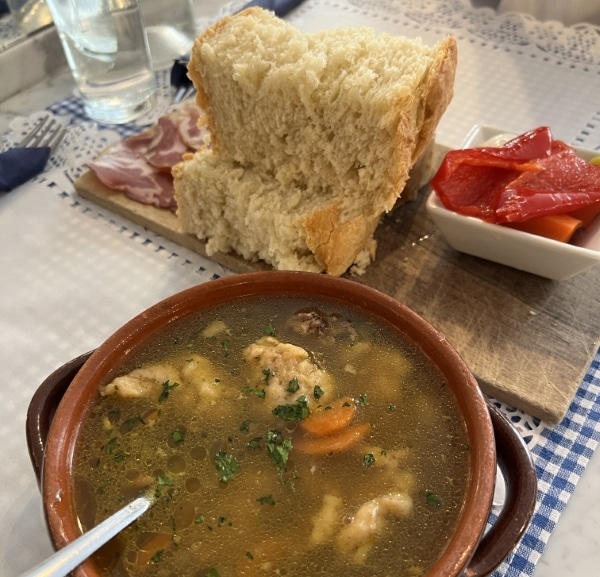
For example, Pekara or local bakeries found on every corner. A hot cheese-filled burek is perfect for a busy day, or if I’m really hungry, I head to the local konoba near the market for a hearty Marenda menu. It’s affordable, satisfies like a home-cooked meal, and feels like dining at someone’s home. These local foods have become the true ‘fast food’ for people in Split. They’re closer, more worthwhile, and give the authentic experience of eating like a local more than wandering into the Mall for a burger readily available worldwide.
16. People in Split love eating bell peppers
People in Split often joke that “If a house doesn’t have a jar of ground paprika, then it’s not really in Croatia.” Paprika is like the signature of every meal here. Whether it’s a hearty stew or a quick meal on an exhausting day, a sprinkle of bright red paprika is always added. It gives a warm aroma and a familiar feeling that instantly reminds you of home. Especially on those chilly evenings when you pass someone’s kitchen and catch the aromatic scent of goulash, you know there’s at least one pot with paprika on the menu.
Fresh paprika is another favorite in Split, especially the dish Punjena paprika or stuffed peppers, with nearly every household having its secret recipe. Some families pack them tight with meat, while others prefer fluffed-up rice for easy eating, simmering them in tomato sauce until the flavors meld beautifully, filling the house with enticing aromas. Eating it feels like a comforting release after a long day. And although Split is renowned for its seafood, paprika remains a staple taste in every home.
17. Not drinking Ožujsko beer is like not really visiting Croatia
In Split, beer is not just a beverage; it’s an excuse to sit and chat for hours. Ožujsko and Karlovačko are like companions at every table—light, refreshing, and easy to drink. Perfect for the seaside weather without overthinking it. When friends invite you with ‘ajmo na pivo,’ it’s not an invitation to get drunk; it’s more a suggestion to relax, take a deep breath, gaze at the blue sky, and let your mind be at ease. We might even enjoy a drink by the beach.
But lately, I’ve noticed the beer culture in Split is growing, especially the craft beer scene, which is quietly gaining momentum. Small breweries like LAB Split are adding more fun options to the city, from aromatic IPAs to robust Stouts that the younger generation loves to try. Cozy specialty bars are popping up in old alleys, offering a rotating selection of unique styles to sip every time you visit. In the end, Split’s beer culture is a heartwarming blend of the cold lagers we grew up with and the craft beers that add vibrancy to this seaside town.
18. Navigating healthcare is like a maze for finding a primary doctor.
Living in Split taught me that healthcare here is like navigating a quiet maze by the sea. You can’t see a specialist doctor without having a general practitioner (GP) act as your ‘first gateway.’ Honestly, finding a GP accepting new patients requires patience, time, and sometimes calling for weeks. Even after you get a GP, it’s not over. Even if you know your symptoms and the specialist you need, you still can’t go directly. You always need a referral from your GP.
Because of this, many locals, myself included, opt for private insurance as well. Private hospitals here are reassuringly clean, the examination rooms are comfortable, and more importantly, English is spoken much more fluently, making everything run smoother. You can book a specialist right away without having to loop back for a referral, avoiding unnecessary hassle. If you want treatment to be quick and don’t want to get lost in the maze too long, private insurance is the solution many in Split embrace without a second thought.
Safety and Outdoor Activities
19. Enjoy a relaxed stroll all day; it’s safe even after dark.
Even though Split is a major tourist city, daily life here feels much safer than you’d think. I often walk home at night without ever feeling the need to look over my shoulder. Everyone lives with peace of mind. Violent crimes rarely occur. What you do need to watch out for are pickpockets in the old town’s narrow streets, especially during peak tourist seasons when visitors flow down the roads like rivers in summer.
On the flip side, localized conflicts aren’t unheard of, mostly stemming from football rivalries or heightened emotions after heavy drinking at certain bars. If I see a group getting too rowdy, I usually opt to take a slight detour around bars or party zones just for peace of mind. Not because the city is unsafe, but just to keep things feeling secure.
20. Hotspot for Water Sports Enthusiasts
Split is a city that makes you feel drawn into the rhythm of the sea from morning till night. Some days, I just walk through the city port and see both tourists and locals lining up to board boats to Hvar or Brač, as if it’s as common as taking a bus. That’s the charm of Split; it’s a city where the port is right next to the old town, and the Dalmatian islands around it become a natural playground for all ages. Plus, there’s the clear sea water and beautiful bays around the islands of Vis or Korčula, making many people prefer spending their holidays hopping on a boat and going for a swim rather than driving around.
The longer you stay, the more you’ll realize that water activities are not special events but a way of life embedded in the city’s breath. From taking a yacht trip to sleep over on an island, kayaking at sunset at Marjan Hill, snorkeling in crystal-clear waters, to playing Picigin at Bačvice Beach, everything seems incredibly natural and easy to access.
21. The Lungs of the City: Marjan Hill
Marjan HillIt’s like an old friend that the people of Split always rely on. Every time I go there, it feels like I’m breathing in pure air and escaping the hustle and bustle of the old town. I often walk up towards Vidilica in the morning, weaving through people’s houses. Once you reach the top, you’ll see the red roofs of Split, the Adriatic Sea stretching far, and islands floating on the horizon. It’s a scene that immediately makes you understand why locals love and frequent this spot.
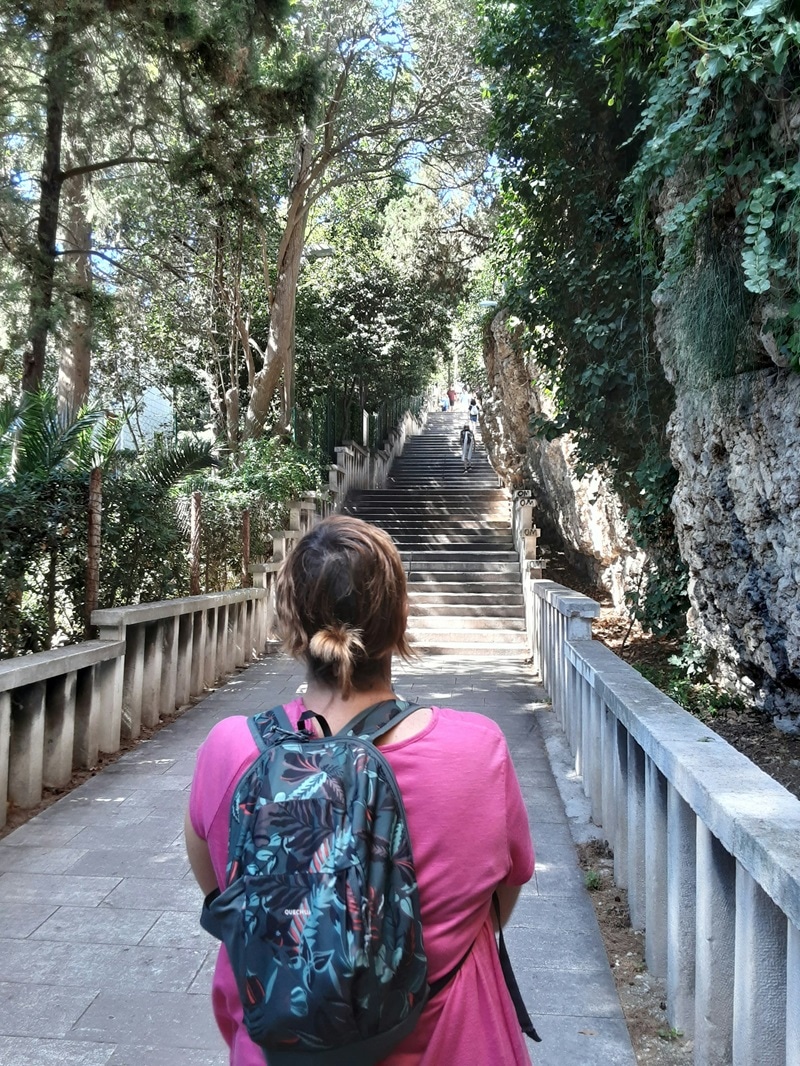
And the beauty of Marjan is not just at the summit. The peninsula is filled with hiking trails, clear-water beaches like Bene and Kašjuni where the people of Split enjoy swimming after work, and ancient churches hidden along the slopes that you stumble upon unexpectedly. Marjan is not just the “lungs of the city”; it’s like the heart of the locals, blending nature, history, and daily life together.
22. A bureaucratic system slower than Thailand
When it comes to dealing with government work in Split, we Thais need to brace ourselves for it being slow, super slow, and filled with complicated procedures that can easily make your head spin. Renewing a visa or residence permit at the MUP is like a true test of patience, with lines that start long before opening hours. Some officers don’t speak English and often unexpectedly ask for more documents. Just a small mistake and you might have to start all over again. I personally made three trips back because I forgot one photocopy, and learned the hard way to never underestimate the Croatian bureaucracy. You have to double-check everything to avoid wasting too much time.
In the end, you just have to adapt completely, learn to prepare documents comprehensively, think ahead about everything you might need, always arrive before opening hours, and stay calm. Getting anxious will only make it more exhausting. Simply put, the bureaucracy here is no different from a slow-moving slot machine that requires you to take it easy, never rush, and always be ready for hidden challenges. Once you understand the pace of this city, everything will proceed more smoothly in Split’s own way, slow but very Croatian in style.
In summary, there’s really nothing to fear if you’re ready to go out and live your life.
After living in Split for a while, I’ve learned that the city isn’t perfect in every aspect, but there’s nothing too scary to handle either. From the slow bureaucracy, overly straightforward locals, to the rising cost of living – it’s all part of living abroad. In the end, it made me stronger, broad-minded, and calmer than I’ve ever been in my life.
Split taught me that there’s no one “perfect” city for everyone. Every city can become our home if we dare to step out of our comfort zone and open our hearts to new experiences life brings. If you’re hesitating about moving, I’d say go for it. It might not be easy, but it will be filled with unforgettable stories, and you’ll discover sides of yourself you might never have known if you stayed in the same place your whole life.
May your journey… be both a teacher, a friend, and a gift at the same time.





 ไทย:
ไทย: Español: