This article will take approximately 18 minutes to read. Don't have the time right now? No worries. Email the ad-free version of the article to yourself and read it later!
Two carriers cover Panama, Tigo and Más Móvil, with near-identical unlimited-data plans from about US$30 a month. Here is where to buy a SIM, prepaid versus postpaid, coverage, and why an eSIM might be all you need on arrival.
The first thing you should do when you move to Panama is buy a local SIM card.
Sometimes it’s more important to be always reachable at a local number – if you open a bank account or otherwise want to be always reachable for friends and family who still insist on reaching you by calling an actual phone number. In that case, having a phone plan through a Panamanian provider is the only way to stay connected 24/7 to your contacts in Panama and back home.
Panamanian phone plans set you up with a local number, which makes it easier to communicate with people and businesses in Panama. You’ll also be able to send and receive text messages and local calls free of charge.
Many Panamanian providers offer plans that include a certain number of minutes to foreign countries like the United States, Colombia, and Venezuela.
In this guide, we’ll be exploring all you need to know about SIM cards in Panama, including where to buy them, SIM card providers (plus their pros and cons), and different kinds of phone plans.
Contents
- Key Takeaways
- Where to Buy a SIM Card in Panama
- Types of SIM Cards Available
- SIM Card Providers In Panama
- Tigo vs Más Móvil
- How To Switch Providers
- Can I Use an International Plan in Panama?
- Do North American Phone Plans Work in Panama?
- Now, On To You
- Frequently Asked Questions about SIM Cards in Panama
- Do I need to register my SIM card with the government when I buy one in Panama?
- Is Panama getting a third mobile network operator?
- Does Panama have 5G coverage?
- Can I buy an eSIM directly from Tigo or Más Móvil, or only through apps like Airalo and GigSky?
- Does my phone need to be unlocked to use a Panamanian SIM card?
- Can tourists buy a SIM card in Panama, or do you need residency?
- What happens if I don’t register my prepaid SIM card in Panama?
- Sources Cited
Key Takeaways
- Tigo and Más Móvil are the two main SIM card providers in Panama.
- They offer similar prices, plans, and coverage areas.
- In very remote areas, Más Móvil has better coverage.
- On the other hand, Tigo has better customer service.
- You can buy a SIM card at any convenience store or provider’s shop.
- If possible, avoid buying a SIM card at the airport since it’s more expensive.
- There are both pay-as-you-go plans and post-paid plans. Again, prices and plans are similar.
Where to Buy a SIM Card in Panama
There are many places you can buy a SIM card in Panama. Let’s take a look.
Supermarkets and Convenience Stores
Supermarkets, convenience stores, and even corner shops sell SIM cards. They cost less than US$5 and include a Panamanian phone number.
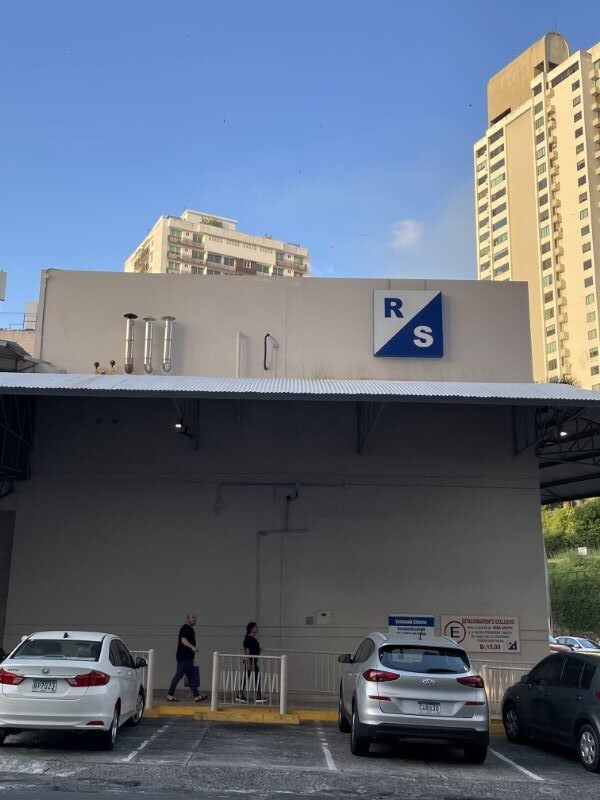
You can pay with cash or a card, and the only document you might be asked for is your I.D. (a passport works). SIM cards are not pre-loaded with data, which you’ll need to buy separately from the same store (more on that later).
Phone Company’s Store
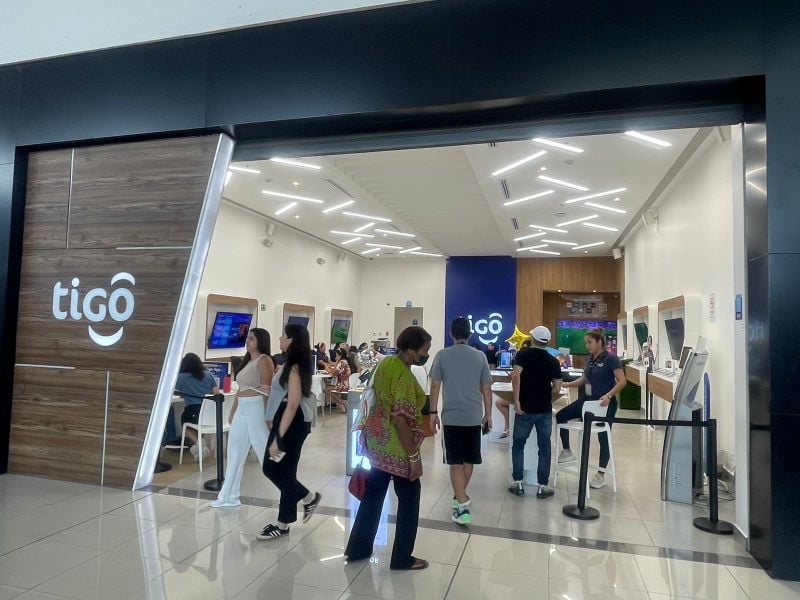
You can also buy a SIM card from one of the phone company’s stores.
In fact, you will need to visit a branch if you want to set up a monthly phone plan.
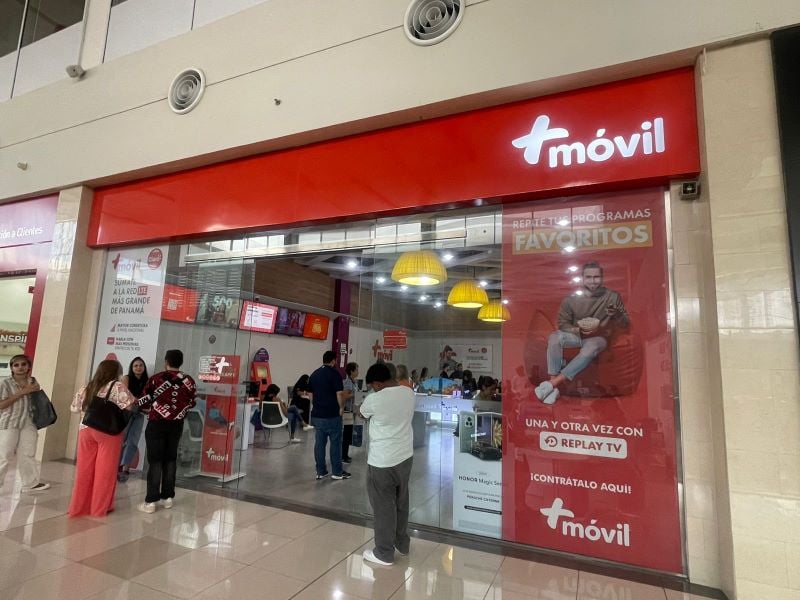
Each store has customer service agents who will help you through the process of installing your SIM card and choosing the right plan for you. Again, the only document you need to take with you is your passport.
If you sign up for a plan, you won’t be charged for the SIM card, and your first payment for the plan will be due in 30 days.
Airport
If possible, avoid purchasing a SIM card at the airport. Though it may seem convenient, you’ll end up paying a lot more than if you were to buy it elsewhere.
Types of SIM Cards Available
Each carrier offers pre-paid (prepago) and post-paid (pospago) phone plans. The first isn’t technically a plan, but rather a “pay-as-you-go” option.
Pre-paid Plans
If you go the prepago route, you will buy a SIM card and reload it with data and minutes in one of two ways.
The most convenient method is to download the carrier’s app, which can be linked directly to your Panamanian bank account.
Inside the app is a list of available plans that can be purchased and activated instantly. The plans vary by time period (often 1 day, 5 days, 7 days, 14 days, 30 days), number of minutes for phone calls, and amount of data.
The second option is to buy data from the cash register at a supermarket or corner store.
You select the number of days you need data for, and you’ll receive a card with a scratch-off code to activate the plan. Each card includes instructions on entering the code.
Post-paid Plans
Post-paid phone plans (pospago) must be set up with the phone company. The only document required to sign up for a plan is a passport.
Every 30 days, you will be billed the monthly cost of the plan. An email or SMS message will be sent to you a couple of days before payment is due with a link that you can use to easily pay with a debit or credit card.
You can also see when your balance is due and pay through the provider’s mobile app.
Pospago contracts are indefinite, meaning that your plan will remain active until you cancel it.
Pre-paid Plans vs Post-paid Plans
Some people find the pospago option more convenient because, as long as they’re paying, the data and minutes never run out, and they don’t have to remember to reload their SIM card regularly.
On the other hand, many people prefer prepago because it gives them control over how much they spend on data each month. The pay-as-you-go method is often cheaper than a fixed monthly plan because it allows you to pay for phone service only when you need it.
Using the pre-paid option, you could buy data for the exact amount of time you require it, even if that’s just a few days a month.
However, if you want data every day of the month, pre- and post-paid plans cost nearly the same for 30 days of service.
SIM Card Providers In Panama
There are only two cell phone companies in Panama, which are Tigo and Más Móvil.
These providers’ plans are very similar in terms of cost and services offered.
Both have pre-paid and post-paid options, and they feature convenient apps where you can pay for your plan with a card or a transfer from a Panamanian bank account.
Tigo vs Más Móvil
There really isn’t a significant difference between Tigo and Más Móvil.
They offer similar prices with comparable plans and coverage. Let’s take a look at a key comparison between these two providers.
Plans and Prices
Both Tigo and Más Móvil plans cost exactly the same. You also get similar internet data, calls, and free data roaming in the Americas.
A standard post-paid plan from Tigo costs US$30 a month (B/.30) and includes
- unlimited LTE data
- unlimited calls to other Tigo numbers
- 5GB of shareable data
- 250 calling minutes to out-of-network numbers
- 100 SMS messages
- free data roaming in the Americas.
Más Móvil’s site now redirects to Tigo, whose postpaid plans run from B/.30 to B/.38 a month (US$30 to US$38). A comparable plan includes:
- unlimited LTE data
- 250 calling minutes to out-of-network numbers
- unlimited calls to other Más Móvil numbers
- 15GB of shareable data
- free data roaming on the American continent.
Both plans allow you to make long-distance international calls (up to 250 minutes total).
Coverage
Tigo and Más Móvil both have widespread LTE coverage throughout Panama, including in rural areas.
You can view the coverage map for Tigo here and for Más Móvil here. Both providers offer high-speed data in urban areas and in the regions of the interior where expats usually live.
The only areas where you wouldn’t have signal are in remote areas of the country, such as the comarcas (indigenous territories), some uninhabited islands, and in jungle or mountain areas.
Más Móvil is said to have better service in very rural areas. I do hiking tours often, and at higher elevations, group members who have Más Móvil tend to have signal even at mountain summits, while the rest of us are left with no means of communication.
When I hiked to the top of Volcán Barú, I bought a Más Móvil SIM card, and though the signal was pretty spotty – and, to be fair, I was at nearly 12,000 feet above sea level, and there were high winds and rain – I was able to send and receive WhatsApp messages from the highest point in Panama.
If you plan to do a lot of hiking or visit rural areas, it would probably be smart to go with Más Móvil. This matches what most travellers report: Más Móvil edges ahead in remote spots and at high elevations, while Tigo’s network (which also powers most travel eSIMs like Airalo and GigSky) is the more reliable pick in Panama City.
I currently have a Tigo plan and, while I’ve had service everywhere I’ve travelled, it can be slow at times.
Customer Service
I often hear people say that Tigo has better customer service. So, if smooth customer service is important to you, you might consider using Tigo.
Plan Comparison
I put together a table to help you easily compare and contrast these two plans…
| Feature | Tigo | Más Móvil |
| Plan Types | Pre-Paid and Post-Paid | Pre-Paid and Post-Paid |
| Cost of Standard Post-Paid Plan | US$30-US$38/month (B/.30-B/.38) | Now routed through Tigo |
| Unlimited LTE Data | Yes | Yes |
| Calls to In-Network Numbers | Unlimited calls to Tigo numbers | Unlimited calls to Más Móvil numbers |
| Shareable Data | 5GB | 15GB |
| Out-of-Network Calling Minutes | 250 minutes | 250 minutes |
| SMS Messages | 100 SMS | Not specified |
| Free Data Roaming | In the Americas | In the Americas |
| Long-Distance International Calls | Yes; up to 250 minutes | Yes; up to 250 minutes |
| LTE Coverage | Widespread, including rural areas | Widespread, including rural areas |
| High-Speed Data | Urban areas and popular expat destinations | Urban areas and popular expat destinations |
| Service in Remote Areas | Generally good, can be slow | Better, especially at high elevations |
| Customer Service | Often rated better | Sometimes considered poor |
| App Convenience | Yes | Yes |
How To Switch Providers
Changing from one phone company to another is an easy process that costs nothing extra. Let’s say you have a post-paid plan with Tigo and want to switch to a plan with Más Móvil.
Your first step would be to cancel your plan at a Tigo branch. The only requirement is that you’re up to date with your payments and have no debt.
Once your Tigo plan is canceled, you would go to a Más Móvil branch with your passport and the receipt from your last Tigo payment.
A customer service agent would tell you about the different plans available and help you choose the right one for you. You would sign a document and then receive your new Más Móvil SIM card.
You could either keep the same phone number or opt for a new one. Within 24 hours, your Más Móvil plan would be activated and ready to use.
Your first payment would be due 30 days later. If you activate your plan on the 21st, you will be charged on the 21st of every month.
Can I Use an International Plan in Panama?
Yes, you can use an international phone plan without having to buy a local SIM card in Panama.
However, they’re not a smart long-term solution due to their high cost. Why would you spend hundreds of dollars on international service when a phone plan from a Panamanian company offers the same services for a fraction of the price?
Do North American Phone Plans Work in Panama?
Unfortunately, North American phone plans do not work in Panama.
Now, On To You
You can view the complete lists of Tigo and Más Móvil store locations here. These lists will help you find the store closest to you and include each branch’s address and business hours. There are stores in Panama City and throughout the rest of the country in larger cities and towns.
In addition to customer service, Tigo and Más Móvil stores also sell phones and other electronic devices. Popular brands include iPhone, Samsung, and Huawei.
You might be wondering if you really need a monthly phone plan. It’s completely up to you. On one hand, it’s often cheaper to go the prepago route and buy data as needed. On the other hand, a monthly plan is convenient because it updates automatically each month, so you don’t have to remember to recharge your data.
With how easy it is to change phone plans in Panama, you could try both options, and even experiment with both carriers, before settling on one.

Frequently Asked Questions about SIM Cards in Panama
Do I need to register my SIM card with the government when I buy one in Panama?
Yes, though the carrier handles it for you at the counter. When you buy a prepaid SIM, the shop photographs your ID and takes a photo of your face before switching the line on, which is why they ask for your passport even on a US$5 tourist SIM. Every carrier has done this since November 15, 2023. (The rule comes from Panama’s telecom regulator, ASEP, under Resolution AN No. 18397-Telco.) Once you start moving to Panama for good, you’ll show that same passport again for banking, renting an apartment in Panama City, and plenty of other paperwork.
Is Panama getting a third mobile network operator?
Maybe eventually, but not yet. The regulator tried to bring in a third carrier during 2026, setting an August 11, 2026 deadline for companies to apply and pencilling in a December 1, 2026 auction for a 20-year license. Nobody applied by the deadline, so Tigo and Más Móvil are still the only two operators while ASEP weighs whether to try again. Don’t plan around a third SIM option showing up any time soon.
Does Panama have 5G coverage?
Only in pockets. Tigo and Más Móvil have run 5G in Panama City and Costa del Este since 2023, with download speeds reported between 180 and 350 Mbps in those zones. That’s plenty of headroom if you’re working remotely on Panama’s digital nomad visa, but wider rollout outside the capital isn’t expected until late 2026 or early 2027, so budget for LTE speeds once you leave the city.
Can I buy an eSIM directly from Tigo or Más Móvil, or only through apps like Airalo and GigSky?
In practice, most travelers set up their eSIM through an international provider like Airalo, GigSky, or Yesim before landing, rather than through Tigo or Más Móvil directly. Those third-party eSIMs typically run US$12 to US$22 for 1-3GB over one to four weeks, similar territory to a local prepaid card without the trip to a store. If you’d rather have a local number and a Panamanian carrier relationship from day one, or you’re also arranging home internet in Panama, a physical SIM from Tigo or Más Móvil is the more straightforward route.
Does my phone need to be unlocked to use a Panamanian SIM card?
Yes. A phone locked to a foreign carrier won’t accept a Tigo or Más Móvil SIM, or a local eSIM profile. Check with your home carrier before you fly, since unlocking sometimes takes a few days to process.
Can tourists buy a SIM card in Panama, or do you need residency?
Tourists can buy one the same way residents do. Bring your passport, and you can pick up a prepaid SIM at a supermarket, a carrier store, or one of the SIM vending machines at Tocumen International Airport, though airport prices run higher, as covered above. No residency card or long-stay visa is required, and at US$27 a month for a full plan, it’s a small line item next to the rest of your cost of living in Panama.
What happens if I don’t register my prepaid SIM card in Panama?
The line legally can’t be activated without registration, so in practice you won’t reach an unregistered stage at the point of sale. If you bought a SIM years ago before the 2023 rule took effect, expect your carrier to eventually require a branch visit with your passport to keep the number active. Carriers, not customers, face the penalties for skipping registration under ASEP’s rule, but a line without your details on file can be deactivated.
Sources Cited
- ASEP (Autoridad Nacional de los Servicios Públicos) – Registro SIM Card: Panama’s telecom regulator confirming mandatory prepaid SIM registration since November 15, 2023 under Resolution AN No. 18397-Telco (ID photo + facial photo capture at activation).
- TVN Noticias – Tercer operador móvil: licitación sin propuestas: Confirms the August 11, 2026 prequalification deadline for a third Panama mobile operator received no proposals, per ASEP’s national telecommunications director.
- Infobae Panamá – Panamá licitará este año entrada al mercado de un tercer operador: Background on ASEP’s 2026 third-operator tender timeline and confirmation that Tigo and Más Móvil are currently the only two active operators.
- Infobae Panamá – Panamá entra en la recta final para el despliegue de la tecnología 5G: Reports current 5G availability in Panama City and Costa del Este since 2023 and expected wider national rollout in late 2026/early 2027.






 Deutsch:
 Français:
'/%3E%3Cpath%20fill='%23b2b2b2'%20d='M241%20382q0%2016%2017%2026%2017%2011%2042%2011t42-11q16-11%2017-26V269H241'/%3E%3Cpath%20fill='%239f7e00'%20d='M241%20379q0%2014%208%2023%209%209%2021%209%2014%200%2021-9%209-9%209-23V269h-59'/%3E%3Cpath%20d='M241%20339v-70h59v110q0%2014-9%2023l-6%205v-68h-15v72q-8%200-14-4v-68zm59%2040c0%2022%2015%2032%2029%2032%2021%200%2030-18%2030-32v-40h-59'/%3E%3Cpath%20fill='%239f7e00'%20d='M266%20277v5h2v12h-3v-5h2v-5h-9v5h2v5h-4v9h3v18h-5v10h34v-10h-5v-18h3v-9h-4v-5h2v-5h-9v5h2v5h-3v-12h2v-5zm42%20101q0%2010%206%2017%206%206%2015%207%2010-1%2016-7%206-7%206-17v-29h-43'/%3E%3Ccircle%20fill='%230044ad'%20cx='329.5'%20cy='372'%20r='6'/%3E%3Cellipse%20fill='%230044ad'%20cx='300'%20cy='340'%20rx='16'%20ry='21'/%3E%3C/svg%3E) Español:
Español: