Panama offers expats a stable, dollar-based economy, one of the easiest residency pathways in Latin America, and a choice of lifestyles from cosmopolitan Panama City to highland coffee towns and Caribbean islands.
Panama is a popular expat destination for many reasons. This Central American country has a warm year-round climate, beautiful beaches on both Pacific and Caribbean coasts, and a wealth of biodiversity.
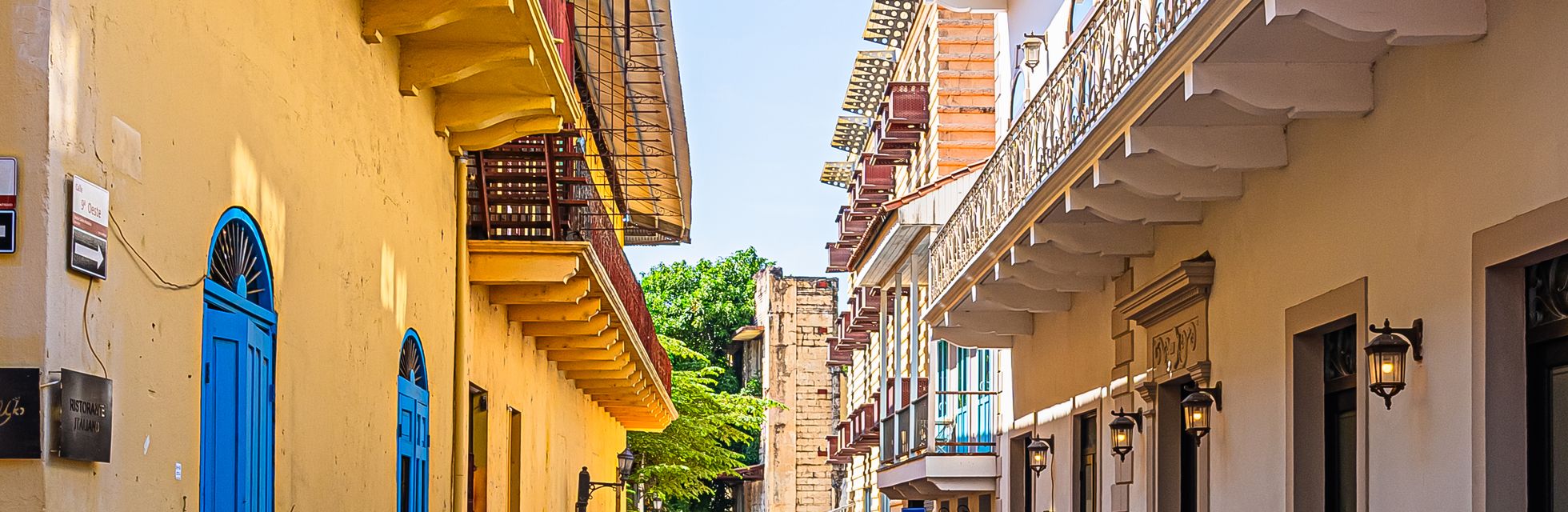
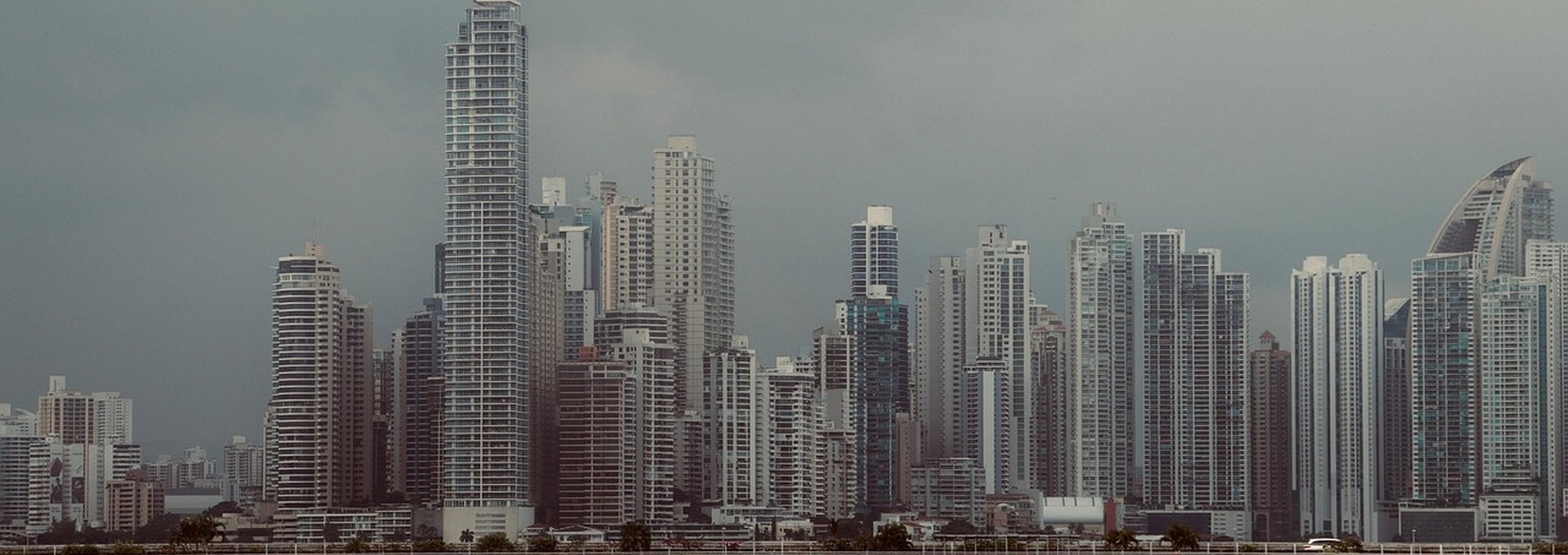
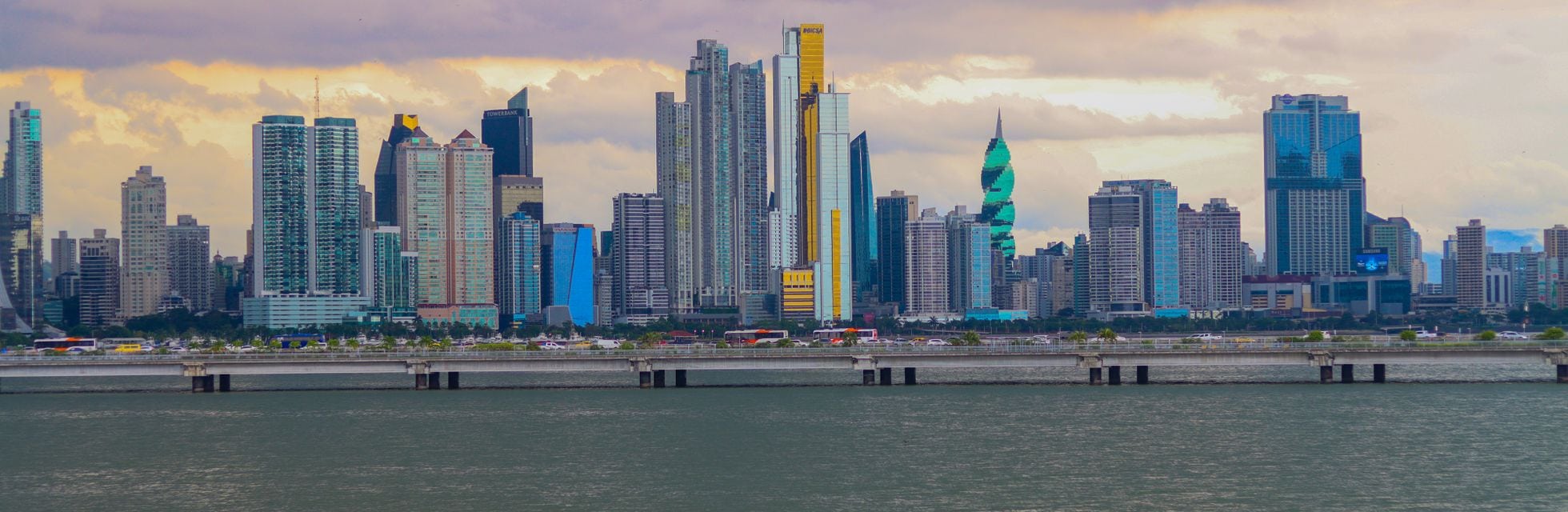
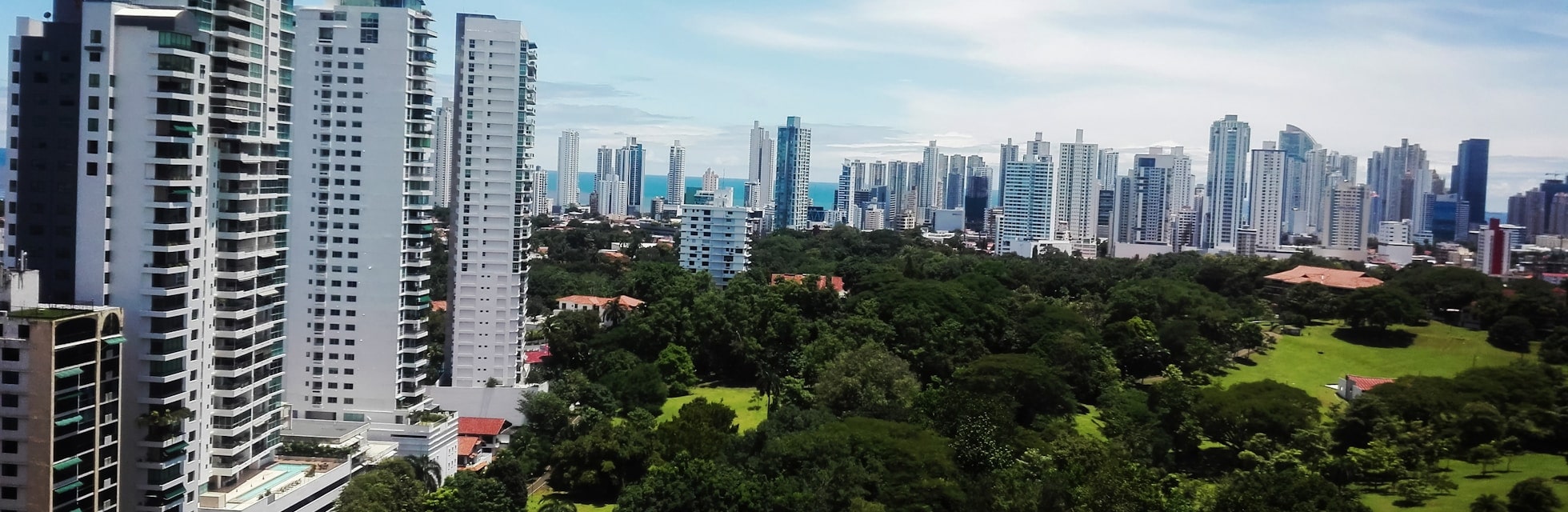
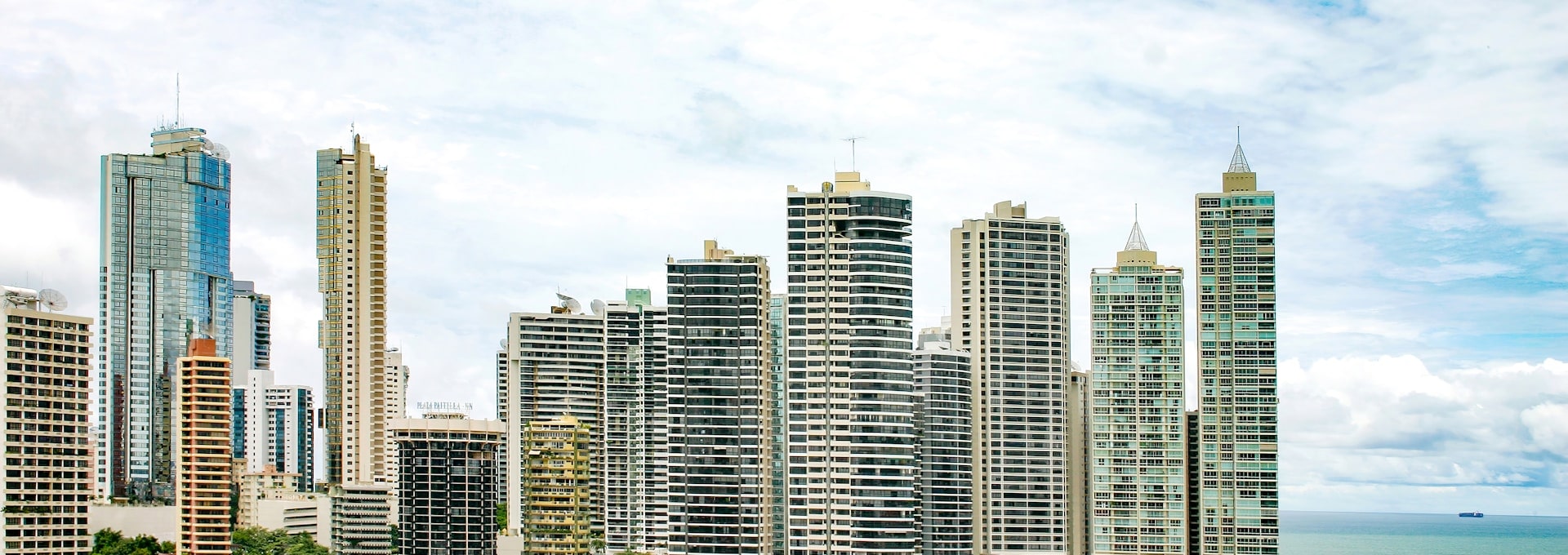
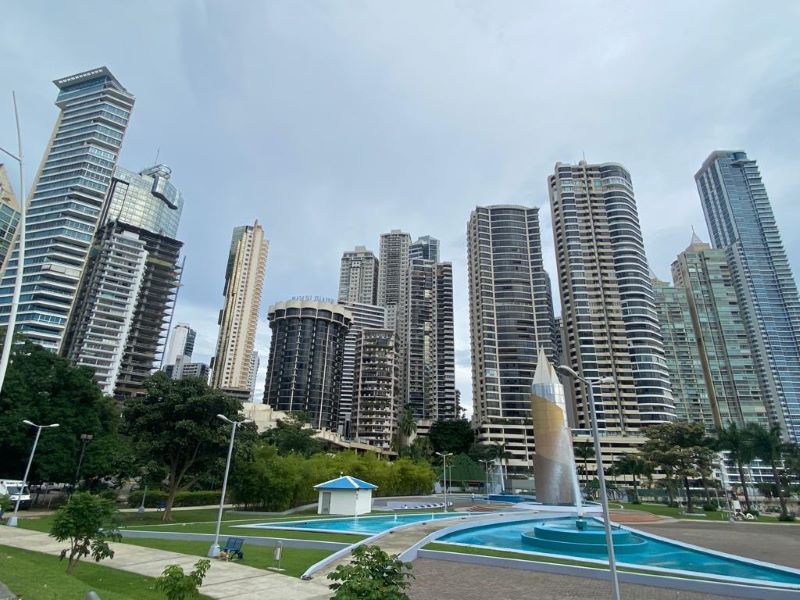
Expats are drawn to Panama because of the many lifestyles it offers. There’s the capital, Panama City, with its gleaming skyscrapers, romantic historic center, and apartment buildings with every comfort and amenity imaginable. But it hardly ends there. There are dozens of places to call home in Panama. You could live steps from the ocean, on an island, in the cool highlands, surrounded by cattle farms on the grassy plains, or near a jungle filled with hidden rivers and waterfalls.
Panama is one of the easiest countries for expats to relocate to – not only in terms of obtaining residency, but also when it comes to everyday life. For reasons I’ll show you in this article, Panama is perhaps the most convenient expat destination in the Americas.
Panama uses the US dollar, so there is no currency exchange or conversion risk for American expats.
The Pensionado Visa grants immediate permanent residency to anyone with a lifetime pension income of at least US$1,000 per month, plus legally mandated discounts on flights, hotels, restaurants, and healthcare.
A comfortable single-person lifestyle in Panama City costs roughly US$1,664 per month for basic expenses, and significantly less in smaller towns.
Panama only taxes locally earned income, so foreign-sourced income such as foreign pensions and remote work earnings are not subject to Panamanian tax.
Private healthcare in Panama is modern and affordable, with costs up to 70% lower than in the United States and internationally affiliated hospitals in Panama City.
Opening a local bank account requires legal residency or an active application, and US citizens face additional FATCA documentation requirements that can extend the process.
The Friendly Nations Visa and Qualified Investor Visa offer residency pathways for working expats and investors, while the Pensionado Visa is best suited to retirees.
Boquete, Coronado, and Panama City are the most established expat communities, each offering a different pace of life and cost structure.
Pros & Cons
You’ll love some aspects of life in Panama, while others will take some getting used to. Here’s a list of pros and cons to help you decide whether you’ll feel at home in Panama.
Pros
Panama is a foreigner-friendly country. There are very few restrictions for buying real estate, getting residency, opening a bank account, landing a job, investing, or starting a business. This shows up in expat surveys too: Panama topped InterNations’ 2025 Expat Insider ranking, with 94% of respondents saying they’re happy with life there and rating the country as welcoming and easy to settle into.
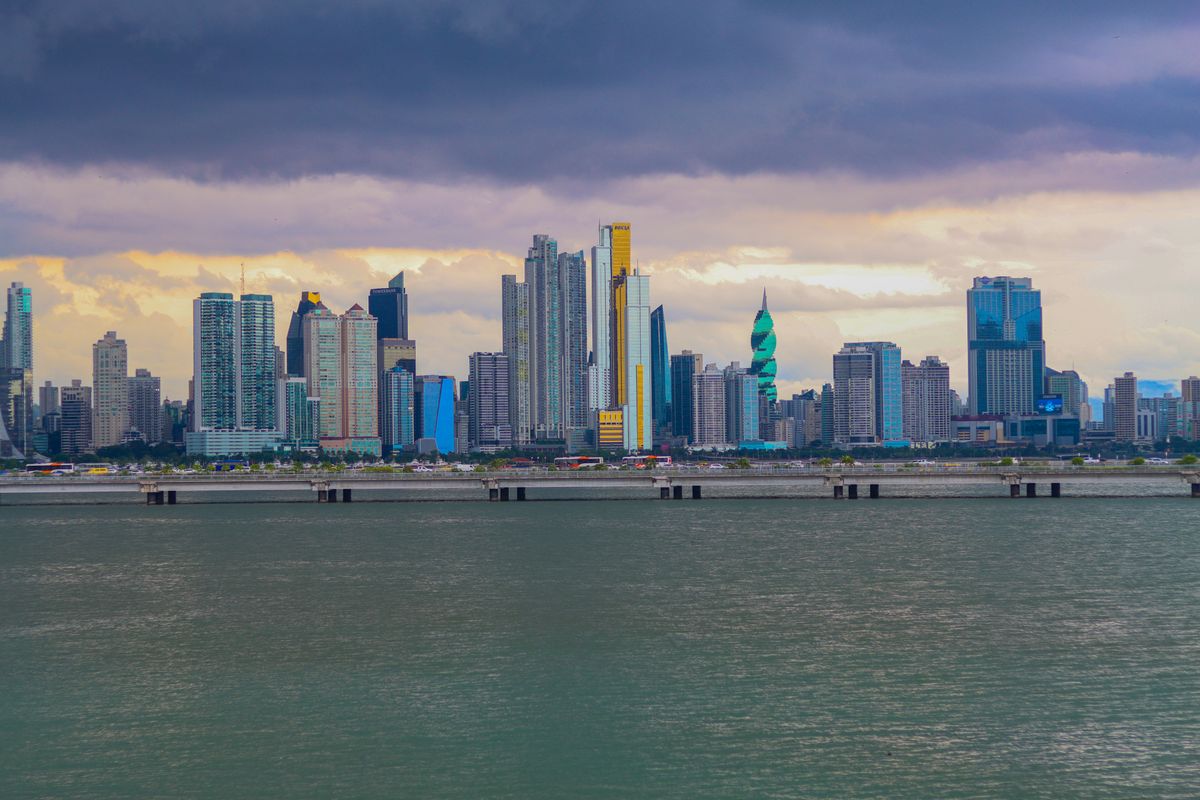
Panama City is home to the best infrastructure in Central America. The Metro system is clean and efficient, the internet and electricity are reliable, and the architecture is impressive with several iconic buildings like the J.W. Marriott hotel and the F&F Tower.
Panama has an excellent private health care system. It’s one of the best in Latin America, in fact. With two globally recognized hospitals and advanced medical treatments, Panama is starting to attract medical tourists from around the world. Plus, private medical care can be up to 70% less expensive than in the States.
The economic and political systems are stable. Panama’s use of the U.S. dollar as national currency has prevented severe inflation, recessions, and other economic crises. Since the 90s, the country has enjoyed a peaceful and democratic government. While protests do sometimes take place, these demonstrations rarely become violent.
You can enjoy a myriad of outdoor activities in Panama, such as hiking, rock climbing, camping, biking, birdwatching, snorkeling, diving, surfing, fishing, golf, and much more.
Buying a home is affordable in many of Panama’s small towns. I have seen beautiful 2- and 3-bedroom family homes in the countryside listed for US$250,000 or less.
Cons
One of the most frustrating realities of living in Panama is corruption. Whether it’s an immigration officer charging you extra to fix a mistake he made on your papers or the infamous “gringo tax” (aka higher prices for foreigners), you’ll probably witness corruption if you move to Panama.
The traffic in Panama City is nightmarish at rush hour, which is around 8-9 a.m. and 5-7 p.m. It can be very difficult to get a cab during these times. On holidays, major traffic jams form along the Pan-American Highway, doubling travel times.
Panama suffers from a garbage problem. Like New York City or Paris, you’ll find heaps of trash lying around Panama City and other areas of the country. Garbage collection is inconsistent – some neighborhoods (mainly upscale ones) are trash-free – while others are invaded by a sea of refuse.
The weather in Panama City and the lowlands can be overwhelming; it’s always hot and humid, and it rains eight months of the year.
The cost of living in Panama is higher than most Latin American countries. Panama City was recently named the third most-expensive city in the region. You can save money by living outside the capital, where the cost of living is up to 50% less expensive.
Cost of Living
How much income will you need to live comfortably in Panama? That depends where in the country you’ll be spending your time. For a full breakdown of expenses across different regions, see our guide to the cost of living in Panama.
If you’ve got your eye on the capital, you should budget at least US$1,664 a month for basic expenses. In a small town in the countryside, you could easily slash that number in half.
You can live comfortably for US$1,664 a month in Panama.
Here’s a breakdown of living expenses in Panama City for a single person. I’ve used the middle-class neighborhood El Cangrejo as my reference because it’s one of the top areas for expats.
(Note: this table only lists necessities. You’ll need to factor in additional expenses like health insurance, gym memberships, and entertainment. These costs are too variable to include here.)
Panama City: Middle-Class Neighborhood
Expense
Monthly Cost
Notes
Rent
US$1,000
2-bedroom furnished apartment.
Transportation
US$150
Gas, maintenance, and insurance for a car, plus the occasional cab or Metro ride.
Electricity
US$120
Using air conditioning at night and infrequently during the day.
Internet/Cable Package
US$54
Monthly Tigo plan with high-speed internet (500 Mbps) and 230 TV channels.
Water
US$10
Usually covered by the landlord.
Cell Phone Plan
US$30
Monthly unlimited data plan.
Groceries and Household Supplies
US$300
Shopping at supermarkets, farmer’s markets, and wholesale store PriceSmart.
Total
US$1,664
Expats who work for companies in Panama often earn US$2,000 or more a month. This salary affords a comfortable, middle-class lifestyle for a single person anywhere in the country. You can earn much more than that if you have a remote job with a company outside Panama.
Job Opportunities
Many sectors welcome foreign professionals, including international business and trade, tourism and hospitality, finance and banking, and nonprofits. Numerous multinational companies have their regional headquarters in Panama City and hire expats for roles in management, marketing, and technology.
You could also look for a job in science, sales, construction, embassies, logistics, teaching English, or real estate. Fluency in English and Spanish makes candidates more appealing to employers.
Certain careers can only be practiced by Panamanian citizens. These “reserved professions” include law, medicine, engineering, social work, architecture, and psychology.
Panama is a great destination for remote workers thanks to its stable and high-speed internet, reliable electricity, coworking spaces, and affordable hostels and Airbnbs.
Plenty of foreigners start businesses in Panama. I’ve met expats who own restaurants, bars, hotels, vacation rentals, tourism companies, and unique artsy shops. Opening a business here involves a lot of paperwork, but with the help of a lawyer it’s a straightforward process.
You should learn at least basic Spanish before moving to Panama. Only 14% of the population speaks fluent English and many Panamanians don’t speak it at all.
Spanish is one of the easiest languages for English-speakers to learn. With regular practice and immersion, you could be speaking proficient Spanish in about six months.
There are several language schools in Panama that can help you on your Spanish-learning journey. Casco Antiguo Spanish School and EPA! Español en Panamá help students learn Spanish quickly through weekly classes, cultural immersion, and fun activities.
Another option is to hire a private Spanish tutor from Live Lingual to give you one-on-one classes.
Health Care in Panama
The Panamanian health care system is divided into two branches: public and private. Both operate hospitals and clinics throughout the country.
The public health care system is cheap: a consultation usually costs US$5 or less. However, these government-run facilities are usually overcrowded, with long lines and wait times. Some expats choose to use the public system and pay out of pocket, especially if they’re in good health.
Employees of Panamanian companies receive public health insurance through the tax-funded Social Security program.
Panama’s private health care system is one of the best in Latin America. Its hospitals and clinics are modern and technologically advanced, offering the latest treatments and procedures. Panama City is home to Hospital Punta Pacífica, which is affiliated with Johns-Hopkins University and is one of the top hospitals in the region. For a full list of private facilities, see our guide to hospitals in Panama.
Expats usually use the private health care system because of its higher-quality care and shorter (or zero) wait times.
Several local and international health insurance companies offer plans that are accepted at private clinics and hospitals in Panama. Many expats opt for local plans due to their lower monthly premiums, which often range from US$50 to US$100. You can find a list of pharmacies across the country in our guide to pharmacies in Panama.
Panamanian cuisine is a blend of Spanish, Indigenous, and Afro-Caribbean flavors. Staples of the Panamanian diet include rice, legumes (especially lentils, beans, and pigeon peas), plantain, and meats (chicken, pork, and beef).
Panama City boasts a booming international food scene, where restaurants showcase a variety of cuisines from across the world.
At the coasts you’ll be treated to delicious seafood dishes, such as a whole fried snapper with patacones (smashed, fried green plantains), guacho de mariscos (a hearty seafood stew from the Caribbean), and coconut rice with shrimp.
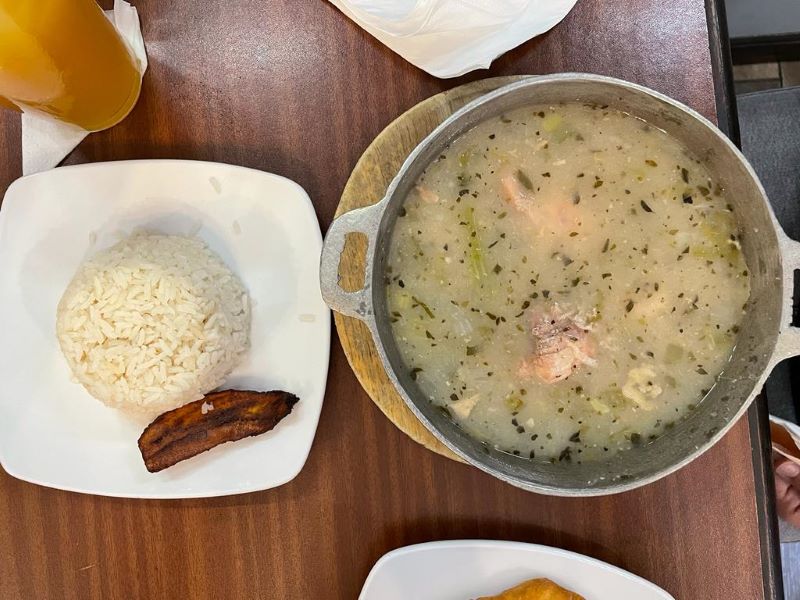
Don’t forget to try this Sancocho in Panama.
Panama offers dining options for every budget. At a fonda (a casual, cafeteria-style restaurant that serves traditional Panamanian dishes), you could eat a huge meal for US$5 or less. Fast-food chains like McDonald’s, Burger King, Wendy’s, and the Panamanian Pio Pio are also on the cheaper end of the spectrum.
For a mid-range dining experience, expect to spend around US$20 to US$30 per person. There are also five-star restaurants where you could spend several times that amount on a world-class meal.
The De Gusta website is a helpful tool for finding restaurants and discounts in Panama. You can even download their app to your phone.
Crime and Safety
Panama is one of the safest countries in Latin America.
Crime is usually contained in specific neighborhoods. If you stay away from those areas and avoid risky activities, you’re unlikely to experience violent crime in Panama. Pickpocketing is a bigger issue, so you’d do well to keep your valuables hidden and carry your phone and wallet in a backpack rather than your pocket where they’re easier to snatch.
Like any major city, Panama City has its bad areas – known as red zones. These include El Chorrillo, Calidonia, San Miguelito, Rio Abajo, parts of Casco Viejo (especially the outskirts), Curundú, Juan Díaz, Boca la Caja, and Tocumen.
The safest neighborhoods in Panama City are Punta Pacífica, Paitilla, San Francisco, Obarrio, El Cangrejo, Marbella, Costa del Este, Albrook, and Clayton. They’re also the areas with the most expats.
Avoid the Caribbean port city of Colón, except for the Free Zone and the cruise terminals. Outside those tourist areas, however, the city is dangerous for foreigners.
Never try to cross the border between Panama and Colombia by land. This region is known as the Darién Gap and its thick jungle hides paramilitary groups and drug traffickers.
There’s a legal reason too. Executive Decree 194 of October 2024 fines anyone who enters Panama in violation of immigration controls between US$1,000 and US$5,000, depending on the severity. You cannot leave the country until the fine is paid, and inability to pay can lead to deportation. Always enter through an official port of entry and get your passport stamped.
Panama is home to many lovely small towns where crime is extremely rare.
As a 25-year-old woman, I feel safe walking and travelling solo in Panama. I’ve been all around the country alone, and I’ve never had any issues. Quite the opposite, in fact… people have always lent me a helping hand when I’ve needed it.
Depending on your nationality, you may or may not need a tourist visa to enter Panama. Citizens of the United States, Canada, the U.K., Australia, New Zealand, and most of Europe, East Asia, and Latin America can spend up to three months in Panama with only their passport. Find out if you need a tourist visa here.
Bring proof that you can support yourself during your stay. The U.S. State Department notes that tourists should have at least US$500 in cash or its equivalent, plus a return or onward ticket. Since October 2023, Panama’s Servicio Nacional de Migración has given border officers discretion to ask certain travelers for proof of at least US$1,000 per person, so carry more than the minimum if you can.
The most common permanent residency visas for expats are:
Friendly Nations Visa
Expats from countries on this list can apply for residency under the Friendly Nations program one of two ways: 1) with an employment contract from a Panamanian company or 2) investing at least US$200,000 in the country through real estate (such as a home) or a Certificate of Deposit (CD) account.
The Friendly Nations Visa gives you temporary residency for two years. After that period, you can upgrade to permanent residency by demonstrating that you still fulfill the requirements.
Qualified Investor Visa
Sometimes called the Golden Visa, this permit gives you immediate permanent residency if you buy a property worth US$300,000 or more. There are other ways to qualify, including a US$500,000 investment in the Panamanian stock market, but purchasing property is the easiest, most affordable, and most practical option.
The US$300,000 real-estate threshold is temporary. Under Executive Decree 193 of October 15, 2024, it holds only through October 15, 2026, after which the minimum property investment rises to US$500,000. If this route appeals to you, factor that deadline into your timing.
Pensionado Visa
Also known as the Retiree Visa, this permit is for anyone over 18 years old who has a lifetime monthly income of at least US$1,000 from a pension, retirement fund, or Social Security. To qualify, you’ll need to prove that your pension income is guaranteed for life.
The Pensionado Visa offers immediate permanent residency and a long list of discounts and benefits, like 25% off domestic and international flights, 15% off hospital and clinic fees, and 50% off hotel rooms from Monday to Thursday. Because this visa was created for pensioners, it does not allow you to work or hold a work permit.
The Panamanian government requires residency applicants to hire a lawyer to help them through the process. Your attorney can also help you decide which visa pathway is right for you.
Once you hold residency, the Servicio Nacional de Migración requires you to report any change of address or personal data to the Foreign Registry within 30 calendar days. A grace period that let residents update old records penalty-free ended on December 31, 2025, and the rule is now enforced. Penalties escalate from a fine for a first offense to cancellation of residency and, ultimately, deportation for repeat failures, so tell your lawyer whenever you move.
With a vibrant capital city, mountains, beaches, and traditional small towns, Panama has a destination to match every preference…
Panama City
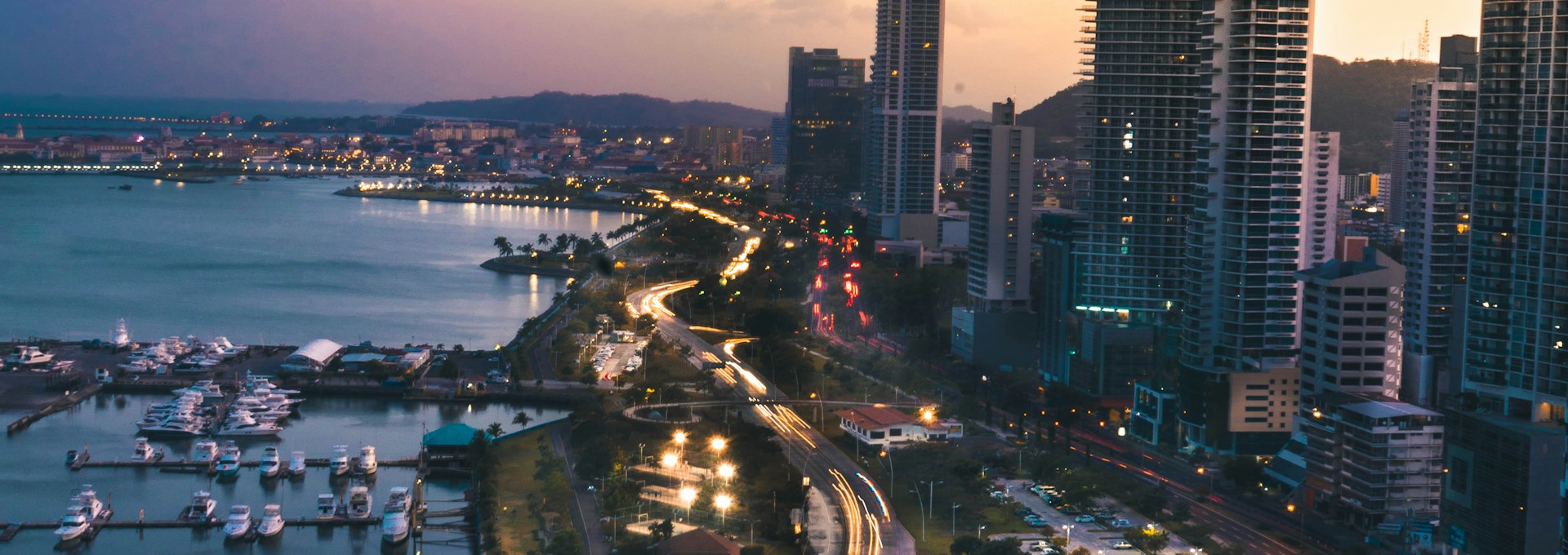
The capital has everything you could ever want. Parks, bayfront walkways, a causeway, restaurants, shopping malls, nightlife venues, theaters, cinemas, an enchanting historic center – Panama City has all that and more.
Here are three of the best Panama City neighborhoods for expats:
Costa del Este: situated 15 minutes outside the city center, this neighborhood has a suburban feel. Costa del Este is quiet, peaceful, and residential, with a mix of high-rises and stucco homes. It’s a complete community, with supermarkets, a shopping mall, restaurants, cafés, parks, and a boardwalk. The neighborhood is clean, safe, and well-planned, with wide streets, smooth sidewalks, and underground power cables.
Áreas Revertidas: the former Canal Zone is a great choice for expats who want to live a quiet, suburban lifestyle close to Panama City. The Albrook and Clayton neighborhoods feature spacious homes with large yards that are perfect for families. Several upscale gated communities offer additional security. Clayton is home to the international business park Ciudad del Saber, one of the biggest employers of expats in Panama City.
San Francisco: this middle- to upper-class neighborhood is home to Parque Omar, the largest park in Panama City. San Francisco is a trendy area, with dozens of unique restaurants, cafés, bars, and shops. There’s a variety of real estate options for every budget, including homes, low-rise apartments, and luxury high-rise towers. San Francisco is one of the most family-friendly neighborhoods in the city.
Pedasí
This laid-back coastal town lies at the southeastern tip of the Azuero Peninsula and is home to some of the most breathtaking beaches in Panama.
Here you’ll find both dark- and white-sand beaches, some perfect for surfing and others ideal for swimming and snorkeling.
Just offshore is Isla Iguana with its white sand and clear turquoise waters. Pedasí offers some of the most affordable beachfront properties in the country. Imagine owning a two-bedroom home steps from the beach for just US$180,000!
Tierras Altas
Meaning “the highlands,” Tierras Altas is a mountain district in Chiriquí Province. It’s home to the town of Volcán and several smaller villages nestled in the skirts of the Barú volcano.
Tierras Altas is magical – it’s a land of rainbows, coffee farms, and a refreshingly cool climate. Its mountains, pine forests, rivers, and lagoons make Tierras Altas the perfect destination for people who love the outdoors.
David
David is the third-largest city in Panama and the capital of Chiriquí Province. It serves as the commercial and economic hub for western Panama. David is a low-altitude city located 30 minutes from the Pacific Ocean and an hour from the mountains of Tierras Altas and Boquete.
You’ll find Enrique Malek International Airport and a major bus terminal in David. The city features lots of middle-class neighborhoods where expats usually live. The chiricano capital has restaurants, banks, a shopping mall, and an excellent private hospital. It offers a comfortable urban lifestyle that’s more affordable than Panama City.
Other Areas
Here are a few more places you could call home in Panama…
Coronado: an upscale beach community on the Pacific Coast, complete with a professional golf course.
El Valle de Antón: an enchanting little town that rests in the crater of an extinct volcano. El Valle boasts mountain hiking trails, waterfalls, and a must-visit artisanal market.
Santa Fé: a tiny town of 3,000 residents that’s perched in the mountains of Veraguas Province and surrounded by nature.
Las Tablas: a small town in Los Santos Province where important cultural festivals are celebrated throughout the year. Las Tablas has a beautifully preserved town center with Spanish-colonial architecture.
Boquete: Panama’s biggest expat destination, Boquete is in the Chiriquí highlands. This picturesque town is famous for its coffee production, plentiful wildflowers, and fantastic weather.
Bocas del Toro: this string of Caribbean islands is home to white-sand beaches, clear waters, stunning flora and fauna, and excellent restaurants and nightlife. Most expats live on Isla Colón, the main island, where the bustling Bocas Town is found.
Airports
Panama’s main international airport is Tocumen (PTY) in Panama City.
Often called the Hub of the Americas, it offers direct flights to cities in North, Central, and South America; the Caribbean; and Europe. A few of the airlines that fly into Tocumen are Air Canada, Air France, American Airlines, Avianca, Delta Air Lines, United Airlines, KLM, and Copa – Panama’s national carrier.
Enrique Malek International Airport (DAV) in David operates flights to and from Panama City.
There are several smaller airports with flights to different areas within the country, such as:
Marcos A. Gelabert Airport (PAC) in Albrook, Panama City.
Panama Pacífico International Airport (BLB) in Panama Pacífico, an international community just across the Bridge of the Americas.
Bocas del Toro International Airport (BOC) on the Bocas del Toro archipelago, a string of Caribbean islands.
Scarlett Martínez International Airport (RIH) in the Pacific beach community Río Hato. This airport also offers direct flights to and from the Canadian cities of Quebec, Toronto, and Montreal.
Flights to Panama are more expensive during peak tourist season. This coincides with the dry season, which runs from January to April. You can also expect flight prices to be higher during the holidays, especially Christmas, New Year, Carnival, and Independence Day celebrations in November.
Here are some one-way flight prices for January 2024…
Miami (MIA) – Panama City: US$247
Paris (CDG) – Panama City: US$587
Istanbul (IST) – Panama City: US$820
Manila (MNL) – Panama City: US$902
Punta Cana (PUJ) – Panama City: US$445
Mexico City (MEX) – Panama City: US$364
Shipping to Panama
Several companies are available to help you ship your belongings to Panama. The two most common container sizes are 20 ft. (with 1,000 cubic feet of storage space – sufficient for a small home) and 40 ft. (offering 2,200 cubic feet of storage space – plenty for a larger home with four or more bedrooms).
The cost of shipping a container to Panama depends on several factors: where you’re shipping from, what part of Panama you’re shipping to, and the size of the items being shipped.
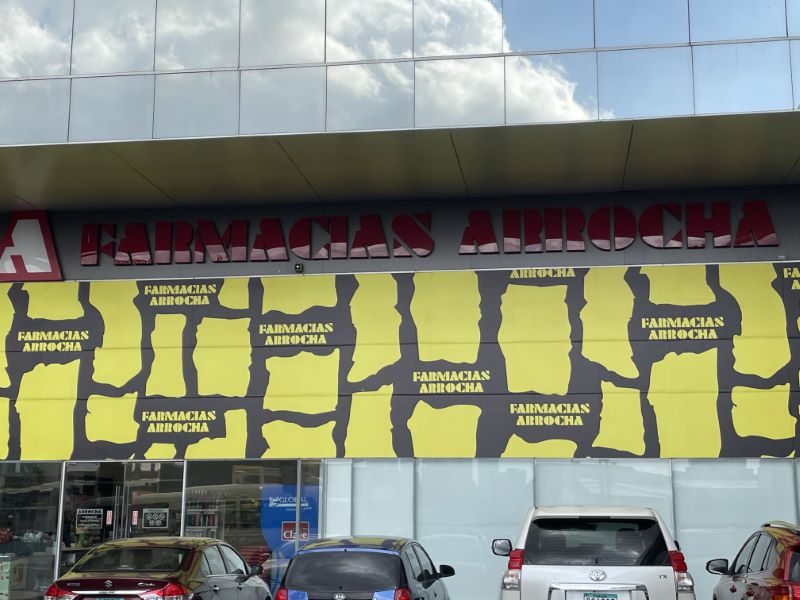
You can buy tons of beauty & hygiene products, home goods, arts & crafts supplies, books, and more from this Arrocha store.
Another option is to pack as much as you can in your suitcases to take with you on the plane.
If some things don’t fit, you can send a pallet of five to ten boxes using a mail forwarding company. You’ll pay about US$10 per cubic foot for this service.
Panama has many home goods stores ranging from consignment to mid-range to luxury.
You can buy all new home furnishings here for a fraction of the price charged by shipping companies.
Moving your four-legged friend to Panama is very doable. You just need to have the right paperwork. Follow the steps below to import your dog or cat.
At least two weeks before your trip, fill out the Home Quarantine Application Form and send it to Panama’s Ministry of Health. This option lets you quarantine your pet for 40 days at home, rather than in the airport. The fee is US$130 per animal and should be paid in cash.
You will need to present the following documents when you arrive at the airport in Panama City. They must be signed by your veterinarian, the animal health authority of your home country (this is the U.S. Department of Agriculture in the United States), and apostilled by the closest Panamanian consulate…
Vaccination certificate showing that your pet is up to date on his/her rabies, distemper, parvovirus, leptospirosis, and hepatitis vaccines.
Certificate of good health.
Certificate of origin, showing where your pet was born.
Your vet will provide these forms. Once you have the health certificate in hand, you have 10 days to get all your documents authenticated and arrive in Panama.
Before your flight, fill out the import form and keep it with you. Once you arrive in Panama, an airport veterinarian will examine your pet for a US$16 fee. If the vet gives you the green light, congrats. Your furry friend is now a resident of Panama and you both can leave the airport.
The airport vets work on weekdays from 7 a.m. to 11 p.m. If you arrive outside this window, you can arrange for a vet to meet you at the airport by contacting the Panama Ministry of Health or the Ministry of Agriculture; however, you’ll be charged an extra fee.
The requirements for bringing a pet into Panama differ by country. Be sure to check the website of the Panamanian embassy in your home country for detailed information.
Housing
Panama City offers the greatest variety of living options. In the capital you could rent or buy a home, studio, an apartment with one or multiple bedrooms, a penthouse, or a townhouse.
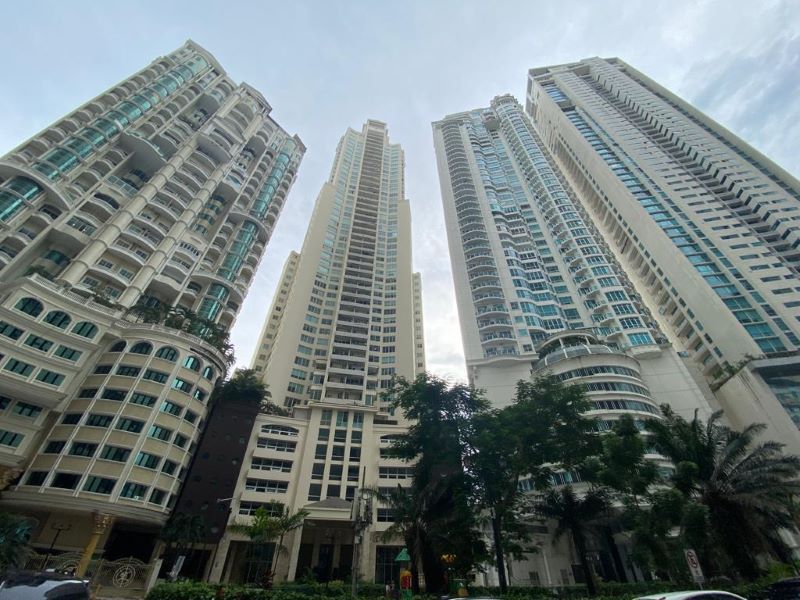
Most new residential buildings have social areas, workout rooms, playgrounds, swimming pools, and concierge services. You can rent a two-bedroom apartment in a modern building with those amenities starting at around US$1,500 a month. For more details on the rental market, see our guide to renting an apartment in Panama City.
There are many apartments available in Panama.
Most real estate options in small towns are homes. In many areas of rural Panama, you can buy a family home as a foreigner for US$150,000 to US$250,000.
Several planned communities are in the works around the country and offer very reasonable pre-construction deals. Construction costs are low enough in many parts of Panama that you can build your own dream home.
Here are a couple of local real estate websites to get you started on your property search:
Utilities in Panama include electricity, internet, water, and management fees. If you rent, your landlord will cover the management fee and usually the water bill.
You can pay your bills online with a card or via direct transfer from your local bank account.
Electricity and internet services are stable in Panama. I live in Panama City and the power in my apartment goes out two or three times a year. This usually happens during thunderstorms and the light comes back on in less than a minute. Power outages happen more often in the interior, but they’re limited to a few times a year and are usually resolved within minutes.
There are two electrical companies in Panama, ENSA and Naturgy.
Internet speed depends on what part of the country you live in. Fiber-optic internet is the fastest, with speeds of 100-600 MB or faster. Not everywhere in Panama has fiber-optic internet and the farther you are from a city or a large town, the slower your internet will be.
How can you know if the area you want to live in has fiber-optic internet? Ask around… locals, real estate agents, and property managers will know.
The main internet service providers in Panama are Tigo and Cable & Wireless.
Drinking Water
Tap water is clean and safe to drink in most areas of the country. The only areas where you shouldn’t drink from the faucet are the islands. If you want to be extra cautious you can buy a filter that slips over the tap or a Brita water filter.
Cell Phone
The main service providers in Panama are Digicel, Tigo, Claro, and Más Móvil. You can buy a SIM card for US$1.50 at one of the company’s stores, or from a supermarket or convenience store. You’ll be overcharged if you buy one at the airport. SIM cards come with a local phone number. For a detailed comparison of plans and providers, see our guide to SIM cards in Panama.
You can decide between a recurring monthly data plan (postpago) or recharge on your own (prepago). If you choose the first option, you’ll need to visit a branch to set up the plan. Monthly plans cost around US$30, and your bank account will be charged once a month.
If you’d rather buy data when you need it, there are two ways to do so. The most convenient method is to download the company’s app and link it to your bank account. The alternative is to buy data cards at supermarkets or convenience stores.
I have a Digicel SIM card that I recharge with the app. I pay US$5 for a week of unlimited data, US$9 for two weeks, and US$20 for 30 days.
Be sure to install WhatsApp before you arrive in Panama. It is the number-one communication app here and everyone uses it to text, call, and do business.
You need to have a local bank account to live in Panama – it’s required to apply for residency. Opening a Panamanian bank account also makes paying utilities and other services quicker and more convenient. Rent, electricity, internet, cable, and water bills can all be paid with an instant transfer from a local bank account.
Both residents and non-residents can open a bank account in Panama, but most local banks prefer to do business with clients who have legal residency (or have started the application process). US citizens face additional FATCA documentation requirements, and the approval process can take anywhere from two weeks to two months depending on the bank’s compliance review.
There are over 50 banks in Panama. Two are controlled by the government – Banco Nacional and Caja de Ahorros – and the others are private. The private sector is divided into domestic and international banks.
Here is a list of the banks that expats most commonly use:
Banks usually only issue credit cards to citizens and legal residents of Panama. The exact requirements vary by institution, but most banks want to see that your monthly income is at least 125% of the card’s monthly maximum credit limit.
You’ll need to submit proof of income along with your credit card application.
Some banks have more flexible requirements than others; for example, BAC and Scotiabank are known for issuing credit cards to expats without much hassle.
Sending Money
Transferring money between Panamanian accounts is a breeze. If the transfer is between two accounts from the same bank, the money is delivered instantly. If you send money from one Panamanian bank to another, the funds will be received in about 24 hours.
You can send and receive money internationally through wire transfer, Western Union, or with an online banking service like Wise.
Schools for Your Kids
If you have school-age children, you have three options for educating them in Panama: public schools, private schools, and homeschooling.
For most expats, sending their children to a public school in Panama isn’t realistic. Their kids would need to be perfectly fluent in Spanish to attend.
Also, public schools often lack funding and resources, which leads to lower academic standards.
Some private schools charge tuition annually, with fees ranging from US$1,000 to US$16,000. Others have a monthly tuition system, costing between US$100 and US$1,500 per month. There may also be a one-time registration fee, typically falling between US$400 and US$2,000.
Private schools, while more expensive, are worth the investment due to the rigorous education they offer.
Homeschool or online school is another option if you have the time and energy to educate your children at home.
Making Friends and Exploring
The best way to connect with other expats in Panama is by joining a Facebook group. My favorite groups are Young Expats in Panama and Expats in Panama. Both have tens of thousands of followers and are spaces where members can ask questions, advertise, and plan activities. Some smaller towns also have their own expat Facebook groups, such as Expats in Boquete.
Volunteering is a great way to make new friends, learn Spanish, and give back to the community.
You can find volunteer opportunities on the website Ponte en Algo. There are hundreds of volunteer organizations in Panama. Whether you want to work with animals, children, or the environment, you’ll find what you’re looking for.
Joining trips with local tour companies is an excellent way to support the tourism industry, make new friends, and visit Panama’s off-the-beaten-path destinations.
Look for tour agencies that cater to Panamanians more than to tourists, and you’ll find lower prices. Many day trips that include transportation and meals cost US$45 or less.
Taxation
Panama only taxes locally earned income, meaning you will only owe tax on profits from Panamanian sources. For a fuller picture, see our guide to taxes for expats in Panama.
Income tax in Panama is charged on a sliding scale from 0% to 25%. The initial US$11,000 of yearly income is tax-exempt. A 15% tax rate applies to income between US$11,001 and US$50,000, while any amount exceeding US$50,000 is subject to a 25% tax.
This does not mean your entire income will face a 25% tax rate if it exceeds US$50,000 a year. Instead, each tax percentage is applied only to the corresponding income bracket.
Panamanian law requires employees to contribute two additional taxes deducted from their monthly paychecks. The Social Security tax – usually 9.75% of an individual’s monthly salary – supports the public healthcare system, pensions, and disability coverage. Additionally, a 2% education and culture tax funds educational and cultural programs in Panama. For more information on how the Social Security system works, see our guide to social security in Panama.
Getting Around
You can drive for up to three months in Panama with a foreign driver’s license. After that, you’ll need to apply for a Panamanian license by presenting your original driver’s license, certificate of blood type, and the proper paperwork at the organization Sertracen.
You’ll be given vision and hearing tests, but no written or behind-the-wheel exams are required.
Car rental companies in Panama include Hertz, Dollar, Alamo, and Budget Rent-A-Car.
If you live in Panama City, buying a car is optional. The city has an excellent Metro system that’s often quicker and more convenient than driving because it skips the rush-hour traffic jams. However, a car is a necessity for life in the interior.
You’ll want a sturdy SUV with four-wheel drive because many small-town roads have potholes and other obstacles.
Timeline
My move-to-Panama process took eight months. This was my timeline:
October 2020: I began applying to jobs in Panama City. I also started saving a bigger portion of each paycheck to pay for the move.
December 2020: I started interviewing for a position at a publishing company in Panama City.
January 2021: I received a job offer from said company and booked a one-way flight to Panama City for May 27th.
April 2021: I ended the lease on my apartment and moved all my belongings into storage in my parents’ home. I contacted an immigration lawyer, and she explained the paperwork I needed to bring with me. I spent the rest of the month collecting the necessary documents, like my police record.
May 2021: I found a three-bedroom apartment in a central area of Panama City through a friend, signed the lease agreement, and found two more roommates. I packed all my necessities into three suitcases and flew to Panama. Once here, I began the residency application process and opened a bank account with my lawyer’s help.
September 2021: I received my Panamanian ID and became a legal resident of the country.
The amount of time needed to organize an international move is different for everyone. I was lucky to have several friends in Panama who helped me every step of the way, which sped up my moving process. I recommend you do the same: Try to make connections before moving here. Expat Facebook groups are a great tool for meeting folks who can lend you a hand.
Now, on to You
With that information in mind, you’re ready to start your new life in Panama. As they say in Spanish, “¡Que tu aventura sea inolvidable!” – may your adventure be unforgettable!
Living Your Life in Panama
Find common topics that will help you overcome the challenges of living, working, retiring, and starting businesses in Panama.
Panama is more affordable than the United States or Western Europe, and your monthly budget can range from US$1,050 in a quiet island town to US$2,500 in Panama City, depending entirely on your lifestyle. Here is a destination-by-destination breakdown.
Panama has one of the cleanest territorial tax systems in the world: if you earn your money outside Panama, Panama does not tax it. That principle has made the country a reliable choice for digital nomads, remote workers, and retirees restructuring their tax situation. But the details matter, and the marketing often blurs them. This guide explains exactly how the system works, where the lines are drawn, what triggers a Panamanian filing requirement, and what US citizens specifically still owe the IRS no matter how far south they move.
Home insurance in Panama comes in two pieces. A fire policy covers the walls and roof, and a contents policy covers your things. Here’s what each pays for, what a condo’s building policy leaves to you, and how quake and flood cover work.
Panama pharmacies are well-stocked, affordable, and more lenient on prescriptions than most Western countries, making it straightforward to get the medications you need as an expat.
Health insurance in Panama is optional, but most expats who use private facilities quickly discover that going without coverage is a risk not worth taking. This guide covers local plans, international options, and the specific providers expats trust most.
Panama’s crime index of 42.7 ranks it among the safer countries in Central America. Petty theft is the realistic risk in most expat areas; violent crime is concentrated in specific neighborhoods most residents never visit.
Condo fees in Panama run about US$1.25 to US$2.50 per square meter a month. Here is what the fee covers, why buildings charge so differently, and what to check before you buy.
The Panama Friendly Nations Visa is one of the most accessible routes to permanent residency in Latin America, but the rules changed significantly in 2021. Here is what the current program actually requires.
A two-bedroom in Panama City rents for US$1,200 to US$1,800 a month in mid-range areas and up to US$2,500 in Punta Pacifica and Costa del Este. Here’s how deposits, contracts and utilities work.
Opening a bank account in Panama requires more paperwork than most countries, but it’s a necessary step for expats who want to pay bills, receive wages, or meet visa requirements. This guide covers requirements, the best banks for expats, fees, and what to expect.
Panama gives foreigners the same constitutional property rights as citizens, no residency required. But buying here has specific traps: ROP land, a constitutional border zone, and an agency system built against buyers. This guide covers all of it.
Overstaying in Panama costs US$50 for every month or part of a month you’re over, and a serious overstay can carry a two-to-five year re-entry ban. Here’s what the law actually says, what Migración charges, and how to fix it.





 Accommodations
 Finance
 Health
 Moving