
This article will take approximately 13 minutes to read. Don't have the time right now? No worries. Email the ad-free version of the article to yourself and read it later!
Panama is statistically one of the safer countries in Central America, with a Numbeo crime index of 42.7 (lower than Costa Rica). Petty theft is the realistic risk for most expats; violent crime is concentrated in specific neighborhoods most residents never visit. The roads are a bigger day-to-day hazard than the crime rate.
The question people considering Panama usually arrive with is loaded with preconceived anxiety: “Central America” and “safety” sit together uncomfortably in many people’s mental geography. Panama is not Guatemala City or San Pedro Sula. It is also not Singapore. For the vast majority of expats who live in the safe neighborhoods with normal urban precautions, it is a livable, comfortable place where crime registers far lower on the daily worry list than it did in the research phase.
The safety picture is deeply local. Two blocks in Panama City can feel categorically different. The neighborhoods that come up in expat recommendations and the neighborhoods to avoid are separated by real, meaningful distance in crime statistics. Knowing which is which is the useful information.
Disclaimer: This article may include links to products or services offered by ExpatDen's partners, which give us commissions when you click on them. Although this may influence how they appear in the text, we only recommend solutions that we would use in your situation. Read more in our Advertising Disclosure.
Key Takeaways
- Panama ranks as one of the safest countries in Central America, with a Numbeo crime index of 42.7, lower than Costa Rica.
- The realistic day-to-day risk for expats is petty theft and pickpocketing in tourist-heavy or crowded areas, not violent crime.
- Established expat neighborhoods (Punta Pacifica, San Francisco, Obarrio, Costa del Este, Clayton) are modern, secure, and comparable to safe urban neighborhoods in North America or Europe.
- Colón Province has Panama’s highest concentration of violent crime. Most expats have no reason to spend time there.
- Road safety is a larger statistical risk than crime for most residents. Traffic fatalities are higher than homicides in the expat communities.
- Use Uber or DiDi instead of street-hailed taxis, keep ATM use to mall or bank branch machines, and avoid flashing valuables. This covers most of what sensible urban precaution looks like in Panama.
How Safe Is Panama?
Panama compares favorably to its Central American neighbors by any standard crime metric. According to Numbeo’s 2026 crime index, Panama City scores 42.7, a moderate rating that places it below Costa Rica’s capital San José and significantly below Guatemalan and Honduran cities. Panama recorded 581 homicides in 2024, a homicide rate of approximately 13 per 100,000 inhabitants.
As of its August 19, 2026 update, the US State Department rates Panama at Level 2 (Exercise Increased Caution) due to crime, the same level as many popular expat destinations in Europe and Southeast Asia.
For context, a crime index of 42.7 is roughly comparable to some mid-sized US cities and significantly better than many Latin American capitals. It is not the safety profile of Zurich or Tokyo, but expats who live in the established neighborhoods consistently describe day-to-day life as feeling safe, with crime registering as an occasional awareness rather than a constant concern.
The Real Risks for Expats
While crime against expats are rare in Panama, there are some safety concerns here.
Petty Theft and Pickpocketing
This is the most common crime experience among expats in Panama: phones, wallets, and bags snatched in busy bus terminals, markets, and tourist areas; items left visible in parked cars that disappear. It is not unusual, but it is also highly preventable. Keep your phone in your pocket rather than in your hand in crowded public spaces. Don’t carry more cash than you need for the day. Keep bags closed and in front of you on public transport.
Residential Break-ins
Break-ins increase around holiday periods, particularly Christmas and the new year. High-rise apartments with doormen and security systems are effectively immune; the target is typically standalone houses or unsecured lower-floor apartments. If you are renting a house rather than an apartment in a secure building, invest in a basic alarm system.
Most expat-oriented rentals in the established neighborhoods include building security as a baseline feature.
Taxi Overcharging and Scams
Panama City’s yellow taxis do not use meters. Fares are negotiated at the point of departure, which creates a structural overcharging opportunity for drivers dealing with tourists and new residents who do not know standard rates. Hotel taxis are worse, often charging two to three times the going rate.
The practical solution is to use Uber or DiDi, which offer transparent pricing, driver identification, and route tracking. This is the best transport decision you can make in Panama City for safety and cost combined.
Road Safety
Traffic fatalities are statistically a bigger risk than violent crime for most expats living in Panama’s established communities.
- Motorcycles are involved in a disproportionate share of serious accidents
- Pedestrian crossings are often ignored by drivers
- Unmarked speed bumps on residential streets catch drivers off guard.
Because of this, drive defensively, walk defensively, and treat green lights as a prompt to check for oncoming traffic rather than a guarantee of safe passage.
Read more: Driving in Panama: Rules, Roads, and What Expats Need to Know
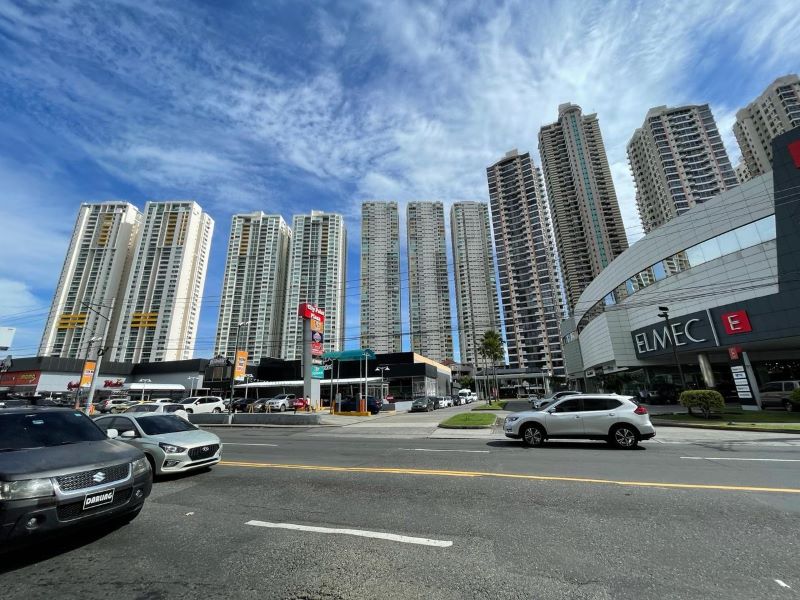
Safest Neighborhoods in Panama City
These are the neighborhoods that consistently appear in expat recommendations for safety, amenities, and quality of life:
Punta Pacifica and Punta Paitilla: Modern oceanfront high-rises, strong private security, and proximity to Hospital Punta Pacifica (Panama’s only JCI-accredited hospital). The most secure residential option in the city, and among the most expensive.
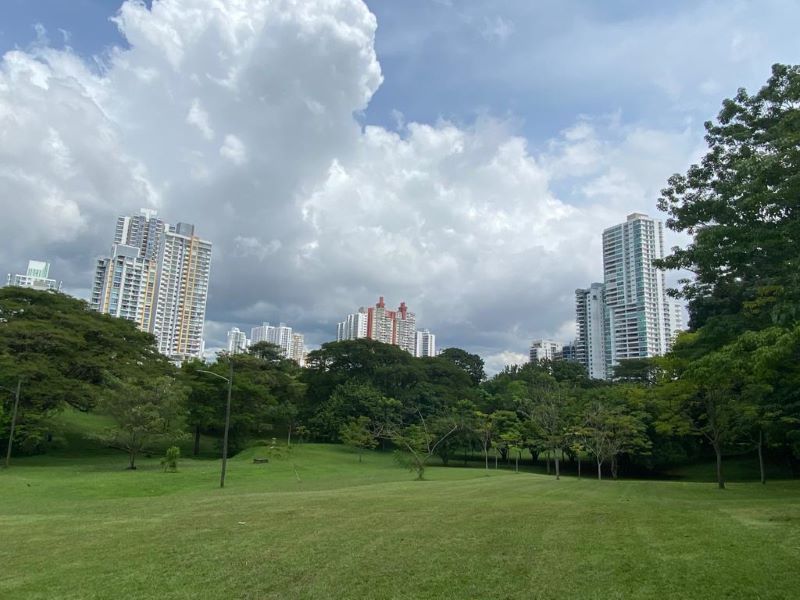
Costa del Este: A planned urban community about 20 minutes from the old city center, with wide streets, international schools, corporate offices, and a higher-income demographic. It feels closer to a Miami suburb than a Latin American capital. Popular with multinational company expats and Panamanian professionals.
San Francisco: One of the most popular neighborhoods for expats seeking the balance between price, security, and amenities. Good restaurant and café scene, walkable for daily errands, modern apartment buildings with doormen. Strong security without the premium price tag of Punta Pacifica.
Obarrio: Walkable, central, restaurant-heavy, with a mix of apartment buildings and commercial streets. Home to several embassies. Generally safe for evening activity. Popular with younger expats and remote workers.

El Cangrejo: A lively, walkable neighborhood with cafés, restaurants, and local businesses. Less upscale than San Francisco but similarly safe. Good value compared to the waterfront neighborhoods.
Clayton: Built on former US military property from the Panama Canal Zone, Clayton has wide streets, green space, and a planned-community feel. Home to King’s College international school and several foreign government facilities. Very quiet by Panama City standards.
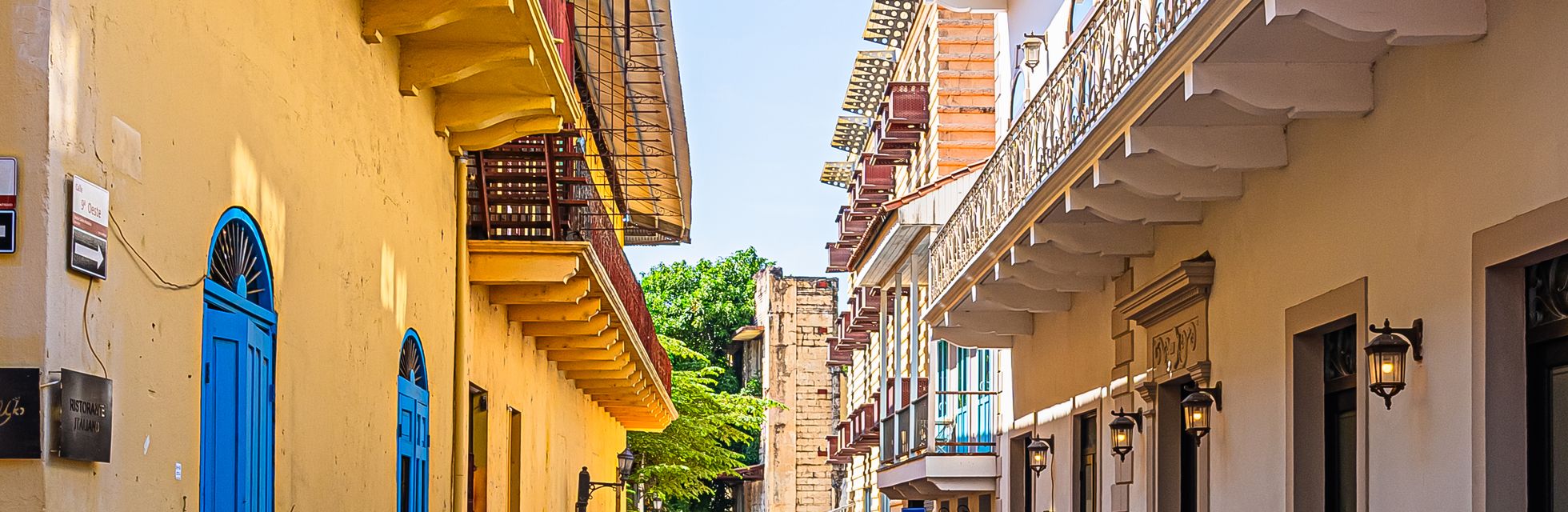
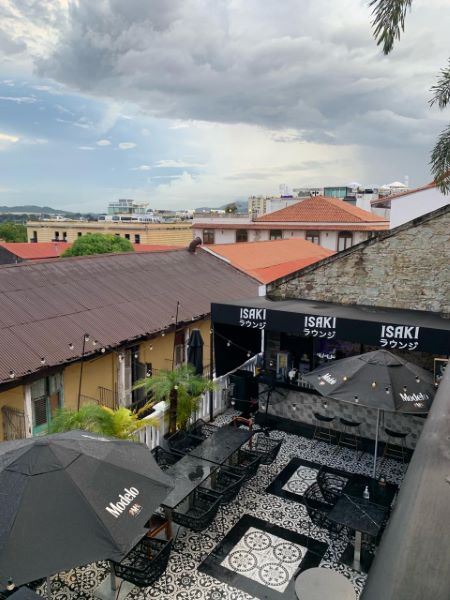
Good to Know: Casco Viejo (the historic UNESCO-listed old city) is enjoyable during the day and perfectly safe in its renovated core blocks. The area immediately surrounding it is significantly rougher. Do not walk out of Casco Viejo’s main tourist zone into the surrounding streets after dark; take a rideshare directly to your destination.
Areas to Avoid
This is areas you should avoid in Panama.
El Chorrillo: Directly adjacent to Casco Viejo but categorically different. High crime, gang activity. Not a tourist area and not a place to walk through.
Curundú: High crime concentration, not a tourist zone. Expats have no practical reason to be in this neighborhood.
Parts of San Miguelito: San Miguelito is a large district north of Panama City. Parts of it have high crime rates; Panamanian police and local guides actively discourage casual visits to the rougher sections.
Colón City and Province: Colón, the Atlantic port city at the northern end of the Panama Canal, has Panama’s highest concentration of violent crime. Provinces of Panama and Colón together account for 75% of all homicides in the country. There is a free-trade zone in Colón that some visitors pass through on organized tours; this is fine. Independent exploration of Colón City on foot is not advisable. Most expats have no reason to spend time in Colón.
The Darién Gap and border areas: The Pan-American Highway ends at Yaviza. Beyond that point, the Darién jungle is a route for transnational criminal and trafficking networks with a history of violence against travelers. The US State Department advises Do Not Travel to areas south of Yaviza, Jaque, Manene, and Lajas Blancas to the Colombian border, and to the communities of Lajas Blancas and El Salto. The only other Do Not Travel zone in the country is the Mosquito Gulf, a remote stretch of Caribbean coastline no expat has reason to visit. Border towns like Puerto Armuelles and Paso Canoas have elevated property crime. Independent overland travel into the Darién is not advisable under any circumstances.

Safety Outside Panama City
The expat communities outside the capital are almost uniformly very safe. This is one of the reasons retirees choose Panama over a capital-only approach.
Boquete and the western highlands: The expat community in Boquete is large and long-established. Property crime is low. Petty theft targeting tourists occurs but violent crime against expats is rare. The community is small enough that strangers are noticed.
Coronado and Pacific beach communities: Gated communities with private security are the norm here. Break-ins in ungated beach houses have been reported, particularly in low season when properties are empty. Rent in a gated development or install a basic alarm system for standalone properties.
Bocas del Toro: Generally safe for expats who have settled there. Petty theft is a minor issue in the more tourist-heavy parts of Bocas Town. The archipelago’s remoteness is itself a deterrent to organized crime. Note that a US Embassy security alert was issued for Bocas del Toro Province in June 2025 due to civil unrest in Changuinola; monitor local conditions if traveling there.
Pedasí and the Azuero Peninsula: One of the safest regions in the country. Small-town Panama at its most relaxed. Crime is minimal at the level most expats would encounter it.
Read more: Best Places to Live in Panama for Expats
Practical Safety Habits
The gap between “careful” and “paranoid” in Panama is large. These habits cover the careful end:
- Use Uber or DiDi for all ridesharing. Never hail a taxi off the street at night. During daylight, street taxis are generally fine but expect negotiation and often inflated prices; apps are easier. After dark, only use app-based ridesharing or call a specific taxi number recommended by your building or restaurant.
- ATMs inside malls or bank branches only. Standalone street ATMs are a known target for card skimmers. The machines inside Multiplaza, Albrook, or Multi Centro are safer. Withdraw what you need; carry only the cash you plan to use that day.
- Keep valuables out of sight. Your phone stays in your pocket in crowded areas, not in your hand. Don’t wear expensive watches or jewelry while walking unfamiliar areas. Keep your laptop bag closed and against your body, not loosely slung on your shoulder in a terminal.
- Do not leave anything in a parked car. The break-in rate for vehicles with visible items (bags, electronics, loose change) is meaningfully higher than for empty-looking vehicles. Use the trunk, glove box, or take it with you.
- Stay updated through local channels. Expat Facebook groups for Panama City, Boquete, and other communities have active safety discussion threads. If something unusual is happening in your neighborhood, these groups tend to know about it quickly. Join them before you move, not after.
Common Mistakes and Pitfalls
Confusing the country’s average with the neighborhood reality. Panama’s headline crime statistics are a national average. Within Panama City, the range runs from “comparable to affluent suburbs” in Punta Pacifica and Costa del Este to “do not walk here at night” in El Chorrillo and Curundú. Where you live matters more than the country-level numbers.
Walking out of Casco Viejo into the surrounding streets after dark. Casco Viejo’s tourist core is well-patrolled and safe. The streets immediately outside the renovated zone are not. Expats who enjoy Casco Viejo evenings take rideshares directly to and from the specific restaurants or bars they are visiting. They do not wander the adjacent blocks.
Using hotel taxis or accepting approaches from drivers outside airports and hotels. Hotel-rank taxis routinely charge two to three times standard rates to people who do not know better. Airport drivers who approach you before you exit the arrivals hall are typically unlicensed. The official taxi rank and rideshare pickup zone are at the arrivals level exit. Or have your accommodation arrange a pickup in advance.
Underestimating road safety relative to crime. Many expats arrive focused on crime risk and never seriously consider traffic risk. Panama’s road fatality rate is higher than most Western countries they are coming from. Driving defensively, wearing a seatbelt consistently, and being cautious on secondary roads and at intersections is not overthinking it.
Exploring Colón independently. The Canal locks at Gatún are worth visiting on an organized tour; the city of Colón itself is not somewhere to independently explore. This distinction catches visitors who assume that a canal tour and a wander through the city are part of the same trip. They are not.