This article will take approximately 16 minutes to read. Don't have the time right now? No worries. Email the ad-free version of the article to yourself and read it later!
Panama offers everything from cosmopolitan city life to highland coffee towns and Caribbean island communities. Here’s an honest breakdown of where expats actually settle, and how to find the right fit for you.
I get asked about Panama City versus Boquete more than any other question about living here. The honest answer is that they suit completely different people, and neither is the right call until you have spent a few weeks in both.
What makes Panama interesting for expats is the range. You can live at altitude in a cool mountain town, on a Caribbean island, on a Pacific beach, or in a fully modern city with world-class hospitals, all within the same small country. The challenge is that each option involves real trade-offs around cost, healthcare, internet, climate, and community that take research to understand properly.
This guide covers the places where expats actually settle, with honest assessments of what each costs, what works, and what doesn’t.
Disclaimer: This article may include links to products or services offered by ExpatDen's partners, which give us commissions when you click on them. Although this may influence how they appear in the text, we only recommend solutions that we would use in your situation. Read more in our Advertising Disclosure.
Contents
Key Takeaways
- Panama City has the best healthcare, jobs, and infrastructure, suiting professionals, families, and anyone who needs reliable medical access.
- Boquete offers a spring-like highland climate and the largest established expat community outside the capital, but prices have risen significantly and affordable rentals are harder to find than they were five years ago.
- Coronado and the Pacific beaches give beach living about 90 minutes from Panama City, with strong expat infrastructure but significant heat.
- Bocas del Toro offers Caribbean island life at a lower cost, but with limited amenities and internet reliability that has improved but still lags the mainland.
- David, Volcán, Chitré, and Pedasí offer real value for budget-conscious expats willing to live more locally, with fewer English speakers and fewer expat services, but much lower costs.
- Test-live any area for at least three months before signing a long lease; micro-climates, internet quality, and water supply can vary significantly within a few kilometers.
How to Choose Where to Live
Before getting into specific locations, it helps to know what the decisive factors actually are for most expats who have been here a while. The ones that get underweighted during research:
- Healthcare access. If you have ongoing medical needs or are over 60, distance to a hospital matters more than almost anything else. Panama City has two internationally accredited hospitals. Outside the capital, care ranges from adequate to limited.
- Internet reliability. Fiber speeds of 300 to 1,000 Mbps are available in Panama City and most major towns. Rural and island areas are improving but remain variable. If you work remotely, check actual speeds for the specific neighborhood you are considering, not just the province.
- Climate comfort. Panama City is hot and humid year-round (85 to 90°F). Boquete sits in the 70s. The Pacific coast is hot but dry in season. Bocas del Toro is tropical and wet. Getting this wrong leads to a very uncomfortable first year.
- Expat community size. If community matters to you (organized activities, English-language social groups, people who have navigated the same paperwork you are dealing with), Panama City and Boquete have it. Most other places are developing that infrastructure gradually.
- Cost of living context. Panama City and Boquete are not cheap by regional standards anymore. Real savings over North American or European costs require heading to David, Chitré, Volcán, or similar secondary cities. Set expectations accordingly.
Read more: Cost of Living in Panama: A Complete 2026 Guide
Good to know: You need to be able to speak Spanish if you want to live outside of Panama City or Boquete. In David, Chitré, Pedasí, and Volcán, basic Spanish is not optional. It makes the difference between handling everyday logistics independently or being dependent on someone to translate for every errand.
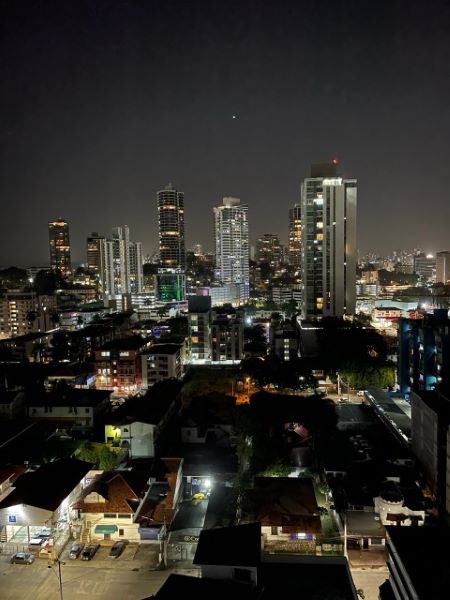
Panama City
Panama City is the obvious choice if you want full urban amenities, and it delivers. The city has a modern skyline, functioning infrastructure, fast internet, excellent hospitals, international restaurants, and the country’s main international airport. If the trade-offs (heat, cost, traffic) work for you, it is one of the most livable cities in Latin America for a foreign resident.
Cost of Living
A single person living comfortably in Panama City can budget around US$1,600 to US$2,200 per month including rent. A couple should expect US$2,500 to US$3,500 depending on lifestyle.
Furnished two-bedroom apartment rents by neighborhood:
- El Cangrejo: US$1,200 to US$1,700/month; the most expat-popular mid-range area
- San Francisco: US$1,500 to US$2,100/month; centrally located and family-friendly
- Clayton (Canal Zone): US$1,400 to US$2,000/month; green and suburban, near international schools
- Costa del Este: US$2,000 to US$2,800/month; modern, planned, near top international schools
- Punta Pacifica: US$2,200 to US$3,000/month; luxury high-rises, closest to private hospitals
- Casco Viejo: US$1,800 to US$2,500/month; historic UNESCO district with a lively social scene
Healthcare
Panama City has the country’s two most internationally recognized hospitals: Hospital Punta Pacifica (affiliated with Johns Hopkins Medicine) and Hospital Paitilla (affiliated with Cleveland Clinic). Both are high quality by any regional standard, with English-speaking specialists across most fields.
Internet
Fiber connections at 300 to 1,000 Mbps are available in most established neighborhoods. Outages are rare. Coworking spaces are well-distributed across the city for remote workers who prefer not to work from home.
Who It Suits
Professionals and remote workers who need reliable infrastructure, families who need international schools, anyone with significant healthcare needs, and expats who want to integrate into an active social scene without driving to find it.
Read more:
- Renting an Apartment in Panama City: What Expats Need to Know
- Health Insurance in Panama: A Guide for Expats
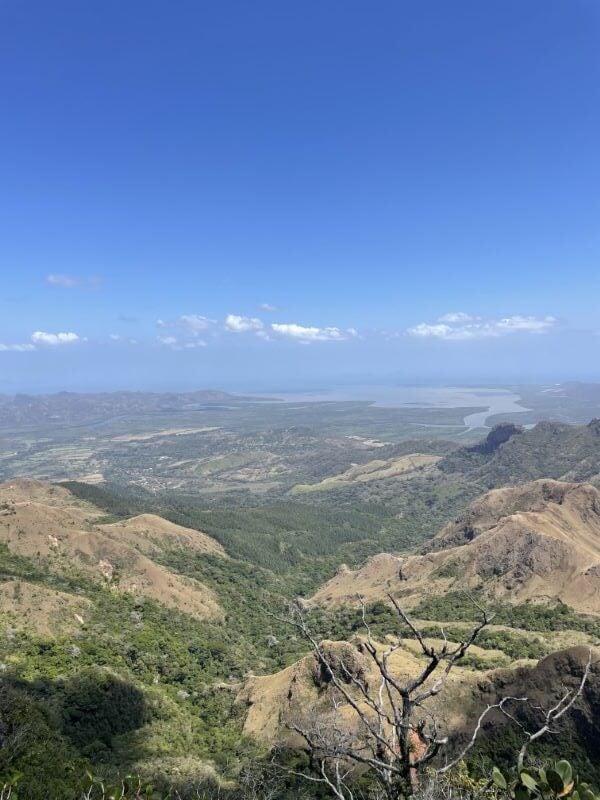
Boquete
Boquete is the most talked-about expat destination in Panama outside the capital, and for good reason. The highland climate sits in the low 70s year-round, the scenery is green mountain valley and coffee farm, and the expat community is the most organized and active in the country. If you want a built-in social infrastructure from day one, Boquete has it.
The honest caveat: Boquete has been discovered. Prices have risen significantly over the last decade, and the affordable mountain-town living that attracted the original wave of expats is harder to find than it was. Expect to pay more than you think for less than you imagine.
Cost of Living
Furnished rentals outside gated communities run US$600 to US$1,200 per month for a two-bedroom. Inside gated communities, expect US$1,500 to US$2,500 or more. Restaurant prices are higher than Panama City in some categories. Monthly single-person budget including rent: US$1,800 to US$2,500 for a comfortable lifestyle.
Healthcare
Routine care, dentistry, and basic specialists are available in Boquete. For anything serious, David is 30 minutes away and has two private hospitals. For major procedures, Panama City is the destination. If you have significant or ongoing medical needs, consider this carefully before committing to Boquete full-time.
Internet
Generally good. Fiber is available in the main town and in most gated communities. Occasional power and internet outages occur, especially during heavy rainy season storms. Verify the specific address before signing a lease; quality varies within the valley.
Who It Suits
Retirees who want a spring-like climate, an active expat social scene, outdoor activities (hiking, coffee tours, river rafting), and do not need to be close to major medical facilities daily. Less suitable for remote workers who need absolute internet reliability or for anyone on a tight budget.

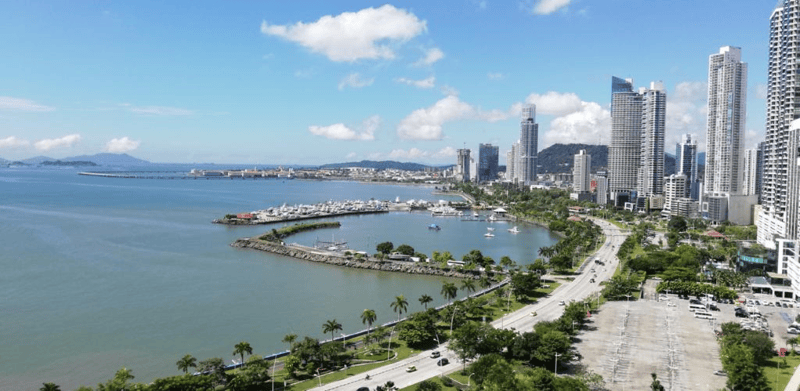
Coronado and the Pacific Beaches
Coronado is the leading beach community for expats on Panama’s Pacific coast, about 90 minutes west of Panama City. It has the infrastructure of a proper expat hub: supermarkets with imported goods, restaurants, banks, an international school, a golf course, and a large established foreign resident community. If you want beach proximity with the services to back it up, Coronado is the closest thing Panama has to that.
Cost of Living
Furnished two-bedroom rentals range from US$1,000 to US$2,500 per month depending on property quality and proximity to the beach. Monthly single-person budget: US$2,000 to US$3,000. More affordable than Boquete in some categories, more expensive in others.
Healthcare
The nearest hospitals with specialist capacity are in David (about 30 minutes) and Panama City (90 minutes). A clinic serves the immediate community for routine needs. Not the right base if you need regular specialist access.
Internet
Generally good in established areas; less reliable in more rural beach communities along the same coast. Check the specific address.
Who It Suits
Active retirees who want beach access and a strong expat community without full city life. Families who need an international school option nearby. People who want the Pacific beach lifestyle but also value the ability to drive to Panama City for a day without it being a major expedition.
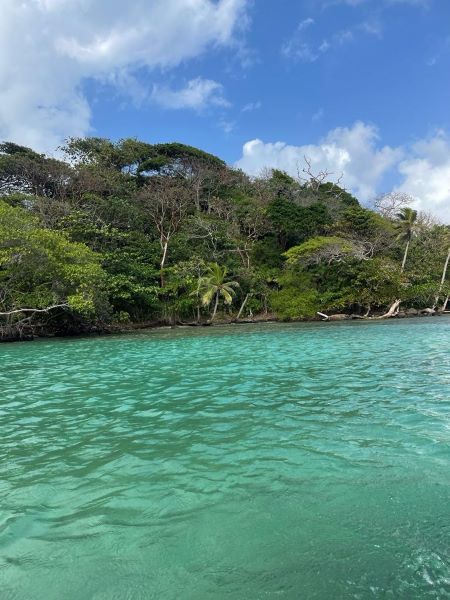
Bocas del Toro
Bocas del Toro is a Caribbean archipelago on Panama’s northern coast, a different Panama entirely from the Pacific side or the city. The vibe is laid-back, the water is genuinely beautiful, English is widely spoken (from a Caribbean English heritage, not just expat presence), and costs are meaningfully lower than Boquete or the city.
The trade-offs are real. Bocas is an island community: getting to Panama City involves a small plane or several hours of overland travel. Amenities are limited. The climate is tropical and wet, not the pleasant highland cool of Boquete, but genuinely Caribbean hot and rainy. Until recently, internet reliability was a known issue; service has improved but Bocas still lags the mainland.
Cost of Living
Furnished one-bedroom rentals run US$700 to US$900 per month for a Caribbean view. The overall cost of living is genuinely lower than either Panama City or Boquete for rent and daily basics, though some imported goods cost more due to logistics.
Healthcare
A new 24/7 public hospital opened on the main island. For anything beyond basic emergency care, the practical option is a flight to Panama City. Factor this in seriously if you have health concerns.
Internet
Improved significantly in recent years but remains less consistent than the mainland. Remote workers with demanding connectivity requirements should test the specific location before committing.
Who It Suits
Younger expats, digital nomads with flexibility on connectivity, water-sports enthusiasts, and anyone who genuinely wants Caribbean island life and is realistic about the limited-amenities trade-off. Not suitable as a primary base if healthcare access or consistent high-speed internet is a priority.
Other Options Worth Considering
The well-known destinations above are where most expats land, but they are not the whole picture. Several other areas offer real value, particularly for budget-conscious expats or those who want to live more locally.
Volcán sits at higher elevation than Boquete with a similar cool climate but at roughly a third of the cost. Rent for a furnished two-bedroom with utilities included can run as low as US$500 per month. Expats who know it describe it as what Boquete was 15 years ago. The trade-off: fewer restaurants, fewer organized expat activities, and a smaller international community. A 24/7 public hospital is on-site; David is 30 minutes away.
David is Panama’s second city: hot (consistently 90°F+, so air conditioning is essential), commercial, and genuinely affordable. Furnished houses run under US$500 per month. Two private hospitals, major shopping, and fast food chains make it one of the most self-sufficient cities outside the capital. It suits expats who want real city services at low cost and do not mind the heat.
Chitré is the main city on the Azuero Peninsula, one of Panama’s driest regions, which means a genuine dry season advantage over the rest of the country. A population of 60,000, a golf course that costs around US$100 per month to join, modern hospitals (the best on the peninsula), and rents of US$600 to US$900 per month make it an attractive option for the expat willing to live more fully in Panamanian culture. English speakers are fewer here; basic Spanish helps significantly.
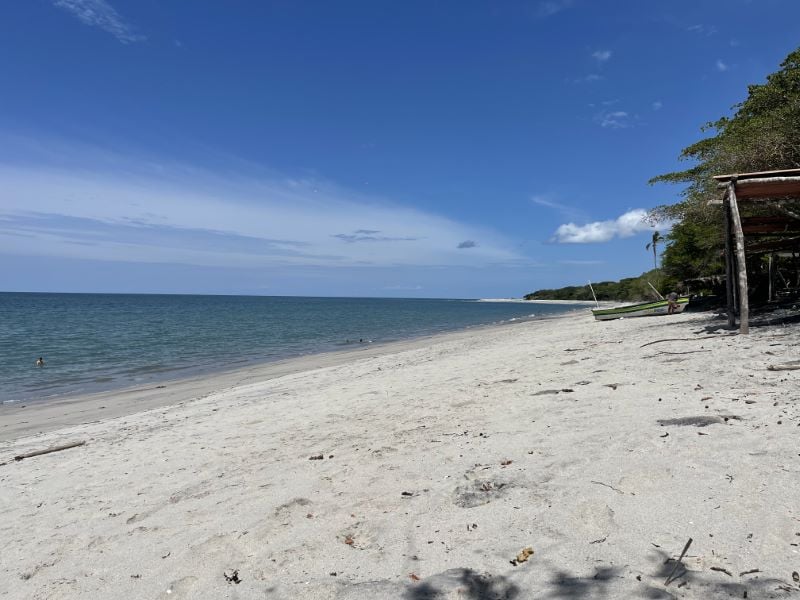
Pedasí is a small fishing and beach town on the Azuero coast with a growing expat community in a genuinely laid-back setting and beautiful beaches nearby. Water supply issues (many properties rely on catchment tanks) are a known local quirk. Limited amenities; 15 to 40 minutes to Chitré or Las Tablas for anything substantial.
El Valle de Antón is a crater town at altitude, with a pleasant year-round climate, natural hot springs, and a scenic setting. Rents run US$1,400 and above, which is high for the amenity level available. Best suited for wealthy nature lovers who want a retreat atmosphere and are not looking for a full-service community around them.
Panama Pacifico and Santa Maria are two newer planned communities near Panama City that have attracted a growing number of expats. Panama Pacifico, built on the former Howard Air Force Base site, offers modern infrastructure, an international school, and lower rents than central Panama City. Santa Maria is a master-planned gated community adjacent to Costa del Este with upscale amenities. Both suit expats who want proximity to the capital without paying full Panama City prices.
Cost and Lifestyle Comparison
To help you find the best place to live, here’s a quick comparison of these cities.
| Location | Typical 2BR Rent | Climate | Internet | Expat Community | Best For |
|---|---|---|---|---|---|
| Panama City | US$1,200–US$2,800 | Hot, humid year-round | Excellent | Large | Professionals, families, healthcare needs |
| Boquete | US$600–US$2,500+ | Cool (70s), pleasant | Good | Large, organized | Active retirees, climate seekers |
| Coronado | US$1,000–US$2,500 | Hot, beachy | Good | Large | Beach retirees, families |
| Bocas del Toro | US$700–US$900 | Tropical, very wet | Fair–good | International mix | Water enthusiasts, nomads |
| David | Under US$500 | Very hot | Good | Growing | Budget-conscious, services needed |
| Volcán | ~US$500 | Cool, highland | Good | Small, growing | Budget retirees, tranquility |
| Chitré | US$600–US$900 | Warm, drier | Good | Small | Cultural immersion, affordability |
| Pedasí | Rising; ~Chitré | Warm coastal | Good | Small, growing | Beach lifestyle, retirees |
Before making a long-term commitment, test-live in the area first. Many people say Boquete is paradise, but living there through a rainy season may tell you otherwise. Rent first, for at least three months, in the house or apartment you are considering buying.
Frequently Asked Questions
Where do most American and Canadian retirees settle?
Boquete and Panama City’s El Cangrejo neighborhood are the two most common answers. Coronado is a strong third for those who want beach proximity. The Pensionado visa community skews heavily toward Boquete and the Pacific beach towns.
What is the cheapest area to live well?
Volcán and David offer the best value for money: modern services, decent infrastructure, and rents well under US$600 per month. Chitré is close behind with a more developed city feel.
Best area for digital nomads who need reliable internet?
Panama City, without question. Fast fiber, excellent coworking spaces, and zero internet anxiety. Boquete is a workable second option for nomads who prefer a smaller town, as long as you verify the specific address.
Best area for families?
Panama City (specifically Costa del Este and Clayton) for access to international schools. Coronado is a secondary option with one international school option nearby.
Is it safe to live outside Panama City?
Boquete, Coronado, Bocas del Toro, and the Azuero Peninsula towns are all considered safe by regional standards. Expats in all these areas report few security concerns in their day-to-day lives. Standard precautions apply anywhere.
How much Spanish do I need?
In Panama City and Boquete, you can function in English. Everywhere else, basic conversational Spanish makes daily life substantially easier and marks the difference between integrating and just surviving.
Read more:





'/%3E%3Cpath%20fill='%23b2b2b2'%20d='M241%20382q0%2016%2017%2026%2017%2011%2042%2011t42-11q16-11%2017-26V269H241'/%3E%3Cpath%20fill='%239f7e00'%20d='M241%20379q0%2014%208%2023%209%209%2021%209%2014%200%2021-9%209-9%209-23V269h-59'/%3E%3Cpath%20d='M241%20339v-70h59v110q0%2014-9%2023l-6%205v-68h-15v72q-8%200-14-4v-68zm59%2040c0%2022%2015%2032%2029%2032%2021%200%2030-18%2030-32v-40h-59'/%3E%3Cpath%20fill='%239f7e00'%20d='M266%20277v5h2v12h-3v-5h2v-5h-9v5h2v5h-4v9h3v18h-5v10h34v-10h-5v-18h3v-9h-4v-5h2v-5h-9v5h2v5h-3v-12h2v-5zm42%20101q0%2010%206%2017%206%206%2015%207%2010-1%2016-7%206-7%206-17v-29h-43'/%3E%3Ccircle%20fill='%230044ad'%20cx='329.5'%20cy='372'%20r='6'/%3E%3Cellipse%20fill='%230044ad'%20cx='300'%20cy='340'%20rx='16'%20ry='21'/%3E%3C/svg%3E) Español:
Español: Français:
 Deutsch: