I never thought I’d still be here today. I moved to Slovenia in 2021 and never expected to stay this long, but somehow this small country in the heart of Europe became home.
Slovenia isn’t the cheapest place to live in Europe, but compared to Western Europe, it still feels affordable. You get a high quality of life, clean cities, and easy access to nature without spending a fortune.
From my experience and from other expats I know, most people spend between €1,800 and €2,800 per month, depending on their lifestyle.
In this guide, I’ll break down the real cost of living in Slovenia based on actual expenses, not just averages.
Disclaimer: This article may include links to products or services offered by ExpatDen's partners, which give us commissions when you click on them. Although this may influence how they appear in the text, we only recommend solutions that we would use in your situation. Read more in our Advertising Disclosure.
Contents
- Quick Answer: Monthly Cost of Living in Slovenia
- Is Slovenia Expensive for Expats?
- Cost of Accommodation in Slovenia
- Utility Costs
- Internet and Phone Costs
- Transportation Costs
- Food Costs
- Entertainment and Leisure Costs
- Education and Family Costs
- Healthcare Costs
- Visa and Residency Costs
- Sample Monthly Budgets in Slovenia
- Now, on to You
Quick Answer: Monthly Cost of Living in Slovenia
Here’s a realistic monthly budget based on different lifestyles:
- Local lifestyle: €1,000
- Budget lifestyle: €1,500 to €1,900
- Comfortable lifestyle: €1,800 to €2,500
- High-comfort lifestyle: €3,000+
From my experience, most expats fall somewhere between €1,800 and €2,500 per month, depending on rent, travel habits, and how often they eat out.
The biggest expense is accommodation, especially in Ljubljana. If you manage to keep rent low, your overall cost of living drops significantly.
Is Slovenia Expensive for Expats?
Slovenia is not the cheapest country in Europe, but it’s also not expensive compared to Western Europe. It sits somewhere in the middle.
- More expensive than the Balkans and much of Eastern Europe
- Cheaper than countries like Germany, France, or the Netherlands
The main factor that affects your cost is where you live:
- Ljubljana: most expensive, especially for rent
- Coastal areas (Koper, Piran): expensive and seasonal
- Smaller cities (Maribor, Ptuj, Kranj): much more affordable
Overall, Slovenia offers good value for the quality of life. You get a safe environment, clean cities, and easy access to nature, without paying Western European prices.
Cost of Accommodation in Slovenia
Average Cost: €750 to €1,200
Accommodation prices in Slovenia have been rising, like in most of Europe, but they are still manageable compared to Western Europe.
The most expensive areas are:
- Ljubljana
- The Slovenian coast (Koper and Piran)
Ljubljana
Ljubljana is the most popular place to live, especially for expats.
- City center and nearby areas (Prule, Trnovo): €750 to €1,200
- Outside center: €600 to €800
- Low-end deals: around €550 (rare)
I managed to find a place for €550 in Šiška, about 15 minutes from the center. It was an older apartment, but still a good deal.
The bigger challenge in Ljubljana isn’t the price, it’s finding a place. Good apartments go quickly, and many of the better deals come down to luck or connections.
Also, some landlords prefer renting to students, since there is more financial security due to government regulations. The government requires their parents to be partially financially responsible for them until they are 26, provided they are studying.
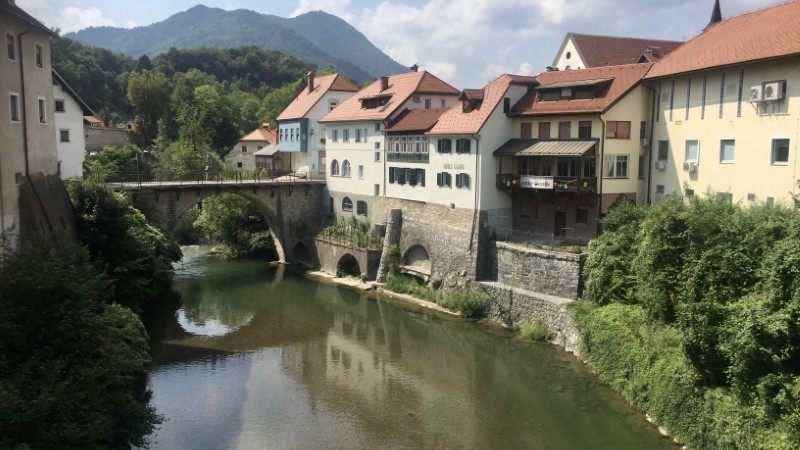
Koper and Piran
If you want to live on the coast, expect higher prices and less stability.
- One-bedroom apartment: around €1,000 (often not in great condition)
- Off-season deals: €600 to €800
Many rentals here are short-term (1 to 3 months), especially during the tourist season. Long-term rentals are harder to find. It is a similar situation to its Croatian neighbor; renting on the coast is more seasonal.
Also, Slovenia’s coastline is very small, only about 40 km, so demand is always high.
Other Cities
Cities like Maribor, Ptuj, Nova Gorica, and Kranj are much more affordable.
- City center: €500 to €700
- Outside center: lower
If your goal is to save money, these cities offer much better value than Ljubljana or the coast.
Utility Costs
Average Cost: €130 to €200 per month (water, heating, electricity, building services, garbage)
For a one-bedroom apartment, utilities are usually in the range of €130 to €200. It can be higher during the winter months.
This cost varies depending on:
- The time of year (winter is more expensive)
- Whether you use AC
- Your personal usage habits
Many Slovenes are not big on AC. There is a general reluctance toward it in some Slavic countries, although this is slowly changing. I don’t have AC myself and use an air cooler I bought for €60, which helps keep costs down.
Heating is one of the biggest variables. If you tend to turn it on as soon as it gets cold, your monthly costs will be higher.
Another thing to be aware of is that you don’t always have full control over heating. In my building, which is an older house, the heating is turned on automatically at a certain time of year. The cost is then divided among tenants based on the size of each apartment.
So even if you personally don’t use much heating, you may still end up paying for it. It took me a while to get used to that.
Internet and Phone Costs
Average Cost: €35
We pay about €35 per month for home internet. Our landlord set it up, and we just pay our share.
Mobile internet is quite cheap:
- Around €10 per month
- About 150 GB of data
I use a SIM card from Hofer (similar to Aldi in other countries), and it works perfectly fine.
Transportation Costs
Public Transport
Average Cost: €34 per month
In Ljubljana, a local bus ticket costs €1.50 and is valid for 90 minutes. Some people buy a monthly pass for €34, but I don’t since I don’t take the bus every day.
- Single ticket: €1.50 (90 minutes)
- Monthly pass: €34
I just use the Urbana app on my phone and top up around €10 at a time. I live about 15 minutes from the center and try to walk as much as I can. The city is very easy to walk and cycle in.
I usually only take the bus when I feel lazy or need to get somewhere farther away, like my mother-in-law’s place on the other side of town.
I work from home or take my computer to a library or café, so I don’t have a daily commute. In most other towns, transport costs are around this level or slightly lower.
Intercity Travel
Average Cost: €6 to €12 per ride
Intercity buses and trains are fairly priced:
- Ljubljana to Maribor: about €12 (sometimes cheaper with FlixBus)
- Ljubljana to Bled: about €6
- Rideshare (Prevoz): €5 to €6 to the coast
There are also free park-and-ride services in some areas, especially during peak months in the Alps. The government is trying to reduce traffic, as the country can get congested in the summer.
If you’re heading to the Alps, you can often park outside and take buses to hiking and recreational areas.
Driving and Car Ownership
Average Cost:
- Used car: €2,000 to €6,000
- Newer car: €8,000 to €15,000
- Petrol: about €1.50 per liter
Slovenes love their cars, and having one can make it easier to reach certain places. I don’t have a car myself, but many people do.
A few things to keep in mind:
- If you don’t have an EU license, you can drive for up to one year
- After that, you may need to convert it to a Slovenian license
- This process can be time-consuming and may require a test or lessons
Buying an older used car typically costs €2,000 to €6,000, while a newer one (around 3 to 5 years old) is €8,000 to €15,000.
Many people use avto.net to buy cars. Some also choose to buy a car in countries like Germany.
Food Costs
Groceries
Average Cost: €200 to €300 per month
This depends a lot on your habits and what you like to eat. There are farmers’ markets in most cities, but I’m not really the type to go since I’m not much of a morning person.
My mother-in-law grows a lot of her own food and goes to these markets when she needs something extra. Some markets are cheaper, but not always. It really depends on the location. Some have a more upscale feel and can be quite pricey, while others are more affordable.
I personally spend about €200 on groceries, which is on the more frugal side.
- Lidl: usually the best value, but quality can vary
- Spar: more expensive, but better for vegetarian options
- Mercator: the main local chain, but I find it more expensive with lower-quality vegetables
In general, you can expect:
- €200 for a frugal lifestyle
- €250 to €300 for a more moderate lifestyle
Downside: One downside is that meal prep services like HelloFresh haven’t really reached Slovenia. There aren’t many ready-made meal options beyond frozen food, and there’s still a mindset that cooking from scratch is the norm.
Grocery prices can sometimes feel higher than in Western Europe. When I’m on the coast, I often shop in Italy, where there is more variety and often better quality.
Imported food can be expensive. For example, some products I used to buy regularly, like kimchi dumplings, can cost two to three times more here than in Germany or the Netherlands.
Slovenia isn’t a very multicultural country, so finding a wide range of international ingredients isn’t always easy.
Restaurants
Average Cost: €10 to €20 per meal
Eating out can be a bit hit or miss. Many international restaurants still cater to local tastes and are often priced as a premium.
- Lunch: around €10 to €15
- Dinner: around €20 per person
- Local places (gostila): €15 to €20 for two (basic meals)
I often go to an Indian buffet for lunch that costs around €12, which is a good deal.

There are also more upscale options, and Korean food has become more popular recently. But international cuisine can get expensive. I’ve definitely paid more than expected for things like tacos.
Takeout is also common:
- €15 to €20 per order
- Wolt is the main delivery app
I probably spend more than I should on takeout. My total monthly food spending, including groceries and eating out, is around €400.
If you cook more consistently, you can keep your food budget closer to €200 to €300.
Alcohol
Average Cost: €3 per drink
Prices for alcoholic beverages are quite reasonable. Slovenian wine, in particular, is very underrated, with several wine regions across the country.
- Wine: €2 to €5 per glass
- Beer (local): around €3
- Craft beer: €5 to €6
You can get a glass of wine for as low as €2 in a restaurant, and it’s still pretty decent. Higher-quality options usually go up to €4 or €5.
Other
A couple of things that stand out in a good way:
- Truffle pasta (on the coast): €10 to €15 for a full plate
- Coffee:
- Espresso: around €1.50
- Cappuccino: up to €2.50
Because Slovenia is close to Italy, coffee culture is strong and prices are quite affordable.
Can You Drink the Tap Water?
Yes, absolutely. Slovene tap water is some of the best in Europe.
- Safe to drink everywhere
- Good quality overall
In some areas, the taste can be slightly mineral-heavy. If that bothers you, using a water filter helps.
Entertainment and Leisure Costs
Average Cost: Varies
Activities in Slovenia, like most things, fall somewhere in the middle compared to the rest of Europe. The total really depends on what you like to do.
Slovenia is big on outdoor and adventure activities, and those can get expensive quickly, especially in tourist areas like Lake Bled and the Soča Valley.
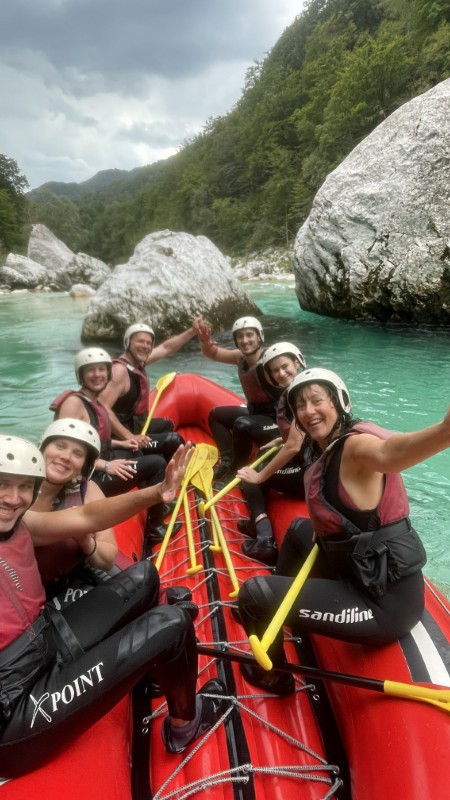
- Rafting (half-day): €60 to €80
- Ski pass (per day): around €45 (excluding equipment)
- Hiking: free (you just pay for transport)
Concerts and events vary:
- Regular concerts: €10 to €30
- Bigger international acts: more expensive
- Festivals (especially in Tolmin): often cheaper than in other parts of Europe
Cultural activities are quite affordable:
- Museums and galleries: €5 to €10
- National Gallery: around €8
- Ljubljana Castle: slightly higher
- Many local festivals: free
Gym Membership
Average Cost: €35 to €45 per month
Gym memberships are typically between €35 and €45. Like most places, you need to sign a contract, so if you don’t cancel, the fees can add up.
I go to Gym24, where I buy a 10-entry pass for €89. It sounds expensive, but it works well for me since I only go a couple of times a month, and the passes are valid for a year.
- Monthly membership: €35 to €45
- 10-entry pass (Gym24): €89
If you go at least once a week, a monthly plan is usually better value.
Popular gyms include:
- Gym24
- Fitinn
- Alfa Gym
Spa
Average Cost: €15 per visit
Going to the spa is something I enjoy, but prices vary depending on what you use.
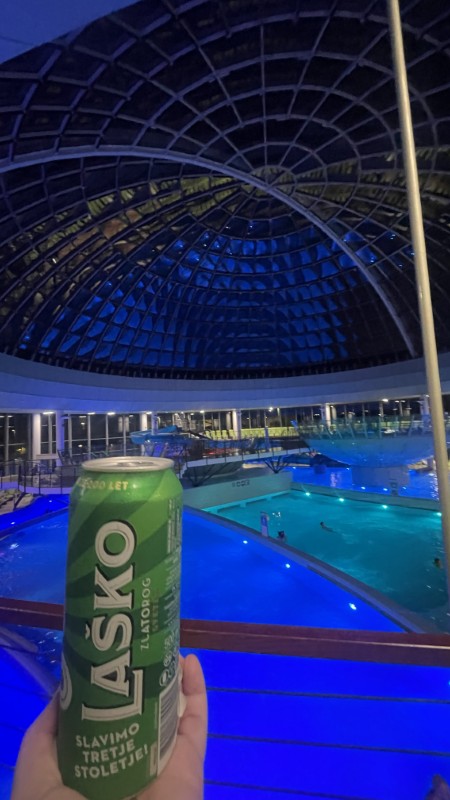
- Thermal baths: around €15
- Sauna complex: up to €30
It’s slightly more expensive compared to countries like Hungary or Germany, which have a stronger spa culture.
My favorite is Laško Spa, which also offers 3-hour tickets and discounted evening entry.
Beach
Average Cost: Free
Going to the beach is generally free.

- Sunbed rental: €10 to €25
I usually go to Izola, which is close to the center and easy to access.
Other Activities
Average Cost: Varies
- Ice skating: €3 (plus €4 for skate rental)
- Bowling / laser tag: €10 to €15
- Swimming pool: around €10
Prices can vary depending on the time and day, but overall, activities are reasonably priced, even if some feel a bit expensive (such as swimming pools) for what they are.
Education and Family Costs
Average Cost: €5,000 per year (international schools)
Slovenia is a very safe place for kids and offers many subsidized activities for families, so day-to-day living isn’t a big concern.
The biggest issue for expats is education.
- International schools: starting from €5,000 per year
- Costs increase with age and number of children
Ljubljana has several good international schools, but they can get expensive quickly.
Many parents consider local schools as an alternative. These can be a good option, but there are a few challenges:
- Language barrier (Slovene is difficult, especially without a Slavic background)
- Adjustment stress for the child
- Differences in curriculum
If you plan to stay long-term, local schools can make sense. But it’s something you need to think through carefully.
Most expats who send their kids to international schools work for international companies or embassies, where part of the cost is often covered.
Healthcare Costs
Average Cost: €80 to €150 per month (public insurance)
Health insurance in Slovenia is mandatory, and you usually need it before getting a visa.
- EU citizens: can use their European Health Insurance Card initially
- Long-term residents: must register with the public system (ZZZS)
- Non-EU residents: need private insurance, and may also register with the public system
If you are self-employed or a student, public insurance costs around €80 to €150 per month. If you are employed, it is usually deducted from your salary.
The public system covers most treatments, with small out-of-pocket costs for some prescriptions.
From my experience:
- It works well for general care
- Getting specialist appointments can be slow
- English-speaking doctors are not always guaranteed
Because of this, many expats prefer private healthcare for convenience.
Typical private costs:
- GP visit: €30 to €50
- Specialist: €50 to €150
- Dental check-up: €40 to €100
Private healthcare is still much cheaper than in the US, but certain specialists, especially in areas like mental health, can be expensive. Some may also require a new diagnosis instead of accepting records from your home country.
Visa and Residency Costs
Average Cost: €70 to €200
Visa and residency requirements in Slovenia are governed by national immigration law and EU regulations. It’s always best to check the Ministry of the Interior of Slovenia website for the most up-to-date information.
Keep in mind that rules around digital nomad visas and income requirements can change, so you should always verify details before applying.
Slovenia is part of both the European Union and the Schengen Area, which makes short-term stays straightforward.
- US, UK, Canadian, and Australian citizens can stay visa-free for up to 90 days within a 180-day period
- ETIAS registration will soon be required, with a fee of around €7
For longer stays, you’ll need to apply for one of the following:
- National (long-stay) visa
- Temporary residence permit
Typical requirements include:
- Proof of sufficient funds
- Health insurance
- Accommodation
- A valid reason for staying (work, study, family reunification)
For digital nomads, the income requirement is around €3,200 per month. You are also not allowed to work with local Slovenian clients.
If you plan to work as an employee, your employer will usually handle the work permit or a combined residence and work permit. This process includes verifying your employment contract and meeting local labor requirements.
Some people apply for an SP (sole proprietorship or freelancer license), but taxes can be relatively high and the setup process is more complex.
Overall, visa and residence permit fees usually range from €70 to €200, depending on the type and duration. Since requirements and fees can change, it’s best to confirm directly with official sources before applying.
Sample Monthly Budgets in Slovenia
Here are some realistic monthly budgets based on different lifestyles and locations:
My Budget (Personal Example)
| Category | Cost |
| Rent (shared) | €550 |
| Utilities | €130 |
| Internet | €35 |
| Groceries | €200 |
| Eating out / Takeout | €200 |
| Transport | €30 |
| Healthcare | €100 |
| Travel fund | €800 to €1,000 |
| Shopping / Misc | €200 to €300 |
| Total | €2,245 to €2,545 |
This is based on my actual lifestyle. I share rent, don’t spend much on new things, but I do travel quite a lot, including one long trip outside Europe each year and several shorter trips within Europe.
Budget for a Single Person
You normally need at least around €1,800 to €2,500 per month. At this level, you are above the minimum wage range, and most people in Slovenia live fairly well on this kind of budget.
- You likely won’t afford a city center apartment in Ljubljana
- But you can live comfortably in areas like Šiška
- You can still travel occasionally, such as weekend trips to Venice or Budapest
I even know people on this budget who manage one trip to Asia per year.
That said, you do need to be mindful of your spending. You can’t be careless with money, but if you budget properly, you can enjoy a good lifestyle as a single person or a couple.
My own budget falls on the upper end of this range. I have a good deal on rent in Šiška and share housing costs. I don’t spend much on new things, but I still manage to:
- Travel to Asia or Latin America once a year (around 6 weeks)
- Take several trips within Europe
If I didn’t travel as much, I would have more money to go out. As it is, I usually go out every couple of weeks, and a bit more during the summer when I stay in Slovenia.
Comfortable Budget for a Couple
You should have around €3,000 to €3,500 per month. If you qualify for a digital nomad visa, you are likely in this range. This is higher than what most locals earn and allows for a very comfortable lifestyle.
- Comfortable for a single person or a couple
- You can live in a nicer area of Ljubljana or on the coast
- You can eat out often and travel regularly
However, for families, this may still feel tight if you are the only income earner.
- Rent and international school fees can take up a large portion of your budget
Overall, this budget gives you a lot of flexibility, but costs can add up quickly depending on your lifestyle.
Budget for a Family
You should have around at least €4,000 per month, depending on your lifestyle and number of children.
- Comfortable for a small family with one or two kids
- You can live in a decent area in Ljubljana or a larger place outside the center
- You can still eat out occasionally and travel within Europe
However, costs can increase quickly for families, mainly due to:
- Rent for a larger apartment
- International school fees (starting from €5,000 per year per child)
If you are the only income earner, even €4,000 per month can feel tight, especially in Ljubljana.
Real Example: Living on a Lower Budget (Local Perspective)
Your cost of living can be much lower depending on your lifestyle.
For example, Anna from Slovenia shared that her family lives on a farm in a small village. They have their own firewood for heating, livestock for meat, and a garden for vegetables. Because of this, they don’t pay rent and are partially self-sustainable.
- Utilities: around €500 per month
- Groceries: around €500 per month (family of 6)
In their case, they are able to live on one good salary.
This shows how much your cost of living in Slovenia can vary. If you’re living more locally, outside major cities, and especially if you have access to land or shared family housing, your expenses can be significantly lower than what most expats spend.
Now, on to You
Slovenia can be as affordable or as expensive as you make it.
If you want a simple lifestyle, you can live comfortably on €1,800 to €2,500 per month. If you want more comfort, travel often, or live in central Ljubljana, your budget will naturally go higher.
The biggest variable is rent. Get a good deal, and everything else becomes much easier.