I didn’t plan to end up in Slovenia. Five years earlier, if someone had told me I’d be living here, I would have laughed. At the time, I was settled into a faster, more colorful life in Prague.
But after visiting Slovenia a few times, something shifted. What looked like a small, quiet country on the map started to feel like a hidden center of Europe. Everything is close. The pace is calmer. And life, somehow, feels easier without being boring.
I moved here at the height of the COVID pandemic and, unexpectedly, never left.
Now, after living in Slovenia for several years, I’ve had the chance to see what it’s really like beyond the postcard views and weekend trips. In this guide, I’ll show you the best places to live in Slovenia based on real experience, not just first impressions.
Disclaimer: This article may include links to products or services offered by ExpatDen's partners, which give us commissions when you click on them. Although this may influence how they appear in the text, we only recommend solutions that we would use in your situation. Read more in our Advertising Disclosure.
Contents
Key Takeaways
- Slovenia is a quiet country overall, and even its capital, Ljubljana, feels much calmer than most European capitals.
- Ljubljana is the best place to live in Slovenia if you want a bit of everything, including social life, convenience, and international communities. Kranj is better suited for outdoor and sports-focused lifestyles. Koper appeals more to older expats who prefer warmer weather and a slower pace.
- If saving money is your priority, Maribor is the best choice. Rent is significantly lower, and there are plenty of affordable activities nearby.
- Nova Gorica is a great option if you want a cross-border lifestyle. It’s directly connected to Gorizia in Italy, so you get the best of both countries.
- If you’re moving with children, Ljubljana and Kranj are usually the best choices, mainly because of access to international schools.
- One of the biggest advantages of living in Slovenia is that everything is close together. Even if you choose a smaller city, you can still reach Ljubljana easily.
Important Factors to Think about Before Moving to Slovenia
- Language: The language is really hard to learn. While a large portion of the population speaks English, it can still be difficult to fully fit in without Slovenian. Assimilation takes time. I’ve been here for five years, and I still feel like I have a long way to go before truly feeling part of the country.
- Family: If you’re moving to Slovenia with children, you need to think carefully about the school system. Many expats choose international schools because it can be challenging to place a child into the Slovenian system, especially if they are older or you are not planning to stay long term. International schools are expensive, and this is something many parents struggle with.
- Cost of Living: The cost of living in Slovenia is lower than in the US, UK, and parts of Western Europe, but it is not cheap. This isn’t the 90s anymore. In fact, it is one of the more expensive countries in Central Europe.
- Visa: If you’re applying for the digital nomad visa, keep in mind that it has only been available since November 2025. It is still new to many officials, so the process can be slow and sometimes unclear.
Good to know: Anna who runs the blog Anna In Slovenia also pointed out that English is widely spoken in bigger or touristy areas like Ljubljana and Bled, but much less so in smaller towns. That means where you live will directly affect how quickly you need to learn Slovene.
Quick Comparison of the Best Cities in Slovenia
To help you decide, here’s a quick comparison of the best cities to live in Slovenia.
| City | Best for | Cost | What it’s like |
| Ljubljana | Expats, social life | High | The most balanced option. You get city life, international community, and easy access to nature. |
| Maribor | Budget living | Low | Slower pace and much more affordable. Less touristy, more local feel. |
| Koper | Coastal lifestyle | Medium–High | Mediterranean vibe with access to the sea. More lively in summer, quieter in winter. |
| Kranj | Outdoors, families | Medium | Close to the Alps and great for hiking, skiing, and a quieter lifestyle. |
| Nova Gorica | Cross-border living | Medium | Unique mix of Slovenia and Italy. Ideal if you want both cultures in daily life. |
So, if you just want the quick answer, here it is:
- Best city in Slovenia for expats: Ljubljana
- Cheapest city to live in Slovenia: Maribor
- Best coastal city in Slovenia: Koper
But if you want to understand why, let’s take a closer look at each city.
Ljubljana
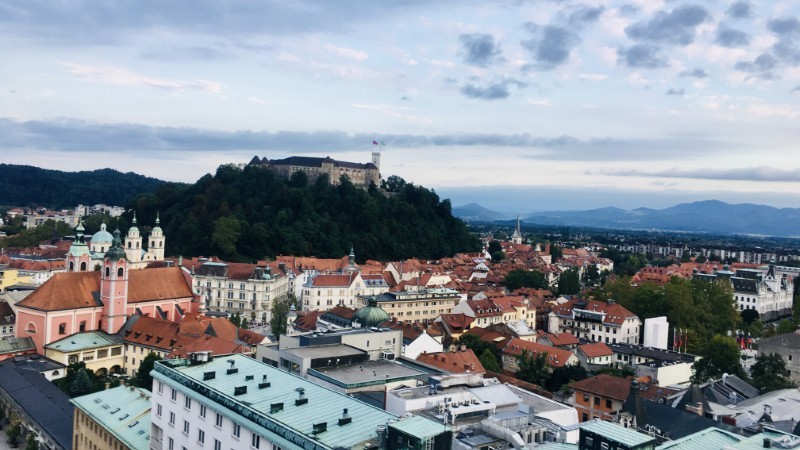
Ljubljana is the most common choice, as it is the capital and sits in the middle of the country. Everything appealing, nature-wise, is less than an hour away. The most accepted meaning of “Ljubljana” derives from the word “beloved.”
While it is still a capital city, it does not feel much like one, given its population of around 300,000. Ljubljana resembles your classic Central European mid-sized city.
Best for:
- Expats and digital nomads who want the most options
- First-time movers to Slovenia
- People who want a mix of city life and nature
- Those looking for an international community
Cost of Living in Ljubljana
The cost of living in Ljubljana is not cheap by any stretch. However, compared to US, UK, and Northern European prices, it is still relatively affordable.
Housing is the biggest expense, and prices are getting worse. For a one-bedroom apartment in the center, you can expect to pay between €800 and €1,300. In less central areas, it can be about €600 to €1,000. Another challenge is availability. When I first came to the city, I had a hard time finding a place.
For day-to-day costs:
- Groceries: around €300 per month (based on my spending)
- Eating out: €15 to €30 per person
- Public transport: €1.50 for a 90-minute ride or €37 for a monthly pass
I personally top up my transport card by about €10 at a time since I don’t use it daily. The city is very walkable and bike-friendly, so many people don’t rely heavily on public transport.
Best Areas to Live in Ljubljana
- Center: The most obvious choice and popular with foreigners. The downside is the price, and in summer it can feel overcrowded with tourists since the area is compact. The center is a car-free zone, and some buildings are older, which may not suit everyone.
- Trnovo / Prule: These areas sit side by side and feel like one neighborhood. They are right next to the center, separated only by the Ljubljanica River. If I had to choose anywhere in Ljubljana, this would be it. It’s quiet and green, yet only about five minutes on foot from the center. The downside is that flats are expensive and hard to find, and many have been converted into Airbnb units.
- Šiška: Another solid option. It’s next to Tivoli Park and offers plenty of green space. It’s slightly more affordable than central areas and about 10 to 15 minutes from the center. This is where I live now, and I’ve been very happy with it.
- Rožna Dolina: The most sought-after area for families. It is an upscale suburb where many diplomats live. It has some of the nicest houses in the city. Personally, I find it a bit dull, and it is one of the more expensive areas.
- Fužine: The most affordable option. It is further from the center and consists of high-rise buildings. There is a diverse community, mainly from other ex-Yugoslav countries. It’s not the most beautiful area, but it is practical, affordable, and close to green spaces.
Who Should Live in Ljubljana?
Ljubljana is the best place to live in Slovenia for expats or nomads who want the most options. It’s not as bustling as Vienna or Budapest, but there are still plenty of things to do.
The area around the river is lined with lively wine bars and cafés, and there is a lot of green space. It’s a good balance between city life and nature. Plenty of activities are organized throughout the city, and it is hard to get bored, especially in summer when the whole place feels like a living room.
There are also plenty of clubs and sports organizations. A large group called the “Ljubljana International Community” hosts daily meetups, including pub quizzes, culture nights, sports events, and day trips.
Personally, I join a women’s group called “Girl Gone International,” where we have brunches, park meetups, and a book club. I also joined the Ljubljana Roller Derby team, which includes both Slovenians and internationals. It has been one of the easiest ways for me to connect with locals without feeling out of place.
Koper
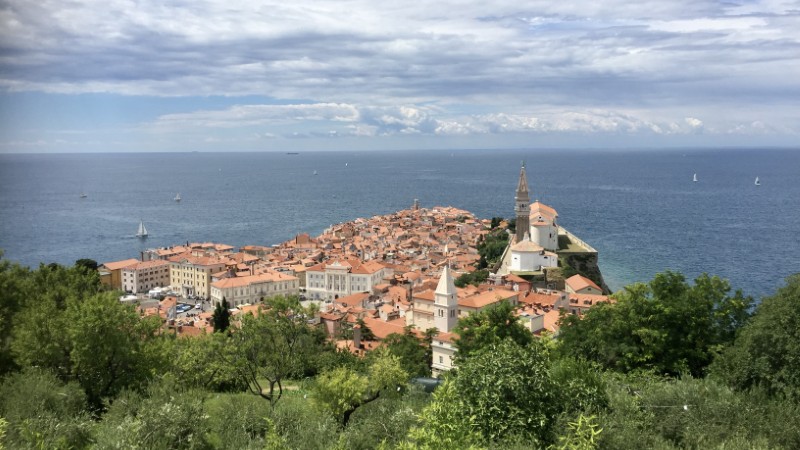
Koper is the largest coastal town in Slovenia. It feels like Slovenia with a Mediterranean accent. It is close to Venetian-style towns like Izola and Piran, and Italy is just 20 to 30 minutes away. You can easily reach Trieste, which many people prefer for shopping.
The area is much livelier in summer. Winters can still be cold, but they are milder than in Ljubljana and other inland cities. There is also less traffic, and the air tends to be clearer. On a really clear day, you can even see the Alps from the coast.

Best for:
- Expats who want to live by the sea
- Retirees or those looking for a slower pace of life
- People who prefer milder winters
- Those who don’t mind a quieter, more seasonal lifestyle
Cost of Living in Koper
The cost of living in Koper is similar to Ljubljana. Housing prices are roughly the same and can even be higher during the summer season when demand increases. If you move in the fall, prices tend to drop again.
For everyday costs:
- Housing: similar to Ljubljana, with seasonal spikes in summer
- Groceries and restaurants: generally consistent across Slovenia
- Shopping: many people go to Italy for more variety and better options
Because Slovenia has a population of around 2 million while Italy has over 60 million, the difference in product variety is noticeable.
You will also find locals selling produce and items like olive oil on the roadside, which adds to the lifestyle here.

Slovenia is, overall, a very beautiful country, and Slovenians are very friendly. Where you live will depend on what you are looking for (seaside, mountains…). My recommendation would be somewhere a little out of town, but not too far. That way, you can be surrounded by nature and quietness while still having access to nearby shops, restaurants, etc.
Anna from Anna In Slovenia
Best Areas to Live in Koper
- Old Town: Koper feels more Italian than Ljubljana, and Italian is a second official language in this region. Many signs are bilingual, and the area has a distinct coastal charm.
- Semedela: A residential area popular with locals and closer to the beach.
- Markovec: A hillside area with good views.
- Žusterna: Another coastal area, located right by the beach.
Who Should Live in Koper?
Koper is a good choice for expats or nomads who want to live by the sea. It is especially suited for retirees or those looking for a slower pace of life.
Outside of summer, the area can feel quiet, with fewer activities. While there is a noticeable Italian influence, there is less of an international community compared to Ljubljana, Kranj, or Maribor. This means fewer meetups and social events, and it can feel a bit isolated.
That said, if you enjoy a slower lifestyle, mild winters, and easy access to both Slovenia and Italy, Koper can be a great place to live.
Kranj
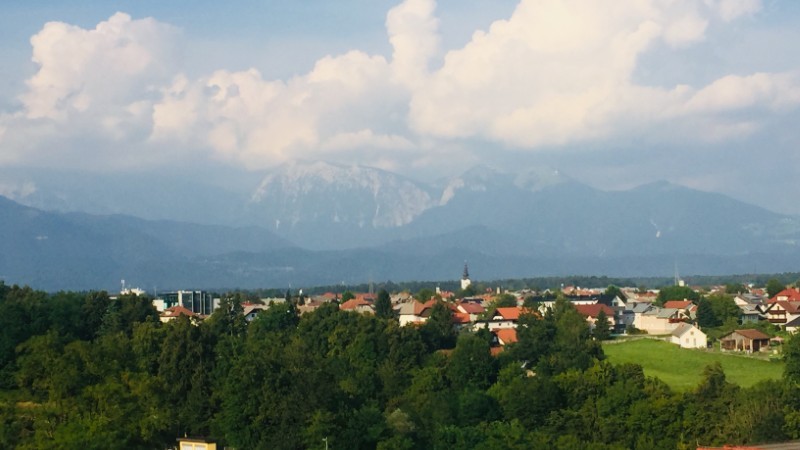
Kranj is becoming an increasingly popular place to live in Slovenia. It is the country’s fourth-largest city, with around 40,000 people, and sits in the foothills of the Alps.
It is only about 30 to 35 minutes from Ljubljana by car or public transport, and around 15 minutes from the airport. Lake Bled is also about 30 minutes away, which means you can enjoy it without dealing with the heavy tourist crowds all the time.
Best for:
- Outdoor lovers (skiing, hiking, cycling)
- Families who want access to Ljubljana without living in it
- People who prefer a quieter, more local lifestyle
- Those who don’t need much nightlife
Cost of Living in Kranj
The cost of living in Kranj is lower than in Ljubljana. Rent is more affordable, and it is generally easier to find housing.
- Rent: around €500 to €1,000 depending on location
- Groceries: similar to the rest of Slovenia
- Transport: manageable, but schedules can be limited, especially on Sundays
While the city is walkable, many people find it useful to own a car, especially for exploring other parts of Slovenia.
Best Areas to Live in Kranj
- Old Town (Mestni Center): Located in the heart of the city with easy access to shops, cafés, restaurants, and cultural spots. It offers good walkability, and flats are more affordable and less crowded than in central Ljubljana.
- Primskovo: A residential area about 5 to 10 minutes from the center, or around a 20-minute walk. It has plenty of green space, all the necessary amenities, and a more local feel. It is a good option for long-term expats.
Who Should Live in Kranj?
Kranj is ideal for people who enjoy outdoor activities. If you like skiing, hiking, or cycling, this is one of the best places to live in Slovenia.
It is also becoming popular with families, as it is close enough to Ljubljana for access to international schools without long commutes.
At the same time, it suits introverts. Even Ljubljana can feel quiet, and Kranj is even more so. One downside is that there is not much happening in the evenings, and Sundays can feel especially slow. This is common across Slovenia, but more noticeable in smaller cities.
Locals tend to spend their time with family or outdoors, depending on the season. That said, I have met several foreigners who are very happy living in Kranj. They enjoy the slower pace and the option to go into Ljubljana whenever they want something more lively.
Maribor
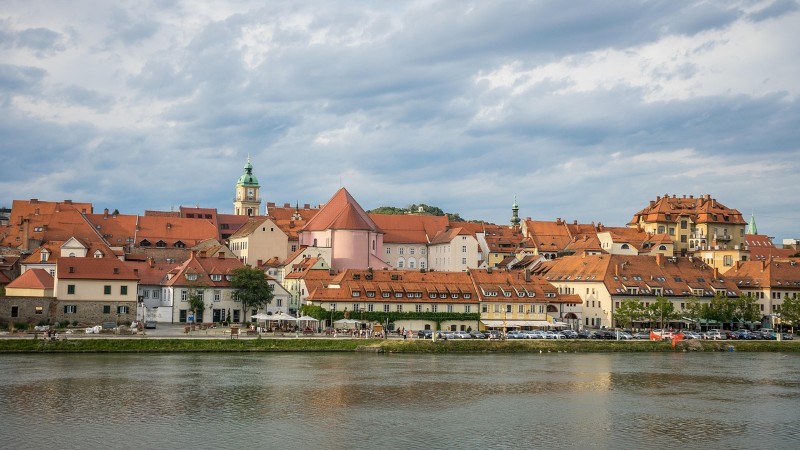
Maribor is Slovenia’s second-largest city, with a population of around 100,000. It is often overlooked in favor of Ljubljana, but it offers a different lifestyle and feels less touristy. It is also close to Graz, Austria, giving it a slightly more Germanic influence.
The region is well known for its wine culture and is home to what is believed to be the world’s oldest vine. Maribor is also close to other interesting places, such as Ptuj, where Slovenia’s largest carnival takes place, and the Prekmurje region near the Hungarian border.
Best for:
- Expats on a lower budget
- People who want a quieter, less touristy city
- Outdoor enthusiasts who want cheaper access to activities
- Those open to commuting or working across the border (Austria)
Best Areas to Live in Maribor
- Center: A good choice for first-time expats or nomads. It is walkable and close to everything, including the bus and train stations. Compared to Ljubljana, it feels less crowded in summer. Prices are higher here, and apartments tend to be smaller.
- Lent: One of the most popular areas. It sits along the Drava River and has a historic feel. This is where you will find the oldest vine. There are cafés and restaurants along the river, and it feels like an extension of the city center.
- Tabor: A quieter residential area that is still close to the center. It is more suitable for families, with more green space and less noise. Housing is slightly cheaper and easier to find. It is also closer to the international school.
- Pobrežje: A more local area near the hospital. Rent is cheaper, and apartments are more spacious. It is less international, so it can feel a bit isolating, but it may suit those who want to integrate more with locals.
Cost of Living in Maribor
The cost of living in Maribor is significantly lower than in Ljubljana. Salaries are also lower, averaging around €1,600 to €1,800 per month. Many locals, especially in white-collar jobs, commute to Graz for better opportunities.
- Rent: about 30% cheaper than Ljubljana. Around €400 to €500 for a one-bedroom in the center, and as low as €300 outside the center
- Transport: around €35 per month, though many people rarely use it
- Groceries: similar to the rest of Slovenia
There is also much less competition for housing compared to Ljubljana and Koper. Some expats choose to live here and work in Graz, following the same pattern as locals.
For shopping, many residents go to Austria for more variety, similar to how people in Koper go to Italy.
Who Should Live in Maribor?
Maribor is a good choice for expats who want a lower cost of living in Slovenia. It is especially appealing if you are on a tighter budget but still want a comfortable lifestyle.
It also works well for people who enjoy outdoor activities. Pohorje is nearby for skiing in winter and hiking in summer. While it may not have the dramatic landscapes of Bled or Kranjska Gora, it is still very scenic and much more affordable.
The city is quieter than Ljubljana. There are still some social areas, especially around the center and Lent. Poštna Street is one of the more lively spots for younger people. However, nightlife is limited, and things tend to close earlier, even on weekends.
There is also an alternative area called Pekarna near Tabor. It used to be a military complex but is now a social and cultural center with concerts, art spaces, and NGOs. I stayed at a hostel there a few times, and it was a lot of fun. It is a bit rougher around the edges but less commercial and only about a 10-minute walk from the center.
Maribor can also work for families. It has an international school, the Leon Štukelj International School Maribor, and a bilingual IB high school. That said, it still offers fewer options compared to Ljubljana.
Nova Gorica
Nova Gorica is a unique city because it is directly connected to Gorizia in Italy on the other side of the border. It was recently named a shared “European Capital of Culture,” and the idea of it being a borderless city really fits. It has become increasingly popular with expats and digital nomads who want the best of both countries.
You can live on the Italian side and cross into Slovenia whenever you want a different atmosphere, or vice versa. Many beaches in Italy, such as Sistiana, are very easy to reach. Venice is only about 1.5 hours away by car, and many residents use Venice Airport instead of Ljubljana’s because it offers more international flights and budget airlines.
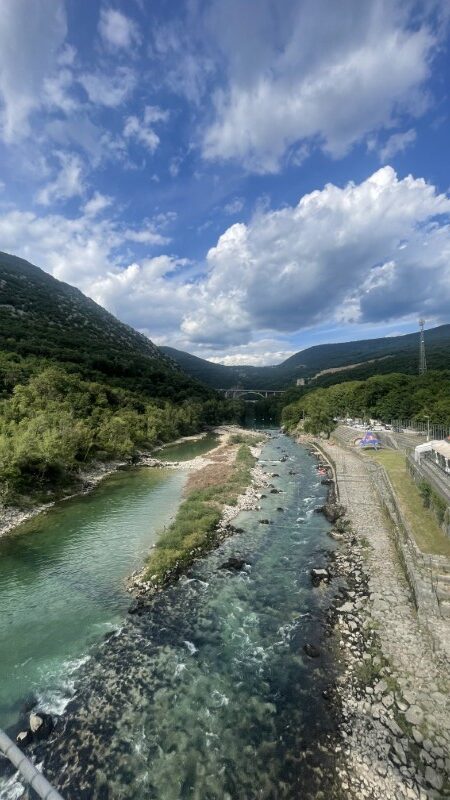
The city is also close to the Soča Valley, and the Soča River runs right past it, making it a great spot in summer.
Best for:
- Expats who want a cross-border lifestyle
- People who enjoy both Italian and Slovenian culture
- Those looking for a slower pace of life
- Nomads without children
Best Areas to Live in Nova Gorica
- Center: The most practical choice. It is closely connected to Gorizia, Italy, and has the most housing options. Everything is walkable, and for most newcomers, this is the best place to start.
- Rožna Dolina: A comfortable area near the university, with a younger and more international crowd. It is also close to the border, making cross-border travel easier.
- Kromberk: A quieter suburban area near the Soča River. It offers a good quality of life and slightly lower rent, but many people prefer having a car here. It is less international and can feel isolating at first.
Cost of Living in Nova Gorica
The cost of living in Nova Gorica sits between Maribor and Ljubljana.
- Rent: around €500 to €600 in the center, and about €100 less outside
- Transport: cheap, and the city is compact
- Food and dining: similar to the rest of Slovenia
One advantage is how easy it is to shop across the border. Since Gorizia is just a short walk away, many people regularly cross into Italy for groceries, restaurants, and shopping.
Who Should Live in Nova Gorica?
Nova Gorica is a good choice for expats who want a slower pace of life while still having access to both the Alps and the sea. You can reach the Italian Riviera and the Soča Valley within about 30 minutes.
It is especially appealing if you like cross-cultural living. You can have coffee in Italy in the morning and dinner in Slovenia in the evening. If you enjoy both cultures, this setup is hard to beat.
That said, it is better suited for expats or nomads without children. There are no strong international school options in the area, so children would need to attend Slovenian schools. This can work for younger kids, but it becomes more challenging for older ones.
Some families consider schools in Gorizia, Italy, but this requires more research, especially for non-EU citizens. If you are on a Slovenian digital nomad visa, enrolling a child in Italy may involve additional residency requirements. EU citizens generally have fewer issues, and some prefer Italian schools because the language is easier.
Honorable Mentions
There are a few other places worth considering in Slovenia that didn’t make the main list, but they are still worth looking into.
- Ptuj: My second favorite place in Slovenia after Ljubljana. It is the oldest town in the country, with a beautiful fortress surrounded by vineyards. It is known for its wine culture and annual carnival. I love spending time at MuziKafe in the city center. It is a great choice if you enjoy culture and a slower pace of life.
- Bled: One of the most famous destinations in Slovenia. Lake Bled is stunning, and nearby Lake Bohinj is just as impressive. Many people visit and end up staying. It can be expensive and crowded, especially during peak season, but if you move slightly away from the lake, it feels much more like a normal town.
- Izola: Located between Koper and Piran, this is my personal favorite spot on the Slovenian coast. It is less touristy than Piran and more visually appealing than Koper’s coastline. It offers a relaxed coastal lifestyle without the heavy crowds.
How to Choose Where to Live in Slovenia
By now, you’ve probably realized there’s no single “best” place to live in Slovenia. It really depends on your lifestyle, budget, and what you value day to day.
Here’s a simple way to think about it:
- If you want the most options and social life: Ljubljana
- If you want to save money: Maribor
- If you want to live by the sea: Koper
- If you love outdoor sports and a quieter lifestyle: Kranj
- If you want a cross-border lifestyle: Nova Gorica
Slovenia is small, which makes this decision easier. Even if you don’t pick Ljubljana, you’re never too far from it.

My Personal Take
If it’s your first time moving to Slovenia, I would still recommend starting in Ljubljana. It gives you the easiest transition, the most community, and the most flexibility.
From there, you can always explore other cities once you understand the country better.
That said, if you already know what you want, Slovenia is one of the few countries where you can really shape your lifestyle based on location. Whether that’s living by the sea, near the Alps, or right on the Italian border, it’s all within reach.