This article will take approximately 15 minutes to read. Don't have the time right now? No worries. Email the ad-free version of the article to yourself and read it later!
Panama City has a modern metro, abundant rideshare apps, and one of the best-connected bus terminals in Central America. Outside the capital, public transport thins quickly and a car becomes a practical necessity. Here’s every option, what it costs, and how expats actually use each one.
Transport in Panama is really two conversations: Panama City, and everywhere else. Within the capital, a combination of Uber or DiDi and the metro handles most daily needs comfortably. Head toward Boquete, the Pacific beaches, or the Chiriquí highlands, and the calculus flips: without your own vehicle, you’re dependent on buses with irregular schedules and taxis with no meters.
Most expats in Panama City manage perfectly well without a car for the first few months, and some long-term residents never bother getting one. Most expats outside the capital own one.
Disclaimer: This article may include links to products or services offered by ExpatDen's partners, which give us commissions when you click on them. Although this may influence how they appear in the text, we only recommend solutions that we would use in your situation. Read more in our Advertising Disclosure.
Contents
Key Takeaways
- Panama City has a Metro (Line 1: US$0.35, Line 2: US$0.50, cross-line transfer: US$0.85), an integrated Metrobus, and wide Uber/DiDi/inDrive coverage that together cover most expat transport needs.
- Taxis in Panama City have no meters. Fares are negotiated, overcharging is common, and hotel taxis are typically 2 to 3 times the going rate. Use rideshare apps instead.
- Intercity buses run from Albrook Terminal to David (US$15 to US$20, ~7 hours), Colón (US$3 to US$5, ~1.5 hours), and other destinations on fixed schedules.
- Domestic flights via Air Panama serve Bocas del Toro, David, Contadora, and San Blas for US$60 to US$150 one way.
- Outside Panama City, public transport is limited. Most expats in beach communities, highland areas, and smaller towns own a car.
Getting Around Panama City
Panama City’s transport ecosystem is more developed than most visitors expect for a Central American capital. You have a subway, a subsidized bus network, and mature rideshare apps, all operating simultaneously.
The practical day-to-day approach for most expats: Uber or DiDi for destinations off the metro corridor, the metro for direct journeys along its route, and Metrobus for shorter neighborhood hops. A personal car is optional within the city and often a liability during rush-hour traffic.
The Metro and Metrobus
The Metrobus is an integrated subsidized bus network that extends metro coverage to neighborhoods the train doesn’t reach. Buses cover a wide geographic area but can be crowded during rush hours and schedules are less predictable than the train.
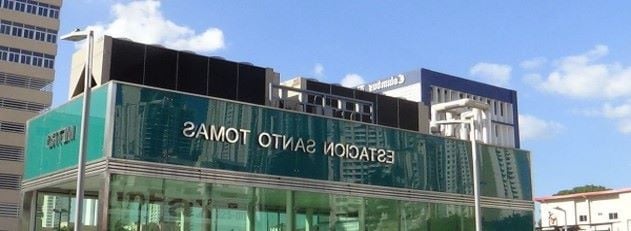
The Metro de Panamá is a modern, air-conditioned subway system with two operating lines:
- Line 1 (Red): Runs east-west from Albrook Bus Terminal through the city center to San Isidro. Covers key expat zones: Albrook, Central, Via España, and connects to major commercial areas.
- Line 2 (Orange): Runs north from Nuevo Tocumen toward the city center, serving residential areas in the northeast and connecting to Line 1 at San Miguelito.
Fares
Line 1 costs US$0.35 per trip. Line 2 costs US$0.50 per trip. If your journey crosses both lines, the total fare is US$0.85. Seniors and persons with disabilities ride free or at reduced cost.
Payment
A rechargeable Metro Card (Tarjeta Metro) is required. Cash is not accepted at the turnstile. Cards are purchased and topped up at any station for US$2 initial cost. The same card works on both the Metro and Metrobus.
Hours
Weekdays 5am to 11pm, Saturdays 5am to 10pm, Sundays and public holidays 7am to 10pm. Clean, air-conditioned, and generally safe. The metro is one of Panama City’s better urban investments.
Tip: The metro’s air conditioning is aggressive. It can be noticeably cold on long journeys during Panama’s hot season, so a light layer is worth carrying for regular metro commuters.
Uber, DiDi, and inDrive
Rideshare apps are the default transport choice for most expats in Panama City, for several reasons: transparent pricing, driver identification, route tracking, and the ability to pay by card or cash without negotiation.
There are three main options available:
- Uber is well-established and widely available throughout Panama City, David, and La Chorrera. The interface is identical to Uber elsewhere. Pricing shows before you confirm, and routes are recorded, which is useful for safety after dark.
- DiDi is Uber’s main competitor in Panama and in some areas is cheaper. Most expats install both and check prices before requesting.
- inDrive is a third option worth installing. Unlike Uber and DiDi, inDrive lets you propose your own fare; drivers accept or counter-offer. It tends to produce the lowest prices on longer trips.
A typical Panama City journey runs US$3 to US$12 depending on distance and demand. Airport runs to Tocumen typically run US$25 to US$35 from central Panama City during normal hours. Surge pricing applies during peak demand and rain. In other words, prices climb when a lot of people are requesting rides at once.
Tip: Rideshare apps are the only transport option worth using after dark in Panama City. Never hail an unregistered taxi off the street at night. Uber, DiDi, and inDrive all have driver verification, live route sharing, and trip recording.
Taxis
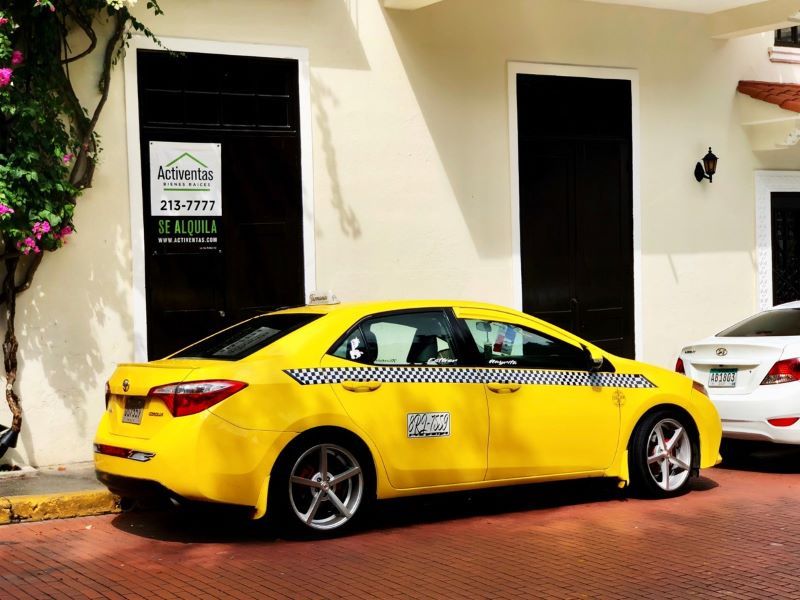
Panama City’s yellow taxis are numerous and available throughout the city, but they come with important caveats.
- No meters. Taxis in Panama don’t use meters. The fare is negotiated before you get in. If you don’t agree on a price upfront, expect a dispute at the destination. Ask ¿cuánto cuesta? before entering any taxi.
- Overcharging is common. Locals know approximate going rates for common routes (US$2 to US$5 for most in-city trips). New expats who don’t know the rates regularly pay 2 to 4 times more. Hotel-rank taxis specifically target arrivals who haven’t yet learned the rates. Most expats stop using street taxis after the first few overcharging experiences and default to apps instead.
When taxis make sense: When you need a vehicle immediately and have no smartphone, when Uber/DiDi surge prices are high, or for very short trips where a rideshare minimum fare applies. For everything else, apps are more transparent and often no more expensive.
Intercity and Regional Travel
There are many ways you can get around Panama with intercity and regional travel.
Long-Distance Buses from Albrook Terminal
Albrook Bus Terminal (Gran Terminal de Transportes) is Panama City’s main intercity bus hub, located near Albrook Mall and the metro’s Line 1. It’s large, organized, and well-maintained by Central American standards. Tickets are purchased at the terminal; online booking is available for some routes.
Key routes and approximate fares:

| Route | Duration | Fare |
|---|---|---|
| Panama City to David | ~7 hours | US$15 to US$20 |
| Panama City to Colón | ~1.5 hours | US$3 to US$5 |
| Panama City to Santiago | ~3 hours | US$8 to US$12 |
| Panama City to Chitré / Las Tablas | 3 to 4 hours | US$8 to US$12 |
| Panama City to Almirante (for Bocas del Toro) | ~8 hours | ~US$30 |
Buses range from basic (no air conditioning) to executive class (air conditioning, reserved seats). For long routes, book executive class; the price difference is small and the comfort matters on a 7-hour journey.
The Bocas del Toro route requires a connection: bus to Almirante (~US$30, ~8 hours), then a water taxi to Bocas Town (~US$6, 30 minutes).
Domestic Flights
Air Panama operates domestic flights connecting Panama City to several destinations. Flights depart from Albrook Marcos A. Gelabert Airport, which is separate from Tocumen International. The two airports are about 30 minutes apart; confirm which one you need before booking.
- Bocas del Toro: 45-minute flight vs. 8 to 9 hours overland; typically US$70 to US$120 one way.
- David / Enrique Malek Airport: 45-minute flight vs. 7 hours by bus; US$70 to US$130 one way.
- Contadora Island: 20 minutes; US$60 to US$100 one way.
- San Blas / Guna Yala: Small-plane flights to various island airstrips; US$80 to US$150 one way.
For Bocas del Toro especially, the flight turns an exhausting full-day overland journey into a 45-minute trip. Expats in Boquete often fly to Panama City for medical appointments or embassy visits rather than taking the 7-hour bus.
Please note that baggage allowances on domestic flights are strict, so confirm with Air Panama before booking. It’s also a good idea to book directly on the Air Panama website since third-party sites don’t always have accurate availability.
Transportation Outside Panama City
When getting around outside of Panama City, your options are much more limited.
Boquete and the Western Highlands
Boquete itself is walkable for daily errands within the town center. Taxis circulate and in-town trips run US$2 to US$5. Tourist shuttles connect Boquete to David Airport for onward flights or bus connections.
For properties outside the town center (which describes most expats who move to Boquete for its rural setting), a car is necessary. Highland roads require reliable transport, particularly in rainy season. Most full-time Boquete residents own a vehicle.
David (Chiriquí Province)
David is Panama’s second city with a functioning local bus network, abundant taxis, and Uber coverage. Within the city, public transport is practical.
To reach Boquete, Volcán, or beach communities in the region, private transport is the only realistic option. David also has a domestic airport (Enrique Malek) with daily flights to Panama City.
Coronado and the Pacific Beach Communities
The Pacific Riviera communities (Coronado, Santa Clara, Pedasí) have local taxis and some rental car availability, but no meaningful public transport. Expats who live here almost universally own a car.
The Pan-American Highway connects these communities to Panama City in 45 minutes to 2 hours depending on location, making day trips to the capital straightforward.
Bocas del Toro Archipelago
On the islands, there are almost no cars. Transport between Bocas Town on Isla Colón and the other islands is by water taxi: dugout canoes with outboard motors or covered launches. Within Bocas Town, walking and bicycle are the primary modes. Bicycles are cheap to rent throughout the town.
Water taxis between islands run US$1 to US$8 depending on distance.
Azuero Peninsula (Chitré, Las Tablas, Pedasí)
The Azuero has a local bus network and abundant taxis in the main towns. For anyone living outside town centers (most expats who choose the Azuero do so for its rural atmosphere), a car is essential. Roads throughout the peninsula are paved and in reasonable condition.
Should You Own a Car in Panama?
The answer depends on where you live.
- Panama City apartment dweller: A car is often more trouble than it’s worth. Rush-hour traffic is bad, parking in commercial districts costs US$1 to US$3 per hour, and Uber/DiDi handle point-to-point needs cleanly. Many Panama City expats go 6 to 12 months without a car, then decide based on actual lifestyle whether they need one. A car becomes valuable for weekend trips, beach runs, and big-box store errands, not daily commuting.
- Highland or beach community resident: Own a car. There’s no practical alternative for grocery runs, medical appointments, airport trips, and getting in and out of rural properties. A reliable 4WD or AWD is worth the price premium in highland areas where rainy-season road conditions can be demanding.
New and used vehicles are available throughout Panama. Japanese brands (Toyota, Honda) are the most popular for reliability and parts availability. Import duties make vehicles more expensive than US prices; buying a lightly used vehicle locally is usually better value than shipping from abroad. Encuentra24 is the main classified marketplace for used vehicles.
See our guide to driving in Panama for road rules, regional road conditions, and everything on driving as a foreigner.
Transportation Tips from Expats
Install Uber, DiDi, and inDrive before you arrive. All three operate in Panama City, with different driver availability by neighborhood and time of day. Having all three takes two minutes and costs nothing. Check prices across apps before requesting; the difference is sometimes significant.
Never use hotel-rank taxis at Tocumen Airport or major hotels. These drivers specifically target newly arrived passengers who don’t know the going rates. Use Uber or DiDi from the arrivals area. It takes a few extra minutes to reach the rideshare pickup zone but saves US$10 to US$20 compared to an airport taxi.
Buy a Metro Card on your first day in Panama City. The US$2 card pays for itself on the first metro ride and works on Metrobus too.
For Bocas del Toro, fly. The 8 to 9 hour overland journey via bus to Almirante plus water taxi is manageable once as an experience; it’s not a routine commute. The Air Panama flight takes 45 minutes and costs US$70 to US$120. For anyone traveling to Bocas more than once, the flight pays for itself in time and comfort.
Budget for surge pricing in rainy season. When it rains in Panama City, Uber prices surge and driver availability drops simultaneously. Having metro or bus routes as a backup for routine journeys during heavy rain saves money and frustration.
Frequently Asked Questions
How does the Panama City metro compare to other Latin American systems?
It’s modern, clean, reliably air-conditioned, and well-maintained, and one of the better metro systems in the region. Limited to two lines currently, so coverage isn’t comprehensive, but within its corridor it’s efficient and at US$0.35 to US$0.50 per trip depending on the line, outstanding value.
Can I use Google Maps or Waze for getting around?
Yes. Waze is the preferred navigation app for driving in Panama; it has active local contributors who mark accidents, police checkpoints, and road closures in real time, which is useful for avoiding Panama City’s predictable bottlenecks. Google Maps works well for transit directions including metro and bus routes.
Is there a fast train between Panama City and Colón?
The Panama Canal Railway runs a historic train between Panama City and Colón used primarily by cruise ship passengers on day excursions. It runs once each direction per day and is not a practical commuter service. Regular travel between the two cities is by car (~1.5 hours) or bus from Albrook.
How do I get from Tocumen Airport to Panama City?
Uber or DiDi are the cleanest options, at approximately US$25 to US$35 to central Panama City with transparent pricing and GPS tracking. Official airport taxis are available at a set tariff zone structure from the arrivals hall; ask for the official rate card before accepting. Avoid drivers approaching you inside the arrivals hall; these are typically unlicensed and overcharge.
Is public transport safe in Panama City?
The metro and Metrobus are safe during the day and early evening. Standard urban precautions apply: keep your phone in your pocket in crowded buses, stay aware of your surroundings. After dark, rideshare apps are the better option over public buses for routes through less familiar neighborhoods.








'/%3E%3Cpath%20fill='%23b2b2b2'%20d='M241%20382q0%2016%2017%2026%2017%2011%2042%2011t42-11q16-11%2017-26V269H241'/%3E%3Cpath%20fill='%239f7e00'%20d='M241%20379q0%2014%208%2023%209%209%2021%209%2014%200%2021-9%209-9%209-23V269h-59'/%3E%3Cpath%20d='M241%20339v-70h59v110q0%2014-9%2023l-6%205v-68h-15v72q-8%200-14-4v-68zm59%2040c0%2022%2015%2032%2029%2032%2021%200%2030-18%2030-32v-40h-59'/%3E%3Cpath%20fill='%239f7e00'%20d='M266%20277v5h2v12h-3v-5h2v-5h-9v5h2v5h-4v9h3v18h-5v10h34v-10h-5v-18h3v-9h-4v-5h2v-5h-9v5h2v5h-3v-12h2v-5zm42%20101q0%2010%206%2017%206%206%2015%207%2010-1%2016-7%206-7%206-17v-29h-43'/%3E%3Ccircle%20fill='%230044ad'%20cx='329.5'%20cy='372'%20r='6'/%3E%3Cellipse%20fill='%230044ad'%20cx='300'%20cy='340'%20rx='16'%20ry='21'/%3E%3C/svg%3E) Español:
Español: Deutsch:
 Français: