This article will take approximately 17 minutes to read. Don't have the time right now? No worries. Email the ad-free version of the article to yourself and read it later!
Panama’s internet is fast in the city and unreliable in the countryside, and the provider you choose matters as much as the plan. Here’s how Tigo and Más Móvil compare, what speeds you can realistically expect, and what to check before you sign a lease.
One of the first questions I hear from remote workers considering Panama is whether the internet can support their work. In Panama City: yes, easily. In Boquete or a Pacific beach community: usually fine, with caveats. In Bocas del Toro or a rural highland property: it depends, and you need to test the specific address before committing.
The frustrating reality is that two apartments on the same street can have dramatically different connection quality depending on which provider serves that building. Asking your potential landlord which provider and what speeds the unit actually gets is not optional; it is the most important question you can ask before signing anything.
Disclaimer: This article may include links to products or services offered by ExpatDen's partners, which give us commissions when you click on them. Although this may influence how they appear in the text, we only recommend solutions that we would use in your situation. Read more in our Advertising Disclosure.
Contents
Key Takeaways
- Two providers dominate: Tigo and Más Móvil (the rebranded Cable & Wireless, which absorbed Claro in 2022). Both offer fiber in Panama City and major towns.
- Más Móvil standalone fiber plans start around US$36/month for 300 Mbps with symmetric speeds; bundle plans (with TV and phone) start around US$52/month. Tigo bundles start around US$43 for 300 Mbps and go up to 1 Gbps.
- Real-world speeds in Panama City typically run 50 to 320 Mbps; Boquete gets up to 600 Mbps with the right provider; Bocas del Toro and rural areas may cap at 3 to 20 Mbps.
- Power outages cause internet interruptions. Plan for a UPS (uninterruptible power supply) or a mobile hotspot backup if your work is time-sensitive.
- For rural or underserved locations, Starlink is the practical backup and increasingly the primary option.
The Two Main Internet Providers in Panama
Panama’s residential internet market is effectively a two-horse race. Understanding each provider’s strengths before you choose a neighborhood or apartment will save you considerable frustration.
Tigo

Tigo is Panama’s largest telecom company and the dominant choice in Panama City. Its fiber network covers the capital thoroughly and extends to David, Boquete, and most major towns. Tigo also leads in mobile 4G/5G coverage, which matters for backup connectivity. (Tigo itself is the rebranded Cable Onda, which Millicom acquired and fully transitioned to the Tigo brand in 2021.)
- Strengths: Widest coverage footprint; largest customer service network; fiber consistently available in Panama City neighborhoods; strong 4G coverage nationally.
- Weaknesses: Customer service can be slow to resolve outages; bundle pricing requires taking TV channels you may not want; speeds outside the capital vary more than advertised.
Más Móvil
Más Móvil is the rebranded Cable & Wireless Panama, which also absorbed Claro Panama in July 2022. It is Tigo’s main competitor and in some areas outperforms it on speed. Más Móvil is particularly strong outside Panama City: it often has better fiber coverage in secondary cities and towns than Tigo, and its pricing structure is more transparent.
The symmetric fiber speeds (upload equals download) make it the preferred choice for video calls and file uploads.
- Strengths: Symmetric speeds (critical for remote workers who upload large files or run video calls); free installation; stronger coverage in areas like Bocas del Toro where Tigo is weak; competitive pricing.
- Weaknesses: Customer support has historically lagged Tigo in responsiveness; coverage gaps in some rural areas where Tigo has more infrastructure.
Which Provider to Choose
Check which provider has fiber in the specific building you are considering. This is the most important part since Más Móvil or Tigo might not be available to your location.
If both are available:
- Más Móvil is generally the better choice for remote workers who upload frequently. Their symmetric upload/download speeds are worth paying a small premium for.
- Tigo is comparable for streaming, browsing, and basic video calls.
Before signing a lease, you can ask the building administrator or current tenants which provider they use and what actual speeds they get during peak hours (7pm to 10pm). Advertised speeds and real-world speeds can differ significantly in older buildings with shared infrastructure. The same checks apply when you are renting an apartment in Panama City.
Home Internet Plans and Prices
Both providers sell residential fiber in speed tiers, either as standalone internet or bundled with TV and a home phone line. The pricing below reflects promotional rates as of June 2026 and excludes ITBMS, Panama’s 7% value-added tax.
| Provider | Plan | Approx. price/month | Included | Symmetric* |
|---|---|---|---|---|
| Más Móvil | 300 Mbps standalone | US$36 | Internet + 200 min fixed-line calls, free install | Yes |
| Más Móvil | 600 Mbps standalone | US$39 | Internet + 200 min, free install | Yes |
| Más Móvil | 300 Mbps bundle | US$52 | + 26 TV channels | Yes |
| Más Móvil | 600 Mbps bundle | US$55 | + 216 TV channels | Yes |
| Tigo | 300 Mbps bundle | US$43 | Internet + 150 TV channels | No |
| Tigo | 400 Mbps combo | US$57 | + 222 TV channels + home phone | No |
| Tigo | 500 Mbps and above | From bundle base | Free installation on higher tiers | No |
*Every Más Móvil fiber plan runs the same speed up and down, which matters if you upload large files or spend your day on video calls. Tigo’s standard plans are asymmetric, with download faster than upload. This means if you need good upload speed Más Móvil has the edge. But for pure download speed, Tigo is more affordable.
For current pricing, check masmovilpanama.com and tigo.com.pa directly.
Internet Speed
Panama has the fastest fixed broadband in Central America. The national median download speed sits around 197 Mbps, with the average closer to 220 Mbps, which puts the country roughly 26th in the world and first in the region on Ookla’s Speedtest Global Index. For most remote work, that is more than enough headroom.
That national figure is flattered by the capital. Panama City routinely delivers 200 Mbps and up on fiber, while rural highland and island connections pull the real-world experience far below the average. The number that matters is the speed at your specific address, not the country ranking.
Mobile data is the weak spot. Panama’s median mobile download speed is only around 31 Mbps, near the bottom of Central America and well outside the global top 90. A mobile SIM is a fine backup for an hour-long outage, but it is not a substitute for a fixed fiber line if your income depends on the connection.
Upload speed is the figure remote workers underestimate. Video calls, cloud backups, and large file transfers all lean on upload, and this is where Más Móvil’s symmetric fiber pulls ahead of Tigo’s asymmetric plans at the same headline speed.
Reliability and Outages
Panama experiences more internet outages than most expats from North America or Europe are accustomed to. Power cuts are the primary cause: when the electricity goes, the modem goes with it. Depending on where you live, power interruptions range from twice a month in stable urban areas to several times a week in rural or coastal communities.
In rainy season (May through December), outages increase. Flooding, downed lines, and transformer issues all contribute. Panama City’s infrastructure is more resilient than outlying areas, but even the capital has occasional multi-hour disruptions.
If your work requires uninterrupted connectivity, consider these options:

- UPS (uninterruptible power supply): keeps your modem and router running for 30 to 60 minutes during power cuts, buying time for most brief outages
- Mobile hotspot backup: a Tigo or Más Móvil prepaid data SIM for your phone or a dedicated hotspot device provides a fallback when your home connection is down
- Two-provider setup: if both Tigo and Más Móvil serve your building, installing both and routing your devices to whichever is up is the most reliable approach
- Starlink: satellite-based, so immune to local infrastructure failures; the best backup for remote properties
Internet Outside the Cities
Internet quality in Panama drops sharply once you leave urban areas. Here is what to realistically expect by region.
Panama City and Major Towns
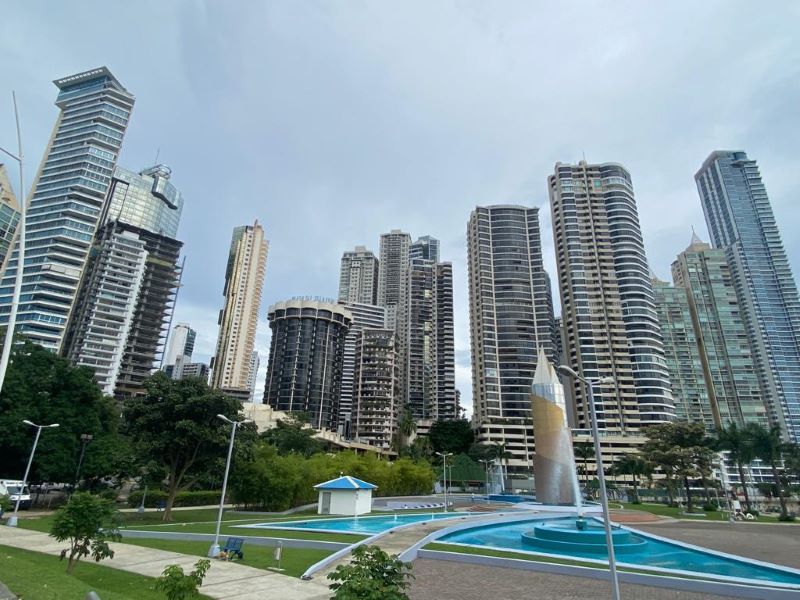
Panama City has the strongest internet in the country. Fiber is widely available across established neighborhoods including Marbella and Costa del Este, with average download speeds of 218 to 320 Mbps. Peak-hour speeds typically drop by 20 to 30% but remain workable. Both Tigo and Más Móvil have solid fiber coverage throughout the capital.

Boquete and Highland Areas
Boquete has better internet than most expats expect. Tigo and Más Móvil both offer fiber in the town center, with speeds reaching up to 600 Mbps on the better plans. Gated communities generally have their own fiber infrastructure. Outside the town center and in more rural valley properties, speeds can drop to 20 to 100 Mbps. A bundled fiber plan in Boquete runs around US$64 to US$65/month.
Coronado and Pacific Beach Communities
Coronado itself has adequate service. Established gated communities have good fiber access through Tigo or Más Móvil. Smaller beach communities along the Pacific coast are more variable: some have solid fiber, others run on slower cable or mobile broadband. Test speeds at the specific address, not just the town.
Bocas del Toro and Remote Areas
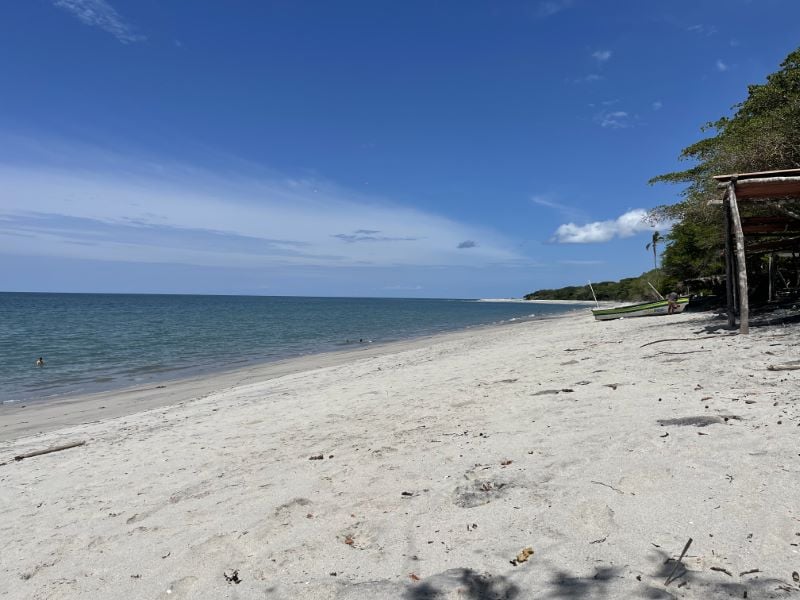
Bocas del Toro is a known weak spot. Maximum speeds in most of the archipelago run 3 to 7 Mbps, at prices that feel punishing: some plans run US$99/month for that level of service. The 2025 banana-worker protests resulted in the Panamanian government ordering internet shutdowns in the region on multiple occasions, a reminder that connectivity here carries political as well as technical risks.
Rural highland properties, remote beach locations, and inland agricultural areas typically see 1 to 20 Mbps from whoever provides service. In these locations, Starlink has become the preferred solution: a one-time hardware cost of around US$300 to US$500 followed by a monthly service fee of roughly US$120, with speeds of 50 to 200 Mbps that are independent of local infrastructure.
The Application Process
Getting internet installed in Panama is generally straightforward once you have an address and basic documentation. Here is how it works for each provider.
Applying with Tigo
Tigo accepts new residential service requests entirely through digital channels. You can apply via their website, WhatsApp, or social media. There is no requirement to visit a store.
What you typically need:
- Panamanian address (must be service-eligible)
- Valid ID (passport for foreigners)
- Cédula or residency document (for residents; tourists typically need to show a rental contract)
- Contact phone number and email
Installation is scheduled after your application is verified. Free installation applies on plans from 500 Mbps and above. For lower-tier plans, confirm installation costs when you apply: these can run US$50 to US$100 depending on the installation complexity.
Tip: Tigo’s WhatsApp sales line is often faster than the website form. Search for “Tigo Panama” on WhatsApp Business to start a chat directly with their residential sales team.
Applying with Más Móvil
Más Móvil advertises free installation for all fiber plans. Applications go through their website or by calling their sales line. The process is similar to Tigo.
Required documents are the same: valid ID, proof of address (rental contract or utility bill), and contact details. Renters do not need the landlord’s permission to add internet service, but confirming the apartment has cable conduit run to it saves everyone time.
Tip: Más Móvil’s promotional bundles (internet + TV + phone) are often better value than the standalone internet plan, even if you do not plan to use the TV channels. Check both options when you request a quote: the bundle can be cheaper than standalone fiber at the same speed tier.
A note on contracts: both providers offer month-to-month options and 12 to 24-month contracts. Contracts typically lock in pricing; month-to-month plans allow cancellation without penalty but may cost slightly more. If you are on a tourist visa or short stay, confirm you can sign up without a residency permit. Both providers generally allow this with a passport and rental contract, but staff at the point of sale sometimes require a cédula. Escalating to a supervisor usually resolves this.

How to Choose the Right Setup
A practical framework for different expat situations:
- Remote worker in Panama City: Más Móvil fiber for symmetric speeds, Tigo mobile SIM as backup. Either at 300 Mbps or above. Budget US$40 to US$60/month total.
- Remote worker in Boquete: confirm fiber availability at your specific address; both providers are present. Budget US$65/month for a bundled fiber plan. Keep a mobile data SIM.
- Retiree in Coronado: any fiber plan from either provider. Speed matters less; reliability matters more. Ask neighbors which provider they use.
- Remote property (rural, coastal islands): Starlink is the most reliable primary connection. Budget US$120/month service plus US$300 to US$500 hardware. Supplement with mobile data.
- Digital nomad, short stay: Más Móvil or Tigo prepaid SIM (US$7 to US$15 for 10 days of data) plus the apartment’s existing connection. No need to install your own service for stays under 2 months.
Read more:
Extra Tips on Internet in Panama
Check the building, not just the neighborhood. Just because Tigo or Más Móvil serves an area does not mean your specific apartment has a live, full-speed connection. Some older buildings have outdated wiring that limits the speed you can actually receive, regardless of what the provider advertises for the area. Confirm the line is active in the unit before you sign.
Always set up a backup connection. One outage during a client call is a minor inconvenience. Regular outages during work hours are a business problem. Every remote worker in Panama should keep at minimum a mobile data SIM as a fallback. A UPS for the modem costs under US$100 and pays for itself the first time it bridges a power cut during a critical meeting.
Test the connection before committing to a rural property. Expats who pick remote locations for lifestyle and then discover the internet is inadequate for work face an expensive relocation. Visit, test the actual connection at the property, and run a speed test during peak hours (evenings) before signing a lease.
Factor in the risk of shutdowns in Bocas del Toro. The government ordered internet shutdowns in the region multiple times during the 2025 banana-worker protests. If your work requires connectivity that cannot be interrupted by government order, weigh this before settling there.
Frequently Asked Questions
Which provider is better, Tigo or Más Móvil?
In Panama City, they are roughly comparable. For remote workers who upload frequently, Más Móvil’s symmetric speeds are an advantage. Outside the capital, check which provider actually has fiber at your specific address: that matters more than brand preference.
Can I get internet on a tourist visa?
Generally yes, with a passport and rental contract. Both providers technically require a cédula or residency document, but staff at sales channels often process tourist applications with a passport. If you encounter resistance, ask to speak with a supervisor or apply through the other provider.
How long does installation take?
Más Móvil advertises free installation for all fiber plans, typically within a few business days. Tigo typically takes 3 to 7 business days. Delays of up to 2 weeks are reported in high-demand periods.
Is Starlink available in Panama?
Yes. Starlink operates in Panama and is the preferred solution for rural areas. Hardware costs US$300 to US$500; monthly service runs approximately US$120. Speeds of 50 to 200 Mbps are typical.
Does internet work during Panama’s rainy season?
Most fiber connections are unaffected by rain itself. Power outages caused by storms are the main issue. A UPS for your modem resolves most brief interruptions.
What are realistic speeds in Panama City?
50 to 320 Mbps average download during daytime hours; peak-hour speeds drop by 20 to 30% but remain more than adequate for remote work. Fiber plans at 300 Mbps and above deliver consistent performance for video calls, streaming, and file transfers.








'/%3E%3Cpath%20fill='%23b2b2b2'%20d='M241%20382q0%2016%2017%2026%2017%2011%2042%2011t42-11q16-11%2017-26V269H241'/%3E%3Cpath%20fill='%239f7e00'%20d='M241%20379q0%2014%208%2023%209%209%2021%209%2014%200%2021-9%209-9%209-23V269h-59'/%3E%3Cpath%20d='M241%20339v-70h59v110q0%2014-9%2023l-6%205v-68h-15v72q-8%200-14-4v-68zm59%2040c0%2022%2015%2032%2029%2032%2021%200%2030-18%2030-32v-40h-59'/%3E%3Cpath%20fill='%239f7e00'%20d='M266%20277v5h2v12h-3v-5h2v-5h-9v5h2v5h-4v9h3v18h-5v10h34v-10h-5v-18h3v-9h-4v-5h2v-5h-9v5h2v5h-3v-12h2v-5zm42%20101q0%2010%206%2017%206%206%2015%207%2010-1%2016-7%206-7%206-17v-29h-43'/%3E%3Ccircle%20fill='%230044ad'%20cx='329.5'%20cy='372'%20r='6'/%3E%3Cellipse%20fill='%230044ad'%20cx='300'%20cy='340'%20rx='16'%20ry='21'/%3E%3C/svg%3E) Español:
Español: Français:
 Deutsch: