This article will take approximately 40 minutes to read. Don't have the time right now? No worries. Email the ad-free version of the article to yourself and read it later!
A realistic, experience-based breakdown of the cost of living in Greece, covering rent, food, healthcare, transportation, visas, and lifestyle costs for expats, digital nomads, and families.
Greece is a very popular country for digital nomads as well as families looking for an affordable base in Southern Europe.
But before you start dreaming of sun kissed bays and blue and white houses, I want to make a small disclaimer that Greece is not like in the movies. While the islands can be incredible, they are also expensive and even though we get more sun than most European neighbors, Greece still has four seasons and a mild winter in the north and mainland parts of the country. This all means that where you choose to go and why will factor into your costs and expectations.
As someone who was born in Greece and returned after the Covid pandemic, I have both the local knowledge of what goes on behind the scenes, and the first hand experience of coming back after years abroad and needing to set up residency, bank accounts and register a business.
In this guide, I’ll cover what you can expect in terms of cost of living in Greece based on my experience living in multiple mainland cities and islands. I also draw from the experiences of friends and expats who have chosen to relocate to Greece in recent years, with or without a family.
Disclaimer: This article may include links to products or services offered by ExpatDen's partners, which give us commissions when you click on them. Although this may influence how they appear in the text, we only recommend solutions that we would use in your situation. Read more in our Advertising Disclosure.
Contents
Key Takeaways
- Greece’s cost of living varies dramatically by location, with mainland cities and lesser-known islands far cheaper than Athens, Mykonos, or Santorini.
- A single expat can live comfortably from about €1,100 per month on the low end, but a more realistic budget with travel and social life is €2,000–€3,000 per month.
- Housing is the biggest variable cost, and island rentals are highly seasonal, often requiring winter-only contracts or higher year-round rents.
- Utilities are usually not included in rent, and heating costs can be surprisingly high in winter, especially in older, poorly insulated buildings.
- Food quality is excellent, but supermarket prices are among the highest in Europe, making local markets and butchers key to keeping costs down.
- Public healthcare is affordable and accessible, but many expats choose private insurance, typically costing €40–€60 per month.
- Transportation can be very cheap if you walk and use public transit, but car ownership or frequent travel quickly increases monthly expenses.
- Visas such as the Digital Nomad Visa and FIP Visa add upfront and ongoing costs that should be factored into your first-year budget.
- For most newcomers, budgeting at least €20,000 for the first year provides a realistic and stress-free starting point in Greece.
Overview of the Cost of Living in Greece
As with most tourist-heavy countries, there is a big gap between tourist pricing and normal everyday costs when it comes to living in Greece.
I’ll do my best to share numbers and experiences based on real life, even though context can vary greatly. The first thing we’ll tackle is location.
Greece can be split into four categories:
- Mainland
- Islands
- Expensive mainland
- Expensive islands
For the sake of not making it complicated, I suggest that you make the distinction based on your knowledge of Greece in general. Most people, for example, know of Athens, Mykonos and Santorini. These would fall under expensive mainland and expensive island categories.
On the other hand, you have cities that fall below the radar and that most visitors wouldn’t have knowledge of like Kalamata in the Peloponnese or Kavala in the north. In terms of islands, you have Lesvos and Lemnos as big islands that are less known but have an all-year-round population, and more touristy islands like Crete and Rhodes.
The location you choose has a huge impact on the seasonality of prices and other issues that might come up.
For example, heating in the winter on an island goes quite high. Similarly, housing shortages on the islands make some landlords rent housing just for the winter months, so you don’t get to keep an all year-pricing on your rent.
The following table is a rough overview of expenses to expect per month.
| Rent | €500–€1,500 | Mainland cities on the lower end. Athens and popular islands for bigger houses on the higher end. |
| Heating | €40-€200 | Depends heavily on heating type. |
| Water | €5-€10 | Usually billed quarterly. |
| Internet | €30-€50 | One-year contract minimum is common. |
| Mobile Phone | €10-€40 | Prepaid on the low end, unlimited data on the high-end. |
| Groceries | €300-€400 | Shopping mix of supermarket and local market. |
| Coffee and drinks | €50-€150 per month | This is for daily takeaway coffee and social drinks once a week. |
| Transportation | €20-€100 | Walking + buses/taxis; cars add more |
| Health Insurance | €0-€60+ | Public only or private coverage |
| Gym/Fitness | €20-€60 per month | Best for annual deals. |
| Personal Care | €30-€70 | Hair, beauty, dentist averaged on a monthly cost per year |
| Entertainment and Travel | €50-300+ per month | Museums, short trips and island holidays |
| Total | €1,100 – €3,000 per month | As a single expat you can live comfortably on the low end but estimate at least €2000-€3000 if you want to travel . |
Housing in Greece
Housing in Greece can feel very different from what you may be used to, especially when it comes to older buildings, unfurnished apartments, and separate utility bills.
How Housing Works
Similar to most EU countries, Greece is facing a housing shortage in major cities meaning higher prices. For newcomers, expect to go through an agency or at least to reach out to a few while browsing listings online. Popular websites are Spitogatos and XE.
Most centrally located houses in major cities have more options for 1 or 2 bedroom houses. For US based people, the bathroom size is often an issue or part of the charm. Most houses are also rented unfurnished, even though it is not uncommon to find higher priced furnished options as well. You should also expect to find more apartment options inside or near cities and stand alone homes in the suburbs.

Both usually come without appliances, even though some of the newer options might have an oven or fridge.
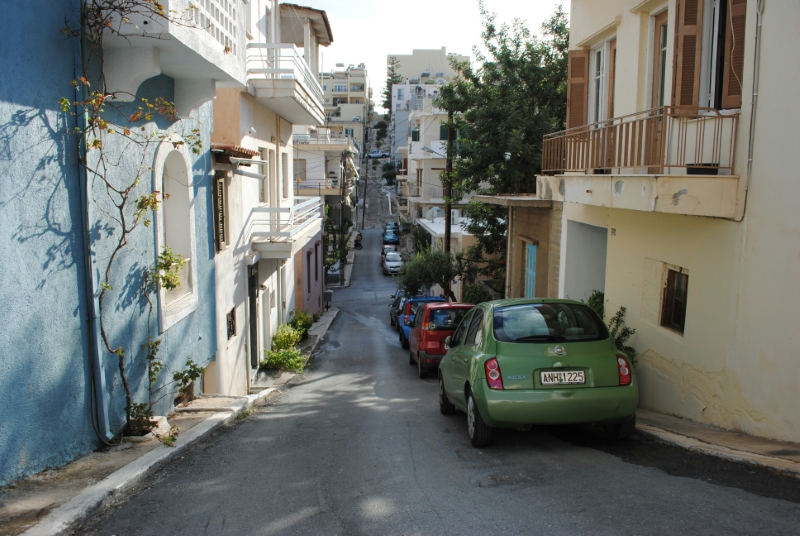
The cities of Greece tend to have narrow and crowded roads where parking is an issue, so keep in mind that parking is almost never included as part of a rental agreement either.
Other things to look out for are the price of the “koinoxrista”, the building expenses that are charged each month for the power, water, cleaning and elevator fees of the building. These tend to be different depending on which floor you are renting on and how big the apartment is.
If you go through a real estate agent, you are also expected to pay one month as commission and sometimes one extra month upfront to the landlord as a security deposit.

The other thing to note here is that flatting or housesharing is less common due to tax reasons (a complicated subject altogether) but the economic crisis has shifted perception on this front as well. If you are planning on sharing a flat, it is best to plan ahead as it is most common in areas with students such as Athens.
Renting in Athens
Renting in Athens is arguably different from renting in any other city in Greece. You’ll have the most options but also the highest prices. If you’re after city life and prefer to be within a half-hour metro ride of the city center, the most popular areas are Koukaki, Pangrati, and Kolonaki.
There are also high-end neighborhoods near the water, like Glyfada and Vouliagmeni, and others further north in the suburbs, such as Marousi and Chalandri. The average cost for a small one-bedroom apartment in Athens is over €500 per month, while a more realistic price for decent options ranges from €800 to €1,200.
The main advice here is to give yourself time to reach out to people, scout neighborhoods, and wait for the right opportunity. Visiting post–summer season will also give you the best timing to find deals.
Renting in Thessaloniki
Thessaloniki is the second-largest city in Greece and also one of the largest university student hubs in the country with Aristotle University. There are a lot of retirees living here too.
These drive demand and prices high and most buildings near or around the city center area date back to 1970. Rents however are slightly cheaper and the city is more compact with close access to the sea whether you choose to be near the center, or not.
When I lived in Thessaloniki, I paid €350 for a 60 sqm apartment on the third floor of an older building with no elevator and only one AC unit for heating.
Near the Kalamaria area, I paid €630 for a much larger—though equally old—120 sqm home with three bedrooms and a large living room. The building expenses for the first place were only €10 per month, whereas for the latter they were usually around €25 per month.
Renting on the Islands and in Smaller Cities
Having lived in Athens, Thessaloniki, and a couple of Greek islands, I would put the Greek islands in the category of high risk but high reward. Bigger islands with an economy outside of tourism, like Crete, tend to have more housing options, but demand becomes extremely high as soon as seasonal workers and tourists arrive.
This often means you may need to make a special agreement with the landlord to keep your apartment year-round.

For reference, a €300 tiny apartment in Rethymno will rent for €40 to €80 per night during the summer season, which runs from June to late September. Even if we assume it doesn’t get booked every day, that is still well over €1,000 per month for a very small place.
This incentivizes landlords to offer September–June rental agreements and keep the property available for short-term rentals during the summer.
Furnished Apartments Through Airbnb
A popular approach for some expats or newcomers is to look at what is listed on Airbnb and book something short-term until they find their footing. While this isn’t a bad strategy—and I also went this route initially—the prices are significantly inflated. For example, in Thessaloniki, a one-month stay near the center through Airbnb starts at €800, with most options closer to €1,200 per month for a small 30 sqm studio. If you only plan on staying in the country for 3–6 months, then this approach might work well. You can check out a few different properties and then discuss a reasonable price with the landlord directly, which will save you on paperwork and tax bureaucracy compared to renting long term. You also get a furnished place, so you don’t have to deal with extra expenses.
House Prices
Of course, there is also the option of buying a house instead of renting. This can be a great choice if you’re planning on staying long term or considering an investment property near a tourist area. The average price for an ordinary 60 sqm apartment in a non-premium area in Greece is upwards of €150,000, although some renovations might be needed.
While this isn’t an option for everyone due to tax requirements, bureaucracy, or personal preference, it’s worth noting that buying a property as a future investment—especially on a Greek island—can be a great opportunity and is still much cheaper than in many other countries.
If you’re American or a non-EU citizen, you’re allowed to stay in the country for 90 days within any 180-day period, so if you’re comfortable renting out the property for the rest of the year, this approach can work well.
Alternatively, there are several tax incentives for digital nomads at the moment, as well as the popular Golden Visa program, which requires a minimum property value that is higher but still achievable (typically €250,000–€400,000, depending on the area).
Extras
There are always little things we forget when it comes to basic home setup, such as streaming services and cable TV. While I’m not a huge Greek TV fan, the main channel networks are available on all devices. Don’t expect to find a lot of English-language programs, though. Instead, you might prefer adding a streaming service. Some Greek options worth considering are ERTFLIX and Vodafone TV, which give you access to popular TV shows and movies.
VPN
I never had much use for a VPN even while traveling between New Zealand and Greece but some of my US based friends rely on it to access certain subscriptions or government sites they need to visit. If you work from cafes or coworking spaces, you might want the extra layer of security.
Laundry
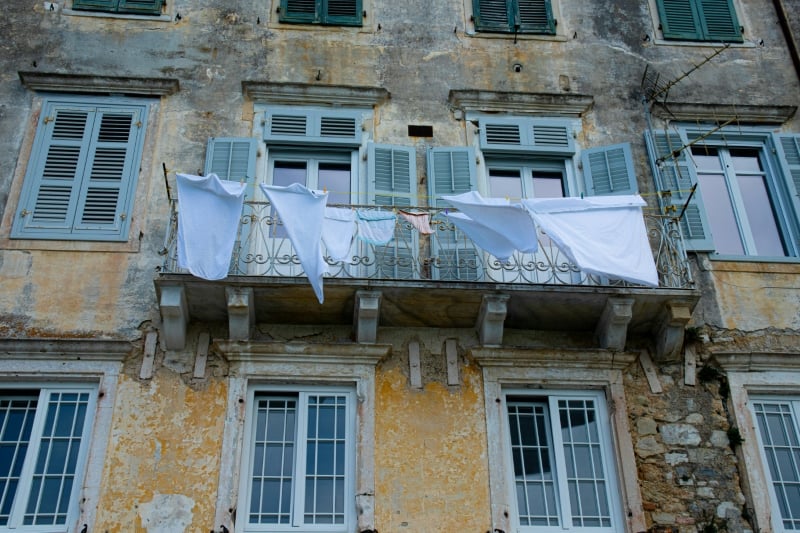
In terms of laundry, you’ll want to buy a washer and dryer. The latter is less common in Greek houses but you might find it if you rent a furnished apartment. Drying clothes in Greece is done the traditional way, with hanging clothes lines in balconies.
It’s not common to see communal washing machines in buildings either, but some touristy areas will have laundromats where you can buy coins and wash your clothes.
Cleaners
Having a cleaner come to your house once in a while to help is such a huge help, especially if you are living with family or want to avoid some of the more challenging spring cleaning tasks.
Finding cleaners in Greece is also quite easy, even though touristy locations with Airbnbs and hotels might increase competition. You are also often expected to keep a semi-consistent schedule such as every 2 weeks or every week on a set day, if you want to ensure they will have availability.
In recent years, there have been many platforms where you can book cleaners that are reviewed, verified and tested such as Douleutauras, but you can also go the word of mouth route.
Expect to pay €13 per hour for heavy-duty cleaning through platforms in major cities like Athens. You can also request ironing as an additional service.
In general, €8–€10 per hour is the standard rate you’ll find for regular cleaning.
Nannies
Another service you might not think of straight away is childcare — nannies and babysitters. Here, I rely on information from friends and family who have used nannies either short-term during their holiday in Greece or semi–long term while living here.
There is less demand — and less of a culture — for full-time live-in maids, but you will certainly find the most options in Athens. A daytime nanny for standard work hours will cost, on average, €400–€800 per month, but that number goes much higher through agencies or for nannies with specific language skills or professional qualifications.
As a general rule, I’ve seen rates above €18 per hour, going as high as €25, depending on the child’s age and activity requirements.
Essential Bills
Every country does bills a bit differently and in the case of Greece most expenses are not included in your monthly rent price. Here is what to expect.
Electricity
The main provider of electricity in the country is ΔΕΗ (DEI) but there are plenty of other providers as well. Heating is one of the things that confuses a lot of people because Greek buildings use several different systems, plus it gets a lot colder in some cities than you would expect.
For example, the north of Greece has an average of 55°F or 12°C for the colder winter months. But without insulation, those few windy colder nights will truly feel freezing.
Most older homes are heated with AC pumps — which sounds great, until you see the electricity bill go past €200 a month if you are running it constantly.
For reference, my small AC-only apartment generated bills of about €60 on average over the year, or €40 in the summer and €80–€100 in the winter, for two people with very conservative use. But I know some friends who run bills closer to €200–€300 per month, due to the fact that they were at home more or needed to run the heating for the kids.
The other thing you might see listed is central heating (kentriki thermansi). This means that the entire building is connected to a central heating system that controls the radiators, and there are set hours when it turns on (usually a few hours in the early morning and then a few hours in the evening). If you work non-standard hours or tend to be outside the house, this might not work well for you.
Newer apartments—especially in Athens and Thessaloniki—use fisiko aerio (natural gas) with individual boilers. These are generally the most efficient and cost-effective options; however, natural gas is not available everywhere. You’ll want to inquire about what type of heating the apartment or house uses before making a decision.
Water
Water bills are usually the least complicated or costly. Sometimes (although rarely) they are included as part of the rent. Water bills tend to arrive late during the first year of renting — often after six months or so, and then once every three months.
In general, I’ve never spent more than €5–€10 a month for water.
Internet
While Greece isn’t known as a top-speed internet country, you’ll still get by quite well. If you’re renting a serviced apartment, the internet tends to be reliable and included in the price. If you need to set up a high-speed internet package yourself, you’ll have to sign a contract with one of the main providers, such as Vodafone or Cosmote.
Note that you’ll usually need to commit to a minimum one-year contract depending on the plan, and typical prices range from €30 to €50 (or more) per month.
Cell Phone Plans
There is no getting around having a Greek SIM while in Greece — you’ll need it to call businesses or even for something as simple as confirming your taxi or delivery order. Plans for prepaid lines are generally very inexpensive. You can get set up for under €10 per month with unlimited calls and some data, but if you want unlimited data on your phone to hotspot and use for work, then it’s closer to €30–€40 per month. The exact price depends on the contract length and the plan you choose.
Some of my expat friends in Greece have also used the Cosmote NEO plan, which is a prepaid option you can top up, pause, or cancel at any time. I also used this plan during my first year back in Greece before I was sure how long I would stay.
If you want a combined package—including mobile, home internet, and a landline (sometimes mandatory)—the prices are usually better.
Food and Drink
After rent, your biggest expense in Greece will be food. I might be biased, but Greece has some of the best and healthiest food, following the Mediterranean diet. If you are vegan or vegetarian, you will also find lots of options in restaurants, especially around religious holidays when many people fast from meat and dairy.
Eating Out
My average eating-out expenses in Greece over the last four years have been around €200–€300, depending on frequency. A low-cost breakfast option at the bakery can be as low as €5 for a coffee and some pastries, but a sit-down brunch will be closer to €10–€15.
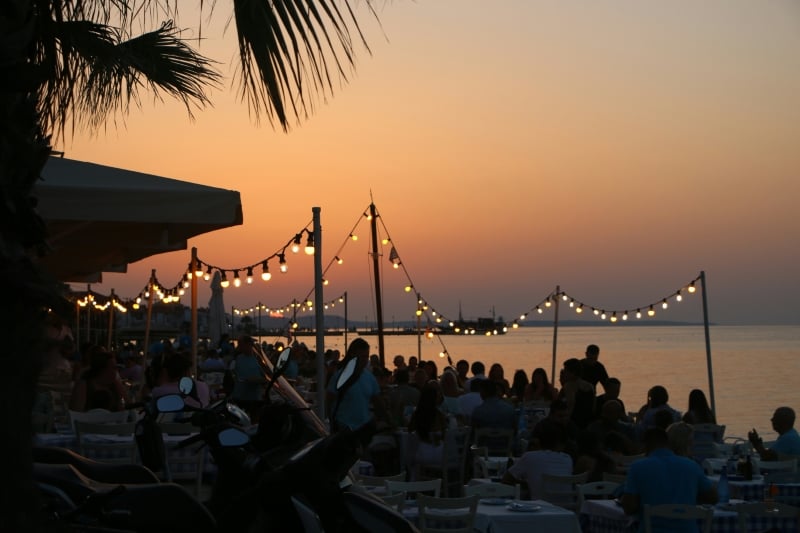
Similarly, eating in local tavernas and restaurants can be €10 per person if dining with a larger group of friends or €20 per person if you are a group of two. On the high-end, there are many gourmet or Greek-fusion restaurants in the main cities with more interesting plates and flavors that will run about €80–€100 for two people with drinks.
On the islands, expect higher prices near touristy areas in the summer — upwards of 30–40% more.
While fast food chains like McDonald’s and KFC exist, they are not hugely popular. Here, expect to pay €15–€20 for a burger combo meal. Alternatively, the local street food of gyros or souvlaki (similar to kebab) will be about €5 for a pita bread with meat, potatoes, and sauce.
People in Greece tend to eat out a lot and often prefer to share meals (tapas-style), where you order everything for the middle and then split the bill depending on how many people you have. This way, you get to try a bit of everything, and it’s also more cost-effective.
If you are dining with friends, expect to pay on a rotation schedule, where one person offers to pay and you cover the bill the next time you meet.
Splitting the bill down to exactly what you ordered or counting individual dishes is considered culturally rude, even though many Greek people earn less than €1,000 per month—so keep that in mind when meeting locals.
Groceries
Greece has some of the highest supermarket prices in Europe in recent years, but that is still cheaper if you consider the quality of fresh produce.
A good hack is to shop for household supplies (cleaning products, pantry items) in the supermarket, but buy cheese, meat, and vegetables directly from local producers. There are many international and Greek supermarket chains to choose from, both budget and a bit more high end. On the budget front, you have Masoutis in northern Greece, and Sklavenitis as well as My Market or Galaxias in Central Greece. For a more premium shopping experience with more international foods, you will want to go to AB Vassilopoulos.
Every neighborhood has a farmers’ market once a week, called laiki, where you can shop for fish, cheese, and produce. I usually spend about €350 per month in the supermarket for two people, balancing meat, veggie, and fish days, including restocking household cleaning supplies.

A liter of milk costs about €1–€2, and a loaf of bread from the bakery is about €1–€3. One kilo of tomatoes will set you back about €2.
For cheese, expect to pay about €12 per kilo for feta (a Greek staple), and chicken and beef will be about €10–€12 per kilo. For the most variety in meat cuts, it’s best to visit a butcher, where you can request specific meats like lamb or goat.
One hack most people use is to do bulk shopping for rice, cleaning supplies, and other non-perishables at Lidl (a German discount supermarket chain) and use farmers’ markets for daily vegetable shopping.
You might want to keep in mind that some international products or specialty items are not easily found in smaller cities or on islands, but online vendors have increased significantly in recent years, so you can always have those shipped to your home.
Coffee
As a huge coffee drinker who requires at least a few cups a day, coffee is a must while in Greece. It is also a huge part of the culture, and you can expect people to invite you for long coffee catch-ups.
A cup of coffee at a takeaway shop will set you back €1–€2, while a sit-down coffee shop is closer to €4–€5. Starbucks is available in some cities but less popular than you might expect, and is often used mostly as a study location for students, where you can expect to pay the standard €5–€7 for a specialty drink.
Another thing to keep in mind about coffee is the iced coffee culture. People here drink freddo espresso or freddo cappuccino (espresso over ice, slightly blended), which is very strong and sipped over the course of half an hour or more.
You might also want to try frappe, a very strong instant coffee made in the same way (adding sugar to taste) and filled with lots of ice cubes so it lasts for hours. Drinking it fast might send you straight to the bathroom, so you have been warned.
Beer and Liquor
Alcohol drinking in Greece is very much part of the culture, and you can find lots of local and international craft beers. A domestic can of beer at the supermarket will be under €2, while you are expected to pay €4–€5 in a restaurant.
Greeks also produce a lot of spirits such as raki, tsipouro, and ouzo. Finding a locally produced supplier is great. You might also want to check out ouzeri shops, where you buy a small carafe of ouzo to share and they bring out small mezedes (similar to tapas).
As a general rule, Greeks drink with food, and you are expected to pace your drinking and enjoy the food and company more than consuming copious quantities.
Wine
If you are a wine lover, then Greece will reward you with lots of interesting locally grown varieties. You might also want to check out the dozens of wineries around the country to find out more. A bottle of wine in the supermarket will range from €3–€10, depending on quality, while you can pay €3–€5 for a glass of wine in a restaurant or €25–€30 for a good-quality bottle.
Health
Making sure you are covered in case of an emergency is very important so here is what you need to keep in mind for health insurance, hospital stays and other medical issues.
Health Insurance
Health insurance in Greece varies depending on whether you are a visitor or a tax resident. If you work in Greece, then you are covered under the government system for all emergency visits to the hospital. Even as a tourist, if you have an accident and require stitches or need to be seen, you will have access to public hospitals.
While there are some issues with delays for certain specialty doctor appointments, the Greek healthcare system is considered very good.
A typical visit to the doctor for a check-up or to get a medication refill will cost about €40–€60 without insurance, and more specialty treatment—like an EMG that I had to have recently—cost €150 at a private doctor.
Even though public healthcare is good for routine care and some emergencies, most expats and some locals opt for private health insurance. I am also one of those people who have opted for extra coverage with a private insurance company, which I find quite affordable compared to other countries. My previous rate was €45 per month, but it ranges depending on your health, age, and the type of coverage you want.
One thing to note is that all private healthcare has some trade-offs as well in terms of doctors and hospitals. For services to be covered, you usually need to visit specific approved doctors. As a reference, my package had a 10% fee for all medical exams—meaning I would pay €5–€10 for a comprehensive check-up every year—and a €10 visit fee to see a doctor.
You will want to weigh whether that monthly cost is higher than paying the occasional out-of-pocket cost of €50–€60 for a doctor’s visit instead.
Hospital Stays
These also range a lot depending on public or private hospitals. Public hospitals as mentioned are free but wait times can be long and comfort is a bit basic.
In terms of more serious cases, my recent knee surgery cost €3,000 in a private hospital with a two-night stay, which I also find quite affordable.
Pharmacy and Medication
Medication in Greece in previous years had more relaxed rules in terms of requiring a prescription. One thing to note is that all drugs, including painkillers, need to be purchased at a pharmacy. You can’t get them in supermarkets or kiosks like in other countries such as New Zealand.
While I would say it feels affordable compared to the U.S., drug prices in pharmacies are relatively high compared to minimum wage. A box of paracetamol or ibuprofen will typically cost under €5.
Up until a few years ago, EU regulations were less strict, so you could buy an EpiPen without a prescription for about €80 at a pharmacy. Now, you’ll need a prescription, which you can get by booking an appointment with a Greek doctor.
Personal Care
Some of the extra expenses come from taking care of yourself, so you should definitely include those in your cost of living in Greece summary. These usually include haircuts and beauty treatments, exercise, and visits to the dentist.
Haircuts and Beauty Treatments
As a low-cost women’s care routine, I opt for haircuts and hair treatments twice a year. With a bit of research into smaller establishments, you can find a wash, cut, and hair color in a nice salon for about €100–€150. For beauty treatments, expect to pay €30–€50 for a facial and about €10–€20 for gel nails or acrylics.
Gyms
Gym options are more extensive in the main cities, but every city will have a few to choose from. In recent years, gyms have offered better prices for annual memberships, with deals coming out once or twice a year, so you can sometimes find something as low as €70–€100 for the whole year. Otherwise, for a gym with decent equipment and a more modern setup, expect to pay around €50 per month without classes. Keep in mind that 24/7 gyms are less common in Greece, even in the capital.
- Pilates studios for reformers and other specialty classes will usually charge €10–€15 per session, or about €120 per month for two sessions per week.
- Most gyms don’t have saunas, pools, or other spa treatments, which are usually booked separately.
- A private trainer in a gym will cost about €20 per session, depending on the location, and you can also find trainers with at-home gyms for cheaper.
Dentists
Dentists are both very good and generally inexpensive compared to other countries. A routine cleaning will be €30–€50, depending on the location, and my round of adult braces for six months was under €1,000. Similarly, getting a veneer on a discolored tooth recently cost €150.
Transportation
With your rent, food, and medical expenses covered, it is now time to discuss transportation.
Public Transport in Athens & Thessaloniki
In terms of public transport, the two larger cities are where most of the public transport options exist. A new metro operates in Thessaloniki, and there is an older and broader metro network in Athens. Compared to most European capitals, the bus and metro system in Greece is slightly less efficient. Buses don’t always run on time—or at all—and many of the buses are older or packed.
That is not to say that it won’t do the job for a bit within specific city limits, but it might be something you’ll need to get used to and decide on for yourself.
In Athens, you can buy the ATH.ENA card and reload with money which is also used for bus fares.
When I lived in Thessaloniki, I walked more than anything else (which is common in Europe), even if the location was half an hour or more away. My monthly transportation cost was often as low as €20 for a few bus tickets and a taxi here and there. A short taxi ride will be around €5–€6, but going to and from the airport is usually a set fare of €20. Uber is also very common, as is the app FREENOW.
Other Options
Even though the above is a good scenario if you are single and don’t mind walking, there are some instances where you might need more. Here are some common options:
- Car purchase: If you live outside the main hubs or on the islands, it is a good idea to buy a car. Prices, as well as gas prices, have gone up in recent years, so expect to find a small second-hand car for about €4,000, and to pay around €100–€150 per month for gas, depending on how far you travel.
- Car leasing: A very popular option that I would recommend is car leasing. You pay monthly—either on a contract or a month-to-month basis—based on kilometers used, and the company covers your insurance, taxes, and servicing for that period.
Travel
If you move to Greece, chances are you will want to explore the beautiful country. There are so many mainland and island destinations to choose from, so you’ll want to travel. As a travel writer, I’ve gone on dozens of trips around the country, so I have a pretty good idea of prices.
Your best prices will be in the off-season, before June and after September. Here you can expect to pay:
- Hotels: A three-star hotel, on average, will be about €50–€80 per night, depending on where you are located.
- Hostels and budget accommodation: More common to find hostels in touristy destinations, but the small-island equivalent is a budget hotel for €30–€50 per night.
When getting around the country, you have the option of bus (KTEL), train (only in some mainland destinations), flying, renting a car, and of course ferries.
- Flights: Flights within Greece are frequent and usually under €100 return if not during peak hours or high season. You may sometimes need to transit through Athens.
- Train: The train in Greece covers mostly the mainland portion between Athens and Thessaloniki, as well as areas near the mountains in the north.
- Renting a car: Renting a car or traveling by car is often a great option for exploring nearby destinations from Athens, like the Peloponnese, or heading north to some of the beautiful villages.
- Ferries: Ferries are the best way to see the islands, but you’ll want to book ahead or travel off-season for better prices. Some rental car companies don’t allow you to board a ferry, so keep that in mind when booking. Very small islands near Athens might have tickets for €10–€20, but going to a far-away island on an overnight ferry can cost €60–€100 without a sleeping cabin. There are also high-speed ferries between some locations, like Piraeus in Athens to Santorini, which tend to cost more but get you there in about half the time.
Entertainment
Most entertainment options are found in the main cities, but you can expect to find bowling, cinemas, arcades, historical attractions like museums, archaeological sites, and fun activities like pottery.
Cinemas in Greece tend to have all the amenities you can expect, with a standard ticket on a deal day being as low as €5, and better-seat venues with a meal costing €10–€20.
For nights of bowling and other arcade activities, expect to pay about €10–€20 for the equipment and the experience.
Education
If you plan to learn Greek, you will find lots of local tutors offering private lessons for under €10 per hour, but tutors with more qualifications can charge as much as €30 per hour.
There are also many language schools if you prefer to learn in a group setting, where prices for weekly lessons can be as low as €80–€100 per month, especially if you sign up with a friend or partner.
Online tutoring has also become very popular since the pandemic.
Children’s School Fees
If you are moving to Greece with your family, you will want to consider the cost of tuition on your living expenses. Tuition for private English schools can vary but is considered high for Greek standards, even though the price is reasonable if you are coming from overseas. The following are averages based on advice from friends and some personal experience:
- Government Schools: Government education is free but the kids will have to be taught in Greek and be expected to know the language well enough. It is best for younger children or if you plan to stay long term and invest in learning the language. Support for non-Greek speakers can be non-existent to low depending on the area. Keep in mind that government schools don’t provide transport or meal services, with very few exceptions.
- Bilingual schools: There are German, French, and English bilingual schools in the main cities that can range from €4,000–€8,000 per year depending on the school, grade level, and additional services like transport.
- International Schools: These are the most common choice for expat families who want consistency between curriculums and plan to relocate again in the future. Usually they follow the IB, British, or American curricula and tuition ranges from €8,000–€15,000 per year depending on age level. These schools will also come with fees for books and materials, school uniforms, and other material that is not part of the government school setup. Some options in Thessaloniki are Anatolia College and Pinewood for an American-style international school, whereas there are more options in Athens for British-based and IB.
Keep in mind that homeschooling is not legally recognized and all children who are resident in Greece must be enrolled in a recognized Greek school by law.
Legal
Understanding the legal framework, visa options, and basic paperwork is an important part of planning a move to Greece.
Visas and Cost of Living in Greece
If you’re planning to move to Greece rather than visit short term, visa requirements will play an important role in your options and overall costs.
Citizens of certain countries can enter Greece without a visa for up to 90 days, which works well for short-term stays, but chances are it won’t be enough if you plan to live here.
The most common residence options are:
- Digital Nomad Visa: For remote workers earning income outside Greece, this is a great option that many people are using. Application fees are relatively low, and you can usually complete the process for €250–€300, including government fees. You will also need private health insurance and proof of sufficient income.
- Financially Independent Person (FIP) Visa: This option is for those with steady income outside Greece. It comes with higher income requirements, more documentation, and higher costs overall. Expect initial fees and permits to range from €800–€1,200, with renewal fees every few years. Private health insurance is also mandatory.
- Golden Visa: This option is for those who want to invest in property and gain long-term residency, with a path to citizenship over time. It requires a much more significant upfront investment, starting at €250,000–€500,000depending on the area, plus additional costs for legal fees, property taxes, insurance, and residence permit fees, which can add €10,000–€20,000+ to the total. Read our golden visa review article to find out more.
Paperwork and Legal Basics
Apart from your visa, Greek paperwork and bureaucracy are notoriously bad. Expect language issues, inconsistent rules or instructions, bad websites, and lots of paperwork. Without being a Nancy Downer, Greek paperwork can be both confusing and annoying, even for locals.
With that said, things have gotten better since the pandemic, with a lot of government paperwork now available to submit online.

The easiest, hassle-free way to handle paperwork is to pay a lawyer and accountant, which—considering the hassle—doesn’t have to be as expensive as you might expect.

There are some things that you’ll definitely need professional support with, though:
- Applying for a residence permit
- Buying property
- Setting up a business
- Working remotely and filing annual tax returns
Moreover, you’ll want to think about access to your embassy or consulate. Most countries have offices or embassies in the main cities (Athens and Thessaloniki), but these can book out months in advance, especially during summer. Keep in mind your legal obligations so you can schedule them ahead of time and always expect delays to be safe.
Lifestyle Impact on Cost of Living
One of the most important things to understand is how broad and different cost of living expenses can be, depending on your baseline. Since everyone is different, it is worth noting that the average wages in Greece are under €1,000 a month and most families survive on under €2,000 a month. This gives you a good baseline for certain things, but of course a local experience is much different from that of an expat.
The main things that will affect your overall monthly expenses are:
- Location: Living in a new residential neighborhood, a furnished apartment, or a popular island spot will push your rent higher.
- Eating habits: While food in Greece is not super expensive, eating out frequently will make a difference. Most locals eat out a few times a week, with most meals cooked at home. If you are planning to eat out more often, then estimate at least €300–€500 per month for food on the low end.
- Transportation choices: Walking and public transport are cheap, but frequent taxi trips, travel, and flying can add up. Thankfully, leasing a car can be as low as €100 per month for a small car, but you’ll still have to account for gas and parking, which are not always easy to find in central locations.
- Social and cultural habits: Greece has a strong social culture around coffee, meals, and casual outings. While these are generally affordable, regular nights out can increase your costs.
Overall, you want to think about your lifestyle sweet spot in terms of location, habits, and non-negotiables. A lot of things are cheap on their own, but when they add up, they can easily bring your expenses from €1,500 per month to more than €3,000.
Cost of Living in Greece for One Year
Let’s look at a realistic one-year expense plan for living in Greece. The first thing to keep in mind is that you’ll have a lot of relocation and one-time expenses. These can include rental deposits, furniture, your visa, some travel costs, as well as legal support.
- Low end: A very minimal and conservative estimate, if you travel lean and avoid luxuries or overspending, is €13,000–€15,000 per year. This will get you a small but decent apartment in one of the cities and assumes you don’t have insurance costs, mostly walk or use public transport, and eat mostly at home.
- Comfortable middle ground: For this, I would estimate €18,000–€25,000 per year, which is where I landed my first year back. Even though my rent was very low, I had regular eating-out expenses, travel, health insurance, a gym membership, lots of activities and experiences, as well as a balanced social life.
- High comfort or island living: If you are planning to pay a premium for your housing, dine out frequently, travel often, lease a car, and have higher entertainment costs, you will likely land at €35,000–€40,000 per year.
With all that in mind, a realistic takeaway is budgeting at least €20,000 for your first year, which can be higher depending on your visa choice, since you’ll need to prove a consistent and sufficient income source.






 Español: