
This article will take approximately 25 minutes to read. Don't have the time right now? No worries. Email the ad-free version of the article to yourself and read it later!
Dating in Japan as a foreigner works, but it rewards effort more than novelty. Here’s where to meet people, which apps (Pairs, Tapple, Tinder) are worth paying for, what dates cost and the etiquette that catches foreigners off guard.
Yes, you can find a partner in Japan as a foreigner, and plenty of people do. I’ve been married to a Japanese woman for many years, so I’ve watched the dating scene here from the inside.
It isn’t the 1990s anymore, though. Foreigners no longer carry the novelty they once did, and the experience is very different for foreign men and foreign women.
This guide walks through where singles actually meet, the dating apps that work for foreigners and what they cost, the cultural habits that confuse newcomers, and how to spot a romance scam.
Contents
- Key Takeaways
- Understanding the Dating Scene in Japan
- Where to Find Japanese Dating Foreigners
- Best Dating Apps for Foreigners in Japan, Compared
- What to Know When Dating in Japan
- How Much Does Dating in Japan Actually Cost?
- Staying Safe: Avoiding Fake Profiles and Romance Scams
- Now, on to You
- Frequently Asked Questions
- What are the best dating apps in Japan?
- Are dating apps in Japan free?
- Do foreigners have luck dating in Japan?
- Which apps work best for serious vs casual?
- Do you need to speak Japanese to date in Japan?
- What are the biggest cultural differences to know?
- What messaging app should I use?
- Is Tinder still popular in Japan in 2026?
- How much should I budget for dating in Japan?
- Are dating apps in Japan actually safe?
- What's a common warning sign of a dating scam in Japan?
- Do Japanese dating apps require ID verification?
- Can I meet people in Japan without downloading a dating app?
- What should I do if a match asks me for money or introduces an "investment"?
- Sources Cited
Key Takeaways
- Dating in Japan works much like elsewhere, but it stays rooted in tradition, and foreigners no longer carry the novelty appeal they once did.
- Foreign men generally find it easier to date than foreign women, partly because some Japanese men feel shy about speaking English.
- Good offline ways to meet people include nomikai (drinking parties), language-exchange events, hobby groups, and sometimes work.
- Dating apps like Tinder, Pairs, and OkCupid are widely used; matchmaking (omiai) is a more serious, marriage-focused route.
- Learning some Japanese dramatically widens your options and shows genuine effort.
- Be mindful of workplace dating and cultural cues; what reads as confident at home can come across as pushy here.

Understanding the Dating Scene in Japan
The dating scene in Japan is similar to that in other countries; it is influenced by factors such as age demographics, socio-economic status, location, personality, and the good fortune and random luck often involved in meeting someone special.
Japan has become more globalized, making international exchange somewhat easier, but it largely remains rooted in its traditions.
While international couples are not rare, they are not the norm. With modern, instant access to international content and an increase in the foreign population throughout Japan, foreigners no longer possess the same “mystique” they did as desirable romantic partners 20-30 years ago.
There is still some exotic appeal to being a foreigner for many Japanese people. But foreign men and foreign women have very different dating experiences here.
Similar to many parts of the world, it can be easier for foreign men to find a date in Japan.
On the other hand, it can be challenging for foreign women to find a date here. This is because Japanese men may not be fully confident in their English skills and can be too shy to speak English to Western women.
Where to Find Japanese Dating Foreigners
Depending on factors like your interests, lifestyle choices, and whether you prefer traditional methods (meeting someone in public or being set up by a friend) or more technology-based approaches (using a dating app or online matchmaking service), here are some common ways to meet potential dates in Japan.
Social Circles and Group Activities
One social event that is great for relaxing and socializing is a “nomikai” (drinking party). It is a staple in Japanese social life and is organized among coworkers, university classmates, or groups of friends.
These nomikais happen seasonally throughout the year. A great example is at the beginning of Spring, when the cherry blossoms bloom, people spread out blue sheets in the park by the hundreds, drinking and socializing all day.
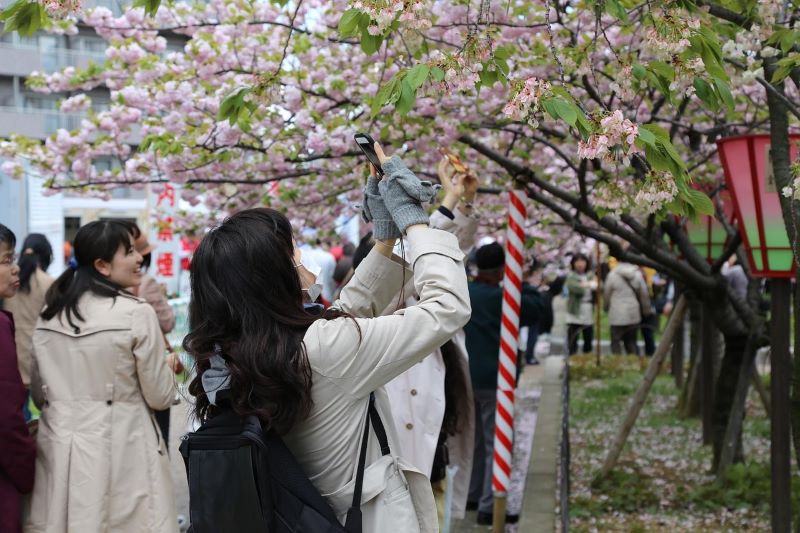
If you enjoy alcohol, getting a bit tipsy, and are generally outgoing, this can be a great way to make new friends and find a girlfriend/boyfriend.
Nomikais and drinking aren’t for everyone, though, and if you don’t drink alcohol, there are plenty of other ways to meet new people.
Language Exchange Events
These events occur in cities and prefectures throughout Japan and are a good opportunity to meet Japanese people interested in foreign exchange.
Often, they include food or alcohol and are quite casual. It really depends on what you are looking for in a date, but this could be one option to make a new friend.
You can find language exchange events on a site like MeetUp.
International Bars/Pubs
While these tend to draw a specific type of crowd, these spots sometimes attract a mix of locals and foreigners. However, in more urban areas, you can encounter less ideal situations.

For example, multiple groups of foreigners competing for the attention of potential Japanese partners, often while drunk.
If bars and drinking are your thing, and you’re confident, it couldn’t hurt to go out on a Friday night and see what it’s all about.
The Workplace
Many people meet their partners through their workplace, but you should think carefully about what you say to your co-workers. It is not worth ruining your work environment by hitting on your male or female co-workers or making inappropriate comments that could offend them.
You should also consider that if the relationship does not work out, you will have to see this person every day at work, which could be awkward.
Matchmaking (Omiai)
Omiai involves arranged meetings with the intention of marriage. Traditionally, this was a practice in Japan arranged by the parents of two families, but in modern times, marriage agencies are used to find compatible partners. There are also Omiai parties that you can pay a fee to participate in.
These are typically all Japanese events, and not English-friendly in the least.
Moreover, many of the women/men attending these events are seeking stability – something that a majority of foreigners living in Japan simply can’t provide (due to short-term work contracts, language barriers, and non-citizen status).
The cost varies considerably. Online services like the Omiai app charge a monthly fee; it is often free for women, but the costs for men start at 3,900 yen per month. Physical matchmaking events or services may have different pricing structures.
Dating Apps and Websites in Japan
There is a long list of dating apps in Japan, all vying for your subscription money and time. Apps like Tinder, OkCupid, and Tapple are a few examples, and these seem to be the most widely used and advertised.
Pairs is the largest dating app in Japan, with around 25 million registered users, and it leans toward serious relationships. Its strong ID verification cuts down on fake profiles, which makes it a common starting point for Japanese users and foreigners alike.
Ask around on the Tokyo expat forums and you’ll hear the same split this year. Pairs and with get the nod for anything serious, Bumble suits English speakers who are dating with intent, and Tinder is mostly treated as the casual option.
You know the premise: you make a profile with some appealing points about your personality, an array of pictures of you doing different activities, and you’re off to the races in your search for a partner.
However, the issue for many foreigners using these apps is the lack of English-speaking partners. Your default popularity as a foreigner will only get you so far, and for people looking for a girlfriend or boyfriend they can communicate with on a meaningful level; if you don’t speak Japanese, then you are out of luck.
Unfortunately, among the foreign and single friends around me, I have seen almost no success stories. However, it surely has been the right move for some people, and the fact that these services exist is a testament to people having good experiences using them.
Maybe I am old-fashioned, but rather than a cleverly crafted profile, I believe just going out and meeting people through chance encounters is a better method of showing a potential partner your true self.
Group Dates “Goukon”
You might get asked to join a goukon date (group date) by a Japanese friend.
Goukon is a fairly distinctive social custom in Japan; it is a combination of traditional matchmaking and group dating, usually with a group of six people. The aim is to take away the awkwardness of a one-on-one date and create a more casual, party-like atmosphere with more people.
Participants share the cost of the date, with each member joining the party with an open mind and no set fixation on any of the other participating members. To break the ice, games are often played, and everyone tries to dress their best.
A successful goukon could lead to an exchange of contact information and the hope of a one-on-one date with one of the members at a later time.
Best Dating Apps for Foreigners in Japan, Compared
Pairs is the best all-round dating app for foreigners in Japan, while Tinder and Bumble are the easiest to use if you don’t read Japanese yet. Pick one or two from the table below rather than downloading all seven.
| App | Best for | English support | Price for men | Notes |
|---|---|---|---|---|
| Pairs | Largest pool, serious relationships | Mostly Japanese | JPY4,100 for 1 month on the website (JPY4,800 in the app), or JPY1,675 a month on a 12-month web plan | Japan’s biggest matching app, with around 25 million cumulative registered users as of May 2025; strong ID verification |
| Tapple | Casual dating, younger crowd | Limited | From about JPY3,700/month | Runs facial recognition against your ID photo and profile photo before you can message anyone |
| Omiai | Marriage-minded matching | Limited | About JPY1,900 to 4,900/month | Skews toward people ready to settle down; free for women |
| Tinder | Foreigners who want an English interface | Full English | Free, with optional paid tiers | Large expat presence in Tokyo, Osaka, and other major cities |
| Bumble | Women messaging first, English-comfortable matches | Full English | Free, with optional paid tiers | Popular with expats and English-speaking Japanese users |
| JapanCupid | Foreigners specifically seeking a Japanese partner | Full English | Free, with paid Gold/Platinum tiers | A niche international-matching site, not a mainstream Japan app; smaller active pool |
| with | Personality-test-based matching | Limited | Men pay to message | Uses compatibility quizzes as an icebreaker before you start chatting |
Every operator running a matching service in Japan, whether it’s a homegrown app or one imported from the US, has to register with the local Public Safety Commission and verify that users aren’t minors before letting them message anyone. That’s real ID, not a birthday field you can lie about.
What to Know When Dating in Japan
Dating in Japan has nuances and customs that are a bit different than dating in Western society.
These are always based on the person you are with, but certain general rules apply to Japan that you might not be aware of.
Cultural and Language Barriers
When a foreigner dates a Japanese person, they often encounter a mix of cultural and language barriers. These barriers can seem like 50-foot-tall walls, but from personal experience, if you can overcome them, it is truly worth it.
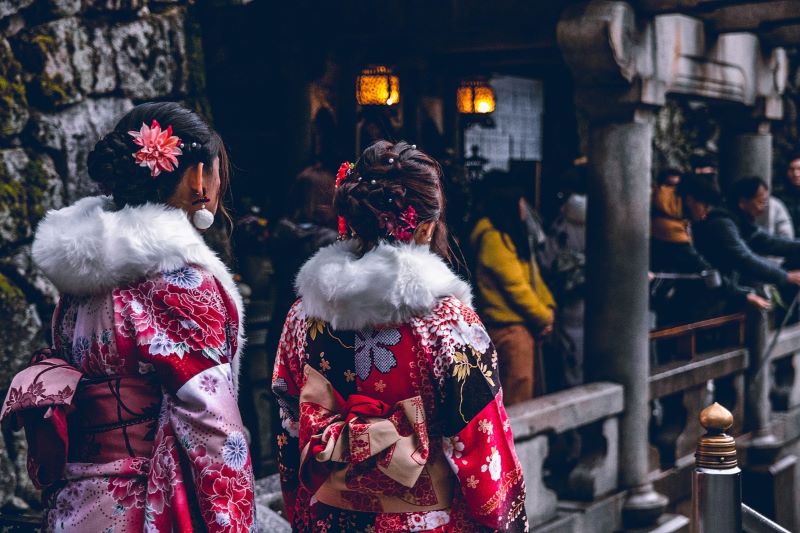
To break this wall, it requires patience and work from both partners, but mostly from you as the foreigner.
As you are living in another culture, the onus falls on you to adapt, and again on you, to work to make the relationship work.
Language is a big part of that adjustment. If you’re weighing how much you need it, our guides on whether you need to speak Japanese and how to get by without fluent Japanese are useful starting points, and you can study Japanese online to build up the basics before your next date.
Communication Styles
Japanese communication is often subtle and indirect. Although you cannot apply stigmas to every person in a country, direct confrontation, especially expressing your feelings explicitly, is less common.
This is probably why Japanese people don’t verbalize the words “I love you” to their partners, except on special occasions and anniversaries.
Instead, people often convey their intentions and emotions through hints or kind deeds for their partner. One skill that you can try to work on is “reading the air”.
Reading the Air
“Reading the Air” (kuuki wo yomu) refers to the ability to understand unspoken social cues and societal expectations. It can be difficult to read the air in many situations for foreigners, especially without a working knowledge of the Japanese language.
In fact, the perception of foreigners is that they are something called “KY”, which means “kuuki wo yomenai” (can’t read the air). Being able to do this takes time living in Japan, and often learning from many mistakes in different settings with different people.
Your ability to pick up on subtle hints that someone is not interested in talking to you, or the opposite, that they are interested in you, will help you greatly.
Confession (kokuhaku)
Confession (kokuhaku) is unlike some cultures, where relationships evolve gradually from friendships or more organically.
In Japan, it’s pretty common for a person to “confess” their feelings for another person very suddenly. Don’t get me wrong, people meet and naturally fall for each other like anywhere else, but confessing your feelings has meaning in Japanese culture.
It can be the starting point of a relationship, and it shows your partner that you have the bravery to risk embarrassment and tell them how you feel.
Until that confession happens, don’t assume you’re exclusive. Expats on the forums say people often keep their app profiles active until someone confesses, and for serious daters that tends to come around the third or fourth date.
Public Displays of Affection (PDA)
I would advise against kissing or being overly affectionate in public. Aside from holding hands, you very rarely see two Japanese people kissing in public. If you try to do this in public, your date might get embarrassed and push you away.
Gift Giving
As for gift-giving, birthdays, Christmas, and 1-year anniversaries are typically when couples exchange gifts. Birthdays have more significance in Japan, and you should be prepared to spend some money on your partner.
Valentine’s Day and White Day
This Western holiday is celebrated in Japan, but with a twist. There are two days, Valentine’s Day and White Day. On Valentine’s Day, celebrated on February 14th, it’s traditional for women to give chocolates to men.

These chocolates fall into two categories: “Giri-choco,” or obligation chocolates (friends, colleagues, and family), and “Honmei-choco” (romantic chocolates). The romantic chocolates are often homemade to show that they put time into the chocolate gift before giving it to you.
White Day is one month later, on March 14th, and men are expected to reciprocate the present they received from the women. The tradition is that the present the man gives should have three times greater worth than the present they received.
Who Pays on Dates?
Traditionally, men were expected to pay for dates in Japan, especially on the first date, and in the beginning months of being together. However, modern dating practices are a bit more flexible, with people splitting the bill on first dates, and sometimes women offering to pay.
You can use your judgment in this situation, depending on what feels right for you.
Jealousy and Expectations of Dating
Like any relationship, it is best to set the boundaries you are comfortable with verbally. This works in most countries, but in Japan, it is a bit more implicit.
Unlike some Western cultures, where dating often begins with conversations about the clear nature of the relationship, Japanese couples may not verbalize their commitment until the relationship has progressed significantly.
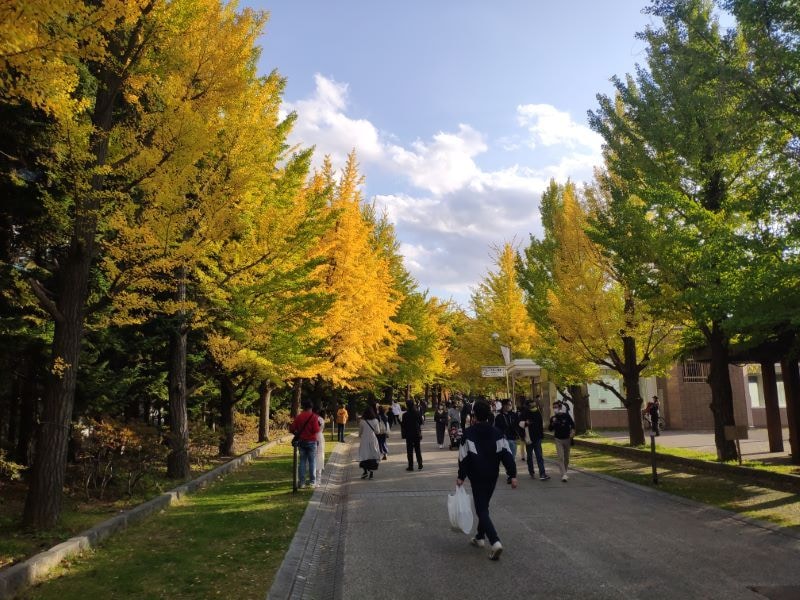
This can lead to a lot of misunderstandings, which can turn into jealousy fast. These feelings of jealousy may not be expressed through words, but they will be expressed through action.
Japanese partners are extremely good at “ghosting” you if things take a turn for the worse.
By “ghosting,” I mean slowly and gradually becoming busier and busier, making meeting up with them nearly impossible. After a long enough time has passed, it will be up to you to figure out that the relationship has ended.
Messaging Apps
To maintain your relationship, my advice is to use your messaging apps wisely. The preferred messaging app is Line; nearly everyone in Japan uses this app.
Familiarize yourself with the etiquette of using it, learn to use emojis and stickers when you communicate, and make sure your messaging game is on point.
Long-term Relationships and Marriage
First, understand your partner’s expectations about the future. After a few dates, things can ramp up suddenly depending on your partner’s age, and conversations about marriage might suddenly come up.
This is also a regional factor, as women/men in the countryside seem to want to get married younger than single people living in major cities.
Don’t be surprised if this topic comes up, and try to be honest with your partner and yourself about the possibility of it happening. You wouldn’t want to waste your partner’s valuable time.
If marriage becomes a real possibility, it helps to understand the practical side of moving to Japan for the long term and the path to permanent residence.
How Much Does Dating in Japan Actually Cost?
Before you download every app on the list above, it helps to know what you’re actually signing up to spend. Dating in Japan isn’t outrageously expensive, but the costs show up in a few predictable places.
- App subscriptions. Most apps are free for women. Men typically pay somewhere between JPY1,900 and JPY4,900 a month, depending on the app and whether you sign up through the website or an app store (in-app purchases usually cost more because of Apple and Google’s cut).
- A casual first date. Coffee or a light lunch runs about JPY1,000 to JPY3,000 per person in most cities.
- Dinner and drinks. Expect roughly JPY3,000 to JPY8,000 per person at a mid-range restaurant or izakaya in Tokyo, Osaka, or another major city; smaller towns and less touristy neighborhoods run cheaper.
- Special occasions. White Day gifts are traditionally worth about three times what you received on Valentine’s Day, and birthdays carry more weight here than in many Western countries, so budget accordingly once things get serious.
Splitting the bill is increasingly normal, especially among younger couples, so don’t assume you’re on the hook for every date. Ask, or let your date bring it up naturally.
Staying Safe: Avoiding Fake Profiles and Romance Scams
Japan’s apps are safer on paper than a lot of countries’. Under the country’s dating-site regulation law, any operator running a matching or “internet dating introduction” service here has to register with the local Public Safety Commission and confirm users aren’t minors before they can create an account.
Tapple, for example, checks a driver’s license, passport, or My Number card and runs facial recognition against your profile photo before you can message anyone. That doesn’t mean scams don’t happen, but it raises the bar compared to apps with no ID checks at all.
The romance investment scam is the one to watch for. Japan’s National Consumer Affairs Center has tracked it closely. Complaints to its Cross-border Consumer Center jumped from 109 in 2020 (84 investment-related) to 187 in 2021 (170 investment-related), and the pattern hasn’t changed much since.
You match with someone, the conversation moves to a different messaging app fairly quickly, and at some point they introduce a “great investment opportunity,” often in crypto or forex. Early transfers show fake profits, so you send more, and when you try to withdraw, there’s always another fee or another excuse.
- Never send money, gift cards, or crypto to someone you haven’t met in person, no matter how long you’ve been talking.
- Be wary if a match pushes you off the app and onto Line, WhatsApp, or Telegram within the first few messages.
- Treat any mention of an “investment opportunity,” trading platform, or guaranteed returns as a red flag, not a compliment.
- Do a video call before you meet, and check that the person on camera matches their profile photos.
- Meet for the first time in a public place, and tell a friend where you’re going.
- If something feels off, Japan’s national consumer hotline (188) connects you to your local consumer affairs center, and it’s free to call.
Now, on to You
While it may seem challenging, it’s possible to find a date in Japan. The key to success is understanding the cultural differences and developing the relationship one step at a time.
Of course, learning the language can help increase your chances of success.
If you want my advice on the dating scene, please feel free to ask in the comment section below. Or if you have your dating experience to share, please feel free to do so as well.
Good luck!
Frequently Asked Questions
What are the best dating apps in Japan?
Pairs is the largest, with around 25 million registered users and strong ID verification. Tapple and Omiai follow for casual and marriage-focused matching. Tinder, OkCupid, and Bumble suit foreigners wanting an English interface, and JapanCupid is built for foreigners dating Japanese partners.
Are dating apps in Japan free?
Most are free to browse and match, with men paying for messaging while women use core features free. Pairs and Tinder have limited free tiers. Omiai’s cheapest men’s plan runs about JPY1,900 to JPY3,900 a month (roughly US$13-26).
Do foreigners have luck dating in Japan?
Foreign men generally have an easier time than foreign women, partly because many Japanese men hesitate to message in English. Foreigners no longer carry the novelty of decades ago, but lasting relationships are common once basic Japanese and cultural norms are in play.
Which apps work best for serious vs casual?
Omiai and Pairs lean toward marriage-minded matching. Tapple and Tinder skew younger and casual. Bumble and Hinge sit in between, with Hinge’s prompts drawing people wanting deeper conversations first.
Do you need to speak Japanese to date in Japan?
No, but it changes your options. English apps and English-speaking partners exist, especially in Tokyo, but most matches and daily chat run in Japanese. Even basic Japanese widens your pool and signals effort.
What are the biggest cultural differences to know?
Direct statements of feeling are less common, and many partners communicate through hints. Public affection beyond holding hands is rare. Confessing feelings directly (kokuhaku) often marks the start of a relationship rather than following months of dating.
What messaging app should I use?
Line. Almost everyone in Japan uses it daily, and getting comfortable with its stickers and etiquette matters more than people expect.
Is Tinder still popular in Japan in 2026?
Yes, alongside Pairs and Tapple, though Pairs holds the largest share of Japan’s domestic dating-app users.
How much should I budget for dating in Japan?
Plan on JPY1,900 to 4,900 a month if you’re a man using a paid app, plus JPY3,000 to 8,000 per person for a typical dinner date in a major city. Coffee dates run cheaper, and splitting the bill is increasingly common.
Are dating apps in Japan actually safe?
Safer than apps with no ID checks. Japan’s dating-site regulation law requires operators to verify identity and age before letting users message each other. Romance and investment scams still happen regardless, so stay alert no matter which app you use.
What’s a common warning sign of a dating scam in Japan?
A match who quickly pushes the conversation off the app and onto Line, WhatsApp, or Telegram, then brings up a trading platform or “investment opportunity.” Japan’s National Consumer Affairs Center has flagged this exact pattern in its scam alerts.
Do Japanese dating apps require ID verification?
Yes. Operators of matching apps in Japan must register with the local Public Safety Commission and confirm users aren’t minors, typically using a driver’s license, passport, or My Number card. Some apps, like Tapple, add facial recognition on top of the document check.
Can I meet people in Japan without downloading a dating app?
Yes. Nomikai (drinking parties), language exchange events, hobby groups, goukon (group dates), and sometimes the workplace are all common offline routes, and none of them require an app.
What should I do if a match asks me for money or introduces an “investment”?
Stop transferring money immediately, don’t send gift cards or crypto either, and report it. Japan’s national consumer hotline (188) connects you to your local consumer affairs center for free.
Sources Cited
- National Police Agency of Japan: dating-site regulation law (registration with the Public Safety Commission and age checks).
- National Consumer Affairs Center of Japan: romance investment scam alert and complaint figures.
- Eureka Inc. (Pairs operator) press release: 25 million cumulative registered users, May 2025.
- Pairs price page: men’s paid plans, JPY4,100 a month on the web and JPY4,800 in the app (October 2026).
- CyberAgent, Inc. (Tapple operator): identity verification and facial recognition checks.







 Deutsch:
 Français:
 Español: