

This article will take approximately 21 minutes to read. Don't have the time right now? No worries. Email the ad-free version of the article to yourself and read it later!
Home fibre in Greece costs about €18 to €36 a month, and if your building has it, it’s fast. This guide covers the five providers worth your time, what each one charges, the paperwork, and how to get out of a two-year contract without a nasty bill.
Getting internet into a Greek flat is mostly a paperwork game. The provider wants your Greek tax number before anything else. Then it wants you to sign for two years, which feels like a big ask when your residence permit hasn’t even come through yet.
To make things more fun, the biggest provider changed its name in September 2026. Cosmote is now Telekom. Same company, same cables, same shops with a new sign over the door, but half the advice online still uses the old name.
There’s good news too. Fibre is spreading fast, prices dropped this autumn, and a newcomer, the power company PPC, is selling 1 Gbps for under €20 a month. Greek rules also cap what you pay if you leave a contract early, and the cap is pretty reasonable.
So the real question is which line runs into your building. Once you know that, picking a provider takes about five minutes.
Disclaimer: This article may include links to products or services offered by ExpatDen's partners, which give us commissions when you click on them. Although this may influence how they appear in the text, we only recommend solutions that we would use in your situation. Read more in our Advertising Disclosure.
Key Takeaways
- Fibre costs about €18 to €36 a month for 300 Mbps to 1 Gbps.
- Cosmote is now Telekom. Same company, new name.
- PPC Fiber is the cheapest by a mile, but only where it has laid its own cables.
- You’ll need your passport, residence permit and Greek tax number (AFM) to sign up.
- Most contracts run two years. Leave after month two and you pay a quarter of what’s left, not the full amount.
- On islands and in villages, a 5G router or Starlink often beats the fixed line.
- Inalan sells no-contract plans in Athens, Thessaloniki and parts of Crete.
Coverage
Fibre is easy to find in Athens and Thessaloniki and is spreading quickly through other cities. Telekom’s network alone passes over 2 million homes, and Vodafone, Nova and PPC are all building their own alongside it.
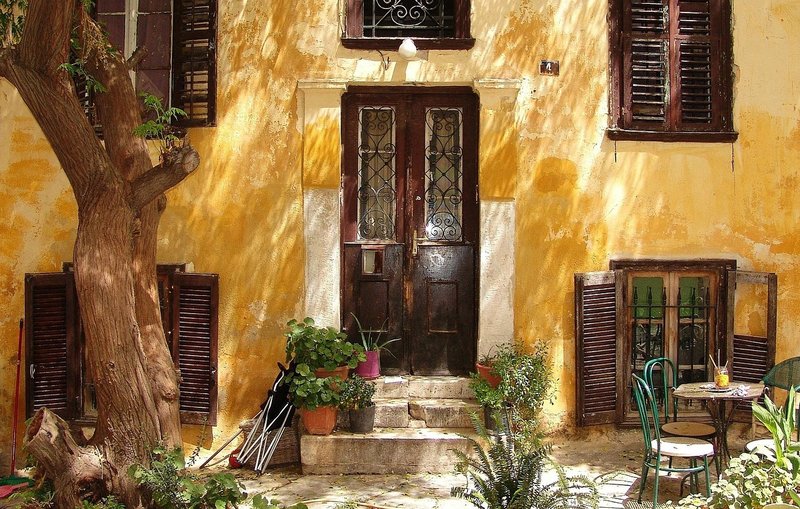
The catch is that fibre can reach your street and still stop at the front door. Someone has to run the cable up through the building and into your flat, and in a lot of older apartment blocks nobody has bothered yet. Out on the islands and in mountain villages, the old copper lines are still the norm.
Check before you sign a lease, not after. You’ve got two ways to do it:
- The government map: the gov.gr broadband map shows fibre, copper and mobile coverage building by building. Type in the address or just the postcode.
- Each provider’s address checker: Telekom, Vodafone, Nova, PPC and Inalan all have one. These are usually more up to date than the government map.
Tip: If you work online, ask the landlord straight out which provider the flat uses now and whether the building has fibre inside. A cheap flat on copper gets expensive fast once you’re stuck working from cafés.
Speed and Stability
On fibre, Greek internet is fast and stable. A standard plan gives you 300 Mbps to 1 Gbps, plenty for video calls, streaming and big uploads.
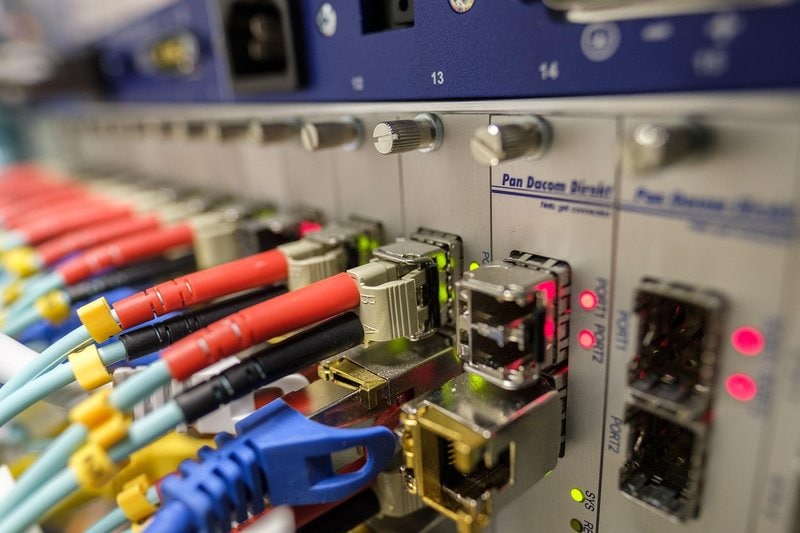
Greece’s national averages look bad, though. In 2025 it had some of the slowest fixed internet in the EU.
Fibre isn’t the problem. Too many homes are still on copper, and copper drags the average down.
So what you get depends entirely on the line coming into your flat:
- Fibre (FTTH): fast and steady. Look for “FTTH” or “Fiber to the Home” in the plan name.
- VDSL over copper: 50 to 100 Mbps on a good day, less the further you live from the street cabinet. Uploads are the weak spot, and that’s what hurts on video calls.
- ADSL: old copper, still around in rural areas. Workable for email and browsing, painful for anything else.
Telekom now sells plans up to 3 Gbps and wants to go to 8 Gbps. Unless you move giant video files for a living, don’t pay for it. 300 Mbps on fibre is more than most households ever use.
Internet Costs in Greece
Fibre in Greece costs about €18 to €36 a month for speeds between 300 Mbps and 1 Gbps. PPC is the cheapest at €19.90 for 1 Gbps. Telekom is the priciest of the big names at €33.90 for the same speed. (Verified November 2026.)
The good news is how much is already in the price. Most plans include the router, caller ID and the activation fee, and the price stays fixed for the full 24 months.
Nova and Vodafone throw in unlimited calls to Greek numbers. Telekom and PPC charge about €4 a month for that.
Who Owns What
Greece has five providers worth knowing, and they don’t all sell on the same cables:
- Telekom (formerly Cosmote): the old national phone company, OTE, now part of Deutsche Telekom. It dropped the Cosmote name in September 2026. Cosmote Fiber is now Telekom Fiber, and the website is telekom.gr.
- Vodafone: the other big name, with its own fibre and mobile network.
- Nova: what used to be Forthnet and Wind, now owned by United Group, which is building its own fibre.
- PPC (ΔΕΗ): the power company. It’s been laying fibre and selling internet on it at prices the others clearly don’t love.
- Inalan: a small independent provider with its own fibre in Athens and Thessaloniki, now moving into Crete.
Telekom, Vodafone and Nova also rent each other’s lines in many areas. So the shop you sign up with isn’t always the company whose cable reaches your door, and that’s one reason fault repairs can turn into finger-pointing.
Internet Providers in Greece
All of these are regulated by EETT, the Greek telecoms regulator. EETT sets the contract rules further down, and it’s who you complain to when a provider stops answering.

Telekom
Telekom is the safe choice. It’s got the widest coverage, the most shops and the biggest fibre network, and outside the big cities it’s often the only fixed line that works properly. The expat forums still rate it the most reliable, even if it’s rarely the cheapest.

It cut prices in October 2026, a few weeks after the rename:
- Fiber 300: €24.90 a month
- Fiber 500: €29.90 a month
- Fiber 1 Gbps: €33.90 a month
(Verified November 2026.) Unlimited calls to Greek numbers cost €4 a month extra. Its TV service is now called MagentaTV.
You’ll still see “Cosmote” on old routers, bills and websites for a while. Ignore it, it’s the same company.
Vodafone
Vodafone usually comes in a bit cheaper than Telekom, and cheaper still if you’ve got a Vodafone mobile contract too. Full Fiber 300 Plus lists at €24.22 a month and Full Fiber 1 Gbps Plus at €27.76, router and activation included. (Listed prices, August 2026.)

Vodafone loves a promotion, and some of them only keep the low price for the first year. Before you sign, look at what you’ll pay in year two. It’s printed on the first pages of the contract.
Nova
Nova is the steady middle option. Fiber 300 costs €23 a month, Fiber 1 Gbps costs €31, and the first month is free. (Listed prices, August 2026.) The router and activation are included.

Its TV packages are big with Greek football fans. Its phone support gets mixed reviews, though, so if something goes wrong, walk into a store.
PPC Fiber
PPC Fiber (ΔΕΗ Fiber) is the bargain. Plans cost €17.90 a month for 500 Mbps and €19.90 for 1 Gbps.
(Verified November 2026.) Over two years that 1 Gbps plan saves you well over €300 compared with Telekom. Unlimited calls are €4 a month extra.

The catch is coverage. PPC only sells on its own network, which is growing fast but isn’t everywhere yet. If the address checker shows PPC at your building, sign up and don’t look back.
Inalan
Inalan is our pick for remote workers in Athens and Thessaloniki. Its fibre is symmetric, so your upload speed matches your download (300/300 or 500/500 Mbps).
The big providers usually give you about half of that on upload. If you spend your day on video calls or pushing files to the cloud, you’ll feel the difference.

It’s also the only provider here that sells plans with no contract at all. The 300/300 plan lists at €28 a month, and promotions regularly cut it in half.
Installation and the router are free. (Verified November 2026.) The downside is reach: Athens, Thessaloniki and, recently, parts of Crete.
Package Comparison
PPC is the cheapest at both speeds it sells, and Nova is the cheapest of the providers that cover 300 Mbps. Telekom and Inalan sit at the top of most columns.
| Provider | 300 Mbps | 500 Mbps | 1 Gbps |
|---|---|---|---|
| Telekom | €24.90/month | €29.90/month | €33.90/month |
| Vodafone | €24.22/month | Not listed | €27.76/month |
| Nova | €23/month | €26/month | €31/month |
| PPC Fiber | Not offered | €17.90/month | €19.90/month |
| Inalan | €28/month (300/300) | From €18/month on promotion (500/500) | €34/month |
Add-Ons
Extras can save you money, but they also tie you in. Add-ons usually run on the same 24-month contract as the internet, so you can’t drop them halfway through.
TV
Every big provider sells TV with Greek channels and sport. Telekom’s is now MagentaTV, and Nova’s is the one football fans swear by.
If you mostly watch Netflix or YouTube, skip it. Any fibre plan handles streaming without breaking a sweat.
Calls
Most plans come with a home phone number. Nova and Vodafone include unlimited calls to Greek numbers.
Telekom and PPC charge about €4 a month, and Telekom also sells 1,000 international minutes to selected countries for €10 a month. Most people end up calling home on WhatsApp anyway, so think twice before paying for this.
Mobile Bundles
Vodafone and Telekom both knock money off when your phone and home internet are with them. Ask about it in the store, but do the maths first. PPC or Nova plus a separate SIM often still comes out cheaper.
Installing Home Internet in Greece
Go to a store. Shops in Athens, Thessaloniki and tourist areas usually have staff who speak English, and they can check your documents on the spot. The phone lines start with Greek-language menus, and online sign-up tends to stall at the document upload.
Documents You’ll Need
Bring:
- Passport or EU ID card
- Residence permit, if you’re from outside the EU
- AFM, your Greek tax number
- Proof of address, usually your lease
- A Greek phone number
The AFM is the one that holds people up. Providers won’t open a contract without it. Getting one is free, and you can apply online by video call with AADE (the Greek tax office) or go to a local tax office in person.
Paying is easier. Providers prefer direct debit from a Greek bank, and some people in the forums have had foreign or app-based IBANs rejected. Paying by card online or in the store works fine if that happens.
Tip: Get your AFM in your first week, before you’ve found a flat. You’ll need it for the lease, the electricity and a bank account too.
How Long It Takes
Switching an existing line to a new provider takes about three weeks. A new fibre connection takes longer, sometimes a lot longer, because a technician may need to run cable through the building.
The expat forums are full of people who waited months, mostly in older buildings. Have a backup plan (see the 5G router option below) and you won’t care.
What to Ask Your Landlord
Before you sign the lease, ask:
- Which provider the flat uses now, and whether you can take over the line
- Whether the building has fibre inside, or just in the street
- Whether the landlord or building manager will allow the installation, since fibre often needs cabling through shared areas
- Whether the old tenant’s router is still there, because it usually has to go back to its provider
Internet Contracts
Most Greek internet contracts run 24 months, and the price is usually fixed for the whole period. Once a contract rolls onto an open-ended basis, you can cancel any time with no exit fee.
Leaving early isn’t as scary as the forums make it sound. EETT caps the exit fee:
- In the first two months: two months’ fees, plus what you owe for the time you’ve used.
- After the first two months: a quarter of the monthly fees left on the contract.
So on a €30-a-month, 24-month plan, leaving after a year costs €90, not the €360 you’d pay by staying. If your plan came with a discounted router or connection, you also pay back part of that discount. (Verified November 2026.)
The rules protect you in a few other ways:
- No price rises mid-contract: the provider can’t raise your monthly fee during the contract, except for required network upgrades. If it does, you can leave without paying an exit fee.
- Slow speed gets you out: if your line doesn’t hit the minimum speed written in your contract, you can cancel without an exit fee.
- Everything is on page one: the final monthly price and the exit fee have to appear on the first two pages, and no other disconnection fee is allowed.
Tip: If you might leave Greece within two years, start with Inalan’s no-contract plans or a 5G router. Paying a bit more each month beats being tied to a contract.
Alternative Options
A fixed line isn’t the only way online, and outside the cities it’s often not the best one.
Phone Data
A 5G home router with an unlimited-data SIM is the expat favourite. No two-year contract, no installation wait, and it works the day you plug it in.
Speed depends on the nearest mast and how busy it is. It’s great in towns with strong 5G and patchier on islands in August, when everyone else is on the same mast.
It’s also the obvious bridge while you wait for fibre. Tethering from your phone is fine for a few days, but a proper router is far more stable for a full working day.
Public Wi-Fi
Free Wi-Fi is everywhere in Greek cafés, and the government’s WiFi4GR scheme adds hotspots in busy squares, public buildings and tourist sites. Fine for maps and messages, not for a day of video calls. Use a VPN on any public network.

Satellite Internet
Starlink is the answer for mountain villages and islands stuck on slow copper. People who switch from rural ADSL in the forums mostly say they wish they’d done it sooner. You buy the dish up front, pay monthly, and can pause it when you’re away.

Downsides of Greek Home Internet
Once it’s running, Greek fibre is good. Getting it running is the annoying part:
- Contracts: two years is standard, and moving abroad doesn’t get you out of it.
- Installation delays: new fibre can take weeks or months, especially in older buildings.
- Language: phone support starts in Greek. Go to a store in a city or tourist area for English.
- Prices after promotions: some deals only last 12 months. Check the second-year price before you sign.
Next Steps
Our advice is simple. If PPC Fiber reaches your building, take it, because nothing else comes close on price.
If you’re in Athens, Thessaloniki or Crete and want fast uploads or no contract, go with Inalan. Everywhere else, Telekom is the reliable default, with Nova and Vodafone as cheaper alternatives if they cover you.
Get your AFM first, check the address before you sign a lease, and keep a 5G router as your backup.
Read more:
Frequently Asked Questions
What is the best internet provider in Greece?
It depends on your address. PPC Fiber is the cheapest where it’s available, Inalan is best for fast uploads and no contract in Athens and Thessaloniki, and Telekom has the widest coverage.
How much does home internet cost in Greece?
Fibre costs about €18 to €36 a month for 300 Mbps to 1 Gbps. (Verified November 2026.) The router and activation are usually included.
Is Cosmote the same as Telekom?
Yes. Cosmote became Telekom in September 2026. Cosmote Fiber is now Telekom Fiber, and the website moved to telekom.gr.
What internet speeds can I get in Greece?
Fibre plans give you 300 Mbps to 1 Gbps, and some go up to 3 Gbps. Homes still on copper usually get 50 to 100 Mbps at best.
Can a foreigner get home internet in Greece?
Yes. Bring your passport, a residence permit if you’re not from the EU, your Greek tax number (AFM) and proof of address.
Do I need an AFM to get internet in Greece?
In practice, yes. Providers won’t open a contract without one, so get it first.
How long does installation take?
Switching an existing line takes about three weeks. A new fibre connection can take several weeks or more if the cable has to go through the building.
How long are internet contracts in Greece?
Most run 24 months. Inalan is the main provider offering plans with no contract.
How much does it cost to cancel a contract early?
After the first two months, a quarter of the monthly fees left on the contract. On a €30 plan with 12 months to go, that’s €90.
Can I just use a mobile SIM instead of home internet?
Yes. A 5G router with an unlimited-data SIM skips the contract and the wait. It works best in towns with strong 5G.
Is there a government subsidy for fibre?
Not right now. The Gigabit Voucher, worth €200 towards a new fibre connection, closed in October 2025.
Sources Cited
- EETT, Issues related to charges: exit fee calculation, no mid-contract price rises, contract disclosure rules.
- Deutsche Telekom, “Cosmote Telekom becomes Telekom”: the Cosmote to Telekom rename and product names.
- Greek Reporter, Greece fibre market (August 2026): fibre homes passed and provider overview.
- Gizchina.gr, Telekom price cut (October 2026): Telekom and PPC Fiber prices.
- Speedtest.gr price comparison: Vodafone, Nova and Inalan list prices and what they include.
- Inalan: symmetric speeds, no-contract plans, Crete expansion.
- Ministry of Digital Governance, WiFi4GR: free public Wi-Fi programme.
- KtP, Gigabit Voucher: voucher value and closing date.
- Powergame.gr, Ookla fixed broadband ranking (2025): Greece’s EU ranking for fixed speeds.